I helped my daughter heal from PANS/PANDAS, and I just want other families to know that there is hope.
When Reese was first born, within hours, maybe maybe the first day or so of her being born, she had swollen lymph nodes on the back of her on the back of her neck. I brought her to her doctor and I said, “Hey, this is kind of odd. What do you think?” And he was like, “Oh, that’s abnormal. We don’t normally see that on an infant.”
Then the Coughing Began
I brought her into her pediatrician and her pediatrician said, “She’s too young to diagnose her with asthma, but we’re going to call it obstructive airway disease.” I had to start giving her nebulizers twice a day, pretty much from four months old onward. She, within that first year of life, had numerous ear infections. She had complications with her asthma. When she was 18 months old, she was hospitalized with RSV for a few days and had a respiratory therapist.
She’d had probably nine ear infections, just back to back to back. And so before she was 18 months old, she probably had at least 12 rounds of antibiotics.
“She’s Just Spirited”
I started noticing an uptick in some little quirky behaviors. She would have these little rituals, these little kind of transient tics that we would call them.
And I took her to her pediatrician and I said, “What do you think?” And they’re like, “She’s just spirited. She’ll grow out of it.” In my gut, I knew something was brewing and something wasn’t quite right.
I went to another pediatrician and I asked, I said, “You know, could she possibly have ADHD? I feel like there’s something going on.” And the pediatrician is like, “She’s spirited, but she’s fine. It’s just her.”
But as a Mom, You Just Know
The transient tics that before where it was like, maybe she had a threshold to cross the doorway ritual, it would hang out for about six or seven weeks, and then it would like go dormant, And then it would pop up as something else. And then it was a seat belt ritual, the way she put her seat belt on. And if it wasn’t done in exactly a certain order, she would get really frustrated, we would have to start all over again.
I knew there was something. As a mom, you just know there’s something going on.
It Was OCD
We took her to a child psychologist to get her evaluated, and he said, yes, she has OCD. Within a visit or two, he realized that the behaviors my daughter started exhibiting towards her sister had increased exponentially.
Her Sister Was “The Germy Person”
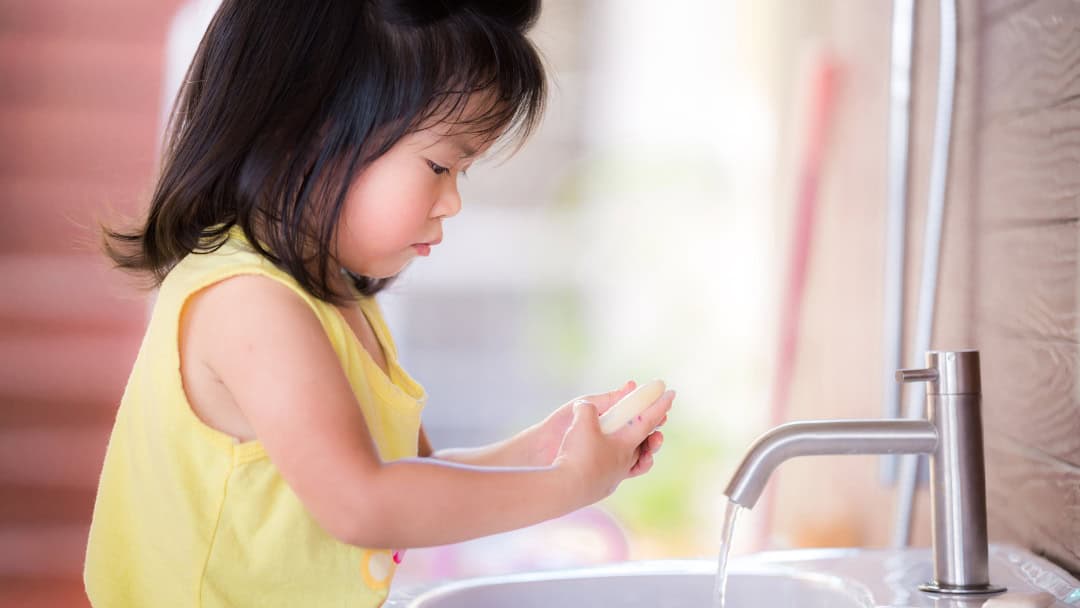
If my daughter coughed, she would do a ritual. If my daughter sneezed, if her sister sneezed, she would do a ritual. If her sister brushed up against her or sat next to her at the dinner table and they touched, she would have to wipe off the germs and do an OCD ritual. The child psychologist is like, “She’s tagged her sister as a ‘germy person’.”
Unbeknownst to us, there was an underlying infection. And so this infection is brewing in her system, but the outer symptoms was her, these OCD flares. Reese wouldn’t use plates out of the dishwasher because she felt they were contaminated because Mackenzie had used a plate. She couldn’t be sure if her sister had used that plate, so she was using paper plates and plastic forks.
And we had to put her plates and forks in a separate drawer so they wouldn’t be contaminated. She had her own drawer in the refrigerator with her food so her food wouldn’t get contaminated. And she had her own, you know, snack shelf. And it was like we had to separate them from everything.
“I Think She Has PANS”
So at that point, I was like, “Okay, it’s time to get serious.” This is not because putting her on an anti-psychiatric med was not an option for me. I’m like, “No, there’s something else going on here.”
We came across Teresa Holler, and she’s a physician assistant who understood functional medicine. She goes, “How can I help you?” And I said, “Well, there’s something going on with my daughter healthwise. I really just need a second opinion.”
I gave her her whole health history, gave her the symptoms of what she was dealing with, and she just put her pen down and looked at me and she goes, “I think she has PANS. Let’s do some testing.” I got a phone call, and they said, “Can you come in today?”
My husband and I went into the office on Monday and sat down, and she said, “I got a phone call after hours from one of the technicians after they ran your daughter’s blood work. They said, ‘In 2017, it was the highest numbers, highest levels they had seen across the board. Her brain was just on fire. The levels were two and three times higher than what they were supposed to be.'”
The Root Cause, at Last
She’s looking at me going, “I don’t know if I can help you. She’s like, “We might have to send you to New York. Let me see if I can figure out where to send you.” And I said, “”Well, what would you do?” And she said, “Honestly, we need to bring down the inflammation in the brain.”
She basically explained to me that through bloodwork that Reese had a Mycoplasma infection, which is basically the bacteria that in walking pneumonia, the same bacteria. It is a bacteria without a cell wall, so it replicates very quickly. One of the questions Teresa asked me is, “Well, how long has it been since your daughter’s had a fever? Because we can see that she has had these infections.”
When was the last time she had a fever? And I was like, “It’s been like three years.” I didn’t realize it, but she had lost her fever response somewhere along the way because she was still getting sick. When she would get sick, her body, instead of having a fever response, it would mount a histamine response.
So she’d have a histamine response to viruses and bacteria, which when you have a histamine response, causes the autoimmune antibodies to increase in your body.
Reese Had Regressed, Too
Her math skills regressed. She had been at a seventh-grade level. We had to get her tested with a math teacher, and she tested out at the second-grade level because the infection had gotten so bad. So her math regressed, her handwriting regressed, her speech regressed.
Treatment Begins
We did three or four rounds of azithromycin, which was the best antibiotic for her Mycoplasma. As we did the azithromycin, and then we started layering in some herbals, like burbur pinella and things that would help her lymphatic system. We did antibiotics for a few months, and then we switched over to herbals, and the herbals were amazing. They just turned the volume down on her OCD. It was gentler on her body. It was gentler on her gut microbiome.
Reese Healed
I was sitting there going, “Is she gonna live at home with us forever? Is she ever gonna be able to drive? Can she be independent? Like, what’s gonna happen?”
To, “Oh my goodness. Like, Yes, we trust you to actually get behind the wheel of a car. Yes, you can get a job. Yes, you have friends. Yes, you can do all these things. Okay.”
We had a math tutor, we had a speech therapist, we had like a team of doctors basically just helping with different pieces and like she’s doing so amazing now and like you would never know.
Reese, in Her Own Words
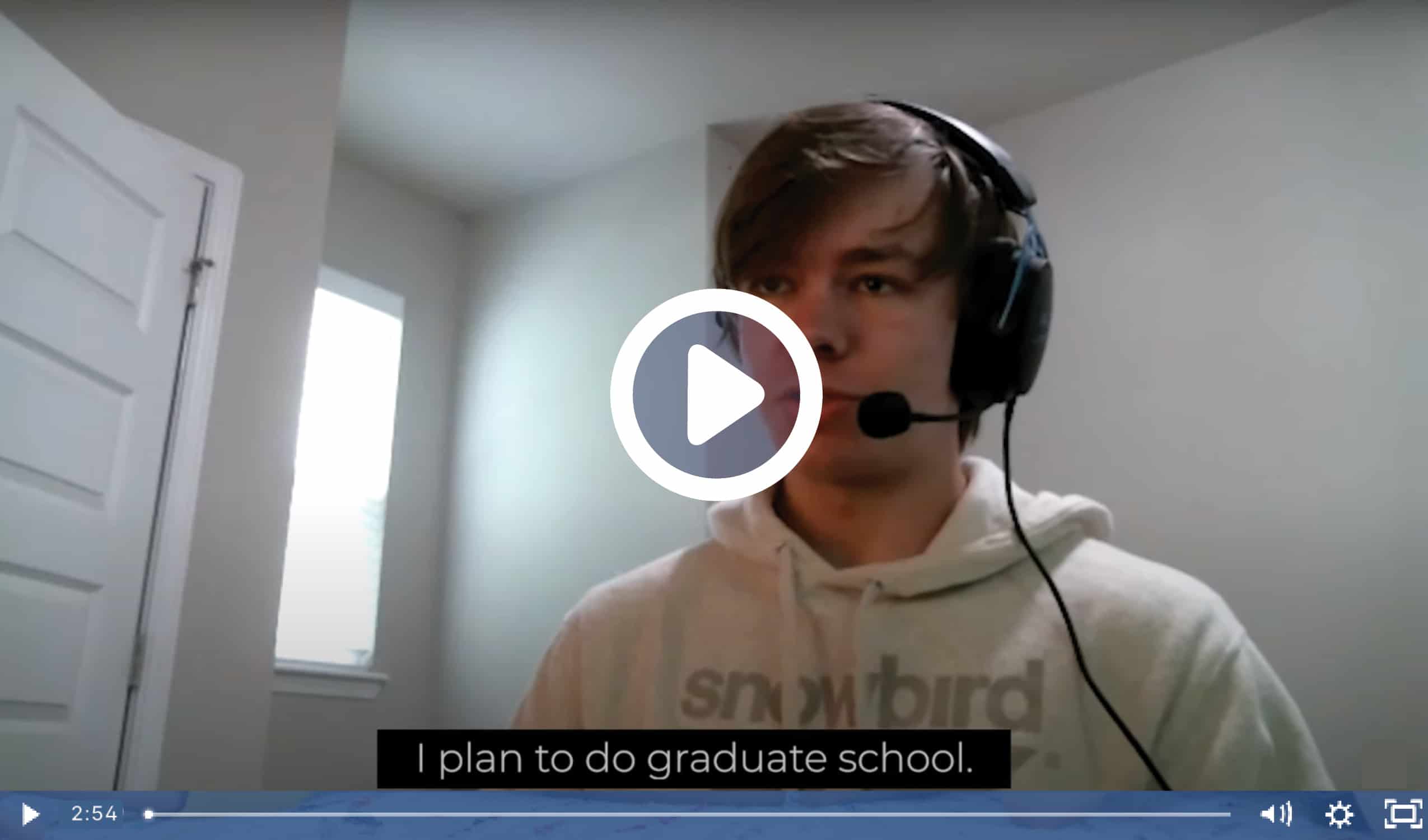
“Hi, my name is Reese. I am 19 years old and I’m currently a student at the local community college here. I’m about to graduate in May and besides being in school, I am married to my wonderful husband, and and I have a six-month-old cat, which I love. And I also work at a coffee shop.”
Reese, on Being Sick
“There’s a lot of moments that I don’t remember and a lot of moments that I do remember. It’s like, I would remember some, sorry.
You know, it didn’t feel like myself when I would have these really bad OCD moments. It just felt like it wasn’t me in the moment. It felt like it was something else, like almost like I would black out, and then I would just see the aftermath of my sister crying or just like how I expected those around me. And it’s like, ‘What just happened?’
That was really hard. Just recently, my sister was my maid of honor in my wedding. That was just amazing to be able to experience that with her and just go through that and just have her walk alongside me with that because that’s something that I never would have imagined would be possible.”
My Brain Is Just So Sick
Reese would have these moments of clarity, where she would calm down and she would write her sister a really sweet note and it would just say like, “Mackenzie, I’m so sorry.”
She’s like, “I’m so sorry about my OCD. She’s like, my brain is just sick. I love you.”
Her Sister’s Experience, in Mackenzie’s Own Words
“I think that was the hardest thing is I was actually embarrassed by her. I’m sorry. She would do things in public, and I was just embarrassed by her. We both played volleyball in middle school and high school, and so people would know it. She’s my sister, and she would just, like, head tic. She would do tics on the on the volleyball court; you can see. I was just embarrassed to be with her sometimes because of how she was acting and, just annoyed by her. In family photos, it was hard because she wouldn’t stand next to me or wouldn’t touch me or anything.
Not Anymore (in Reese’s Own Words)
“We got matching tattoos, and it’s a picture of us. It’s so sweet because whenever people see it, it’s like, ‘Oh, what’s that about? It’s like, ‘Oh, it’s me and my sister’, but it’s like there’s a lot deeper of a meaning because she was what triggered a lot of my OCD.”
Reese’s Dad Reflects (in His Own Words)
“If I’m being one hundred percent transparent, I am kind of a numbers guy. We have a budget, and so when we started doing these non-traditional, non-covered treatments, we had lots of discussion, and there was some friction there about coverage, and then supplements can be very expensive. The thing about the supplements is you do not see an instant result. It is a very slow burn, and so you have to be committed to it. You really have to trust the provider, and you have to trust that you know not everything is going to work but cumulatively it does work.
I think that was the biggest thing. My wife kept just reinforcing and pushing. Then to a certain degree, I agreed with her over time. Ultimately, you’ve just got to realize that the health and welfare of your kid is more important than anybody.
The moms have got the Spidey sense. They just know with their kids, and the dads, to a degree, have to just trust that.”
Gratitude and Hope
I’m so thankful. So thankful for the awareness that is growing. We have walked out of the fire, and so now I just want to turn around and run back into the fire and go to these families and just go, “There’s a way forward. Let me show you the way out of this. It’s going to get better, and there is hope.”
I think that’s the biggest thing is just knowing that healing is possible.
Learn the Top Five Things Reese’s Mom Did
Click the button below to learn more about what Reese’s mom did to help her heal from PANS/PANDAS and OCD.
Still Looking for Answers?
Visit the Documenting Hope Practitioner Directory to find a practitioner near you.
Join us inside our online membership community for parents, Healing Together, where you’ll find even more healing resources, expert guidance, and a community to support you every step of your child’s healing journey.
Sources & References
Aldad, T.S., et al. Fetal Radiofrequency Radiation Exposure From 800-1900 Mhz-Rated Cellular Telephones Affects Neurodevelopment and Behavior in Mice. Sci Rep. 2012;2:312.
Allen, A.J., et al. Case study: a new infection-triggered, autoimmune subtype of pediatric OCD and Tourette's syndrome. J Am Acad Child Adolesc Psychiatry. 1995 Mar;34(3):307-11.
Arnold, P.D., et al. Is obsessive-compulsive disorder an autoimmune disease? Canadian Medical Association Journal. 2001 Nov 13;165(10):1353-8.
Baj, J., et al. Alterations in the Nervous System and Gut Microbiota after β-Hemolytic Streptococcus Group A Infection-Characteristics and Diagnostic Criteria of PANDAS Recognition. Int J Mol Sci. 2020 Feb 21;21(4):1476.
Banks, W.A., et al. Aluminum-induced neurotoxicity: alterations in membrane function at the blood-brain barrier. Neurosci Biobehav Rev. 1989 Spring;13(1):47-53.
Baytunca, M.B. [Evaluation of a Neuropsychiatric Disorder: From PANDAS to PANS and CANS]. Turk Psikiyatri Derg. 2016 Summer;27(2):0.
Bitnun, A., et al. Acute Childhood Encephalitis and Mycoplasma pneumoniae. Clin Infect Dis. 2001 Jun 15;32(12):1674-84.
Bjarnason, I., et al. Mechanisms of Damage to the Gastrointestinal Tract From Nonsteroidal Anti-Inflammatory Drugs. Gastroenterology. 2018 Feb;154(3):500-514.
Bloch, M.H., et al. N-Acetylcysteine in the Treatment of Pediatric Tourette Syndrome: Randomized, Double-Blind, Placebo-Controlled Add-On Trial. J Child Adolesc Psychopharmacol. 2016 May;26(4):327-34.
Boileau, B. A review of obsessive-compulsive disorder in children and adolescents. Dialogues Clin Neurosci. 2011;13(4):401-11.
Bora, S.A., et al. Regulation of vitamin D metabolism following disruption of the microbiota using broad spectrum antibiotics. J Nutr Biochem. 2018 Jun;56:65-73.
Boris, M.J., et al. Pollen Exposure as a Cause for the Deterioration of Neurobehavioral Function in Children with Autism and Attention Deficit Hyperactive Disorder. J of Nutritional and Environmental Medicine. Mar 2004;14(1):47 – 54.
Braniste, V., et al. The gut microbiota influences blood-brain barrier permeability in mice. Sci Transl Med. 2014 Nov 19;6(263):263ra158.
Bransfield, R.C., et al. The association between tick-borne infections, Lyme borreliosis and autism spectrum disorders. Medical Hypotheses. 2008;70(5):967-74.
Bravo, J.A., et al. Ingestion of Lactobacillus strain regulates emotional behavior and central GABA receptor expression in a mouse via the vagus nerve. Proc Natl Acad Sci U S A. 2011 Sep 20;108(38):16050-5.
Brown, K., et al. Pediatric Acute-Onset Neuropsychiatric Syndrome Response to Oral Corticosteroid Bursts: An Observational Study of Patients in an Academic Community-Based PANS Clinic. J Child Adolesc Psychopharmacol. 2017 Jul 17.
Brown, K.D., et al. Effect of Early and Prophylactic Nonsteroidal Anti-Inflammatory Drugs on Flare Duration in Pediatric Acute-Onset Neuropsychiatric Syndrome: An Observational Study of Patients Followed by an Academic Community-Based Pediatric Acute-Onset Neuropsychiatric Syndrome Clinic. J Child Adolesc Psychopharmacol. 2017 Jul 11.
Butel, M.J., et al. The developing gut microbiota and its consequences for health. J Dev Orig Health Dis. 2018 Mar 22:1-8.
Burkett, P.R., et al. Pouring fuel on the fire: Th17 cells, the environment, and autoimmunity. J Clin Invest. 2015 Jun;125(6):2211-9.
Calaprice, D., et al. A Survey of Pediatric Acute-Onset Neuropsychiatric Syndrome Characteristics and Course. J Child Adolesc Psychopharmacol. 2017 Jan 31.
Carpentier, A., et al. Clinical trial of blood-brain barrier disruption by pulsed ultrasound. Sci Transl Med. 2016 Jun 15;8(343):343re2.
Chang, K., et al. Clinical evaluation of youth with pediatric acute–onset neuropsychiatric syndrome (PANS): recommendations from the 2013 PANS Consensus Conference. J Child Adolesc Psychopharmacol. 2015 Feb;25(1):3-13.
Chiarello, F., et al. An expert opinion on PANDAS/PANS: highlights and controversies. Int J Psychiatry Clin Pract. 2017 Jun;21(2):91-98.
Connolly, A.M., et al. Serum autoantibodies to brain in Landau-Kleffner variant, autism, and other neurologic disorders. The Journal of Pediatrics. 1999 May;134(5):607-13.
Cooperstock, M., et al. Clinical Management of Pediatric Acute-Onset Neuropsychiatric Syndrome: Part III—Treatment and Prevention of Infections. J Child Adolesc Psychopharmacol. 2017 Jul, ahead of print.
Cosford, Robyn. Occult Infections, Streptococcus, Biofilms, PANDAS and MINDDD in Autism. Defeat Autism Now! Conference, San Diego, CA, Oct 2008.
Cox, C.J., et al. Antineuronal antibodies in a heterogeneous group of youth and young adults with tics and obsessive-compulsive disorder. J Child Adolesc Psychopharmacol. 2015 Feb;25(1):76-85.
Dahm, T., et al. Neuroinvasion and Inflammation in Viral Central Nervous System Infections. Mediators Inflamm. 2016;2016:8562805.
Dale, R.C., et al. Encephalitis lethargica syndrome: 20 new cases and evidence of basal ganglia autoimmunity. Brain. 2004 Jan;127(Pt 1):21-33.
Dale, R.C. Immune-mediated extrapyramidal movement disorders, including Sydenham chorea. Handb Clin Neurol. 2013;112:1235-41.
Dallasta, L.M., et al. Blood-Brain Barrier Tight Junction Disruption in Human Immunodeficiency Virus-1 Encephalitis. Am J Pathol. 1999 Dec;155(6):1915-27.
Das, T., et al. Influence of Calcium in Extracellular DNA Mediated Bacterial Aggregation and Biofilm Formation. PLoS One. 2014 Mar 20;9(3):e91935.
Dasdaq, S., et al. Effects of 2.4 GHz radiofrequency radiation emitted from Wi-Fi equipment on microRNA expression in brain tissue. Int J Radiat Biol. 2015 Jul;91(7):555-61.
Dashore, J. A., et al. Pediatric Neuroimmune and Inflammatory Overlap: Immunopathology of PANS/PANDAS in Autism Spectrum Disorder. Medical Research Archives, [S.l.], v. 14, n. 1, jan. 2026.
DeLong, G.R., et al. Acquired reversible autistic syndrome in acute encephalopathic illness in children. Arch Neurol. 1981 Mar;38(3):191-4.
Ding, H., et al. Molecular Pathogenesis of Anti-NMDAR Encephalitis. Biomed Res Int. 2015;2015:643409.
Ercan, T.E., et al. Mycoplasma pneumoniae infection and obsessive-compulsive disease: a case report. J Child Neurol. 2008 Mar;23(3):338-40.
Endres, D., et al. Immunological causes of obsessive-compulsive disorder: is it time for the concept of an “autoimmune OCD” subtype? Translational Psychiatry. 12, Article number: 5 (2022).
Egset, K., et al. Magno App: Exploring Visual Processing in Adults with High and Low Reading Competence. Scandinavian Journal of Educational Research. 07 Jan 2020.
Feng, J., et al. Evaluation of Natural and Botanical Medicines for Activity Against Growing and Non-growing Forms of B. burgdorferi. Front. Med., 21 Feb 2020.
Feng, P., et al. A review of probiotics in the treatment of autism spectrum disorders: Perspectives from the gut-brain axis. Front Microbiol. 2023 Mar 16:14:1123462.
Ferretti, J.W., et al. Post-Streptococcal Autoimmune Sequelae: Rheumatic Fever and Beyond. Streptococcus pyogenes : Basic Biology to Clinical Manifestations [Internet]. 2016 Feb 10. Oklahoma City (OK): University of Oklahoma Health Sciences Center.
Fiorentino, M., et al. Blood–brain barrier and intestinal epithelial barrier alterations in autism spectrum disorders. Molecular Autism. 2016 Nov 29;7:49.
Frankovich, J., et al. Clinical Management of Pediatric Acute-Onset Neuropsychiatric Syndrome: Part II—Use of Immunomodulatory Therapies. J Child Adolesc Psychopharmacol. 2017 Jul
Frankovich, J., et al. Five youth with pediatric acute-onset neuropsychiatric syndrome of differing etiologies. J Child Adolesc Psychopharmacol. 2015 Feb;25(1):31-7.
Frankovich, J., et al. Multidisciplinary clinic dedicated to treating youth with pediatric acute-onset neuropsychiatric syndrome: presenting characteristics of the first 47 consecutive patients. J Child Adolesc Psychopharmacol. 2015 Feb;25(1):38-47.
Gabbay, V., et al. A Double-Blind, Placebo-Controlled Trial of Omega-3 Fatty Acids in Tourette’s Disorder. Pediatrics. 2012 Jun; 129(6): e1493–e1500.
Gaughan, T., et al. Rapid Eye Movement Sleep Abnormalities in Children with Pediatric Acute-Onset Neuropsychiatric Syndrome (PANS). J Clin Sleep Med. 2016 Jul 15;12(7):1027-32.
Gerardi, D.M., et al. PANDAS and comorbid Kleine-Levin syndrome. J Child Adolesc Psychopharmacol. 2015 Feb;25(1):93-8.
Gerentes, M., et al. Obsessive-Compulsive Disorder: Autoimmunity and Neuroinflammation. Curr Psychiatry Rep. 2019 Aug 1;21(8):78.
Ghaziuddin, M., et al. Brief report: autism and herpes simplex encephalitis. J Autism Dev Disord. 1992 Mar;22(1):107-13.
Gillberg, C. Onset at age 14 of a typical autistic syndrome. A case report of a girl with herpes simplex encephalitis. J Autism Dev Disord. 1986 Sep;16(3):369-75.
Goncalves, M.V.M., et al. Pediatric acute-onset neuropsychiatric syndrome (PANS) misdiagnosed as autism spectrum disorder. Immunol Lett. 2018 Nov;203:52-53.
Greenberg, R. Investigating the frequency of tick-borne infections in a case series of 37 youth diagnosed with pediatric bipolar disorder. Front Child Adolesc Psychiatry. 2025 Nov 6:4:1685016.
Greer, M.K., et al. A case study of the cognitive and behavioral deficits of temporal lobe damage in herpes simplex encephalitis. J Autism Dev Disord. 1989 Jun;19(2):317-26.
Gulati, G., et al. Anti-NR2 antibodies, blood-brain barrier, and cognitive dysfunction. Clin Rheumatol. 2016 Dec;35(12):2989-2997.
Hacohen, Y., et al. N‐methyl‐d‐aspartate (NMDA) receptor antibodies encephalitis mimicking an autistic regression. Dev Med Child Neurol. 2016 Oct;58(10):1092-4.
Hadjivassiliou, M., et al. Gluten sensitivity: from gut to brain. Lancet Neurol. 2010 Mar;9(3):318-30.
Hardin, H., et al. An updated review of pediatric autoimmune neuropsychiatric disorders associated with Streptococcus/pediatric acute-onset neuropsychiatric syndrome, also known as idiopathic autoimmune encephalitis: What the allergist should know. Ann Allergy Asthma Immunol. 2023 Nov;131(5):567-575.
Havas, M. Radiation from wireless technology affects the blood, the heart, and the autonomic nervous system. Rev Environ Health. 2013;28(2-3):75-84.
Hazlett, H.C., et al. Early brain development in infants at high risk for autism spectrum disorder. Nature. 2017 Feb 16;542:348–351.
Herbert, M.R., et al. Autism and EMF? Plausibility of a pathophysiological link part I. Pathophysiology. 2013 Jul;1-19.
Herbert, M.R., et al. Autism and EMF? Plausibility of a pathophysiological link part II. Pathophysiology. 2013 Jun;20(3):211-34.
Hirai, N., et al. A new infectious encephalopathy syndrome, clinically mild encephalopathy associated with excitotoxicity (MEEX). J Neurol Sci. 2017 Sep 15;380:27-30.
Hou, J., et al. Viral interactions with the blood-brain barrier: old dog, new tricks. Tissue Barriers. 2016 Jan 28;4(1):e1142492.
Hsu, C.J., et al. Immunological Dysfunction in Tourette Syndrome and Related Disorders. Int J Mol Sci. 2021 Jan 16;22(2):853.
Ivanovski, I., et al. Aluminum in brain tissue in autism. J Trace Elem Med Biol. 2019 Jan;51:138-140.
Jain, R., et al. The effect of medical treatments on the bacterial microbiome in patients with chronic rhinosinusitis: a pilot study. Int Forum Allergy Rhinol. 2018 Mar 8.
Jaspers-Fayer, F., et al. Prevalence of Acute-Onset Subtypes in Pediatric Obsessive-Compulsive Disorder. J Child Adolesc Psychopharmacol. 2017 May;27(4):332-341.
Johansson, O. Disturbance of the immune system by electromagnetic fields—A potentially underlying cause for cellular damage and tissue repair reduction which could lead to disease and impairment. Pathophysiology. 2009 Aug;16(2-3):157-177.
Jyonouchi, H., et al. Cytokine profiles by peripheral blood monocytes are associated with changes in behavioral symptoms following immune insults in a subset of ASD subjects: an inflammatory subtype? J Neuroinflammation. 2014 Oct 27;11:187.
Kantarcioglu, A.S., et al. Microbiota-Gut-Brain Axis: Yeast Species Isolated from Stool Samples of Children with Suspected or Diagnosed Autism Spectrum Disorders and In Vitro Susceptibility Against Nystatin and Fluconazole. Mycopathologia. 2016 Feb;181(1-2):1-7.
Kelly, J.R., et al. Breaking down the barriers: the gut microbiome, intestinal permeability and stress-related psychiatric disorders. Front Cell Neurosci. 2015 Oct 14;9:392.
Khan, Z., et al. Slow CCL2-dependent translocation of biopersistent particles from muscle to brain. BMC Med. 2013 Apr 4;11:99.
Kim, C., et al. Strep and Urinary Frequency: Is There a Connection? New England Section of the American Urological Association, 75th Annual Meeting. 2006 Sep 28-30.
Kim., Y., et al. Obsessive-Compulsive Disorder Related to Mycoplasma-Associated Autoimmune Encephalopathy with Basal Ganglia Involvement. Child Adolesc Psychopharmacol. 2016 May;26(4):400-2.
King, L., et al. Intuition: a critical review of the research and rhetoric. J Adv Nurs. 1997 Jul;26(1):194-202.
Kinoshita, M., et al. Targeted delivery of antibodies through the blood-brain barrier by MRI-guided focused ultrasound. Biochem Biophys Res Commun. 2006 Feb 24;340(4):1085-90.
Kirvan, C.A., et al. Streptococcal mimicry and antibody-mediated cell signaling in the pathogenesis of Sydenham's chorea. Autoimmunity. 2006 Feb;39(1):21-9.
Kobliner, V., et al. Reduction in Obsessive Compulsive Disorder and Self-Injurious Behavior With Saccharomyces boulardii in a Child with Autism: A Case Report. Integr Med (Encinitas). 2018 Dec;17(6):38-41.
Koffie, R.M., et al. Nanoparticles enhance brain delivery of blood–brain barrier-impermeable probes for in vivo optical and magnetic resonance imaging. Proc Natl Acad Sci U S A. 2011 Nov 15;108(46):18837-42.
Kovacevic, M., et al. Use of Intravenous Immunoglobulin in the Treatment of Twelve Youths with Pediatric Autoimmune Neuropsychiatric Disorders Associated with Streptococcal infections. J Child Adolesc Psychopharmacol. 2015 Feb;25(1):65-9.
Kurlan, R. Tourette's syndrome and 'PANDAS': will the relation bear out? Pediatric autoimmune neuropsychiatric disorders associated with streptococcal infection. Neurology. 1998 Jun;50(6):1530-4.
Lancaster, E. The Diagnosis and Treatment of Autoimmune Encephalitis. J Clin Neurol. 2016 Jan;12(1):1-13.
Latimer, M.E., et al. Therapeutic plasma apheresis as a treatment for 35 severely ill children and adolescents with pediatric autoimmune neuropsychiatric disorders associated with streptococcal infections. J Child Adolesc Psychopharmacol. 2015 Feb;25(1):70-5.
Leclercq, S., et al. Low-dose penicillin in early life induces long-term changes in murine gut microbiota, brain cytokines and behavior. Nature Communications. 2017; 8.
Lionetti, E., et al. Gluten Psychosis: Confirmation of a New Clinical Entity. Nutrients. 2015 Jul 8;7(7):5532-9.
López-Aranda, M.F., et al. Postnatal immune activation causes social deficits in a mouse model of tuberous sclerosis: Role of microglia and clinical implications. Sci Adv. 2021 Sep 17;7(38):eabf2073.
Ludlow, A.K., et al. Understanding the impact of diet and nutrition on symptoms of Tourette syndrome: A scoping review. J Child Health Care. 2018 Mar;22(1):68-83.
Mahony, T., et al. Improvement of psychiatric symptoms in youth following resolution of sinusitis. Int J Pediatr Otorhinolaryngol. 2017 Jan;92:38-44.
Mahony, T., et al. Palatal Petechiae in the Absence of Group A Streptococcus in Pediatric Patients with Acute-Onset Neuropsychiatric Deterioration: A Cohort Study. J Child Adolesc Psychopharmacol. 2017 Apr 7.
Marcello, A., et al. Pediatric Autoimmune Neuropsychiatric Disorders Associated with Streptococcal Infections (PANDAS): An Evolving Concept. Tremor Other Hyperkinet Mov (N Y). 2013 Sep 25;3. pii: tre-03-167-4158-7.
Marquet, F., et al. Noninvasive, Transient and Selective Blood-Brain Barrier Opening in Non-Human Primates In Vivo. PLoS One. 2011;6(7):e22598.
Masand, P.S., et al. Prevalence of irritable bowel syndrome in obsessive-compulsive disorder. CNS Spectr. 2006 Jan;11(1):21-5.
Mason, R. Expanding Diagnostic Vision with Medical Intuition. Alternative and Complementary Therapies. 2009 Mar 19; 6(6).
Mattingley, D.W., et al. Association of Lyme Disease and Schizoaffective Disorder, Bipolar Type: Is it Inflammation Mediated? Indian J Psychol Med. 2015 Apr-Jun;37(2):243-6.
Mink, J., et al. Acute postinfectious movement and psychiatric disorders in children and adolescents. J Child Neurol. 2011 Feb;26(2):214-7.
Moretti, G., et al. What every psychiatrist should know about PANDAS: a review. Clinical Practice and Epidemiology in Mental Health. 2008 May 21;4:13.
Morris, C.R., et al. Syndrome of allergy, apraxia, and malabsorption: characterization of a neurodevelopmental phenotype that responds to omega 3 and vitamin E supplementation. Alternative Therapies in Health and Medicine. Jul-Aug 2009;15(4):34-43.
Müller-Vahl, K.R., et al. The influence of different food and drink on tics in Tourette syndrome. Acta Paediatr. 2008 Apr;97(4):442-6.
Muir, K.E., et al. A case report of obsessive-compulsive disorder following acute disseminated encephalomyelitis. Pediatrics. 2013 Sep;132(3):e771-4.
Murphy, T.K., et al. Cefdinir for recent-onset pediatric neuropsychiatric disorders: a pilot randomized trial. J Child Adolesc Psychopharmacol. 2015 Feb;25(1):57-64.
Murphy, T.K., et al. Characterization of the pediatric acute-onset neuropsychiatric syndrome phenotype. J Child Adolesc Psychopharmacol. 2015 Feb;25(1):14-25
Murphy, T.K., et al. A Double-Blind Randomized Placebo-Controlled Pilot Study of Azithromycin in Youth with Acute-Onset Obsessive-Compulsive Disorder. J Child Adolesc Psychopharmacol. 2017 Mar 30.
Murphy, T.K., et al. Pediatric acute-onset neuropsychiatric syndrome. Psychiatr Clin North Am. 2014 Sep;37(3):353-74.
Nadeau, J.M., et al. A pilot trial of cognitive-behavioral therapy augmentation of antibiotic treatment in youth with pediatric acute-onset neuropsychiatric syndrome-related obsessive-compulsive disorder. J Child Adolesc Psychopharmacol. 2015 May;25(4):337-43.
Nazeer, A., et al. Obsessive-compulsive disorder in children and adolescents: epidemiology, diagnosis and management. Transl Pediatr. 2020 Feb;9(Suppl 1):S76-S93.
Nicolson, G.L. Chronic Bacterial and Viral Infections in Neurodegenerative and Neurobehavioral Diseases. Lab Medicine. 2008;39(5):291-299.
Nicolson, G.L., et al. Chronic Mycoplasmal Infections in Autism Patients. Proc. Intern. Mind of a Child Conference, Sydney, Australia 2002.
Nicolson, G.L., et al. Evidence for Mycoplasma ssp., Chlamydia pneunomiae, and human herpes virus-6 coinfections in the blood of patients with autistic spectrum disorders. J Neurosci Res. 2007 Apr;85(5):1143-8.
Offut, A., et al. Case report: Substantial improvement of autism spectrum disorder in a child with learning disabilities in conjunction with treatment for poly-microbial vector borne infections. Front Psychiatry. 2023 Aug 18:14:1205545.
Onalapo, A.Y., et al. Dietary glutamate and the brain: In the footprints of a Jekyll and Hyde molecule. Neurotoxicology. 2020 Sep;80:93-104.
Orefici, G., et al. Pediatric Autoimmune Neuropsychiatric Disorders Associated with Streptococcal Infections (PANDAS). Streptococcus pyogenes: Basic Biology to Clinical Manifestations [Internet]. Oklahoma City (OK): University of Oklahoma Health Sciences Center; 2016-. 2016 Feb 10.
Orlovska, S., et al. Association of Streptococcal Throat Infection With Mental Disorders: Testing Key Aspects of the PANDAS Hypothesis in a Nationwide Study. JAMA Psychiatry. 2017 Jul 1;74(7):740-746.
Pall, M.L. Microwave frequency electromagnetic fields (EMFs) produce widespread neuropsychiatric effects including depression. J Chem Neuroanat. 2016 Sep;75(Pt B):43-51.
Parker-Athill, E.C., et al. Cytokine correlations in youth with tic disorders. J Child Adolesc Psychopharmacol. 2015 Feb;25(1):86-92.
Pavone, P., et al. Anti-brain antibodies in PANDAS versus uncomplicated streptococcal infection. Pediatr Neurol. 2004 Feb;30(2):107-10.
Pearlman, D.M., et al. Anti-basal ganglia antibodies in primary obsessive-compulsive disorder: systematic review and meta-analysis. Br J Psychiatry. 2014 Jul;205(1):8-16.
Perlmutter, S.J., et al. Therapeutic plasma exchange and intravenous immunoglobulin for obsessive-compulsive disorder and tic disorders in childhood. Lancet. 1999 Oct 2;354(9185):1153-8.
Pihtili, A., et al. Evidence for the Efficacy of a Bioresonance Method in Smoking Cessation: A Pilot Study. Forsch Komplementmed. 2014;21(4):239-45.
Plioplys, A.V., et al. Anti-CNS antibodies in childhood neurologic diseases. Neuropediatrics. 1989 May;20(2):93-102.
Price, A., et al. Understanding the subtypes of visual hypersensitivity: Four coherent factors and their measurement with the Cardiff Hypersensitivity Scale (CHYPS). Vision Res. 2025 Aug:233:108610.
Rawls, W.E., et al. Encephalitis associated with herpes simplex virus. Ann Intern Med. 1966 Jan;64(1):104-15.
Rodrigo, L., et al. Tourette Syndrome and Non-Coeliac Gluten Sensitivity. Clinical Remission with a Gluten-Free Diet: A Description Case. Journal of Sleep Disorders and Therapy. 2015.
Sahyouni, R., et al. Effects of concussion on the blood–brain barrier in humans and rodents. Journal of Concussion. 2017 Jan 1; 10.1177/2059700216684518
Sai, Y., et al. Clinical diagnosis and treatment of pediatric anti-N-methyl-D-aspartate receptor encephalitis: A single center retrospective study. Exp Ther Med. 2018 Aug;16(2):1442-1448.
Samsel, A., et al. Glyphosate, pathways to modern diseases III: Manganese, neurological diseases, and associated pathologies. Surg Neurol Int. 2015 Mar 24;6:45.
Sifra, S., et al. Treatment of PANDAS and PANS: a systematic review. Neuroscience & Biobehavioral Reviews. 2018 Mar;86:51-65.
Singer, H.S., et al. Moving from PANDAS to CANS. The Journal of Pediatrics. 2012 May; 160(5):725-731.
Song, Y., et al. Effects of acute exposure to aluminum on blood-brain barrier and the protection of zinc. Neurosci Lett. 2008 Nov 7;445(1):42-6.
Spartz, E.J., et al. Course of Neuropsychiatric Symptoms After Introduction and Removal of Nonsteroidal Anti-Inflammatory Drugs: A Pediatric Observational Study. J Child Adolesc Psychopharmacol. 2017 Jul 11.
Spindler, K.R., et al. Viral disruption of the blood-brain barrier. Trends Microbiol. 2012 Jun;20(6):282-90.
Swedo, S.E., et al. Clinical Presentation of Pediatric Autoimmune Neuropsychiatric Disorders Associated with Streptococcal infections in Research and Community Settings. J Child Adolesc Psychopharmacol. 2015 Feb;25(1):26-30
Swedo, S.E., et al. Identification of children with pediatric autoimmune neuropsychiatric disorders associated with streptococcal infections by a marker associated with rheumatic fever. Am J Psychiatry. 1997 Jan;154(1):110-2.
Swedo, S.E., et al. Overview of Treatment of Pediatric Acute-Onset Neuropsychiatric Syndrome. J Child Adolesc Psychopharmacol. 2017 Jul 19.
Tanaka, S., et al. Autoantibodies against four kinds of neurotransmitter receptors in psychiatric disorders. J Neuroimmunol. 2003 Aug;141(1-2):155-64.
Tang, J., et al. Exposure to 900 MHz electromagnetic fields activates the mkp-1/ERK pathway and causes blood-brain barrier damage and cognitive impairment in rats. Brain Res. 2015 Mar 19;1601:92-101.
Theoharides, T.C., et al. Neuro-inflammation, blood-brain barrier, seizures and autism. J Neuroinflammation. 2011 Nov 30;8:168.
Thienemann M., et al. Clinical Management of Pediatric Acute-Onset Neuropsychiatric Syndrome: Part I-Psychiatric and Behavioral Interventions. J Child Adolesc Psychopharmacol. 2017 Jul 19.
Tohidpour, A., et al. Neuroinflammation and Infection: Molecular Mechanisms Associated with Dysfunction of Neurovascular Unit. Front Cell Infect Microbiol. 2017 Jun 20;7:276.
Tona, J.T., et al. Impact of PANS and PANDAS Exacerbations on Occupational Performance: A Mixed-Methods Study. Am J Occup Ther. 2017 May/Jun;71(3):7103220020P1-7103220020P9.
Toufexis, M.D., et al. Disordered eating and food restrictions in children with PANDAS/PANS. J Child Adolesc Psychopharmacol. 2015 Feb;25(1):48-56.
Tuchscherr, L., et al. Staphylococcus aureus phenotype switching: an effective bacterial strategy to escape host immune response and establish a chronic infection. EMBO Mol Med. 2011 Mar;3(3):129-41.
Venâncio, P., et al. Anti-N-methyl-D-aspartate receptor encephalitis with positive serum antithyroid antibodies, IgM antibodies against mycoplasma pneumoniae and human herpesvirus 7 PCR in the CSF. Pediatr Infect Dis J. 2014 Aug;33(8):882-3.
Vitaliti, G., et al. A new clinical feature associated with familial early-onset of dystonic-guttural tics: An unusual diagnosis of PANDAS. J Pediatr Neurosci. 2014 Jan;9(1):79-81.
Vreeland, A., et al. Postinfectious Inflammation, Autoimmunity, and Obsessive-Compulsive Disorder: Sydenham Chorea, Pediatric Autoimmune Neuropsychiatric Disorder Associated with Streptococcal Infection, and Pediatric Acute-Onset Neuropsychiatric Disorder. Dev Neurosci. 2023;45(6):361-374.
Warner, B.B. The contribution of the gut microbiome to neurodevelopment and neuropsychiatric disorders. Pediatr Res. 2019 Jan;85(2):216-224.
Xu, C.L., et al. Anti-N-methyl-D-aspartate receptor encephalitis with serum anti-thyroid antibodies and IgM antibodies against Epstein-Barr virus viral capsid antigen: a case report and one year follow-up. BMC Neurol. 2011 Nov 29;11:149.
Xu, J., et al. Antibodies From Children With PANDAS Bind Specifically to Striatal Cholinergic Interneurons and Alter Their Activity. Am J Psychiatry. 2021 Jan 1;178(1):48-64.
Waites, K.B., et al. Mycoplasma pneumoniae and its role as a human pathogen. Clin Microbiol Rev. 2004 Oct;17(4):697-728.
Wang, H. Anti-NMDA Receptor Encephalitis. Int J Mol Sci. 2017 Jan 18;18(1). pii: E193.
Wells, L., et al. Folate Receptor Alpha Autoantibodies in the Pediatric Acute-Onset Neuropsychiatric Syndrome (PANS) and Pediatric Autoimmune Neuropsychiatric Disorders Associated with Streptococcal Infections (PANDAS) Population. J Pers Med. 2024 Jan 31;14(2):166.
Yaddanapudi, K., et al. Passive transfer of streptococcus-induced antibodies reproduces behavioral disturbances in a mouse model of pediatric autoimmune neuropsychiatric disorders associated with streptococcal infection. Mol Psychiatry. 2010 Jul;15(7):712-26.
Zong, S., et al. Neuronal Surface Autoantibodies in Neuropsychiatric Disorders: Are There Implications for Depression? Front Immunol. 2017 Jul 5;8:752.
Resources
Books
Blaylock, Russell L. Excitotoxins: The Taste That Kills. Health Press, 1996.
Cahalan, Susannah. Brain on Fire: My Month of Madness. Simon & Schuster, 2013.
Campbell-McBride, Natasha. Gut and Psychology Syndrome: Natural Treatment for Autism, Dyspraxia, A.D.D., Dyslexia, A.D.H.D., Depression, Schizophrenia. 2010.
Chutkin, Robin. The Microbiome Solution: A Radical New Way to Heal Your Body from the Inside Out. Avery, 2016.
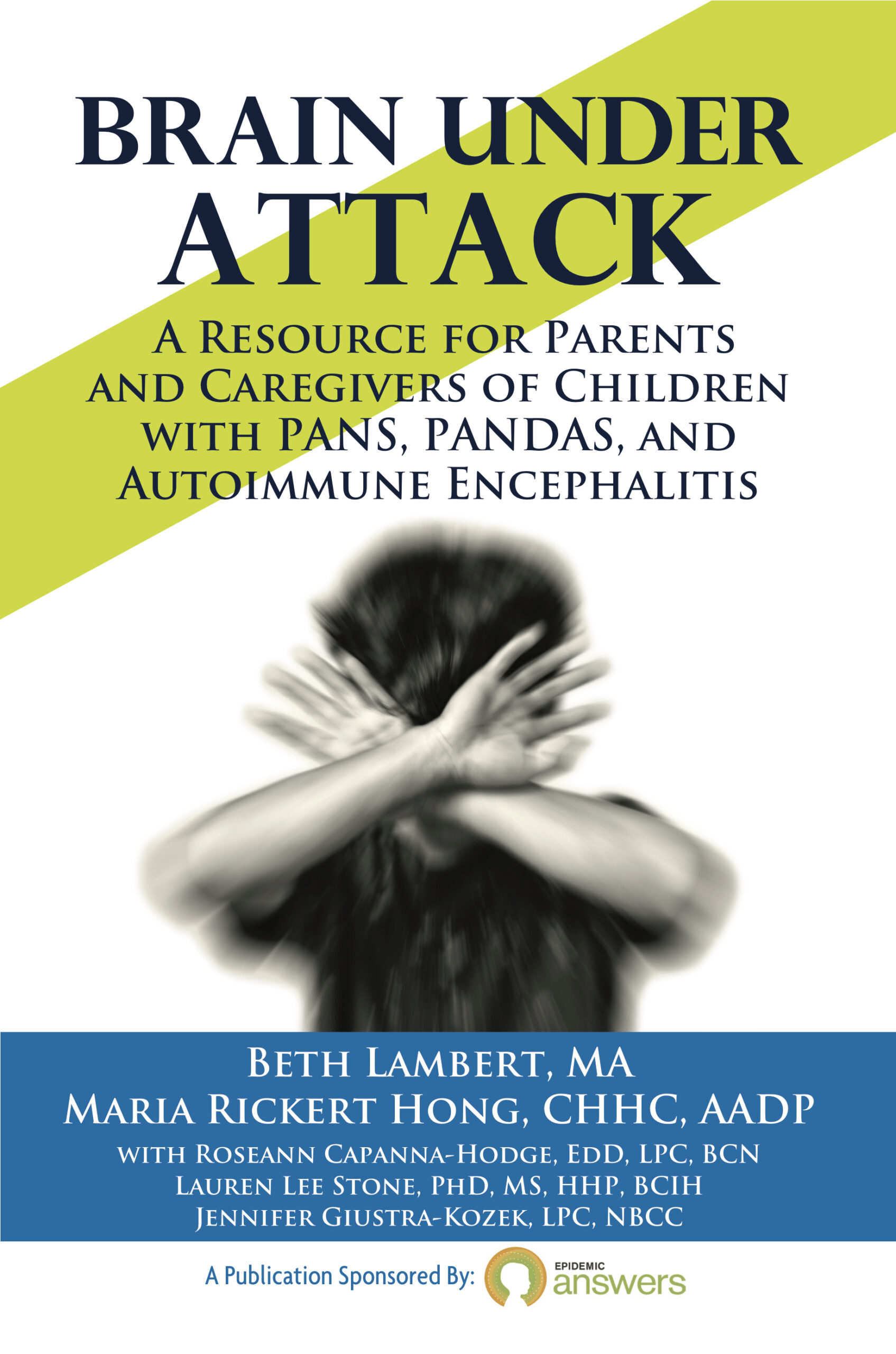
Lambert, Beth, et al. Brain Under Attack: A Resource for Parents and Caregivers of Children with PANS, PANDAS, and Autoimmune Encephalitis. Answers Publications, 2018.
Maloney, Alison Beth. Saving Sammy: A Mother's Fight to Cure Her Son's OCD. Broadway Books, 2010.
O'Hara, Nancy. Demystifying PANS/PANDAS: A Functional Medicine Desktop Reference on Basal Ganglia Encephalitis. DPWN Publishing, 2022.
Weiss, Melanie S. In a Pickle Over PANDAS. First Edition Design Publishing, 2015.
Websites
New England PANS/PANDAS Association
Videos
PANDAS and PANS with Amy Joy Smith, NP on BetterHealthGuy.com