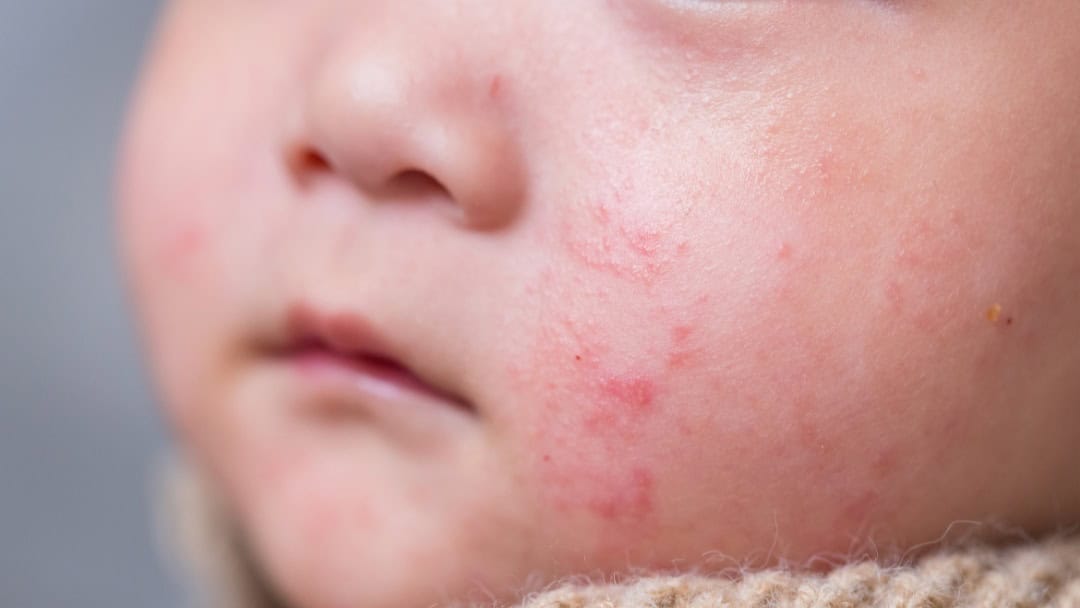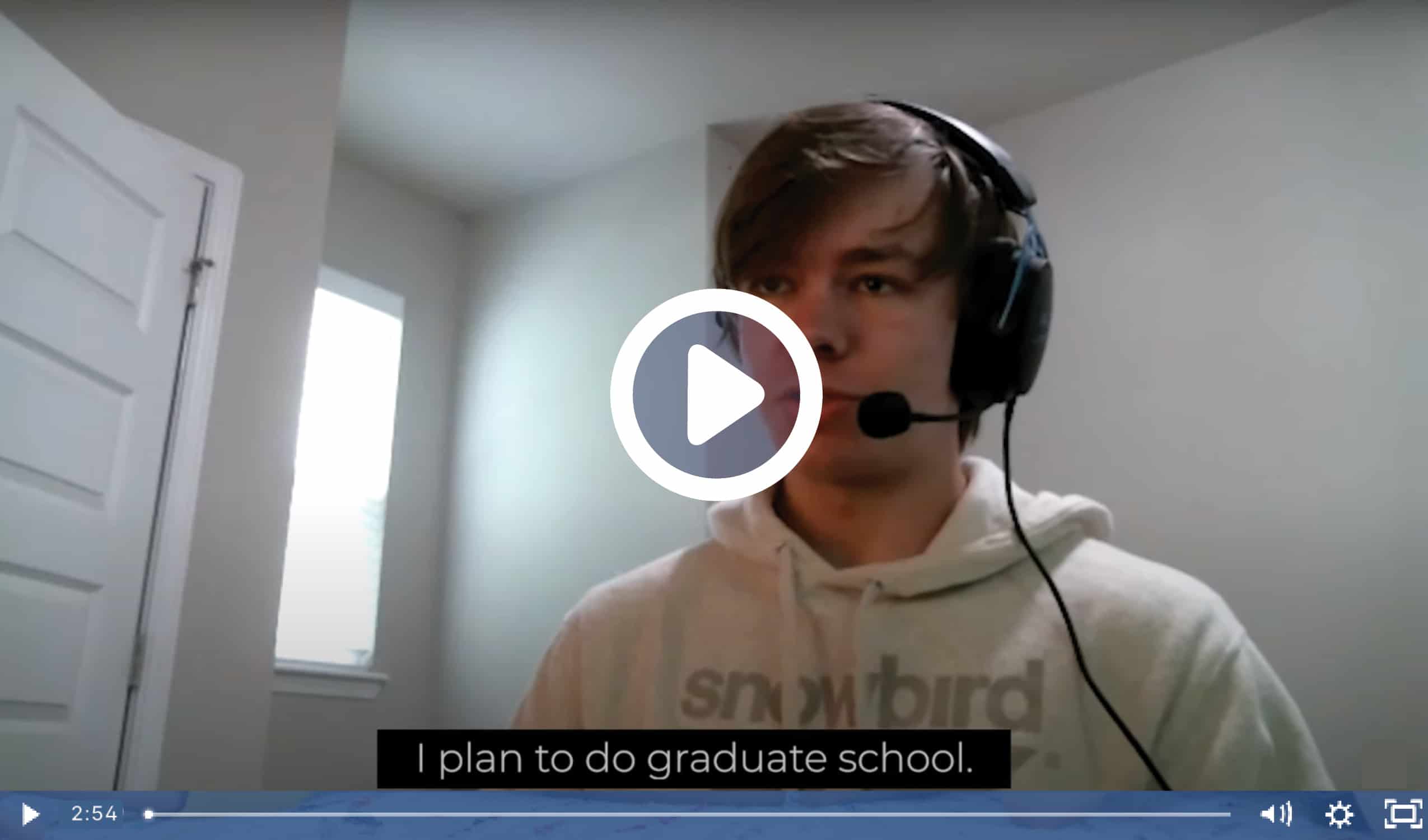
I have helped my son heal his asthma and his eczema and significantly improve his food allergies as well as also heal his environmental allergies. There is hope. There’s always hope for healing.
Eli Had Very Severe Allergies
We were basically told that he’s one of the most severe cases of allergies at our allergist’s office, and mom and dad get used to the fact that he’ll never outgrow anything.
What Life Was Like
Before Eli got better, our life was so stressful because it was revolving around his illnesses and reactions and asthma attacks and a lot of stress because he was not growing, a lot of anxiety because you needed to keep him safe literally everywhere from everything because he was contact reactive, he was airborne reactive. It was just a lot a lot of stress and anxiety all around.
The Lowest Low
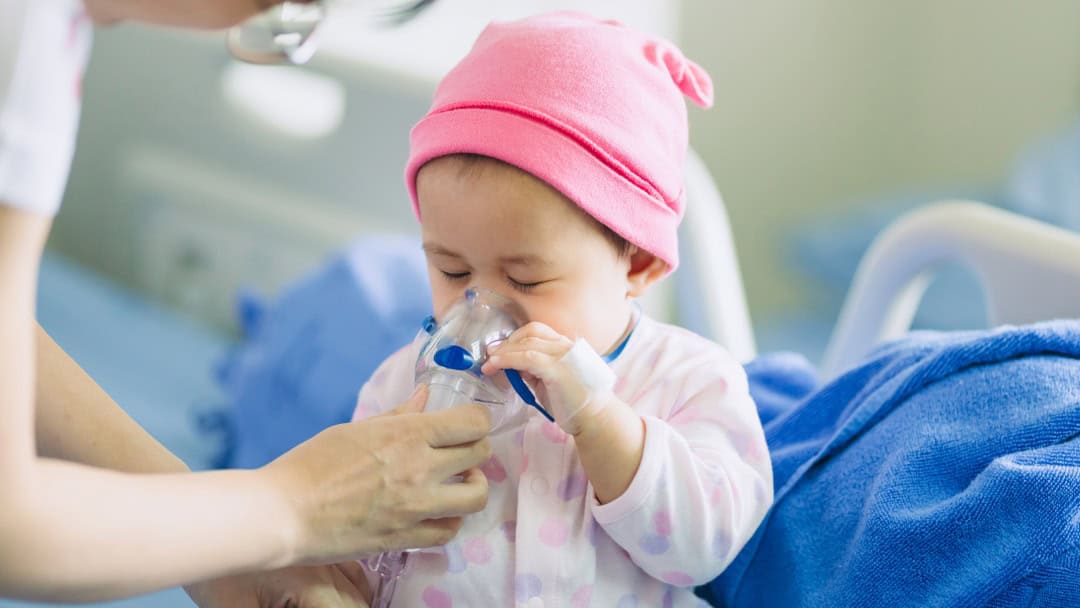
The lowest of the lows would have to be when he was hospitalized for an asthma attack, and he had to spend three days in the hospital doing nebulizer treatments around the clock. Having to see your child struggling to breathe or having to see the life in their eyes go down because you know there’s an allergic reaction that’s literally shutting the body down. It’s probably one of the most terrifying experiences that a parent can ever witness.
Conventional Medicine Didn’t Help
You have a prescription for eczema. You have a prescription for Benadryl. Have a prescription for EpiPen, steroids, inhalers, and then “See you in a year. We’ll retest. Bye. And, oh, by the way, he can’t do this, this, this, and that.”
By three years old, it was a pretty dire situation. So that’s when I decided, you know what? Enough is enough. I started looking at other more holistic alternative ways of trying to heal him.
Epidemic Answers (now Documenting Hope) was one of the first organizations that I came across. I read the book. That was my first step in the right direction because in my gut, I knew that I can get him better. I just needed to find what to do and where to turn.
Eli Today
His asthma is in remission, and his lung function is normal, and for me, that was a huge win. He’s medication-free, and I don’t have to be as anxious about every single cold that he goes through. We don’t hear those wheezy coughs. And seeing him thrive now and gaining, like, fifteen pounds in less than a year, growing five inches is a huge win.
Advice for Other Parents
My advice for other parents is do not give up hope. Fight for your child because healing is possible and listen to your intuition. Be a strong advocate for your child everywhere. Do your research and always, always look for solutions. Think outside of the box.
A Grateful Son
“It’s been really nice because, you know, she’s my mom and I love her. I’m glad that she became a health coach and everything, that she’s delivered her, you know, life towards me. I’m really thankful for that. And I tell her that almost every day. “
He tells me all the time.
Learn the Top Five Things Eli’s Mom Did
Click the button below to learn more about what Eli’s mom did to help him reverse his asthma and eczema and improve his food and environmental allergies.
Healing Success Story Update 2026

Healing doesn’t always have an endpoint. Sometimes the good news keeps coming.
When we first shared Eli’s Healing Success Story, his family generously opened up about their journey and the progress he had made. Now, we have an update. And there is even more to celebrate.
Since we filmed Eli’s original story two years ago, he has completed his first year of high school cross country and track, pushing beyond limits his family once “could never even dare hope about.”
And the progress isn’t only visible on the track.
According to his mom, Eli’s most recent allergy testing showed his best results yet, with continued improvement in both environmental and food allergies. His family is now preparing to gradually introduce baked egg and then milk.
His pulmonary function has also continued to improve dramatically. His mom reports that his peak flow increased by nearly 100 points in the last year and is now at the higher end of the normal range for healthy boys.
“There is a lot of hope, which I’m incredibly thankful for.”
We are incredibly grateful to Eli and his family for continuing to share their journey with us.
Because healing is a journey. Progress can take time. And sometimes a success story deserves another chapter.
Still Looking for Answers?
Visit the Documenting Hope Practitioner Directory to find a practitioner near you.
Join us inside our online membership community for parents, Healing Together, where you’ll find even more healing resources, expert guidance, and a community to support you every step of your child’s healing journey.
Sources & References
Gastrointestinal permeability in food-allergic children. Nutr Rev. 1985 Aug;43(8):233-5.
Allen, K.J., et al. Food Allergy in Childhood. Medical Journal of Australia. 2006 Oct 2;185(7):394-400.
Beasley, R.W., et al. Acetaminophen use and risk of asthma, rhinoconjunctivitis, and eczema in adolescents: International Study of Asthma and Allergies in Childhood Phase Three. Am J Respir Crit Care Med. 2011 Jan 15;183(2):171-8.
Bunyavanich, S., et al. Peanut allergy prevalence among school-age children in a US cohort not selected for any disease. J Allergy Clin Immunol. 2014;134(3):753-5
Campbell, et al. Mechanisms of Allergic Disease – Environmental and genetic determinants for the development of allergy. Clin Exp Allergy. 2015
Della Giustina, A., et al.. Vitamin D, allergies and asthma: focus on pediatric patients. World Allergy Organ J. 2014;7(1):27
Feehley, T., et al. Healthy infants harbor intestinal bacteria that protect against food allergy. Nature Medicine. 2019 Jan 14.
Gupta, R.S., et al. The Public Health Impact of Parent-Reported Childhood Food Allergies in the United States. Pediatrics. 2018 Dec;142(6). pii: e20181235.
Heuer, L., et al. Reduced levels of immunoglobulin in children with autism correlates with behavioral symptoms. Autism Res, Oct 2008, 1:5, 275–83.
Hoskin-Parr, L., et al. Antibiotic exposure in the first two years of life and development of asthma and other allergic diseases by 7.5 yr: A dose-dependent relationship. Pediatr Allergy Immunol. 2013 Dec; 24(8): 762–771.
Isolauri, E., et al. Food allergy in irritable bowel syndrome: new facts and old fallacies. Gut. 2004 Oct;53(10):1391-3.
Jackson, P.G., et al. Intestinal permeability in patients with eczema and food allergy. Lancet. 1981 Jun 13;1(8233):1285-6.
Jyonouchi, H., et al. Dysregulated innate immune responses in young children with autism spectrum disorders: their relationship to gastrointestinal symptoms and dietary intervention. Neuropsychobiology. 2005;51(2):77-85.
Kim-Lee, C., et al. Gastrointestinal disease in Sjogren's syndrome: related to food hypersensitivities. Springerplus. 2015 Dec 12;4:766.
Lee, E., et al. Prenatal mold exposure is associated with development of atopic dermatitis in infants through allergic inflammation. J Pediatr (Rio J). 2020 Jan-Feb;96(1):125-131.
Lee, S., et al. Association of exposure to indoor molds and dampness with allergic diseases at water-damaged dwellings in Korea. Sci Rep. 2024 Jan 2;14(1):135.
Ly, N.P., et al. Gut microbiota, probiotics, and vitamin D: interrelated exposures influencing allergy, asthma, and obesity? J Allergy Clin Immunol. 2011;127(5):1087-94; quiz 95-6.
Maksimova, O.V., et al. [Intestine microbiota and allergic diseases]. Zh Mikrobiol Epidemiol Immunobiol. 2014(3):49-60.
Mitre, E., et al. Association Between Use of Acid-Suppressive Medications and Antibiotics During Infancy and Allergic Diseases in Early Childhood. JAMA Pediatr. 2018 Jun 4;172(6):e180315.
Möller, C., et al. Intestinal permeability as assessed with polyethyleneglycols in birch pollen allergic children undergoing oral immunotherapy. Allergy. 1986 May;41(4):280-5.
Morris, C.R., et al. Syndrome of allergy, apraxia, and malabsorption: characterization of a neurodevelopmental phenotype that responds to omega 3 and vitamin E supplementation. Alternative Therapies in Health and Medicine. Jul-Aug 2009;15(4):34-43.
Peters, R.L., et al. Infant food allergy phenotypes and association with lung function deficits and asthma at age 6 years: a population-based, prospective cohort study in Australia. Lancet Child Adolesc Health. 2023 Jul 24;S2352-4642(23)00133-5.
Prescott, S.L. Early-life environmental determinants of allergic diseases and the wider pandemic of inflammatory noncommunicable diseases. J Allergy Clin Immunol. 2013;131(1):23-30.
Rueter, K., et al. In "High-Risk" Infants with Sufficient Vitamin D Status at Birth, Infant Vitamin D Supplementation Had No Effect on Allergy Outcomes: A Randomized Controlled Trial. Nutrients. 2020 Jun 11;12(6):1747.
Severance, E.G., et al. IgG dynamics of dietary antigens point to cerebrospinal fluid barrier or flow dysfunction in first-episode schizophrenia. Brain Behav Immun. 2015 Feb;44:148-58.
Stinson, L.F., et al. Human Milk From Atopic Mothers Has Lower Levels of Short Chain Fatty Acids. Front Immunol. 2020 Jul 21:11:1427.
Suen, R.M., et al. The Clinical Relevance of IgG Food Allergy Testing Through ELISA. Townsend Letter for Doctors & Patients, Jan 2004, 61–66.
Taylor-Black, S.A., et al. Prevalence of food allergy in New York City school children. Ann Allergy Asthma Immunol. 2014;112(6):554-6 e1.
Tsabouri, S., et al. Modulation of gut microbiota downregulates the development of food allergy in infancy. Allergol Immunopathol (Madr). 2014;42(1):69-77.
Uhde, M., et al. Intestinal cell damage and systemic immune activation in individuals reporting sensitivity to wheat in the absence of coeliac disease. Gut. 2016 Dec;65(12):1930-1937.
Vael, C., et al. Early intestinal Bacteroides fragilis colonization and development of asthma. BMC Pulmonary Medicine. 2008 Sep 26;8:19.
Resources
Books
Bock, Kenneth. Healing the New Childhood Epidemics: Autism, ADHD, Asthma, and Allergies: The Groundbreaking Program for the 4-A Disorders. New York, NY. Ballantine Books, 2008.
Fraser, Heather. The Peanut Allergy Epidemic: What's Causing It and How to Stop It. Skyhorse; Third Edition, 2017.
Jackson, Mark. Allergy: The History of a Modern Malady. London: Reaktion Books, 2007.
Walsh, William. Food Allergies: The Complete Guide to Understanding and Relieving Your Food Allergies. Hoboken, NJ: Wiley John and Sons Inc, 2000.