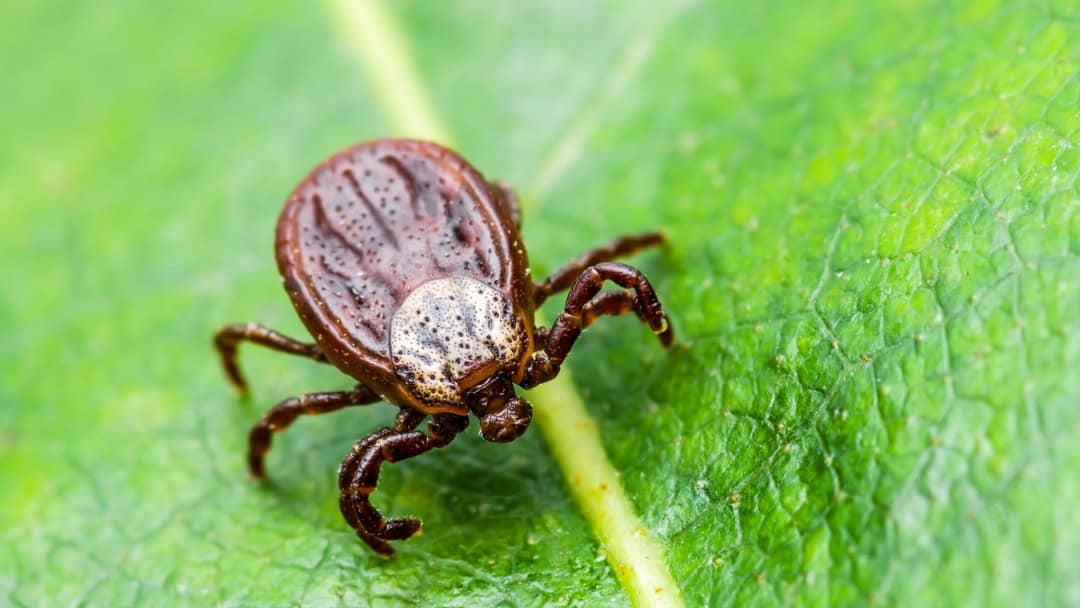

Diagnosed at seven years old, Romy has healed from chronic Lyme disease. She pretty much lives a typical teenage life. Amazing from where she started. Healing can happen.
Romy’s Journey
Romy was diagnosed at seven years old with chronic neuro-Lyme disease, Bartonella, Babesia, Mycoplasma, Chlamydia, EB, HV6, Strep, and multiple food and environmental allergies (IgE). She received Lyme congenitally from her mother, in utero, as well as receiving multiple exposures throughout her young life.
Pain and Tics
Romy lived with 26 excruciating pain areas all over her body – muscles, joints, literally any skin surface was painful to the touch. Romy had a very scary experience with a Lyme-induced seizure on New Year’s Eve in the beginning of her journey.
Full-body tics would prevent her from sleeping. At one point she could not run but “gallop” and drag her foot behind her. She experienced facial tics and vocal tics, very swollen/painful throat, fatigue, sensory integration dysfunction, food/environmental allergies, thermoregulation problems, blurry/sandy eyes, encephalitis, and inflammation in every joint.
Romy had to be carried or transported in a stroller, shopping cart, or wheelchair in order to prevent fire-like pain shooting up from her calves. This pain was so sharp and agonizing, she would scream.
Romy experienced paranoia, night terrors, clinginess, OCD, aggression, fears, anxiety, and poor executive functioning. She had a pounding, frontal headache for over two years.
Too Sick For School
When she was first diagnosed in 2nd grade, she was too sick to attend most of the school year. She was unable to concentrate or do anything other than rest and watch TV. For two years, she couldn’t sit in a normal seated position in a chair, as it would trigger pain. So, Romy would stand or sit on top of her legs for short spans of time. Attendance was spotty through elementary school.
The social cost was most challenging in 5th grade. Navigating through the latest social landscape after missing school for three weeks (or eight months) from a relapse was stressful.
Just a few years ago, her eyes would “skip” words when she read, and thoughts would race ahead of her, causing recall to be difficult. She experienced ADD symptoms, including a visual closure deficit, and the inability to regulate her processing speed.
Her mind would race too far ahead while reading, or slow down computing math problems. As a result, homework took three times as long to complete. She benefited from tutoring for two years to help her with gaps of knowledge missing from school absences. On occasion, she would repeat a thought to someone, not computing that she just said that a few minutes ago or the previous day.
Interventions
At the beginning, when Romy was diagnosed with chronic Lyme, antibiotics were the only thing that stopped the progression of the disease(s). So despite her initial mother’s resistance to use them, Romy received many courses of antibiotics. Soon, homeopathy proved to be an invaluable tool for Romy’s healing. Homeopathy was the only modality that was effective in reducing Romy’s agonizing pain.
After the microbial numbers were reduced to a more manageable level, herbs began to work. Romy utilized an important herbal protocol on top of antibiotics. Romy lost about 10 symptoms in one and a half months. After that, her family focused more on rebuilding and repair with supplements and other therapies.
Romy was on long term antibiotics along with comprehensive herbal and homeopathy protocols as well as a healthy diet and lifestyle approach.
Today
After years of tutor support and struggling academically (including doing homework with blurry vision, profound fatigue, headaches and brain fog), Romy is symptom-free and takes accelerated classes as a sophomore in high school. She’s also on the Constitution Team that competes with other high schools across the country.
Romy makes her diet and a healthy life-style top priority. She enjoys dance classes, kick boxing, rigorous workouts at the gym, and long walks on the weekend with her dog. She loves to cook with her dad and is a master at making green smoothies. Her family grows vegetables and cooks almost every night.
“Every day there are hundreds of articles published on diseases. No way our practitioners can be experts on everything like in the old days.”
Romy’s mother recalls what she learned from her daughter’s healing journey: “Modern living demands being open and recognizing we are all individuals toting our own special blend of disease, metabolic deficiencies, lifestyle factors, genetics, toxic exposure, emotional baggage, what have you. Modern living demands that we partake and manage our own health. Every day there are hundreds of articles published on diseases. No way our practitioners can be experts on everything like in the old days. As a result, we must take ownership of our health and research and read every day. We must bring our knowledge to the table.”
And finally, “She is our little burst of light and love. She has always been that way, so disarming. Even at her sickest, she could eek out a sweet smile, or weakly laugh at something funny. Simply everything is better with her here with us,” recalls Romy’s mother. Read more of Romy’s story here.
Still Looking for Answers?
Visit the Documenting Hope Practitioner Directory to find a practitioner near you.
Join us inside our online membership community for parents, Healing Together, where you’ll find even more healing resources, expert guidance, and a community to support you every step of your child’s healing journey.
Sources & References
Adom, M.B., et al. Chemical constituents and medical benefits of Plantago major. Biomed Pharmacother. 2017 Dec:96:348-360.
Akhgarjand, C., et al. Does Ashwagandha supplementation have a beneficial effect on the management of anxiety and stress? A systematic review and meta-analysis of randomized controlled trials. Phytother Res. 2022 Nov;36(11):4115-4124.
Ahmed, H.M., et al. Investigation of rosemary herbal extracts (Rosmarinus officinalis) and their potential effects on immunity. Phytother Res. 2020 Aug;34(8):1829-1837.
Allen, R.W., et al. Cinnamon use in type 2 diabetes: an updated systematic review and meta-analysis. Ann Fam Med. 2013 Sep-Oct;11(5):452-9.
Allio, A., et al. Bud extracts from Tilia tomentosa Moench inhibit hippocampal neuronal firing through GABAA and benzodiazepine receptors activation. J Ethnopharmacol. 2015 Aug 22:172:288-96.
Ankri, S., et al. Antimicrobial properties of allicin from garlic. Microbes Infect. 1999 Feb;1(2):125-9.
Arado, G.M., et al. Anti-inflammatory and/or immunomodulatory activities of Uncaria tomentosa (cat's claw) extracts: A systematic review and meta-analysis of in vivo studies. Front Pharmacol. 2024 May 31:15:1378408.
Arreola, R., et al. Immunomodulation and anti-inflammatory effects of garlic compounds. J Immunol Res. 2015:2015:401630.
Bodagh, M.N., et al. Ginger in gastrointestinal disorders: A systematic review of clinical trials. Food Sci Nutr. 2018 Nov 5;7(1):96-108.
Brock, C., et al. American Skullcap (Scutellaria lateriflora): a randomised, double-blind placebo-controlled crossover study of its effects on mood in healthy volunteers. Phytother Res. 2014 May;28(5):692-8.
Brorson, O., et al. Grapefruit seed extract is a powerful in vitro agent against motile and cystic forms of Borrelia burgdorferi sensu lato. Infection. 2007 Jun;35(3):206-8.
Corrier, D.E. Mycotoxicosis: mechanisms of immunosuppression. Vet Immunol Immunopathol. 1991 Nov;30(1):73-87.
Donelli, D., et al. Effects of lavender on anxiety: A systematic review and meta-analysis. Phytomedicine. 2019 Dec:65:153099.
Dooley, M., et al. Chronic inflammatory response syndrome: a review of the evidence of clinical efficacy of treatment. Chronic inflammatory response syndrome: a review of the evidence of clinical efficacy of treatment. Ann Med Surg (Lond). 2024 Nov 8;86(12):7248-7254.
Feng, J., et al. Evaluation of Natural and Botanical Medicines for Activity Against Growing and Non-growing Forms of B. burgdorferi. Front. Med., 21 Feb 2020.
Feng, J., et al. Selective Essential Oils from Spice or Culinary Herbs Have High Activity against Stationary Phase and Biofilm Borrelia burgdorferi. Front Med (Lausanne).2017 Oct 11;4:169.
Gadidala, S.K., et al. Effect of garlic extract on markers of lipid metabolism and inflammation in coronary artery disease (CAD) patients: A systematic review and meta-analysis. Phytother Res. 2023 Jun;37(6):2242-2254.
Ghazizadeh, G., et al. The effects of lemon balm (Melissa officinalis L.) on depression and anxiety in clinical trials: A systematic review and meta-analysis. Phytother Res. 2021 Dec;35(12):6690-6705.
Givol, O., et al. A systematic review of Calendula officinalis extract for wound healing. Wound Repair Regen. 2019 Sep;27(5):548-561.
Hawkins, J., et al. Black elderberry (Sambucus nigra) supplementation effectively treats upper respiratory symptoms: A meta-analysis of randomized, controlled clinical trials. Complement Ther Med. 2019 Feb:42:361-365.
He, Y., et al. Curcumin, inflammation, and chronic diseases: how are they linked? Molecules. 2015 May 20;20(5):9183-213.
Horowitz, R.I., et al. Precision Medicine: The Role of the MSIDS Model in Defining, Diagnosing, and Treating Chronic Lyme Disease/Post Treatment Lyme Disease Syndrome and Other Chronic Illness: Part 2. Healthcare (Basel). 2018 Nov 5;6(4):129.
Janda, K., et al. Passiflora incarnata in Neuropsychiatric Disorders-A Systematic Review. Nutrients. 2020 Dec 19;12(12):3894.
Kim, S.K., et al. Hypoglycemic efficacy and safety of Momordica charantia (bitter melon) in patients with type 2 diabetes mellitus. Complement Ther Med. 2020 Aug:52:102524.
Kongkeaw, C., et al. Meta-analysis of randomized controlled trials on cognitive effects of Bacopa monnieri extract. J Ethnopharmacol. 2014;151(1):528-35.
Kovalchuka, L., et al. Associations of HLA DR and DQ molecules with Lyme borreliosis in Latvian patients. BMC Res Note. 2012 Aug 14:5:438.
Kraft, S., et al. Mold, Mycotoxins and a Dysregulated Immune System: A Combination of Concern? Int J Mol Sci. 2021 Nov 12;22(22):12269.
Lacout, A., et al. The Persistent Lyme Disease: "True Chronic Lyme Disease" rather than "Post-treatment Lyme Disease Syndrome". J Glob Infect Dis. 2018 Jul-Sep;10(3):170-171.
Li, C., et al. The potential of plant extracts in cell therapy. Stem Cell Res Ther. 2022 Sep 14;13(1):472.
Li, Y., et al. The potential of dandelion in the fight against gastrointestinal diseases: A review. J Ethnopharmacol. 2022 Jul 15:293:115272.
Li, Z., et al. Ginger for treating nausea and vomiting: an overview of systematic reviews and meta-analyses. Int J Food Sci Nutr. 2024 Mar;75(2):122-133.
Liu, Q., et al. Antibacterial and Antifungal Activities of Spices. Int J Mol Sci. 2017 Jun 16;18(6):1283.
Lopresti, A.L., et al. A randomized, double-blind, placebo-controlled trial investigating the effects of an Ocimum tenuiflorum (Holy Basil) extract (HolixerTM) on stress, mood, and sleep in adults experiencing stress. Front Nutr. 2022 Sep 2:9:965130.
Mao, J.J., et al. Long-Term Chamomile Therapy of Generalized Anxiety Disorder: A Study Protocol for a Randomized, Double-Blind, Placebo- Controlled Trial. J Clin Trials. 2014 Nov;4(5):188.
Motz, V.A., et al. The effectiveness of jewelweed, Impatiens capensis, the related cultivar I. balsamina and the component, lawsone in preventing post poison ivy exposure contact dermatitis. J Ethnopharmacol. 2012 Aug 30;143(1):314-8.
Najafian, Y., et al. Plantago major in Traditional Persian Medicine and modern phytotherapy: a narrative review. Electron Physician. 2018 Feb 25;10(2):6390-6399.
Padula, W.V., et al. Peripapillary ischemia as a potential screening biomarker for early detection of tick-borne infection. Int J Infect Dis. 2023 Aug:133:5-8.
Przybyszewska, J., et al. The role and therapeutic effectiveness of Plantago ovata husk (psyllium husk) in the prevention and non-pharmacological treatment of gastrointestinal diseases. Part 2. Clinical use of psyllium husk in the treatment of constipation and diarrhea. Prz Gastroenterol. 2025;20(2):121-126.
Rebman, A.W., et al. Post-treatment Lyme Disease as a Model for Persistent Symptoms in Lyme Disease. Front Med (Lausanne). 2020 Feb 25:7:57.
Saadatmand, S., et al. The Effect of Oral Chamomile on Anxiety: A Systematic Review of Clinical Trials. Clin Nutr Res. 2024 Apr 23;13(2):139-147.
Saeidnia, S., et al. A review on phytochemistry and medicinal properties of the genus Achillea. Daru. 2011;19(3):173-86.
Scarpellini, E., et al. The Use of Peppermint Oil in Gastroenterology. Curr Pharm Des. 2023;29(8):576-583.
Siddiqui, M.Z. Boswellia serrata, a potential antiinflammatory agent: an overview. Indian J Pharm Sci. 2011 May;73(3):255-61.
Staiger, C. Comfrey: a clinical overview. Phytother Res. 2012 Oct;26(10):1441-8.
Theophilus, P.A., et al. Effectiveness of Stevia Rebaudiana Whole Leaf Extract Against the Various Morphological Forms of Borrelia Burgdorferi in Vitro. Eur J Microbiol Immunol (Bp). 2015 Nov 12;5(4):268-80.
Vassiliou, E., et al. Anti-Inflammatory and Antimicrobial Properties of Thyme Oil and Its Main Constituents. Int J Mol Sci. 2023 Apr 8;24(8):6936.
Wang, S., et al. Positive Role of Chinese Herbal Medicine in Cancer Immune Regulation. Am J Chin Med. 2020;48(7):1577-1592.
Wieland, S.L., et al. Elderberry for prevention and treatment of viral respiratory illnesses: a systematic review. BMC Complement Med Ther. 2021 Apr 7;21(1):112.
Wu, K.L., et al. Effects of ginger on gastric emptying and motility in healthy humans. Effects of ginger on gastric emptying and motility in healthy humans. Eur J Gastroenterol Hepatol. 2008 May;20(5):436-40.
Zhang, J., et al. [Study on Panax notoginseng mobilizing marrow stem cells efferens efficiency of acute myocardial infarction in rats]. Zhongguo Zhong Yao Za Zhi. 2009 Apr;34(7):893-5.
Zheng, H., et al. Total saponins of Panax notoginseng enhance VEGF and relative receptors signals and promote angiogenesis derived from rat bone marrow mesenchymal stem cells. J Ethnopharmacol. 2013 Jun 3;147(3):595-602.
Zhi, Z., et al. Enhancement of innate and adaptive immune functions by multiple Echinacea species. J Med Food. 2007 Sep;10(3):423-34.