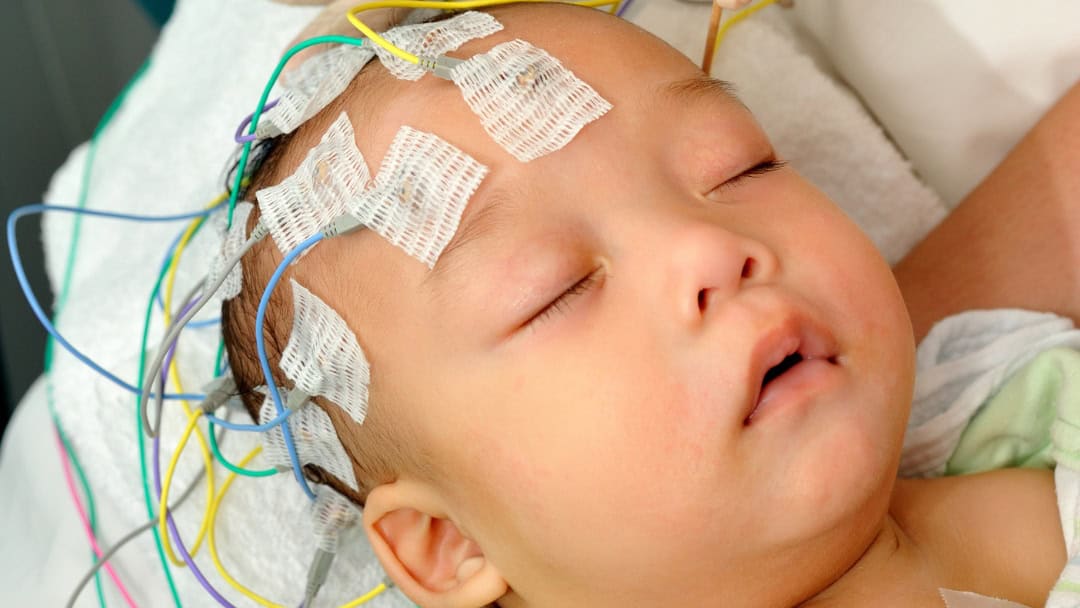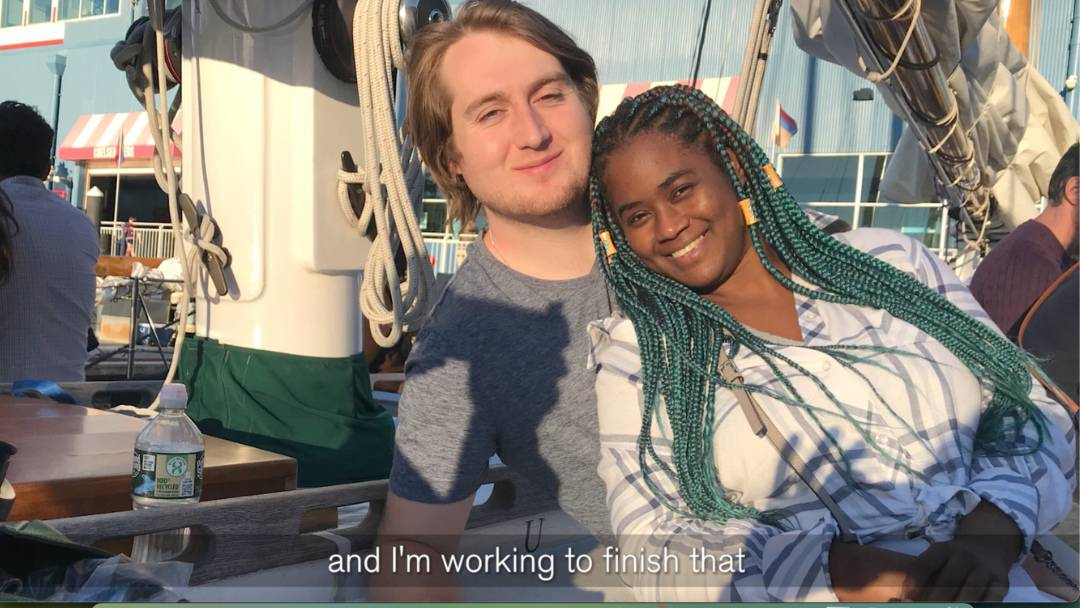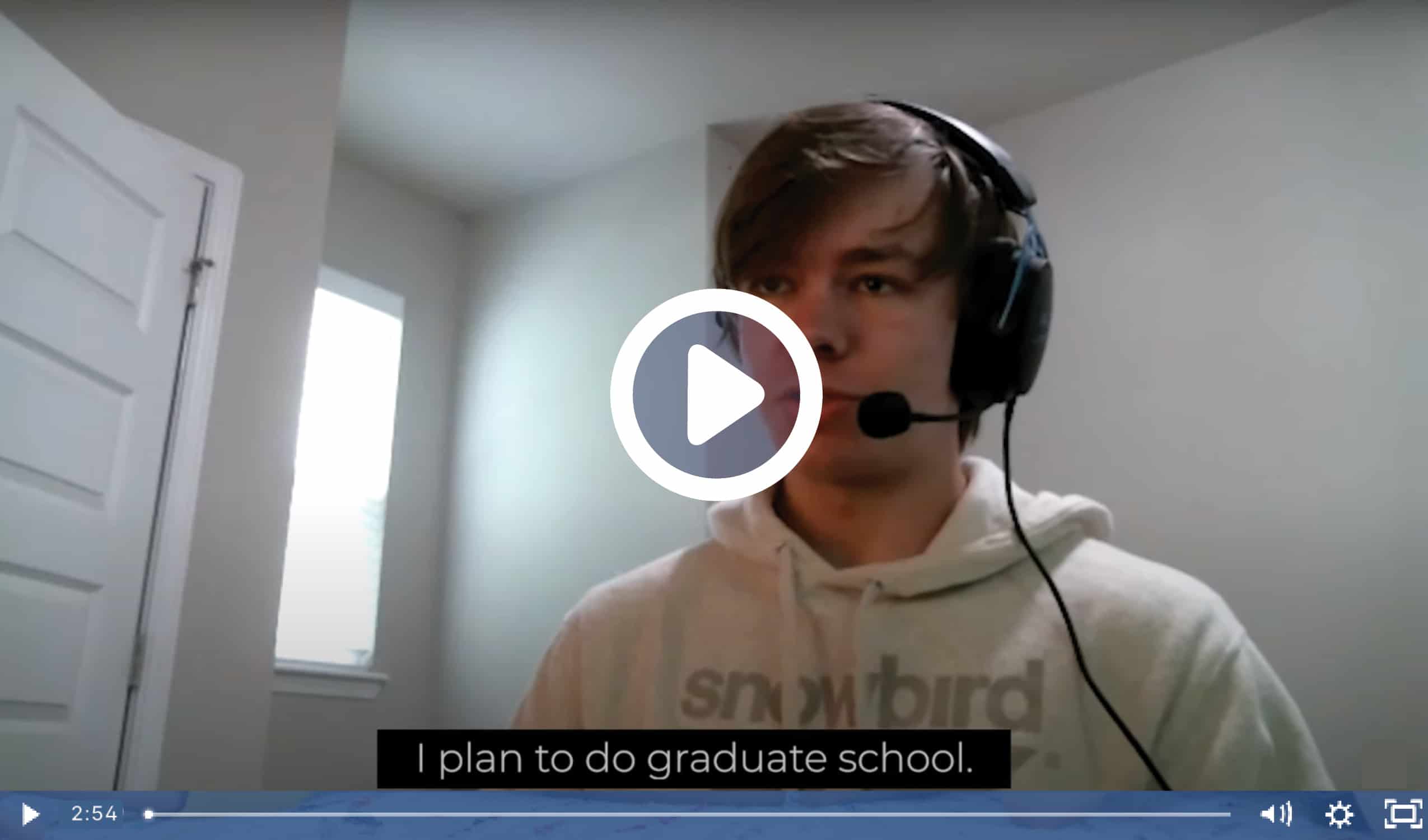
I helped my son heal through stages of epilepsy, which he is now fully recovered after four years of effort. He’s fine. Totally fine. There is hope. There is absolutely hope.
Serge was about four years old, and he and I went for a walk on the beach and he had a grand mal seizure. And that was really the beginning of this whole program.
The Doctors Didn’t Know How to Help
My mother was told I had autism. My father was told I had Huntington’s chorea, that I wouldn’t live past the age of eight. When I lived past the age of eight, I wouldn’t live past the age of 12.
And really, the only support that my parents were getting from Children’s Hospital in Boston was medication. More medication, more medication, different combinations medications, and no medical cocktail that they were able to come up with was ever able to prevent me from having seizures.
I can remember driving into Boston very often with tears just streaming down my cheeks because I was so upset about the fact that we weren’t making a whole lot of progress. It was a devastating time.
The Turning Point
The turning point I think came after about three and a half or four years. We went to two people, and they treated kids who had neurological issues. We went down there and spent a week living in a motel, and they had Sarge all day long, and they were fabulous. They were not doctors, but they certainly knew what they were doing.
And they watched Sarge for a week constantly. And when we left a week later, they gave us endless instructions.
“The Program”
I went home, and I had a a woodshop and built built a brachiating ladder. This is to teach hand-eye coordination. They would have the kids walk hand-over-hand down this ladder, turn around, and come back. He did that all the time. He did that over and over again during the day. He’d do somersaults over it. He was patterned over and over again. He was suspended and twisted over and over again.
We had a a blackboard, and everything was listed on the blackboard. As we went through this routine, we checked off what we’d done. We called it “the program.”
The Work Paid Off
During this time, we were cutting back on his medications. September came, we felt that that he was fixed and he was fixed. He never had another seizure. He started school in September, and that was the end of the story.
Sarge Describes the Transformation
I went from being the child who was drooling all over his paperwork and severely toxic on all these drugs. My eyes were nearly swollen shut because of the toxicity. My gums overgrew my teeth. So I used to have to go into the dentist, and he would just cut my gums back to expose my teeth again, but unable to give me any medication because he could have slipped me into a coma because of the level of medication I was already on. So that was done without pain medication. It was an incredibly difficult, challenging childhood.
But I went from being that severe kid with severe learning disabilities and just completely uncoordinated to doing really well academically and being the captain of a couple of the teams that I was on and and socially fine in about four years time.
Attitude Made a Difference
I always always felt very proud of how he handled it. He just went at it full speed ahead. That made me very proud of him. He did a terrific job.
I think he knew that he was missing a lot, and I think he just was determined to get himself better. He had the mental attitude: “Damn it. I can do this. And I’m gonna do it.” And he did it.
Now Sarge Helps Others Heal
I’ve been in the really fortunate position for, I believe, it’s 28 years now, to be able to use these same techniques to help lots of other families make similar recoveries for their kids.
I worked with a boy named Alex, who felt very much like a boy, but when he started working with us, was over 30 years old and severe autism, very overweight, no language, and we worked intensively with him, and he was able to go out on runs, he was playing kickball, he was telling jokes, He could discuss what he had done the previous day. So he didn’t make a full recovery, but at at 30, he made massive strides.
I’m working with kids who have institutional trauma and attachment and bonding disorders, who are just making incredible strides. It doesn’t matter what the diagnosis is. You’re looking at a dysfunction in the brain, and you’re looking at how that dysfunction is presenting. And you can change that at any age.
Don’t Give Up
I kept saying he’s gonna get better. He just has to get better. She thought he might end up in an institution. I don’t think I ever thought that. I thought that somehow we’d get him fixed, and we did.
I think it was a combination of really hard work, five years of effort, and it worked for us. So don’t give up. Don’t give up.
Learn the Top Five Things Sarge’s Parents Did
Click the button below to learn more about what Sarge’s parents did to help him overcome his most-challenging symptoms.
Still Looking for Answers?
Visit the Documenting Hope Practitioner Directory to find a practitioner near you.
Join us inside our online membership community for parents, Healing Together, where you’ll find even more healing resources, expert guidance, and a community to support you every step of your child’s healing journey.
Sources & References
American Academy of Neurology. Cannabis-based medicine may cut seizures in half for those with tough-to-treat epilepsy. 2017 Apr 18.
Ari, C., et al. Delaying latency to hyperbaric oxygen-induced CNS oxygen toxicity seizures by combinations of exogenous ketone supplements. Physiol Rep. 2019 Jan;7(1):e13961.
Bertelsen, E.N., et al. Childhood Epilepsy, Febrile Seizures, and Subsequent Risk of ADHD. Pediatrics. 2016 Aug;138(2). pii: e20154654.
Bigi, S., et al. The growing spectrum of antibody-associated inflammatory brain diseases in children. Neurol Neuroimmunol Neuroinflamm. 2015 Apr 2;2(3):e92.
Bochynska, A., et al. The effect of vitamin B supplementation on homocysteine metabolism and clinical state of patients with chronic epilepsy treated with carbamazepine and valproic acid. Seizure. 2012 May;21(4):276-81.
Chakravarthi, N., et al. A switch in G protein coupling for type 1 corticotropin-releasing factor receptors promotes excitability in epileptic brains. Sci Signal. 2016 Jun 14;9(432):ra60.
Chang, P., et al. Seizure control by ketogenic diet-associated medium chain fatty acids. Neuropharmacology. 2013 Jun;69:105-14.
Chapman, G. Glutamate and epilepsy. J Nutr. 2000 Apr;130(4S Suppl):1043S-5S.
Cipriano, P.M. Autoimmune Epilepsy Temporally Associated With Lyme Disease: A Report of Two Cases. Cureus. 2026 Mar 14;18(3):e105228.
Cocito, L., et al. GABA and phosphatidylserine in human photosensitivity: a pilot study. Epilepsy Res. 1994 Jan;17(1):49-53.
DeHavenon, A., et al. The Secret “Spice”: An Undetectable Toxic Cause of Seizure. Neurohospitalist. 2011 Oct; 1(4): 182–186.
Devinsky, O., et al. Trial of Cannabidiol for Drug-Resistant Seizures in the Dravet Syndrome. N Engl J Med. 2017 Aug 17;377(7):699-700.
Dick, F.D. Solvent neurotoxicity. Occup Environ Med. 2006 Mar; 63(3): 221–226.
D'Souza, C.E., et al. GAD65 antibody-associated autoimmune epilepsy with unique independent bitemporal-onset ictal asystole. Epileptic Disord. 2018 Jun 1;20(3):204-208.
Erturk, C.O., et al. EEG abnormalities and long term seizure outcome in high functioning autism. Acta Neurol Belg. 2017 Sep;117(3):729-732.
Ferreira, P., et al. Late diagnosis of cerebral folate deficiency: Fewer seizures with folinic acid in adult siblings. Neurol Genet. 2015 Dec 22;2(1):e38.
Fregni, F., et al. A randomized clinical trial of repetitive transcranial magnetic stimulation in patients with refractory epilepsy. Ann Neurol. 2006 Oct;60(4):447-55.
Frye, R., et al. A Review of Traditional and Novel Treatments for Seizures in ADD: Findings from a Systematic Review and Expert Panel. Front Public Health. 2013 Sep 13;1:31.
Frye, R.E., et al. Seizures in Autism Spectrum Disorder: Symptoms, Assessment, and Treatment. Autism File. 2016 Feb-Mar, Issue 66.
Fukahori, M., et al. Effects of dietary zinc status on seizure susceptibility and hippocampal zinc content in the El (epilepsy) mouse. Brain Res. 1990 Oct 8;529(1-2):16-22.
Geier, M.R., et al. The potential importance of steroids in the treatment of autistic spectrum disorders and other disorders involving mercury toxicity. Med Hypotheses. 2005;64(5):946-54.
Hassel, B., et al. Brain infection with Staphylococcus aureus leads to high extracellular levels of glutamate, aspartate, γ-aminobutyric acid, and zinc. J Neurosci Res. 2014 Dec;92(12):1792-800.
Hausman-Kedem, M., et al. Efficacy of CBD-enriched medical cannabis for treatment of refractory epilepsy in children and adolescents - An observational, longitudinal study. Brain Dev. 2018 Aug;40(7):544-551.
Herbert, M.R., et al. Autism and EMF? Plausibility of a pathophysiological link - Part I. Pathophysiology. 2013 Jun;20(3):191-209.
Hollo, A., et al. Correction of vitamin D deficiency improves seizure control in epilepsy: a pilot study. Epilepsy Behav. 2012 May;24(1):131-3.
Huang, Y., et al. Pyridoxine Supplementation Improves the Activity of Recombinant Glutamate Decarboxylase and the Enzymatic Production of Gama-Aminobutyric Acid. PLoS One. 2016 Jul 20;11(7):e0157466.
Humphries, P., et al. Direct and indirect cellular effects of aspartame on the brain. Eur J Clin Nutr. 2008 Apr;62(4):451-62.
Ibrahim, F.A.S., et al. The differential effects of eicosapentaenoic acid (EPA) and docosahexaenoic acid (DHA) on seizure frequency in patients with drug-resistant epilepsy - A randomized, double-blind, placebo-controlled trial. Epilepsy Behav. 2018 Aug 28;87:32-38.
Irevall, T., et al. B12 deficiency is common in infants and is accompanied by serious neurological symptoms. Acta Paediatr. 2017 Jan;106(1):101-104.
Jang, D.H., et al. Status epilepticus and wide-complex tachycardia secondary to diphenhydramine overdose. Clin Toxicol (Phila). 2010 Nov;48(9):945-8.
Jett, D.A. Chemical toxins that cause seizures. Neurotoxicology. 2012 Dec;33(6):1473-5.
Johansson, O., et al. Exacerbation of demyelinating syndrome after exposure to wireless modem with public hotspot. Electromagn Biol Med. 2016;35(4):393-7.
Johnson, A.C., et al. Magnesium sulfate treatment reverses seizure susceptibility and decreases neuroinflammation in a rat model of severe preeclampsia. PLoS One. 2014 Nov 19;9(11):e113670
Julian, T., et al. Gluten sensitivity and epilepsy: a systematic review. J Neurol. 2018 Aug 23.
Klein, P., et al. Dietary treatment in adults with refractory epilepsy: a review. Neurology. 2014 Nov 18;83(21):1978-85.
Kossoff, E.H., et al. Optimal clinical management of children receiving dietary therapies for epilepsy: Updated recommendations of the International Ketogenic Diet Study Group. Epilepsia Open. 2018 Jun; 3(2): 175–192.
Koutroumanidou, E., et al. Increased seizure latency and decreased severity of pentylenetetrazol-induced seizures in mice after essential oil administration. Epilepsy Res Treat. 2013;2013:532657.
Kr, Pandy Shashi, et al. Herbal and synthetic approaches for the treatment of epilepsy. Intl Journal of Nutrition, Pharmacology and Herbal Medicine. 2014;4(1):43-52.
Kubik, P., et al. [Neurofeedback therapy influence on clinical status and some EEG parameters in children with localized epilepsy]. Przegl Lek. 2016;73(3):157-60.
Luo, P., et al. The role of glutamate receptors in traumatic brain injury: implications for postsynaptic density in pathophysiology. Brain Res Bull. 2011 Jul 15;85(6):313-20.
Manev, H., et al. Delayed increase of Ca2+ influx elicited by glutamate: role in neuronal death. Mol Pharmacol. 1989 Jul;36(1):106-12.
Masdaghinia, A., et al. Anticonvulsant effects of thiamine on pentylenetetrazole-induced seizure in mice. Nutr Neurosci. 2017 Aug 2:1-9.
McCue, L.M., et al. Prevalence of non-febrile seizures in children with idiopathic autism spectrum disorder and their unaffected siblings: a retrospective cohort study. BMC Neurol. 2016 Nov 28;16(1):245.
Menon, B., et al. The effect of anti epileptic drug therapy on serum 25-hydroxyvitamin D and parameters of calcium and bone metabolism--a longitudinal study. Seizure. 2010 Apr;19(3):153-8.
Napoli, E., et al. Toxicity of the flame-retardant BDE-49 on brain mitochondria and neuronal progenitor striatal cells enhanced by a PTEN-deficient background. Toxicol Sci. 2013 Mar;132(1):196-210.
Nei, M., et al. Ketogenic diet in adolescents and adults with epilepsy. Seizure. 2014 Jun;23(6):439-42.
Ogunmekan, A.O. Vitamin E deficiency and seizures in animals and man. Can J Neurol Sci. 1979 Feb;6(1):43-5.
Olson, C.A., et al. The Gut Microbiota Mediates the Anti-Seizure Effects of the Ketogenic Diet. Cell. 2018 Jul 12;174(2):497.
Ozkale, Y., et al. Serum vitamin B12, folic acid, and homocysteine levels in children with febrile seizure. Turk J Pediatr. 2015 Jul-Aug;57(4):345-52.
Park, E.G., et al. Use of the Modified Atkins Diet in Intractable Pediatric Epilepsy. J Epilepsy Res. 2018 Jun 30;8(1):20-26.
Pickett, J., et al. Mortality in Individuals With Autism, With and Without Epilepsy. J Child Neurol. 2011 Aug;26(8):932-9.
Qi, J., et al. Enhanced susceptibility to stress and seizures in GAD65 deficient mice. PLoS One. 2018 Jan 29;13(1):e0191794.
Quadros, E.V., et al. Folate receptor autoantibodies are prevalent in children diagnosed with autism spectrum disorder, their normal siblings and parents. Autism Res. 2018 May;11(5):707-712.
Reda, D.M., et al. Fish Oil Intake and Seizure Control in Children with Medically Resistant Epilepsy. N Am J Med Sci. 2015 Jul;7(7):317-21.
Rout, U.K., et al. Presence of GAD65 autoantibodies in the serum of children with autism or ADHD. Eur Child Adolesc Psychiatry. 2012 Mar;21(3):141-7.
Rowley, N.M., et al. Glutamate and GABA synthesis, release, transport and metabolism as targets for seizure control. Neurochem Int. 2012 Sep;61(4):546-58.
Sai, Y., et al. Clinical diagnosis and treatment of pediatric anti-N-methyl-D-aspartate receptor encephalitis: A single center retrospective study. Exp Ther Med. 2018 Aug;16(2):1442-1448.
Schauwecker, P.A. The effects of glycemic control on seizures and seizure-induced excitotoxic cell death. BMC Neurosci. 2012 Aug 6;13:94.
Schugar, R.C., et al. Low-carbohydrate ketogenic diets, glucose homeostasis, and nonalcoholic fatty liver disease. Curr Opin Clin Nutr Metab Care. 2012 Jul; 15(4): 374–380.
Schwartzkroin, P.A. (Ed.) Encyclopedia of basic epilepsy research. UK, Academic Press/Elsevier (2009), pp. 519-522.
Spatola, M., et al. Seizures and risk of epilepsy in autoimmune and other inflammatory encephalitis. Curr Opin Neurol. 2017 Jun;30(3):345-353.
Stockings, E., et al. Evidence for cannabis and cannabinoids for epilepsy: a systematic review of controlled and observational evidence. J Neurol Neurosurg Psychiatry. 2018 Jul;89(7):741-753.
Strehl, U., et al. Sustained reduction of seizures in patients with intractable epilepsy after self-regulation training of slow cortical potentials - 10 years after. Front Hum Neurosci. 2014 Aug 8;8:604.
Suvasini, S., et al. The Modified Atkins Diet in Refractory Epilepsy. Epilepsy Res Treat. 2014; 2014: 404202.
Tan, G., et al. Meta-analysis of EEG biofeedback in treating epilepsy. Clin EEG Neurosci. 2009 Jul;40(3):173-9.
Taub, K.S., et al. Risk of seizure recurrence after achieving initial seizure freedom on the ketogenic diet. Epilepsia. 2014 Apr;55(4):579-83.
Taubøll, E., et al. Interactions between hormones and epilepsy. Seizure. 2015 May;28:3-11.
Theoharides, T.C., et al. Neuro-inflammation, blood-brain barrier, seizures and autism. J Neuroinflammation. 2011 Nov 30:8:168.
Thomas, S., et al. Brief Report: Prevalence of Co-occurring Epilepsy and Autism Spectrum Disorder: The U.S. National Survey of Children's Health 2011-2012. J Autism Dev Disord. 2017 Jan;47(1):224-229.
Tu, Y.F., et al. Postnatal Steroids and Febrile Seizure Susceptibility in Preterm Children. Pediatrics. 2016 Apr;137(4). pii: e20153404.
van Koert, R.R., et al. Caffeine and seizures: A systematic review and quantitative analysis. Epilepsy Behav. 2018 Mar;80:37-47.
Walker, J.E., et al. Neurofeedback treatment of epilepsy. Child Adolesc Psychiatr Clin N Am. 2005 Jan;14(1):163-76, viii.
Walls, A.B., et al. GAD65 is essential for synthesis of GABA destined for tonic inhibition regulating epileptiform activity. J Neurochem. 2010 Dec;115(6):1398-408.
Watkins, J.C., et al. The glutamate story. Br J Pharmacol. 2006 Jan; 147(Suppl 1): S100–S108.
Wei, H., et al. Auricular Acupuncture May Suppress Epileptic Seizures via Activating the Parasympathetic Nervous System: A Hypothesis Based on Innovative Methods. Evid Based Complement Alternat Med. 2012; 2012: 615476.
West, R.W., et al. The effect of color on light-induced seizures: a case report. Optom Vis Sci. 1996 Feb;73(2):109-13.
Westmark, C.J. Soy infant formula and seizures in children with autism: a retrospective study. PLoS One. 2014 Mar 12;9(3):e80488.
Wiggs, K.K., et al. Attention-deficit/hyperactivity disorder medication and seizures. Neurology. 2018 Mar 27;90(13):e1104-e1110.
Wilkins, A.J., et al. Treatment of photosensitive epilepsy using coloured glasses. Seizure. 1999 Dec;8(8):444-9.
Zifkin, E.G. , et al. Reflex epilepsy and reflex seizures of the visual system: a clinical review. Epileptic Disord. 2000 Sep;2(3):129-36.