We interviewed William Walsh PhD, an internationally recognized expert in the field of nutritional medicine and a key scientist paving the way for nutrient-based psychiatry and nutritional medicine, about the neuroscience and genetics of bipolar disorder. You can watch the replay below. Please note that you will be asked to provide your email address at the 30-minute mark to continue viewing the replay.
What Is Bipolar Disorder?
Bipolar disorder used to be known as manic depression. It is a mental-health condition characterized by extreme mood swings that include emotional highs (mania or hypomania) and lows (depression). These mood episodes can last from days to weeks or even months and significantly affect energy levels, thinking, behavior, and daily functioning. Manic episodes involve abnormally elevated or irritable mood, increased energy, reduced need for sleep, racing thoughts, impulsivity, and risky behavior, while depressive episodes feature persistent sadness, loss of interest, fatigue, and feelings of worthlessness. The typical age of onset is in the mid-20’s.
In This Expert Interview
William Walsh PhD’s book, The Essence of Bipolar Disorder Based on Progress in Neuroscience and Genetics, will provide the framework for this expert interview. Dr. Walsh will help us to answer the following questions:
- What is bipolar disorder?
- What are common triggers of bipolar disorder’s mania/depression cycling?
- What are typical treatments of bipolar disorder?
- Can lithium help with bipolar disorder? If so, what form?
- How do genetics influence the development of bipolar disorder?
- What role does oxidative stress have on bipolar disorder?
- What role(s) do neurotransmitters play in bipolar disorder cycling and/or treatment?
- What role(s) do voltage-gated calcium, potassium and sodium channels have on bipolar disorder?
- What role(s) do switching neurotransmitters play in bipolar disorder?
- What is the new comprehensive theory of bipolar disorder?
- How can loved ones use this new theory to help their family members with bipolar disorder?
Key Discussions
The Root Cause of Bipolar Disorder: A Channelopathy Involving Ion Channels and DNA Damage
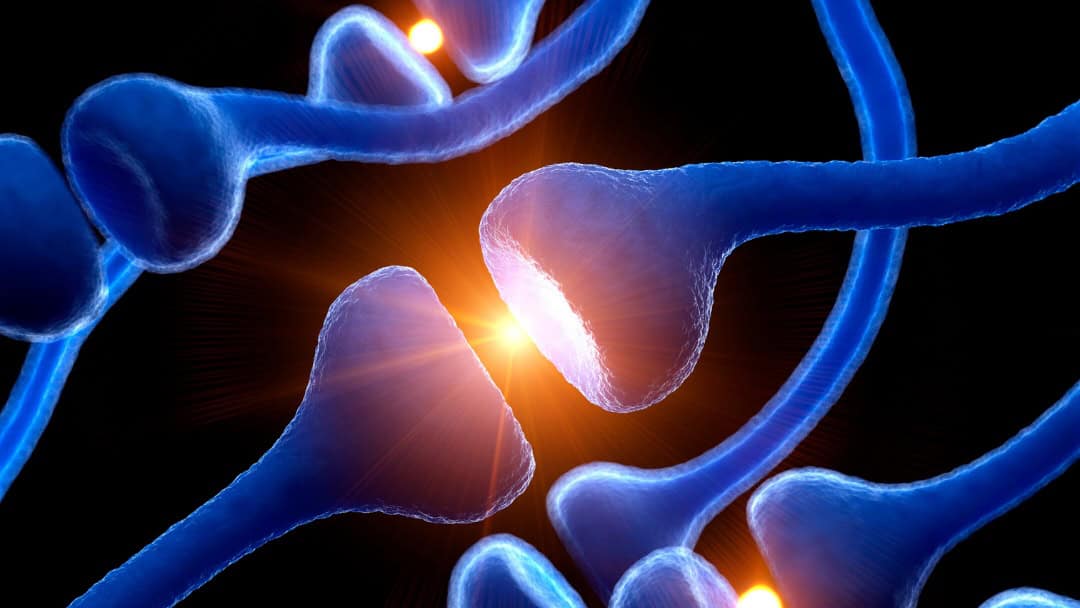
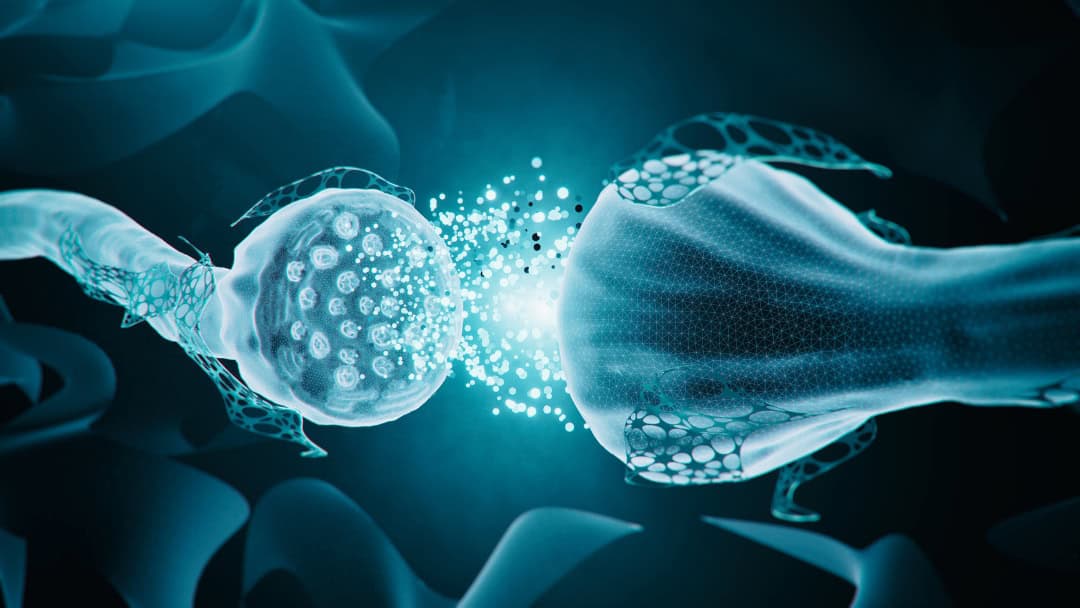
William Walsh PhD shared his research indicating that bipolar disorder is not a typical neurochemical imbalance, but rather a “channelopathy”—a disorder of ion channels in the brain. This channelopathy stems from a unique combination of inherited weaknesses in ion channel genes and severe oxidative (free radical) assault that damages DNA. This new understanding moves beyond symptom treatment to highlighting the underlying mechanisms of the disorder.
Genetics and Heritability of Bipolar Disorder
The discussion emphasized that bipolar disorder is the most heritable major mental illness, often found in families and passed to children at high rates. However, genetic analyses historically struggled to pinpoint specific causative genes until researchers identified a group of genetic varians with small cumulative effects rather than any single dominant mutation. This underscores the genetic complexity and argues against a “one gene, one disease” model for bipolar.
The Cycle of Mania and Depression: Neurotransmitter Involvement and Mechanism
A distinctive feature of bipolar disorder is the cycling between mania and depression. Dr. Walsh explained that new neuroscience research reveals this switching can be attributed to ion channel dysfunction that affects neurotransmitter systems, particularly the serotonin system. Ion channel mutations disrupt the regulation of neuronal firing and neurotransmitter activity, leading to the cyclical pattern. This new view sheds light on why many conventional treatments have limited long-term efficacy.
New Directions for Treatment and Prevention
With a clearer understanding of the role of oxidative stress and DNA damage alongside ion channel mutations, the interview highlighted a dual approach: targeted antioxidant therapy to reduce oxidative stress and potential future treatments to address ion channel dysfunction. Dr. Walsh noted that clinical and lab testing can now identify at-risk children, opening the possibility for early interventions and even potential prevention in those with a family history of bipolar disorder.
The Importance of Individualized, Evidence-Based Approaches in Psychiatry
Dr. Walsh stressed that there is no one-size-fits-all solution—especially in brain chemistry and mental health. Bipolar disorder is heterogeneous, and every patient is a unique case, requiring personalized treatment plans. Dr. Walsh advocates for individualized biochemical assessments and interventions, and his institute trains medical professionals worldwide on how to apply these methods effectively. He cautioned against broad untested supplementation, highlighting the necessity for scientific rigor and outcome studies in clinical practice.
About William Walsh PhD
William J. Walsh, PhD, FACN, president of the non-profit Walsh Research Institute, is an internationally recognized expert in the field of nutritional medicine and a key scientist paving the way for nutrient-based psychiatry and nutritional medicine. Over the past 30 years, Dr. Walsh has developed biochemical treatments for patients diagnosed with behavioral disorders, attention deficit (hyperactivity) disorder, autism, clinical depression, anxiety, bipolar disorders, schizophrenia, and Alzheimer’s disease that are used by doctors throughout the world.
He has designed nutritional programs for Olympic athletes, NBA players, major league baseball players, a heavyweight boxing champion, PGA and LPGA golfers, and others. His book, Nutrient Power: Heal Your Biochemistry and Heal Your Brain (Skyhorse Publishing, 2014, 2012), describes the evidence-based nutrient therapy system.

Dr. Walsh’s noted accomplishments include: (a) groundbreaking studies reporting reduced violent behavior following nutrient therapy, (b) the 1999 discovery of undermethylation and copper/zinc imbalances in autism, (c) the 2000 finding of metallothionein protein depletion in autism, (d) the 2007 published study linking copper overload and post-partum depression, (e) the identification of five biochemical subtypes of clinical depression, (f) the 2011 development of the Walsh Theory of Schizophrenia, and (g) the direction of the Beethoven Research Project that revealed that the composer suffered from severe lead poisoning.
In addition to Dr. Walsh’s ongoing research studies, he has led medical practitioner training programs in advanced, drug-free biochemical/nutrient therapies in Australia, Ireland, Norway, the United States and other countries. Dr. Walsh is a frequently invited guest lecturer having given more than 200 presentations at regional, national and international conferences and symposiums, including the American Psychiatric Association, the U.S. Senate, and the National Institutes of Mental Health. He has authored numerous peer-reviewed journal articles and scientific reports, as well as been granted five patents. You can find out more about Dr. Walsh’s work at https://www.walshinstitute.org/
Disclaimer
This expert interview is not a substitute for medical advice, treatment, diagnosis, or consultation with a medical professional. It is intended for general informational purposes only and should not be relied on to make determinations related to treatment of a medical condition. Documenting Hope has not verified and does not guaranty the accuracy of the information provided in this expert interview.
Still Looking for Answers?
Visit the Documenting Hope Practitioner Directory to find a practitioner near you.
Join us inside our online membership community for parents, Healing Together, where you’ll find even more healing resources, expert guidance, and a community to support you every step of your child’s healing journey.
Sources & References
Aas, M., et al. The role of childhood trauma in bipolar disorders. Int J Bipolar Disord. 2016 Dec;4(1):2.
Agarkar, S., et al. Use of transcranial magnetic stimulation in bipolar disorder. J Neuropsychiatry Clin Neurosci. 2011 Spring;23(2):E12-3.
Andreazza, A.C., et al. DNA damage in bipolar disorder. Psychiatry Res. 2007 Sep 30;153(1):27-32.
Andreazza, A.C., et al. Mitochondrial complex activity and oxidative to mitochondrial proteins in the prefrontal cortex of patients with bipolar disorder. Arch Gen Psychiatry. 2010 Apr;67(4):360-8.
Andreazza, A.C., et al. Oxidative stress markers in bipolar disorder: a meta-analysis. J Affect Disord. 2008 Dec;111(2-3):135-44.
Antao, H.S., et al. Omega-3 index as risk factor in psychiatric diseases: a narrative review. Front Psychiatry. 2023 Jul 28:14:1200403.
Argue, B.M.R., et al. Immune dysregulation in bipolar disorder. J Affect Disord. 2025 Apr 1:374:587-597.
Ashok, A.H., et al. The dopamine hypothesis of bipolar affective disorder: the state of the art and implications for treatment. Mol Psychiatry. 2017 May;22(5):666-679.
Baker, S .James Greenblatt, MD, Psychiatry Redefined. Integr Med (Encinitas). 2023 Jul;22(3):18–20.
Balanzá-Martínez, V., et al. Lifestyle-based interventions targeting neurocognition in bipolar disorders - a systematic review of randomized controlled trials. Psychiatry Res. 2025 Sep:351:116618.
Balanzá-Martínez, V., et al. Therapeutic use of omega-3 fatty acids in bipolar disorder.Expert Rev Neurother. 2011 Jul;11(7):1029-47.
Benedetti, F., et al. Neuroinflammation in Bipolar Depression. Front Psychiatry. 2020 Feb 26:11:71.
Berk, M., et al. Dopamine dysregulation syndrome: implications for a dopamine hypothesis of bipolar disorder. Acta Psychiatr Scand Suppl. 2007:(434):41-9.
Berry, E.A., et al. National estimates of the inpatient burden of pediatric bipolar disorder in the United States. J Ment Health Policy Econ. 2011;14(3):115-23.
Boerman, R., et al. Prevalence of Vitamin D Deficiency in Adult Outpatients With Bipolar Disorder or Schizophrenia. J Clin Psychopharmacol. 2016 Dec;36(6):588-592.
Bohnen, J.L.B., et al. Ketogenic-Mimicking Diet as a Therapeutic Modality for Bipolar Disorder: Biomechanistic Rationale and Protocol for a Pilot Clinical Trial. Nutrients. 2023 Jul 7;15(13):3068.
Brady, R.O., et al. Brain gamma-aminobutyric acid (GABA) abnormalities in bipolar disorder. Bipolar Disord. 2013 Jun;15(4):434-9.
Bradlow, R.C.J., et al. The Potential of N-Acetyl-L-Cysteine (NAC) in the Treatment of Psychiatric Disorders. CNS Drugs. 2022 May;36(5):451-482.
Bransfeld, R.C., et al. Microbes and Mental Illness: Past, Present, and Future. Healthcare (Basel). 2023 Dec 29;12(1):83.
Busch, A.B., et al. Changes in the quality of care for bipolar I disorder during the 1990s. Psychiatr Serv. 2007 Jan;58(1):27-33.
Caldieraro, M.A., et al. Transcranial and systemic photobiomodulation for major depressive disorder: A systematic review of efficacy, tolerability and biological mechanisms. J Affect Disord. 2019 Jan 15:243:262-273.
Calkin, C., et al. Insulin Resistance and Blood-Brain Barrier Dysfunction Underlie Neuroprogression in Bipolar Disorder. Front Psychiatry. 2021 May 25:12:636174.
Calkin, C.V. Insulin resistance takes center stage: a new paradigm in the progression of bipolar disorder. Ann Med. 2019 Aug-Sep;51(5-6):281-293.
Campbell, I.H., et al. A pilot study of a ketogenic diet in bipolar disorder: clinical, metabolic and magnetic resonance spectroscopy findings. BJPsych Open. 2025 Feb 25;11(2):e34.
Campbell, I.H., et al. Ketosis and bipolar disorder: controlled analytic study of online reports. BJPsych Open. 2019 Jul 4;5(4):e58.
Campbell, I.H., et al. The metabolic overdrive hypothesis: hyperglycolysis and glutaminolysis in bipolar mania. Mol Psychiatry. 2024 May;29(5):1521-1527.
Casella, G., et al. Mood disorders and non-celiac gluten sensitivity. Minerva Gastroenterol Dietol. 2017 Mar;63(1):32-37.
Cerada, G., et al. The role of vitamin D in bipolar disorder: Epidemiology and influence on disease activity. J Affect Disord. 2021 Jan 1:278:209-217.
Chen, G., et al. Presynaptic glutamatergic dysfunction in bipolar disorder. Biol Psychiatry. 2010 Jun 1;67(11):1007-9.
Chen, M., et al. The prevalence of bipolar disorder in autoimmune disease: a systematic review and meta-analysis. Ann Palliat Med. 2021 Jan;10(1):350-361.
Cheng, K.Y., et al. Impact of traumatic brain injury on risk for schizophrenia and bipolar disorder. Psychiatry Res. 2024 Sep:339:115990.
Chengappa, K.N., et al. Inositol as an add-on treatment for bipolar depression. Bipolar Disord. 2000 Mar;2(1):47-55.
Chmiel, I. Ketogenic diet in therapy of bipolar affective disorder – case report and literature review. Psychiatr Pol. 2022 Dec 31;56(6):1345-1363.
Cho, K., et al. Methylenetetrahydrofolate Reductase A1298C Polymorphism and Major Depressive Disorder. Cureus. 2017 Oct 1;9(10):e1734.
Concerto, C., et al. Neurobiology and Applications of Inositol in Psychiatry: A Narrative Review. Curr Issues Mol Biol. 2023 Feb 20;45(2):1762-1778.
Cossu, G., et al. Coeliac disease and psychiatric comorbidity: epidemiology, pathophysiological mechanisms, quality-of-life, and gluten-free diet effects. Int Rev Psychiatry. 2017 Oct;29(5):489-503.
Cuomo, A., et al. Prevalence and Correlates of Vitamin D Deficiency in a Sample of 290 Inpatients With Mental Illness. Front Psychiatry. 2019 Mar 29:10:167.
Dickerson, F., et al. Markers of gluten sensitivity and celiac disease in bipolar disorder. Bipolar Disord. 2011 Feb;13(1):52-8.
Dickerson, F., et al. The microbiome, immunity, and schizophrenia and bipolar disorder. Brain Behav Immun. 2017 May:62:46-52.
Dusetzina, S.B., et al. Treatment use and costs among privately insured youths with diagnoses of bipolar disorder. Psychiatr Serv. 2012;63(10):1019-25.
Eugene, A.R., et al. Isolating the Norepinephrine Pathway Comparing Lithium in Bipolar Patients to SSRIs in Depressive Patients. Brain (Bacau). 2014 Dec;5(1-4):5-15.
Fallon, B.A., et al. Lyme Borreliosis and Associations With Mental Disorders and Suicidal Behavior: A Nationwide Danish Cohort Study. Am J Psychiatry. 2021 Oct 1;178(10):921-931.
Ferreira, M., et al. Collaborative genome-wide association analysis supports a role for ANK3 and CACNA1C in bipolar disorder. Nat Genet. 2008 Sep;40(9):1056-8.
Fries, G.R., et al. The role of DNA methylation in the pathophysiology and treatment of bipolar disorder. Neurosci Biobehav Rev. 2016 Sep:68:474-488.
Gabriel, F.C., et al. Nutrition and bipolar disorder: a systematic review. Nutr Neurosci. 2023 Jul;26(7):637-651.
Giménez-Palomo, A., et al. Mitochondrial Dysfunction as a Biomarker of Illness State in Bipolar Disorder: A Critical Review. Brain Sci. 2024 Nov 28;14(12):1199.
Gold, A.K., et al. The role of sleep in bipolar disorder. Nat Sci Sleep. 2016 Jun 29:8:207-14.
Greenberg, R. Investigating the frequency of tick-borne infections in a case series of 37 youth diagnosed with pediatric bipolar disorder. Front Child Adolesc Psychiatry. 2025 Nov 6:4:1685016.
Harrison, P.J., et al. Cellular calcium in bipolar disorder: systematic review and meta-analysis. Mol Psychiatry. 2021 Aug;26(8):4106-4116.
Herane-Vives, A., et al. Cortisol levels in unmedicated patients with unipolar and bipolar major depression using hair and saliva specimens. Int J Bipolar Disord. 2020 Mar 5;8(1):15.
Hu, C., et al. Effects of Radiofrequency Electromagnetic Radiation on Neurotransmitters in the Brain. Front Public Health. 2021 Aug 17:9:691880.
İmre, O., et al. Does Decreased Vitamin D Level Trigger Bipolar Manic Attacks? Behav Sci (Basel). 2023 Sep 18;13(9):779.
Jonsson, B.H., et al. Serum concentration of zinc is elevated in clinically stable bipolar disorder patients. Brain Behav. 2022 Jan;12(1):e2472.
Jorge, R., et al. Mood disorders following traumatic brain injury. Int Rev Psychiatry. 2003 Nov;15(4):317-27.
Judy, J.T., et al. A review of potassium channels in bipolar disorder. Front Genet. 2013 Jun 11:4:105.
Judy, J.T., et al. Converging Evidence for Epistasis between ANK3 and Potassium Channel Gene KCNQ2 in Bipolar Disorder. Front Genet. 2013 May 17:4:87.
Kagayama, Y., et al. The Association Among Bipolar Disorder, Mitochondrial Dysfunction, and Reactive Oxygen Species. Biomolecules. 2025 Mar 6;15(3):383.
Kaminsky, Z., et al. DNA methylation and expression of KCNQ3 in bipolar disorder. Bipolar Disord. 2015 Mar;17(2):150-9.
Kato, T. The role of mitochondrial dysfunction in bipolar disorder. Drug News Perspect. 2006 Dec;19(10):597-602.
Kaufman, R.E., et al. Brain GABA levels in patients with bipolar disorder. Prog Neuropsychopharmacol Biol Psychiatry. 2009 Apr 30;33(3):427-34.
Konradi, C., et al. Molecular evidence for mitochondrial dysfunction in bipolar disorder. Arch Gen Psychiatry. 2004 Mar;61(3):300-8.
Lai, J., et al. Gut microbial clues to bipolar disorder: State‐of‐the‐art review of current findings and future directions. Clin Transl Med. 2020 Aug;10(4):e146.
Lam, N.S.K., et al. The potential use of folate and its derivatives in treating psychiatric disorders: A systematic review. Biomed Pharmacother. 2022 Feb:146:112541.
Legrand, A., et al. Epigenetics in bipolar disorder: a critical review of the literature. Psychiatr Genet. 2021 Feb 1;31(1):1-12.
Leussis, M.P., et al. Ankyrin 3: genetic association with bipolar disorder and relevance to disease pathophysiology. Biol Mood Anxiety Disord. 2012 Oct 1:2:18.
Leussis, M.P., et al. The ANK3 bipolar disorder gene regulates psychiatric-related behaviors that are modulated by lithium and stress. Biol Psychiatry. 2013 Apr 1;73(7):683-90.
Levy, B., et al. Functional outcome in bipolar disorder: the big picture. Depress Res Treat. 2012:2012:949248.
Li, Z., et al. Multi-omics analyses of serum metabolome, gut microbiome and brain function reveal dysregulated microbiota-gut-brain axis in bipolar depression. Mol Psychiatry. 2022 Oct;27(10):4123-4135.
Łojko, D., et al. Impaired Glucose Metabolism in Bipolar Patients: The Role of Psychiatrists in Its Detection and Management. Int J Environ Res Public Health. 2019 Mar 29;16(7):1132.
Longhitano, C., et al. The effects of ketogenic metabolic therapy on mental health and metabolic outcomes in schizophrenia and bipolar disorder: a randomized controlled clinical trial protocol. Front Nutr. 2024 Aug 21:11:1444483.
Lundberg, M., et al. Lithium and the Interplay Between Telomeres and Mitochondria in Bipolar Disorder. Front Psychiatry. 2020 Sep 29:11:586083.
Magioncalda, P., et al. A unified model of the pathophysiology of bipolar disorder. Mol Psychiatry. 2022 Jan;27(1):202-211.
Mahmood, T., et al. Serotonin and bipolar disorder. J Affect Disord. 2001 Sep;66(1):1-11.
Marano, G., et al. From Food to Mood: Psychological and Psychiatric Impact of Diet in Bipolar Disorder. Nutrients. 2025 Nov 27;17(23):3728.
Marshall, T. Lithium as a Nutrient. J Am Phys and Surg. 2015;20(4): 104-109.
Mattingley, D.W., et al. Association of Lyme Disease and Schizoaffective Disorder, Bipolar Type: Is it Inflammation Mediated? Indian J Psychol Med. 2015 Apr-Jun;37(2):243-6.
Mitchell, E.S., et al. B vitamin polymorphisms and behavior: evidence of associations with neurodevelopment, depression, schizophrenia,bipolar disorder and cognitive decline. Neurosci Biobehav Rev. 2014;47:307-20.
Montazeri, K., et al. Photobiomodulation therapy in mood disorders: a systematic review. Lasers Med Sci. 2022 Dec;37(9):3343-3351.
Muneer, A. Bipolar Disorder: Role of Inflammation and the Development of Disease Biomarkers. Psychiatry Investig. 2016 Jan;13(1):18-33.
Naviaux, R.K. Metabolic features of the cell danger response. Mitochondrion. 2014 May:16:7-17.
Nechifor, M., et al. Magnesium in psychoses (schizophrenia and bipolar disorders). Magnesium in the Central Nervous System [Internet]. Adelaide (AU): University of Adelaide Press; 2011.
Nery, F.G., et al. N-acetylcysteine as an adjunctive treatment for bipolar depression: A systematic review and meta-analysis of randomized controlled trials. Bipolar Disord. 2021 Nov;23(7):707-714.
Ni, P., et al. Mitochondrial dysfunction in psychiatric disorders. Schizophr Res. 2024 Nov:273:62-77.
Nierenberg, A.A., et al. L-Methylfolate For Bipolar I depressive episodes: An open trial proof-of-concept registry. J Affect Disord. 2017 Jan 1:207:429-433.
Nikolova, V.L., et al. Perturbations in Gut Microbiota Composition in Psychiatric Disorders: A Review and Meta-analysis. JAMA Psychiatry. 2021 Dec 1;78(12):1343-1354.
Obi-Azuike, C., et al. A systematic review on gut-brain axis aberrations in bipolar disorder and methods of balancing the gut microbiota. Brain Behav. 2023 Jun;13(6):e3037.
Ochoa, E.L.M. Lithium as a Neuroprotective Agent for Bipolar Disorder: An Overview. Cell Mol Neurobiol. 2022 Jan;42(1):85-97.
O'Donnell, C.M., et al. Prefrontal photobiomodulation produces beneficial mitochondrial and oxygenation effects in older adults with bipolar disorder. Front Neurosci. 2023 Oct 31:17:1268955.
Pall, M.L., Electromagnetic fields act via activation of voltage‐gated calcium channels to produce beneficial or adverse effects. Journal of Cellular and Molecular Medicine 17.8 (2013): 958-965.
Pall, M.L. Microwave frequency electromagnetic fields (EMFs) produce widespread neuropsychiatric effects including depression. J Chem Neuroanat. 2016 Sep;75(Pt B):43-51.
Panagopolous, D.J., et al. Cell death induced by GSM 900-MHz and DCS 1800-MHz mobile telephony radiation. Mutat Res. 2007 Jan 10;626(1-2):69-78.
Panagopoulos, D.J., et al. Human‑made electromagnetic fields: Ion forced‑oscillation and voltage‑gated ion channel dysfunction, oxidative stress and DNA damage (Review). Int J Oncol. 2021 Nov;59(5):92.
Park, Y.M., et al. Interaction between adverse childhood experiences and polygenic risk in patients with bipolar disorder. Transl Psychiatry. 2020 Sep 22;10(1):326.
Patrick, R.P., et al. Vitamin D and the omega-3 fatty acids control serotonin synthesis and action, part 2: relevance for ADHD, bipolar disorder, schizophrenia, and impulsive behavior. FASEB J. 2015 Jun;29(6):2207-22.
Petrilli, M.A., et al. The Emerging Role for Zinc in Depression and Psychosis. Front Pharmacol. 2017 Jun 30:8:414.
Phelps, J.R., et al. The ketogenic diet for type II bipolar disorder. Neurocase. 2013;19(5):423-6.
Porcelli, B., et al. Celiac and non-celiac gluten sensitivity: a review on the association with schizophrenia and mood disorders. Auto Immun Highlights. 2014 Oct 16;5(2):55-61.
Psara, E., et al. Omega-3 Fatty Acids for the Treatment of Bipolar Disorder Symptoms: A Narrative Review of the Current Clinical Evidence. Mar Drugs. 2025 Feb 15;23(2):84.
Qian, H., et al. GABA receptors of bipolar cells from the skate retina: actions of zinc on GABA-mediated membrane currents. J Neurophysiol. 1997 Nov;78(5):2402-12.
Qiongwen, Z., et al. Bipolar disorder cured by vitamin D supplementation in a 15-year-old boy: A case report. Bipolar Disord. 2022 May;24(3):334-336.
Reiter, R.J. Melatonin suppression by static and extremely low frequency electromagnetic fields: relationship to the reported increased incidence of cancer. Rev Environ Health. 1994 Jul-Dec;10(3-4):171-86.
Rijal, S., et al. Lithium Enhances the GABAergic Synaptic Activities on the Hypothalamic Preoptic Area (hPOA) Neurons. Int J Mol Sci. 2021 Apr 9;22(8):3908.
Rollins, B., et al. Mitochondrial variants in schizophrenia, bipolar disorder, and major depressive disorder. PLoS One. 2009;4(3):e4913.
Rosenblat, J.D., et al. Are medical comorbid conditions of bipolar disorder due to immune dysfunction? Acta Psychiatr Scand. 2015 Sep;132(3):180-91.
Rosenblat, J.D., et al. Bipolar Disorder and Inflammation. Psychiatr Clin North Am. 2016 Mar;39(1):125-37.
Rosenblat, J.D. Targeting the immune system in the treatment of bipolar disorder. Psychopharmacology (Berl). 2019 Oct;236(10):2909-2921.
Sá Filho,, A.S., et al. Exercise is medicine: a new perspective for health promotion in bipolar disorder. Expert Rev Neurother. 2020 Nov;20(11):1099-1107.
Saraga, M., et al. Ketogenic diet in bipolar disorder. Bipolar Disord. 2020 Nov;22(7):765.
Sarris, J., et al. Omega-3 for bipolar disorder: meta-analyses of use in mania and bipolar depression. J Clin Psychiatry. 2012 Jan;73(1):81-6.
Schuermann, D., et al. Manmade Electromagnetic Fields and Oxidative Stress-Biological Effects and Consequences for Health. Int J Mol Sci. 2021 Apr 6;22(7):3772.
Shen, J., et al. Elevated Brain Glutamate Levels in Bipolar Disorder and Pyruvate Carboxylase-Mediated Anaplerosis. Front Psychiatry. 2021 Feb 23:12:640977.
Shorter, E. The history of lithium therapy. Bipolar Disord. 2009 Jun;11 Suppl 2(Suppl 2):4-9.
Smedler, E., et al. CACNA1C polymorphism and brain cortical structure in bipolar disorder. J Psychiatry Neurosci. 2019 Dec 12;45(1):182-187.
Squitti, R., et al. Copper Dysregulation in Major Depression: A Systematic Review and Meta-Analytic Evidence for a Putative Trait Marker. Int J Mol Sci. 2025 Sep 22;26(18):9247.
Sublette, M.E., et al. Bipolar disorder and the gut microbiome: A systematic review. Bipolar Disord. 2021 Sep;23(6):544-564.
Swartz, H.A., et al. Cardiovascular disease and bipolar disorder: risk and clinical implications. J Clin Psychiatry. 2012 Dec;73(12):1563-5.
Sylvia., L.G., et al. Nutrient-based therapies for bipolar disorder: a systematic review. Psychother Psychosom. 2013;82(1):10-9.
Van Meter, A.R., et al. What goes up must come down: the burden of bipolar depression in youth. J Affect Disord. 2013;150(3):1048-54.
Wang, L., et al. Meta-analysis of the effect of vitamin D on depression. Front Psychiatry. 2025 Jul 31:16:1622796.
Wang, L.Y., et al. Systemic autoimmune diseases are associated with an increased risk of bipolar disorder: A nationwide population-based cohort study. J Affect Disord. 2018 Feb:227:31-37.
Williams, J.M.G., et al. Mindfulness-based Cognitive Therapy (MBCT) in bipolar disorder: preliminary evaluation of immediate effects on between-episode functioning. J Affect Disord. 2008 Apr;107(1-3):275-9.
Woźniak, J., et al. Findings from a pilot open-label trial of N-acetylcysteine for the treatment of pediatric mania and hypomania. BMC Psychiatry. 2022 May 3;22(1):314.
Woźniak, J., et al. Near-Infrared Stimulation in Psychiatry Disorders: A Systematic Review of Efficacy and Biological Mechanisms. NeuroSci. 2025 Mar 17;6(1):26.
Yirün, M.C., et al. Evaluation of Oxidative Stress in Bipolar Disorder in terms of Total Oxidant Status, Total Antioxidant Status, and Oxidative Stress Index. Noro Psikiyatr Ars. 2016 Sep;53(3):194-198.
Young, W. Review of lithium effects on brain and blood. Cell Transplant. 2009;18(9):951-75.
Yu, W., et al. Inositol depletion, GSK3 inhibition and bipolar disorder. Future Neurol. 2016 May;11(2):135-148.
Zailani, H., et al. Omega-3 polyunsaturated fatty acids in the prevention of relapse in patients with stable bipolar disorder: A 6-month pilot randomized controlled trial. Psychiatry Res. 2024 Jan:331:115633.
Zheng, W., et al. Adjunctive folate for major mental disorders: A systematic review. J Affect Disord. 2020 Apr 15:267:123-130.
Resources
Articles
10 Alternative Treatments for Bipolar Disorder. Healthline.
Alternative Treatments for Bipolar Disorder. Brain Health Center USA, 20 Nov 2025.
Functional Medicine for Bipolar Disorder. Flourish Counseling, 25 Mar 2025.
History of Bipolar Disorder. Bipolar Life Victoria.
Greenblatt, James. Low-Dose Lithium: A New Frontier in Mental Health Treatment. Psychiatric Times, 9 Oct 2024.
Kresge, Kate. A Functional Medicine Approach To Bipolar Disorder. Rupa Health. 22 Jan 2025.
Lehmann, Christine. Alternative Therapies for Bipolar Disorder. WebMD, 4 Sep 2024.
Mead, Veronique. The Cell Danger Response: The New Disease Paradigm (100 Chronic Illnesses such as Diabetes, ME/CFS, Autoimmune Diseases and more ). Chronic Illness Trauma Studies. 9 Nov 2018.
Photobiomodulation and Mood and Anxiety Disorders: A Balanced Review. Psychiatry Redefined. 23 Jun 2025.
Books
Walsh, William. The Essence of Bipolar Disorder: Based on Progress in Neuroscience and Genetics. Skyhorse, 21 Oct 2025.
Presentations
Matthews, Julie, et al. BioIndividual Strategies for Mental Health. BioIndividual Nutrition Institute.
Videos
A Functional Medicine Approach to Bipolar Disorder: A New Way Forward. Psychiatry Redefined, 29 Jul 2022.
Functional Psychiatry Is Changing Everything. Dr. Josef, 25 Apr 2025.
Lithium for Depression & Addiction: Promise & Protocols. Dr. Aimie Apigian, 15 Oct 2024.
Walsh, William. Biochemistry Features of Bipolar Disorders and Advanced Nutrient Therapies. International Bipolar Foundation, 31 Aug 2016.