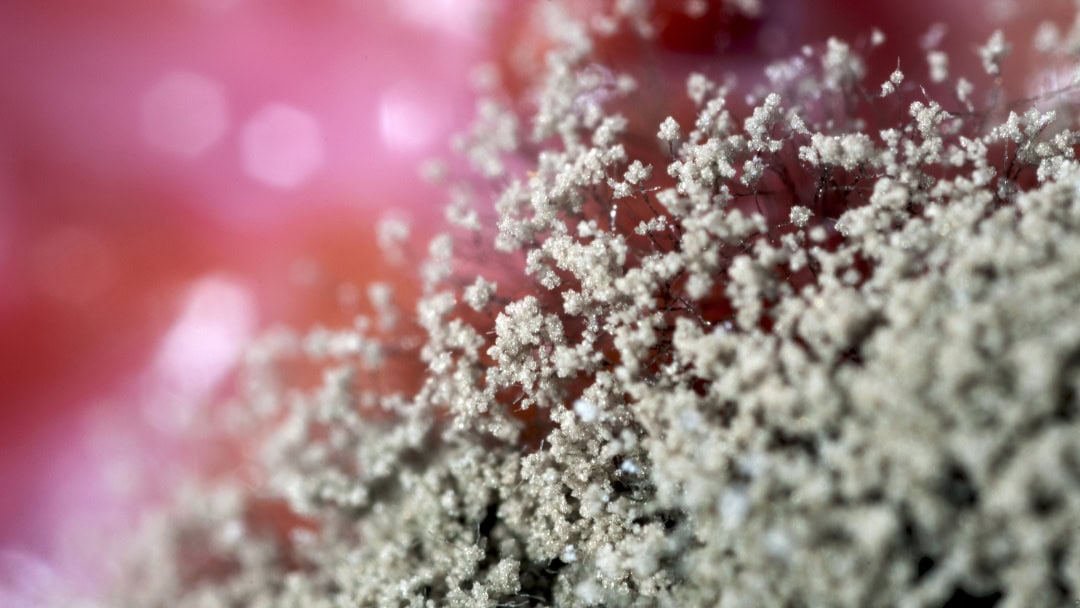
Find out if mold is making you sick and how to test for mold with Corey Levy of We Inspect and The Dust Test. You can watch the replay below. Please note that you will be asked to provide your email address at the 30-minute mark to continue viewing the replay.
Mold Can Be a Root Cause of Many Chronic Health Conditions
More and more health practitioners and their patients have discovered that a mold problem in the home or school is a hidden and unknown root cause of a variety of health conditions such as:
If your child’s healing has stalled out, it helps to know that a mold problem is often a hidden root cause of illness. Please view our documented success stories below of children and an adult who reversed their diagnoses by addressing mold as a root cause.
- Success Story: Noah’s Healing from Autism and Mold Toxicity
- Success Story: Owen’s Reversal of Anxiety and PANS Symptoms
- Success Story: Marilee and Douglas: Overcoming Kidney Failure and Multiple Chemical Sensitivity
- Success Story: Diana: Mold Toxicity
Children, and even adults, often don’t know that they’re being exposed to mold. In many cases, mold isn’t visible in a preliminary inspection.
Symptoms of Mold Exposure
If you or your child has any of the following symptoms, consider that mold exposure could be a root cause:
- Allergies
- Asthma
- Sneezing
- Headaches
- Nosebleeds
- Wheezing / coughing
- Brain fog
- Unexplained weight gain
- Food sensitivities
- Chemical sensitivities
- Sleep problems
- Anxiety, depression and/or mood swings
In This Expert Interview
Corey Levy helped us to answer the following questions in this expert interview:
- What are some signs, symptoms and common diagnoses associated with mold and mycotoxin illness?
- Is everyone affected equally by mold and mycotoxins? If not, why?
- What are some underlying conditions in the home that can contribute to mold proliferation?
- Why is mold contamination at such an epidemic in homes and schools?
- What kind of tests should be run for suspected mold contamination?
- What if mold tests come back normal?
- What is the best way to remediate mold in the home?
- Is bleach the best for getting rid of mold?
Key Discussions
Mold as an Overlooked Root Cause in Chronic Illness
Many chronic health conditions, especially those resistant to conventional treatments (like Lyme, autism, ADHD, autoimmune disorders), often have hidden environmental triggers such as mold. Home environment and the “total load” of stressors—including mold exposure—should be considered when healing stalls. Corey emphasized that it’s common for families with chronic health issues to discover mold as the missing piece after extensive unsuccessful treatments.
Modern Building Practices and Increased Mold Sensitivity
Changes in building materials (like drywall and wood) and construction techniques (creating tighter, less-ventilated homes) have led to a higher risk of moisture problems that contribute to mold proliferation. This, combined with the increased chemical exposures and lifestyle factors, heightens people’s sensitivity to mold in recent years. Corey pointed out that environmental and lifestyle shifts have compounded total load, making mold a bigger modern issue.
Gut Dysbiosis, Mycotoxins, and the Health Impact of Mold
Mold affects multiple systems in the body, especially gut and neurological health. Mycotoxins—the toxins molds produce—can disrupt gut flora, leading to widespread inflammation and symptoms in other systems. Antibiotics (many derived from molds) and low stomach acid can worsen susceptibility and hinder healing. The interplay between environmental exposure and internal detox capacity is a recurring theme in this interview.
Importance of Proper Mold Testing and Home Investigation
Conventional moisture testing and visual inspections are insufficient, as most mold problems are hidden or occur after past water damage. Tools like the Dust Test (using DNA-based analysis) can provide a more accurate picture of mold species and load in a home, guiding more targeted remediation. Corey advocated for thorough inspection and exposure mapping, using health and environmental data to prioritize remediation. He also offered a 15% discount off of the Dust Test with code HOPE15.
Rational Planning and Individualized Remediation Strategies
Not all mold requires immediate drastic action (like moving out or throwing away belongings). A phased, data-driven approach is important to identify, prioritize, and address exposures based on the impact to affected individuals can be used instead. Comprehensive planning avoids unnecessary fear-driven spending and ensures resources are focused where they will make the most difference. Corey stressed the value of focusing efforts on “highest impact” areas and avoiding panic, especially in complex or multi-symptom cases.
Timestamped Overview
00:00 Indoor health expert interview
08:43 Multi-systemic health challenges
15:38 Mold and mycotoxin risks
21:12 Low stomach acid concerns
25:51 Mold’s impact: colonization and mycotoxins
30:48 Dangers of dry mold aerosolization
32:49 Mold testing: understanding type and load
42:08 Hidden signs of black mold
45:58 Mold inspection and remediation planning
49:13 Choosing reliable mold remediation experts
54:43 Mold awareness and approach
01:03:12 Mycotoxin insights with Ovation Labs
01:05:27 Understanding purpose of mold tests
01:11:35 Mold impact and health solutions
01:18:55 Mold: Surface fix isn’t enough
01:23:32 Mold testing and health insights
01:31:22 Car AC musty odor solutions
01:34:16 Mold dog inspection insights
01:38:01 Mold suspected in child’s health condition
01:48:38 Reducing stressors systematically
01:52:56 Dust test discount offered: 15% discount off of the Dust Test with code HOPE15.
About Corey Levy
Corey Levy, who has certifications as a Microbial Investigator and Indoor Environmentalist. He specializes in indoor air quality and is licensed as a mold assessor in Florida and New York, he’s also a WELL Accredited Professional, focusing on health and wellness in building designs. With over 2,000 mold investigations, Levy’s expertise benefits individuals with hypersensitive health issues. He actively participates in international conferences, enhancing his knowledge on conditions like CIRS, Lyme disease, and more, emphasizing a commitment to health through environmental quality. Corey is also the co-founder of We Inspect, the co-founder of The Dust Test, a founding partner of Environmental Technology Solutions, and a founding board member of the Change the Air Foundation. His main websites are https://yesweinspect.com/ and https://www.thedusttest.com/

Disclaimer
This expert interview is not a substitute for medical advice, treatment, diagnosis, or consultation with a medical professional. It is intended for general informational purposes only and should not be relied on to make determinations related to treatment of a medical condition. Documenting Hope has not verified and does not guaranty the accuracy of the information provided in this expert interview.
Still Looking for Answers?
Visit the Documenting Hope Practitioner Directory to find a practitioner near you.
Join us inside our online membership community for parents, Healing Together, where you’ll find even more healing resources, expert guidance, and a community to support you every step of your child’s healing journey.
Sources & References
Baker, S., et al. Case Study: Rapid Complete Recovery From An Autism Spectrum Disorder After Treatment of Aspergillus With The Antifungal Drugs Itraconazole And Sporanox. Integr Med (Encenitas). 2020 Aug;19(4):20-27.
Bennett, J.W., et al. Mycotoxins. Clinical Microbiology Reviews. Jul 2003: 497-516.
Berndtson, K., et al. Medically sound investigation and remediation of water-damaged buildings in cases of CIRS-WDB. Center for Research on Biotoxin Associated Illness. 2016 Jan 19.
Berry, Y. A Physician’s Guide to Understanding and Treating Biotoxin Illness. 2014.
Corrier, D.E. Mycotoxicosis: mechanisms of immunosuppression. Vet Immunol Immunopathol. 1991 Nov;30(1):73-87.
Dashore, J. A., et al. Autism Spectrum Disorders and Lyme Disease: Exploring Shared Neuro-Inflammatory and Immune Pathways. Medical Research Archives, [online] 13(11).
Dashore, J. A., et al. Chronic Inflammatory Response Syndrome: Exploring Neuroimmune Pathology and Multisystem Framework for Differential Diagnosis in Pediatrics- Part 1. Medical Research Archives, [S.l.], v. 13, n. 10, Oct. 2025.
de Allori, M.C.G., et al. Antimicrobial resistance and production of biofilms in clinical isolates of coagulase-negative Staphylococcus strains. Biol Pharm Bull. 2006 Aug;29(8):1592-6.
De Santis, B., et al. Role of mycotoxins in the pathobiology of autism: A first evidence. Nutr Neurosci. 2019 Feb;22(2):132-144.
De Santis, B., et al. Study on the Association among Mycotoxins and other Variables in Children with Autism. Toxins (Basel). 2017 Jun 29;9(7):203.
Harding, C.F., et al. Mold inhalation causes innate immune activation, neural, cognitive and emotional dysfunction. Brain Behav Immun. 2020 Jul:87:218-228.
Hope, J. A review of the mechanism of injury and treatment approaches for illness resulting from exposure to water-damaged buildings, mold, and mycotoxins. ScientificWorldJournal. 2013 Apr 18;2013:767482.
Horowitz, R.I., et al. Precision Medicine: The Role of the MSIDS Model in Defining, Diagnosing, and Treating Chronic Lyme Disease/Post Treatment Lyme Disease Syndrome and Other Chronic Illness: Part 2. Healthcare (Basel). 2018 Nov 5;6(4):129.
Hudnell, H.K. Chronic biotoxin-associated illness: multiple-system symptoms, a vision deficit, and effective treatment. Neurotoxicol Teratol. Sep-Oct 2005;27(5):733-43.
Institute of Medicine (US) Committee on Damp Indoor Spaces and Health. Damp Indoor Spaces and Health. Washington (DC): National Academies Press (US); 2004.
Jahreis, S., et al. Mold metabolites drive rheumatoid arthritis in mice via promotion of IFN-gamma- and IL-17-producing T cells. Food Chem Toxicol. 2017 Nov;109(Pt 1):405-413.
Kali, A. Antibiotics and bioactive natural products in treatment of methicillin resistant Staphylococcus aureus: A brief review. Pharmacogn Rev. Jan-Jun 2015;9(17):29-34.
Kim, H.B., et al. Lifetime prevalence of childhood eczema and the effect of indoor environmental factors: Analysis in Hispanic and non-Hispanic white children. Allergy Asthma Proc. 2016 Jan-Feb;37(1):64-71.
Kontoyiannis, D.P., et al. Treatment principles for the management of mold infections. Cold Spring Harb Perspect Med. 2014 Nov 6;5(4):a019737.
Kraft, S., et al. Mold, Mycotoxins and a Dysregulated Immune System: A Combination of Concern? Int J Mol Sci. 2021 Nov 12;22(22):12269.
Lee, E., et al. Mold exposure affects the development of atopic dermatitis in infants with skin barrier dysfunction. Ann Allergy Asthma Immunol. 2018 Sep;121(3):372-374.e1.
Lee, E., et al. Prenatal mold exposure is associated with development of atopic dermatitis in infants through allergic inflammation. J Pediatr (Rio J). 2020 Jan-Feb;96(1):125-131.
Lee, S., et al. Association of exposure to indoor molds and dampness with allergic diseases at water-damaged dwellings in Korea. Sci Rep. 2024 Jan 2;14(1):135.
Lieberman, A., et al. Mold Exposure and Mitochondrial Antibodies. Altern Ther Health Med. 2020 Nov;26(6):44-47.
Oliva, A., et al. High Potency of Melaleuca alternifolia Essential Oil against Multi-Drug Resistant Gram-Negative Bacteria and Methicillin-Resistant Staphylococcus aureus. Molecules. 2018 Oct 9;23(10):2584.
Pathak, S., et al. Innate immune recognition of molds and homology to the inner ear protein, cochlin, in patients with autoimmune inner ear disease. J Clin Immunol. 2013 Oct;33(7):1204-15.
Ratnaseelen, A.M., et al. Effects of Mycotoxins on Neuropsychiatric Symptoms and Immune Processes. Clin Ther. 2018 Jun;40(6):903-917.
Salari, M.H., et al. Antibacterial effects of Eucalyptus globulus leaf extract on pathogenic bacteria isolated from specimens of patients with respiratory tract disorders. Clin Microbiol Infect. 2006 Feb;12(2):194-6.
Shoemaker, R.C., et al. Sick building syndrome (SBS) and exposure to water-damaged buildings: time series study, clinical trial and mechanisms. Neurotoxicol Teratol. Sep-Oct 2006;28(5):573-88.
Shoemaker, R.C., et al. Structural brain abnormalities in patients with inflammatory illness acquired following exposure to water-damaged buildings: a volumetric MRI study using NeuroQuant®. Neurotoxicol Teratol. Sep-Oct 2014;45:18-26.
Shoemaker, R.C., et al. A time-series study of sick building syndrome: chronic, biotoxin-associated illness from exposure to water-damaged buildings. Neurotoxicol Teratol. Jan-Feb 2005;27(1):29-46.
Tuuminen, T., et al. Severe Sequelae to Mold-Related Illness as Demonstrated in Two Finnish Cohorts. Front Immunol. 2017 Apr 3:8:382.
Resources
Articles
Dr. Bogner Health: Mycotoxins and Autism
Dr. Shoemaker’s 11 Step Treatment Protocol
How to Save $1,000s by Preventing Failed Remediations
Books
Dashore, Jodie. The BioNexus Approach to Biotoxin Illness. Blurb, 2020.
Shoemaker, Ritchie MD, et al. The Art and Science of CIRS Medicine. BookBaby, 2020.
Shoemaker, Ritchie MD, et al. Surviving Mold: Life in the Era of Dangerous Buildings. Otter Bay Books, 2010.
Vetter, Paula. Mold Illness: Surviving and Thriving: A Recovery Manual for Patients & Families Impacted By CIRS. BookBaby, 2018.
Presentations
Berry, Yvonne. A Physician’s Guide to Understanding & Treating Biotoxin Illness. Based on the work of Ritchie Shoemaker, M.D.
Tests
GENIE (Genomic Expression: Inflammation Explained) test
Mosaic Diagnostics MycoTOX Profile
Visual Contrast Sensitivity Test (VCS)
Websites
Change the Air Foundation's Downloads on Mold Remediation
Videos
Autism and Mold Exposure: Why Testing for Mycotoxins is so Important by Dr. Woeller