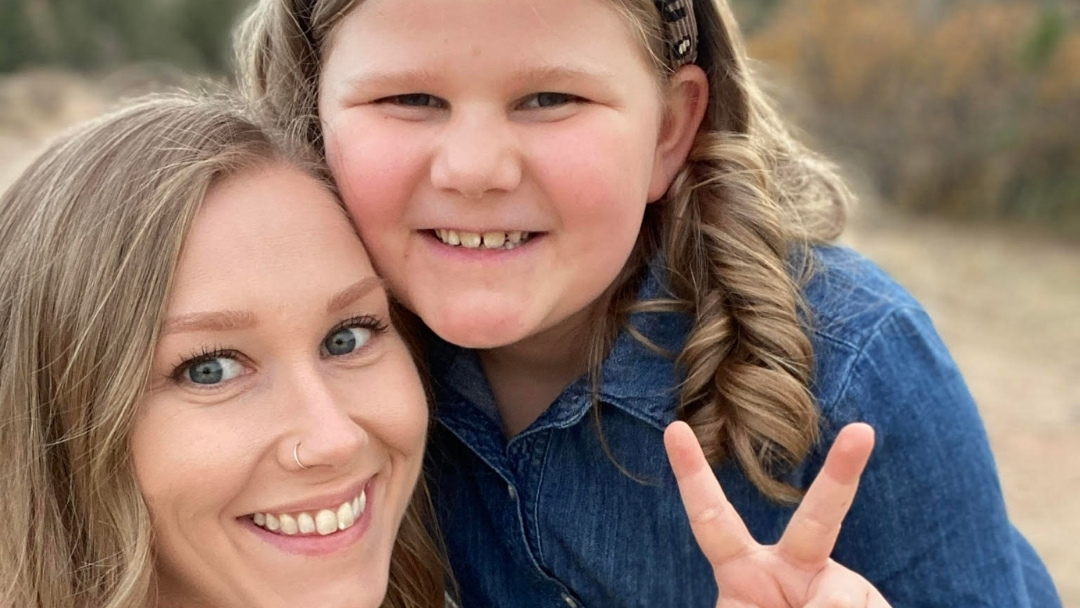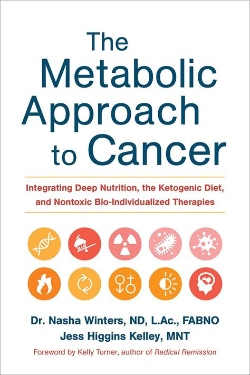
We interviewed Nasha Winters ND LAc FABNO, the best-selling author of The Metabolic Approach to Cancer, about supporting the health of kids with cancer. You can watch the replay below. Please note that you will be asked to provide your email address at the 30-minute mark to continue viewing the replay.
A New Way to Think About Cancer
Children with cancer, and especially those going through cancer treatment, need additional health supports beyond what all of our kids need. There are special cellular energy and nutritional needs that bodies require to overcome cancer. When coupled with the stress and toxicity of chemotherapeutic treatments, a child needs even more health support.
In This Expert Interview
In this expert interview, Dr. Nasha discussed a wide range of approaches that can support a child through cancer treatment such as:
- Genetic, epigenetic, and nutrigenomic modifications
- Blood sugar balance with a ketogenic diet
- Toxic burden management
- Repopulating and balancing the microbiome
- Immune system maximization
- Modulating inflammation and oxidative stress
- Enhancing blood circulation while inhibiting angiogenesis and metastasis
- Establishing hormone balance
- Recalibrating stress levels and biorhythms
- Enhancing mental and emotional well-being
Key Discussions
Environmental Toxins and Cancer in Children
Dr. Winters emphasized the link between environmental toxins and the increasing rates of cancer among children. She highlighted how factors such as industrial pollution, exposure to chemicals (such as glyphosate and fluoride), and poor-quality food and water contribute to a child’s toxic load. This load can begin before birth due to inherited or in-utero exposures. Environmental awareness and proactive toxin reduction are fundamental to both prevention and support in pediatric cancer cases.
The Root-Cause, Integrative Approach to Cancer Care
Rather than focusing solely on treating cancer symptoms, Dr. Winters advocates for a root-cause, terrain-centered philosophy. She frames cancer as the result of multiple interconnected factors (genetics, metabolism, environment, stress, and more), describing 10 “drops in the terrain bucket” that together determine disease expression. Effective care, and even prevention, relies on systematically addressing these underlying causes rather than simply targeting the tumor.
Empowerment and Education for Families
Empowering parents and families is a key recurring theme. Dr. Winters discussed the tendency for parents to feel guilt or disempowerment upon a child’s diagnosis, but emphasize that education, self-advocacy, and small, consistent changes can create meaningful impacts. Families can regain agency by becoming informed about environmental risks, nutrition, and treatment options, and by advocating for themselves within the healthcare system.
The Importance of Lifestyle and Environment in Healing
Dr. Winters highlighted lifestyle interventions ranging from changes in diet and water quality to technology use, sleep hygiene, and time in nature as foundational for both prevention and healing. She emphasized starting with home basics: clean water, organic or whole foods, minimizing EMF exposure, increasing movement and outdoor time, reducing plastics, and creating a less-toxic living space. The key takeaway is that daily, practical adjustments in the home and routine can significantly impact health trajectories, for both prevention and during/after cancer treatment.
Personalized, Bio-individual Cancer Care and the Future of Treatment
Dr. Winters discussed her personal health journey and the emergence of highly individualized, integrative oncology models (such as her planned hospital in Arizona). She pointed out that no single protocol fits everyone. Instead, genetic, metabolic, and environmental testing can help tailor care to each person. This personalized approach includes both conventional and integrative therapies, and recognizes the role of trauma, genetics, and lifestyle in healing. The main message is that the future of cancer care, especially for children, lies in blending the best of all modalities, focused on the unique terrain of each patient.
Timestamped Overview
00:00 From pain to purpose
05:47 A teen’s medical nightmare
11:27 Parental guilt in child diagnosis
18:46 Journey to health through diet change
26:11 Questioning environmental health knowledge
28:59 Reducing glyphosate exposure in diet
35:18 Fluoride debate in Durango
39:19 Questioning individuality in toxic exposures
47:48 Mitochondrial bucket theory
50:57 Combating food deserts and solutions
54:55 EMF concerns and technological health
01:04:19 Family wellness for childhood cancer
01:05:53 Empowering personal solutions
01:11:13 Saunas and chemotherapy
01:20:33 Launching Terrain Advocate Program (TAP)
01:21:38 Passionate tumor researcher
01:27:07 Pet adaptation strategies
01:35:32 Pediatric care campus initiative
01:42:16 Ensuring continuity in cancer care
01:43:36 Institute fundraising initiatives
01:49:34 Empowering patient-doctor collaboration
About Nasha Winters ND LAc FABNO
 Dr. Nasha Winters is a global healthcare authority in integrative cancer care and research consulting with physicians around the world. She is the best-selling author of The Metabolic Approach to Cancer: Integrating Deep Nutrition, the Ketogenic Diet, and Nontoxic Bio-Individualized Therapies. She has educated hundreds of professionals in the clinical use of mistletoe and has created robust educational programs for both healthcare institutions and the public on incorporating vetted integrative therapies in cancer care to enhance outcomes.
Dr. Winters is currently focused on opening a comprehensive metabolic oncology hospital and research institute in the U.S. where the best that standard of care has to offer and the most advanced integrative therapies will be offered. This facility will be in a residential setting on a gorgeous campus against a backdrop of regenerative farming, EMF mitigation and retreat. You can find out more about her at her website www.drnasha.com
Disclaimer
This expert interview is not a substitute for medical advice, treatment, diagnosis, or consultation with a medical professional. It is intended for general informational purposes only and should not be relied on to make determinations related to treatment of a medical condition. Documenting Hope has not verified and does not guaranty the accuracy of the information provided in this expert interview.
Still Looking for Answers?
Visit the Documenting Hope Practitioner Directory to find a practitioner near you.
Join us inside our online membership community for parents, Healing Together, where you’ll find even more healing resources, expert guidance, and a community to support you every step of your child’s healing journey.
Sources & References
Accurso, A., et al. Dietary carbohydrate restriction in type 2 diabetes mellitus and metabolic syndrome: time for a critical appraisal. Nutr Metab (Lond). 2008 Apr 8:5:9.
Aggarwal, B.B., et al. Molecular targets of dietary agents for prevention and therapy of cancer. Biochem Pharmacol. 2006 May 14;71(10):1397-421.
Allen, B.G., et al. Ketogenic diets as an adjuvant cancer therapy: History and potential mechanism. Redox Biol. 2014:2:963-70.
Anand, P., et al. Cancer is a preventable disease that requires major lifestyle changes. Pharm Res. 2008 Sep;25(9):2097-116.
Anemoulis, M., et al. Intermittent Fasting in Breast Cancer: A Systematic Review and Critical Update of Available Studies. Nutrients. 2023 Feb; 15(3): 532.
Aram, A., et al. The effects of conjugated linoleic acids on breast cancer: A systematic review. Adv Biomed Res. 2016 Jul 6:5:115.
Bahr, L.S., et al. Ketogenic diet and fasting diet as Nutritional Approaches in Multiple Sclerosis (NAMS): protocol of a randomized controlled study. Trials. 2020 Jan 2;21(1):3.
Ben-David, M.A., et al. Melatonin for Prevention of Breast Radiation Dermatitis: A Phase II, Prospective, Double-Blind Randomized Trial. Isr Med Assoc J. 2016 Mar-Apr;18(3-4):188-92.
Coller, H.A. Is cancer a metabolic disease? Am J Pathol. 2014 Jan;184(1):4-17.
den Hartigh, L.J. Conjugated Linoleic Acid Effects on Cancer, Obesity, and Atherosclerosis: A Review of Pre-Clinical and Human Trials with Current Perspectives. Nutrients. 2019 Feb 11;11(2):370.
Duan, W., et al. Hyperglycemia, a neglected factor during cancer progression. Biomed Res Int. 2014:2014:461917.
Gentile, D., et al. Cancer Pain Relief After Healing Touch and Massage. J Altern Complement Med. 2018 Sep/Oct;24(9-10):968-973.
Giovannucci, E., et al. Diabetes and cancer: a consensus report. Diabetes Care. 2010 Jul;33(7):1674-85.
Godbout, J.P., et al. Stress-induced immune dysregulation: implications for wound healing, infectious disease and cancer. J Neuroimmune Pharmacol. 2006 Dec;1(4):421-7.
Gunatilake, S., et al. Glyphosate’s Synergistic Toxicity in Combination with Other Factors as a Cause of Chronic Kidney Disease of Unknown Origin. Int J Environ Res Public Health. 2019 Jul 31;16(15):2734.
Hernandez-Reif, M., et al. Breast cancer patients have improved immune and neuroendocrine functions following massage therapy. J Psychosom Res. 2004 Jul;57(1):45-52.
Hevia, D., et al. Melatonin uptake through glucose transporters: a new target for melatonin inhibition of cancer. J Pineal Res. 2015 Mar;58(2):234-50.
Kundi, M., et al. Mobile phone specific radiation disturbs cytokinesis and causes cell death but not acute chromosomal damage in buccal cells: Results of a controlled human intervention study. Environ Res. 2024 Jun 15;251(Pt 1):118634.
Labbé, D.P., et al. Role of diet in prostate cancer: the epigenetic link. Oncogene. 2015 Sep 3;34(36):4683-91.
León, J., et al. Melatonin reduces endothelin-1 expression and secretion in colon cancer cells through the inactivation of FoxO-1 and NF-κβ. J Pineal Res. 2014 May;56(4):415-26.
Liu, H., et al. Refined fructose and cancer. Expert Opin Ther Targets. 2011 Sep;15(9):1049-59.
Lombardi, C., et al. Residential proximity to pesticide application as a risk factor for childhood central nervous system tumors. Environ Res. 2021 Jun;197:111078.
Lorenzi, M., et al. High glucose induces DNA damage in cultured human endothelial cells. J Clin Invest. 1986 Jan;77(1):322-5.
Ma, C., et al. Protective and sensitive effects of melatonin combined with adriamycin on ER+ (estrogen receptor) breast cancer. Eur J Gynaecol Oncol. 2015;36(2):197-202.
Ma, Z., et al. Melatonin as a potential anticarcinogen for non-small-cell lung cancer. Oncotarget. 2016 Jul 19;7(29):46768-46784.
Mathew, A. Allostatic Load in Cancer: A Systematic Review and Mini Meta-Analysis. Biol Res Nurs. 2021 Jul;23(3):341-361.
Mediavilla, M.D., et al. Basic mechanisms involved in the anti-cancer effects of melatonin. Curr Med Chem. 2010;17(36):4462-81.
Mills, E., et al. Melatonin in the treatment of cancer: a systematic review of randomized controlled trials and meta-analysis. J Pineal Res. 2005 Nov;39(4):360-6.
Morley, W.A., et al. Diminished brain resilience syndrome: A modern day neurological pathology of increased susceptibility to mild brain trauma, concussion, and downstream neurodegeneration. Surg Neurol Int. 2014 Jun 18;5:97.
Onodera, Y., et al. Increased sugar uptake promotes oncogenesis via EPAC/RAP1 and O-GlcNAc pathways. J Clin Invest. 2014 Jan;124(1):367-84.
Parlakpinar, H., et al. Physiological and pharmacological concentrations of melatonin protect against cisplatin-induced acute renal injury. J Pineal Res. 2002 Oct;33(3):161-6.
Pedretti, L., et al. Role of Nutrition in Pediatric Patients with Cancer. Nutrients. 2023 Feb; 15(3): 710.
Powell, N.D., et al. Psychosocial stress and inflammation in cancer. Brain Behav Immun. 2013 Mar:30 Suppl:S41-7.
Samsel, A, et al. Glyphosate’s suppression of cytochrome P450 enzymes and amino acid biosynthesis by the gut microbiome: Pathways to modern diseases. Entropy. 2013;15:1416–1463.
Sanchez-Barcelo, E.J., et al. Melatonin uses in oncology: breast cancer prevention and reduction of the side effects of chemotherapy and radiation. Expert Opin Investig Drugs. 2012 Jun;21(6):819-31.
Seyfried, T.N. Cancer as a metabolic disease. Nutr Metab (Lond). 2010 Jan 27:7:7.
Seyfried, T.N. Cancer as a metabolic disease: implications for novel therapeutics. Carcinogenesis. 2014 Mar;35(3):515-27.
Seyfried, T.N., et al. Consideration of Ketogenic Metabolic Therapy as a Complementary or Alternative Approach for Managing Breast Cancer. Front Nutr. 2020 Mar 11:7:21.
Seyfried, T.N., et al. Is the restricted ketogenic diet a viable alternative to the standard of care for managing malignant brain cancer? Epilepsy Res. 2012 Jul;100(3):310-26.
Seyfried, T.N., et al. Metabolic management of brain cancer. Biochim Biophys Acta. 2011 Jun;1807(6):577-94.
Siegel, D.A., et al. Counts, incidence rates, and trends of pediatric cancer in the United States, 2003-2019. J Natl Cancer Inst. 2023 Nov 8;115(11):1337-1354.
Su, S.C., et al. Cancer metastasis: Mechanisms of inhibition by melatonin. J Pineal Res. 2017 Jan;62(1).
Takano, T., et al. Glutamate release promotes growth of malignant gliomas. Nat Med. 2001 Sep;7(9):1010-5.
Temkin, A., et al. Exposure-based assessment and economic valuation of adverse birth outcomes and cancer risk due to nitrate in United States drinking water. Environ Res. 2019 Sep:176:108442.
Tinkum, K.L., et al. Fasting protects mice from lethal DNA damage by promoting small intestinal epithelial stem cell survival. Proc Natl Acad Sci U S A. 2015 Dec 22;112(51):E7148-54.
Vijayalaxmi, et al. Melatonin as a radioprotective agent: a review. Int J Radiat Oncol Biol Phys. 2004 Jul 1;59(3):639-53.
Weyer, P.J., et al. Municipal drinking water nitrate level and cancer risk in older women: the Iowa Women's Health Study. Epidemiology. 2001 May;12(3):327-38.
Xin, Z., et al. Melatonin as a treatment for gastrointestinal cancer: a review. J Pineal Res. 2015 May;58(4):375-87.