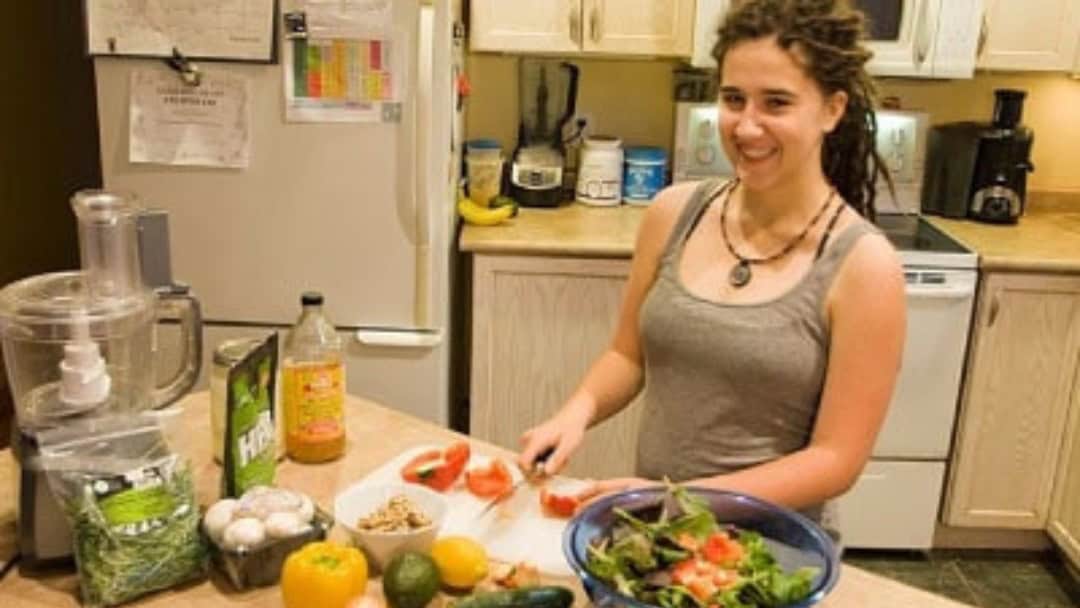

Cooking Non-Allergenic Foods
The FLIGHT Study team brought a professional chef in to help Jeremiah’s family with cooking non-allergenic, healthy foods. Jeremiah has an autoimmune condition known as alopecia universalis that causes complete hair loss all over the body. As part of Jeremiah’s assessments, we discovered that he has sensitivities to some very common foods.
Food sensitivities and intolerances are often a major contributor to chronic health conditions because they can exacerbate immune dysregulation, gut dysbiosis and inflammation. Food sensitivities to gluten, dairy, eggs, soy and corn are the most common.
It can be difficult for a modern family to make the switch from eating the Standard American Diet (SAD) to cooking homemade, healthful, allergy-avoiding meals from scratch. The idea of this is often intimidating and daunting for parents who don’t have many cooking skills. Not only do these parents not have much practice at cooking from scratch, but they must also navigate food labels to avoid ingredients such as food allergens, artificial colors and flavors, preservatives and other potentially unhealthy additives.
Jeremiah’s family had already made great strides towards feeding their family healthful, homemade foods, but the FLIGHT Study wanted to support them even more by bringing in a chef to inspire mom with some new weeknight meals that might have appeal to the whole family.
Chef Monica
We brought in Chef Monica to the rescue! She is a friendly, personable chef with knowledge about this kind of cooking. She specializes in teaching people how to do this for themselves and their families. Chef Monica brought two different kinds of soups for our team lunch, and the team got to work creating a lunch salad. We all got to talk about home kitchen tricks and hacks.
After lunch, Chef Monica helped Jeremiah’s mom prepare three recipes: crunchy roasted asparagus, lamb meatballs and homemade fish sticks. The thought is that the skills learned in cooking these kinds of foods can translate over to cooking new but similar recipes. In addition, Jeremiah’s mom was most concerned about what to cook for dinner, and these foods fit the bill. They can be prepared fairly easily, inexpensively and quickly, too.
Help with Meal Planning
It can be difficult for busy, working parents to get into the routine of cooking these kinds of foods, but it can be done! Menu planning is often the most mentally daunting aspect because busy parents have to plan out a week’s worth of meals and shopping in advance.
An example of how to do this is to take an hour on Friday evening and plan all the meals for the following week. Food shopping is done on Saturday, and meal prep is done on Sunday afternoons. Meal prep includes anything from pre-chopping vegetables to fully cooking foods that can be reheated and served throughout the week or even frozen for later use.
Some families can afford to bring in a professional chef or health coach for one-on-one lessons, but many can’t. For those that don’t have resources for personal cooking lessons, there are many free or more-affordable options such as:
- Watching oodles of cooking lessons on YouTube
- Finding free recipes on the internet
- Following healthful-cooking influencers on social media and websites
- Learning about diet basics and specialized diets
- Buying new or used cookbooks that specialize in cooking with non-allergenic foods
- Participating in local cooking classes that specialize in allergen-free meals
About Beth Lambert
Beth Lambert is a former healthcare consultant and teacher. As a consultant, she worked with pharmaceutical, medical device, diagnostic and other health care companies to evaluate industry trends.
She is the author of A Compromised Generation: The Epidemic of Chronic Illness in America’s Children (Sentient Publications, 2010). She is also a co-author of Documenting Hope's Brain Under Attack: A Resource for Parents and Caregivers of Children with PANS, PANDAS, and Autoimmune Encephalitis. She is a co-author of Reversal of Autism Symptoms among Dizygotic Twins through a Personalized Lifestyle and Environmental Modification Approach: A Case Report and Review of the Literature, J. Pers. Med. 2024, 14(6), 641.
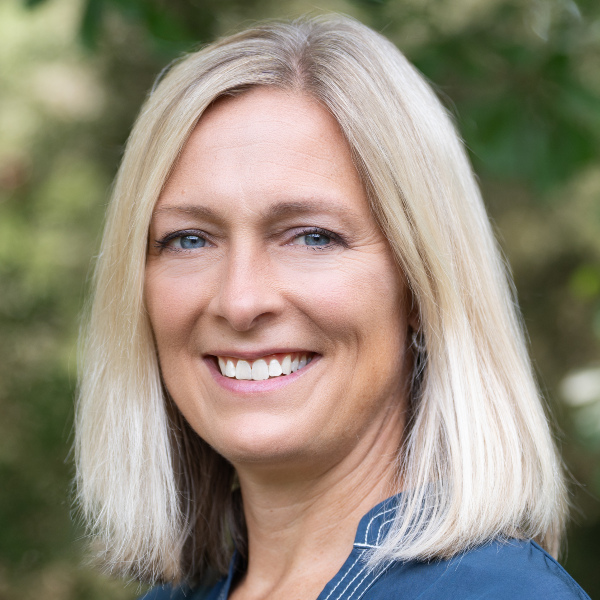
In 2009, Beth founded Documenting Hope and currently serves as Executive Director. Beth attended Oxford University, graduated from Williams College and holds a Masters Degree in American Studies from Fairfield University.
Still Looking for Answers?
Visit the Documenting Hope Practitioner Directory to find a practitioner near you.
Join us inside our online membership community for parents, Healing Together, where you’ll find even more healing resources, expert guidance, and a community to support you every step of your child’s healing journey.