Many families don’t realize how deeply oral‑motor function, breathing patterns, and structural development are connected, especially when a child struggles with feeding, speech, sleep, attention or behavior. Research and clinical experience show that early patterns like breastfeeding challenges or chronic mouth breathing can be “red flags” for deeper issues, some of which may manifest into other symptoms and patterns as a child develops.
Let the following information serve as a guide to help you recognize the signs and symptoms, understand underlying mechanisms, and know which type of provider may be supportive to see next if warranted.
Tongue Ties & Other Tethered Oral Tissues
A tongue tie (ankyloglossia) or other tethered oral tissue (such as lip or buccal ties) occurs when tissue under the tongue, lips, or cheeks is restricted, limiting normal movement and/or development.
Why It Matters
Restricted tongue movement can impact foundational oral skills like:
- Breastfeeding (painful latch, poor seal, “clicking”, excessive spit-up)
- Eating and chewing
- Speech articulation
- Orofacial and airway development
- Sleep and breathing patterns, including risk for Obstructive Sleep Apnea
Common Signs to Watch For
Including but not limited to…
In Infants:
- Painful nursing for mom
- Poor latch or seal
- Gagging, spitting up, or choking during feeds
- Falling asleep while feeding
- Mouth breathing or nasal congestion
- Poor weight gain
- Clicking sounds during feeding
- Excessive gas, fussiness, or colic-like symptoms
- Difficulty maintaining suction
- Reflux-like symptoms without a clear GI cause
- Milk leaking from the mouth while feeding
- Tension in the body during feeds (arching, stiffening)
- Difficulty transitioning between breast and bottle
- Preference of one side during breastfeeding
In Toddlers/Children:
Feeding / oral function
- Difficulty chewing foods
- Slow eating
- Food stuffing or “chipmunk cheeks”
- Fatigue with chewing or preference for grazing
- Avoidance of tougher textures (meats, raw vegetables, chewy foods)
- Preference for soft or processed foods
- Messy eating (food falling from the mouth, poor bolus control)
- Difficulty clearing food from the cheeks or teeth
- History of picky or self-restricted eating patterns
Speech / Oral Motor
- Speech delays or articulation challenges
- Reduced tongue mobility (difficulty licking lips, cleaning food from teeth)
- Speech clarity that worsens with fatigue
- Open-mouth chewing
Airway / Sleep
- Habitual mouth breathing at rest or at night
- Snoring or noisy breathing during sleep
- Restless sleep or frequent position changes
- Nighttime teeth grinding (bruxism)
- Bedwetting beyond typical developmental timelines
- Dark circles under the eyes (“allergic shiners”)
Posture / Body Patterns
- Forward head posture
- Head tilting or jaw asymmetry
- Neck or shoulder tension
- Poor endurance for upright sitting
Regulation / Learning
- Attention and/or behavioral issues
- Difficulty sustaining attention
- Impulsivity or emotional dysregulation
- Anxiety or heightened stress response
- Frequent headaches and/or jaw discomfort
- Challenges with handwriting or fine motor endurance
Whom to See
- IBCLC (lactation consultant) — for breastfeeding challenges
- Pediatric dentist experienced in tongue ties and airway issues — for evaluation and possible release
- Speech‑Language Pathologist (SLP) with orofacial-myofunctional training — for speech and oral motor function
- Feeding specialist — (SLP or Occupational Therapist) if picky eating or feeding refusal is impacting the child and/or family’s quality of life
- Myofunctional therapist or Orofacial Myologist typically an SLP or Registered Dental Hygienist (RDH) — to train muscles for optimal tongue and breathing posture
- Neurologically focused chiropractic care and specialized bodywork such as craniosacral therapy and craniosacral fascial therapy, can be supportive both before and after tongue-tie release.
Myofunctional Therapy: What It Does and When It Helps
Myofunctional therapy focuses on retraining the muscles of the mouth, tongue, cheeks, and face to support correct swallowing, chewing, and nasal breathing.
Why It Matters
A healthy oral-resting posture, where the tongue is resting up on the palate, the lips are closed, teeth slightly apart (not clenched), and breathing through the nose supports:
- Proper mouth and airway development
- Dentofacial growth
- Reduced snoring or sleep-disordered breathing
- Better chewing and swallowing function
- Improved behavior and attention
- Nervous system regulation
Whom to See
- Orofacial Myofunctional Therapist or Orofacial Myologist, typically an SLP or an RDH with specialized training in Orofacial Myofunctional Disorders (OMDs) — for assessment and guided therapy
- Airway-centric Dentist or Orthodontist — to coordinate strategies if structural issues contribute
Tip: Myofunctional therapy, in combination with neurologically focused chiropractic care and specialized bodywork such as craniosacral therapy and craniosacral fascial therapy, is commonly recommended both before and after tongue-tie release.
Tongue ties can affect more than the mouth. They can influence the nervous system, posture, breathing, global tension patterns through the fascial system, and more. Bodywork helps calm and organize the nervous system, address compensations in the jaw, neck, and spine, and support more balanced movement and function. This work can be valuable both in preparing the body for the release procedure (frenectomy) and in helping the body integrate changes afterward, as well as in supporting children who have tongue ties but do not undergo the procedure.
Nasal Breathing vs. Mouth Breathing
Optimal breathing is through the nose, which:
- Filters, warms, and humidifies air
- Produces nitric oxide (important for immunity and circulation)
- Supports correct tongue posture and airway development
- Helps maintain proper facial growth patterns
Chronic mouth breathing is associated with:
- Narrower jaw and palate
- Dental malocclusion
- Sleep-related breathing problems
- Dry mouth, gum irritation, and cavities
- Changes in facial growth (long face, retruded chin)
When to Follow Up
- Persistent mouth breathing (not just during colds)
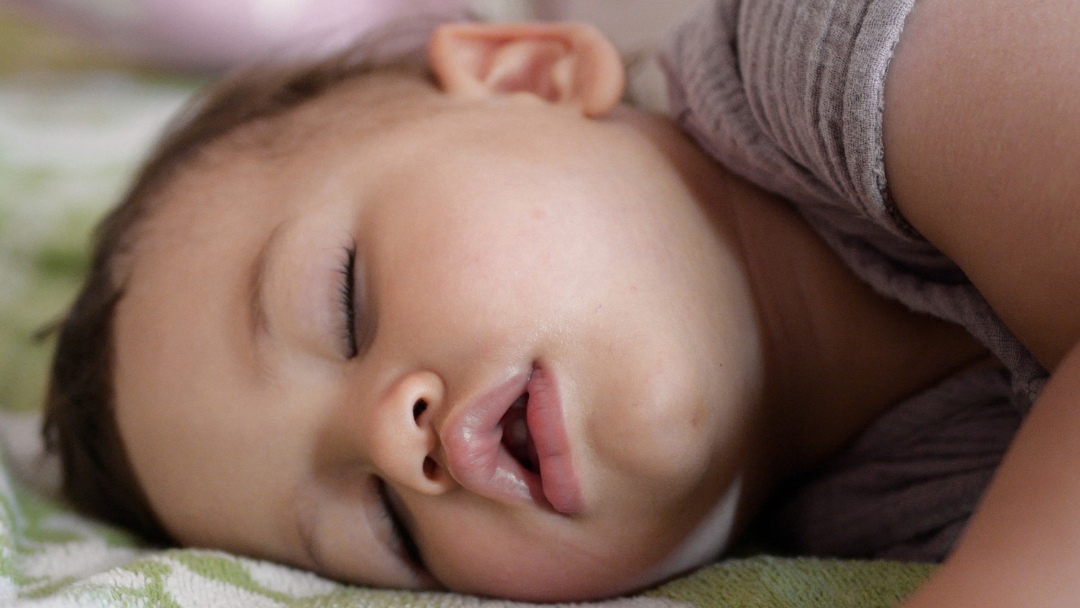
- Frequent snoring or open-mouth sleep
- Allergies, nasal congestion, or difficulty breathing through the nose
- Recessed chin or underdeveloped cheekbones
Whom to See
- Airway-focused orthodontist or dentist
- Myofunctional therapist or Orofacial Myologist
- Allergy specialist
- Functional Medicine Doctor, Naturopathic Physician, or holistic nutrition professional who can identify food intolerances and/or sensitivities
- Pediatric Ear Nose Throat (ENT) specialist
- Neurologically focused chiropractic care
When chronic mouth breathing or weak tongue posture persists, it can narrow the airway and disrupt normal airflow during sleep. Over time, these patterns may contribute to sleep-related breathing issues, including Obstructive Sleep Apnea (OSA), where partial or complete airway blockage leads to fragmented sleep, restless nights, and downstream effects on attention, behavior, and overall health. Understanding the connection between breathing patterns and airway function can help parents recognize early signs and seek timely evaluation.
Obstructive Sleep Apnea (OSA) & Sleep-Disordered Breathing
Obstructive Sleep Apnea (OSA) is one type of sleep-disordered breathing that can arise when the upper airway becomes partially or fully blocked during sleep. Chronic mouth breathing, weak tongue posture, or structural airway restrictions can contribute to these blockages, leading to pauses in breathing, fragmented sleep, and reduced oxygenation.
Typical Signs in Children
- Loud or noisy snoring
- Pauses in breathing during sleep
- Mouth breathing at night
- Restless or unusual sleep positions
- Night sweats
- Morning headaches
- Daytime irritability, hyperactivity, or behavioral issues
- Poor attention or school performance
- Bed-wetting or night terrors
Note: Children may show hyperactivity or attention difficulties rather than classic sleepiness.
Common Causes
- Enlarged tonsils and adenoids
- Narrow airway related to jaw and/or palate structure or chronic mouth breathing with weak tongue posture
- Craniofacial anomalies or certain medical conditions
- Obesity (more common in teens)
- Persistent mouth breathing or poor oral-resting posture impacting airway development
Whom to See
- Pediatrician / Primary Care Provider — initial evaluation and referral to specialists
- Pediatric ENT (Ear, Nose, Throat) Specialist — assess tonsils, adenoids, nasal airway, and structural issues
- Sleep Specialist / Pulmonologist — for formal sleep studies and evaluation of sleep-disordered breathing
- Airway-focused Orthodontist or Dentist — for structural, growth-based, or myofunctional interventions
- Orofacial Myofunctional Therapist or Orofacial Myologist (SLP or RDH) — to support tongue posture, nasal breathing, and oral-resting position
- Allergy Specialist or Functional Medicine / Holistic Practitioner — for underlying nasal obstruction or sensitivities contributing to mouth breathing
- Neurologically focused chiropractic care and specialized bodywork such as craniosacral therapy and craniosacral fascial therapy
Putting It All Together: Examples of Common Symptom Clusters & Next Steps
Example A: Feeding & Early Oral Function
Signs: Painful nursing, poor latch, excessive spit-up, slow eating, picky eating, gagging
Next Step: IBCLC, SLP, & pediatric dentist → consider tethered oral tissues evaluation; myofunctional therapist and feeding specialist if oral motor skills are delayed
Example B: Speech & Oral Motor Challenges
Signs: Articulation delays, difficulty forming sounds, weak chewing/swallowing muscles
Next Step: SLP with training in orofacial myofunctional disorders; pediatric dentist if structural issues contribute
Example C: Sleep & Breathing Concerns
Signs: Loud snoring, mouth breathing at night, pauses in breathing, restless sleep, daytime behavior issues
Next Step: Pediatrician → ENT & sleep specialist; consider airway-focused orthodontist and myofunctional therapy
Quick Reference: Symptoms & Who to Contact
Symptom / Sign
Possible Underlying Issue
Provider to Contact
Painful nursing, poor latch, excessive spit-up, falling asleep during feeds
Loud snoring, pauses in breathing, restless sleep
Note: The signs and symptoms listed are most meaningful when they occur together or in patterns over time. One isolated symptom may not necessarily indicate a dental or airway concern. If your child has multiple symptoms or a cluster of related concerns, it may be helpful to seek professional evaluation from a qualified provider. Please also note that this list is non-exhaustive.
Final Thoughts
Patterns like persistent mouth breathing, feeding struggles, or subtle speech delays, can provide clues about airway and oral posture that affect sleep, growth, and behavior. You don’t need to wait until problems are severe before seeking evaluation.
A team approach, including pediatricians, lactation consultants, dentists with airway knowledge, speech-language pathologists specializing in myofunctional therapy and/or feeding therapy, neurologically focused chiropractors and other bodyworkers, ENTs, sleep specialists, functional medicine and holistic nutrition practitioners often yields the best outcomes for these interconnected systems.
About Shandy Watters (Laskey) MA CCC-SLP FNTP
Shandy Watters (Laskey) is an integrative speech-language pathologist and pediatric feeding specialist, as well as a Functional Nutritional Therapy Practitioner, and Documenting Hope Health Coach.
She is a fierce nutrition advocate for children impacted by complex picky eating, neurodevelopmental disorders, and special needs. She is continuously advancing her knowledge in functional and bio-individual nutrition therapies for these specific demographics of children.

Shandy is the founder and CEO of Speaking of Health & Wellness, LLC. Through her own health and wellness journey, she learned the profound impact of nutrition and lifestyle on cognition and overall well-being first hand. Shandy has an intense passion for integrating holistic nutrition and lifestyle strategies into her work with families. She provides virtual and local parent coaching to guide families on identifying ways to address the underlying causes of their child’s condition and/or related symptoms, while also teaching integrative strategies for learning, behavior, communication and mealtimes.
Still Looking for Answers?
Visit the Documenting Hope Practitioner Directory to find a practitioner near you.
Join us inside our online membership community for parents, Healing Together, where you’ll find even more healing resources, expert guidance, and a community to support you every step of your child’s healing journey.