What Are Flower Remedies?
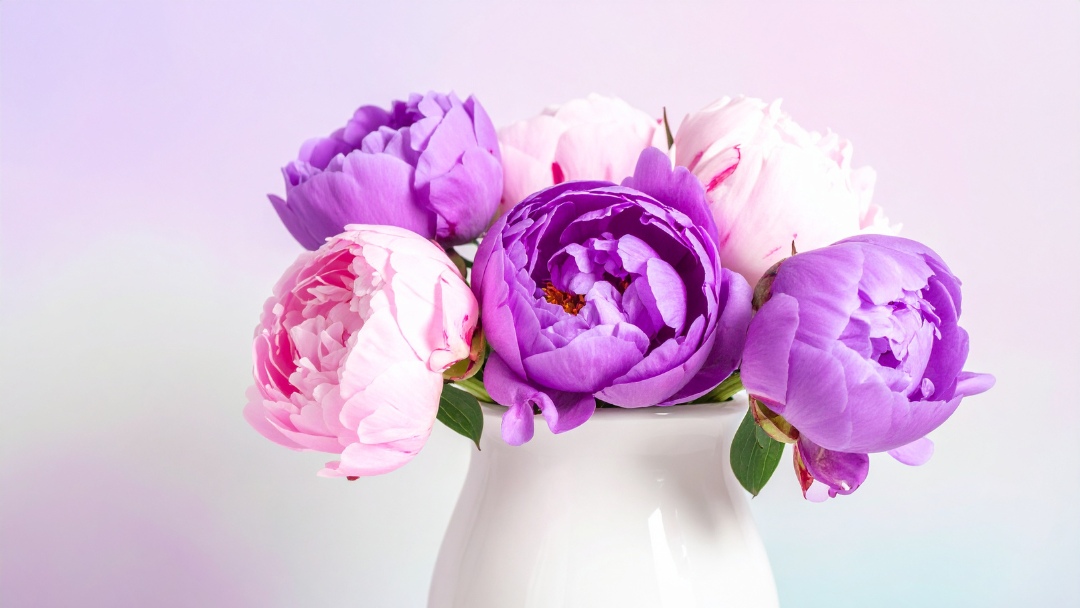
Flower remedies, also known as flower essences, are natural remedies made from the infusions of flowers. Unlike essential oils or herbal medicine, which rely on the physical components of plants, flower remedies capture the energetic or vibrational imprint of a flower. Katie Hess, a leading flower alchemist and founder of LOTUSWEI, says that flower remedies involve a solar-infusion process where the energy of the flower is transferred into water, often with the help of sunlight and sometimes stabilized with a small amount of alcohol for preservation.
The concept of using flowers for emotional and energetic healing isn’t entirely new. Bach flower remedies have been in use since the early 20th century and are more widely used in Europe, Australia, and Latin America than in the United States. In many countries in these areas, flower essences are readily available in pharmacies.
The modern use of flower essences is closely associated with the work of Dr. Edward Bach, a British physician and bacteriologist in the early twentieth century. Although trained in conventional medicine, Dr. Bach became increasingly interested in the role emotional and mental states play in health and healing. This perspective eventually led him away from symptom focused treatment and toward studying the subtle effects of flowering plants in nature.
Between the late 1920s and his death in 1936, Dr. Bach developed a system of 38 flower essences, each corresponding to a specific emotional state. He believed these remedies supported emotional balance and inner harmony, helping the body restore its natural capacity for regulation and healing. Gentle and non invasive by design, Bach’s original remedies remain the foundation of flower essence therapy and continue to be used worldwide as a complementary form of support.
What makes flower remedies distinct is their gentle, non-chemical nature. They are considered vibrational therapies, working on emotional, mental, and spiritual layers rather than acting directly on the body’s chemistry like pharmaceuticals or even herbal medicines do. As Katie Hess put it, “…they’re typically only made from the flower because that’s where the highest concentration of life force or chi or energy is. And it’s like the consciousness of a plant.” Other plant medicine experts might add plant buds as another valuable plant therapy – see our article on gemmotherapy.
How Can Flower Remedies Help with Healing?
One of the core philosophies behind flower remedies is that they facilitate inner transformation—helping individuals move through emotional states, access deeper wisdom, and accelerate personal growth. Unlike mainstream medications, flower remedies don’t “fix” or suppress symptoms. Rather, they gently encourage the unfolding of a person’s potential by supporting emotional balance and clarity.
Flower essences can be particularly suitable for times of transition. Traditionally, flowers themselves are present during major life events such as weddings, funerals, births, romances, and even times of illness. Perhaps this reflects a deep, innate human wisdom that flowers help us move from where we are to something higher—bringing joy, calm, clarity, or acceptance in moments of upheaval or uncertainty.
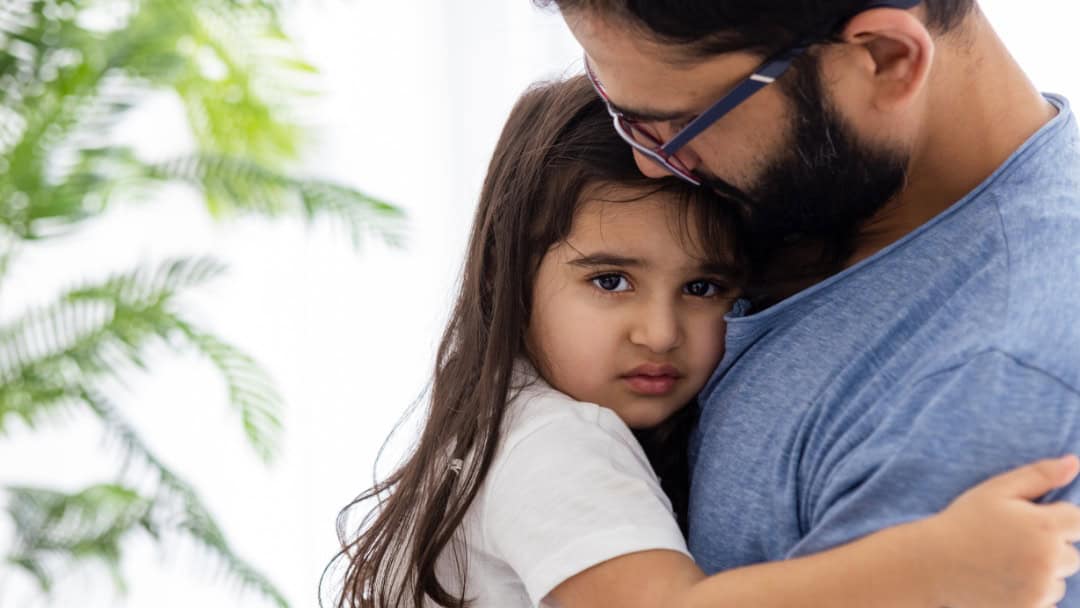
Flower remedies are gentle enough to be used by children, pregnant women, the elderly, and individuals who might be sensitive to medications or even strong scents. Those struggling with everything from anxiety, grief, and trauma to simple overwhelm, creative blocks, or desire for greater clarity and compassion may benefit from the use of flower remedies. Some children with autism or sensory sensitivities have shown positive responses to flower essences, finding comfort in their subtle action.
Flower remedies are available as single essences or, more commonly, as blends designed to address specific states of mind or emotional challenges. These blends are available as elixirs (ingested via drops), mists (for atmospheres and on the body), oils (for topical application), and even bath salts, making them practical for a variety of routines and preferences.
Rescue Remedy
Arguably the most famous flower remedy, Rescue Remedy is a blend of five Bach flower essences traditionally used for acute stress or shock—think panic, accidents, tantrums, or deeply unsettling events. It can be used for children during tantrums or meltdowns.
What Does the Research Say About Flower Remedies?
Flower remedies are, by their very nature, a “subtle” therapy. This means their effects are not easily quantified by conventional medical research, which tends to focus on biochemical changes or symptom reduction. Instead, the benefits are often reported in terms of mood shifts, emotional openings, improved relationships, and greater self-awareness—criteria that are inherently subjective and personal.
More noticeable changes may come with consistent use. Parents anecdotally share noticeable improvements in a child’s stress level, sleep patterns, or ability to cope with emotional upsets. In many cultures, flower essences are embraced as a legitimate therapeutic tool, even prescribed by mainstream doctors in Europe.
Books such as Vibrational Medicine by Richard Gerber MD attempt to explain the theoretical basis for flower essences and other vibrational therapies in the context of quantum physics and energetic fields. Katie Hess’ book, Flowerevolution, serves as a photo-rich, accessible resource, sharing both anecdotal reports and the philosophical background of flower remedies.
Some studies (see Sources & References, below) do show a benefit in relieving stress and anxiety, while other studies show that flower remedies are no better than a placebo. As with many forms of complementary and energy medicine, the strongest “proof” comes from individual experience.
Conclusion
Flower remedies can be a gentle yet powerful tool for emotional and energetic healing, rooted in the belief that nature provides an abundance of support for our inner growth. Capturing the energetic signature of blossoms, these remedies offer a pathway for releasing old patterns, softening emotional wounds, and supporting the blossoming of our true potential.
Whether used for moments of acute challenge (like an anxious child, a high-stress event, or a major life transition) or as ongoing support for personal growth and self-acceptance, flower remedies might empower users to become more of their authentic selves—not by “fixing” what’s broken, but by amplifying what is already beautiful and capable within.
While scientific validation remains a challenge given the subjective nature of vibrational medicine, the widespread adoption of flower remedies across cultures and the personal testimonials of users of all ages make a compelling case for their gentle efficacy. Trying these remedies is a safe, non-invasive way to explore their potential and perhaps discover a surprising capacity for transformation within yourself and your family.
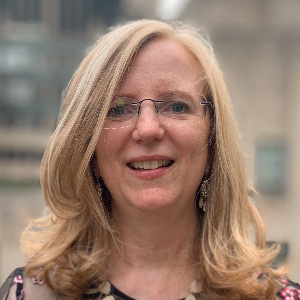
About Maria Rickert Hong CHHC
Maria Rickert Hong is a Co-Founder of, and the Education and Media Director for, Documenting Hope.
She is a former sell-side Wall Street equity research analyst who covered the oil services sector at Salomon Smith Barney and Lehman Brothers under Institutional Investor #1 ranked analysts.
Later, she covered the gaming, lodging & leisure sector at Jefferies & Co. and Calyon Securities. She quit working on Wall Street when her first son was born.
Prior to working on Wall Street, she was a marketing specialist for Halliburton in New Orleans, where she also received her MBA in Finance & Strategy from Tulane University.
She is the author of the bestselling book Almost Autism: Recovering Children from Sensory Processing Disorder and the co-author of Brain Under Attack: A Resource for Parents and Caregivers of Children with PANS, PANDAS, and Autoimmune Encephalitis. She is a co-author of Reversal of Autism Symptoms among Dizygotic Twins through a Personalized Lifestyle and Environmental Modification Approach: A Case Report and Review of the Literature, J. Pers. Med. 2024, 14(6), 641.
Maria is also a Certified Holistic Health Counselor. Her work can be found on DocumentingHope.com, Healing.DocumentingHope.com, Conference.DocumentingHope.com and MariaRickertHong.com
About Shandy Watters (Laskey) MA CCC-SLP FNTP
Shandy Watters (Laskey) is an integrative speech-language pathologist and pediatric feeding specialist, as well as a Functional Nutritional Therapy Practitioner, and Documenting Hope Health Coach.
She is a fierce nutrition advocate for children impacted by complex picky eating, neurodevelopmental disorders, and special needs. She is continuously advancing her knowledge in functional and bio-individual nutrition therapies for these specific demographics of children.

Shandy is the founder and CEO of Speaking of Health & Wellness, LLC. Through her own health and wellness journey, she learned the profound impact of nutrition and lifestyle on cognition and overall well-being first hand. Shandy has an intense passion for integrating holistic nutrition and lifestyle strategies into her work with families. She provides virtual and local parent coaching to guide families on identifying ways to address the underlying causes of their child’s condition and/or related symptoms, while also teaching integrative strategies for learning, behavior, communication and mealtimes.
Still Looking for Answers?
Visit the Documenting Hope Practitioner Directory to find a practitioner near you.
Join us inside our online membership community for parents, Healing Together, where you’ll find even more healing resources, expert guidance, and a community to support you every step of your child’s healing journey.
Sources & References
de Fátima Benato Fusco, S., et al. Efficacy of Flower Therapy for Anxiety in Overweight or Obese Adults: A Randomized Placebo-Controlled Clinical Trial. J Altern Complement Med. 2021 May;27(5):416-422.
Dixit, U.B., et al. Comparison of the effectiveness of Bach flower therapy and music therapy on dental anxiety in pediatric patients: A randomized controlled study. J Indian Soc Pedod Prev Dent. 2020 Jan-Mar;38(1):71-78.
Howard, J. Do Bach flower remedies have a role to play in pain control? A critical analysis investigating therapeutic value beyond the placebo effect, and the potential of Bach flower remedies as a psychological method of pain relief. Complement Ther Clin Pract. 2007 Aug;13(3):174-83.
Libster, M.M. Gentle remedies: Restoring faith in the first step of nonpharmacological infant mental health care for the prevention and treatment of "disruptive behavior". Arch Psychiatr Nurs. 2019 Jun;33(3):299-306.
Long, L., et al. Which complementary and alternative therapies benefit which conditions? A survey of the opinions of 223 professional organizations. Complement Ther Med. 2001 Sep;9(3):178-85.
Mantle, F. Bach flower remedies. Complement Ther Nurs Midwifery. 1997 Oct;3(5):142-4.
Oliva i Segura, M. [Emotional support and Bach Flower Therapy]. Rev Enferm. 2009 Oct;32(10):16-9.
Rocha, M.A., et al. Bach Flower Remedies as Complementary Therapies in Health Care: A Scope Review. Holist Nurs Pract. 2022 Nov-Dec;36(6):E64-E71.
Resources
Books
Gerber, Richard. Vibrational Medicine: The #1 Handbook of Subtle-Energy Therapies. Bear & Company, 2001.
Hess, Katie. Flowerevolution: Blooming into Your Full Potential with the Magic of Flowers. Hay House Inc., 2016.