Fecal Transplants: A Promising Treatment for Gut Health
Fecal transplants, also known as fecal microbiota transplants (FMT) and microbiota transfer therapy (MTT), have emerged as a promising treatment for various health conditions such as autism related to gut-microbiome imbalances. This innovative approach involves transferring healthy fecal matter from a donor to a recipient’s gastrointestinal tract to restore the balance of beneficial microbes.
What Are Fecal Transplants?
Fecal transplants are a medical procedure that involves transferring healthy fecal matter from a screened donor to a recipient’s gastrointestinal tract. The goal of this procedure is to restore the balance of beneficial microbes in the gut, which can become disrupted due to various factors such as antibiotic use, poor diet, or certain health conditions. By introducing a diverse array of healthy gut bacteria, fecal transplants aim to improve gut health and alleviate symptoms associated with various gastrointestinal disorders.
How Do Fecal Transplants Work?
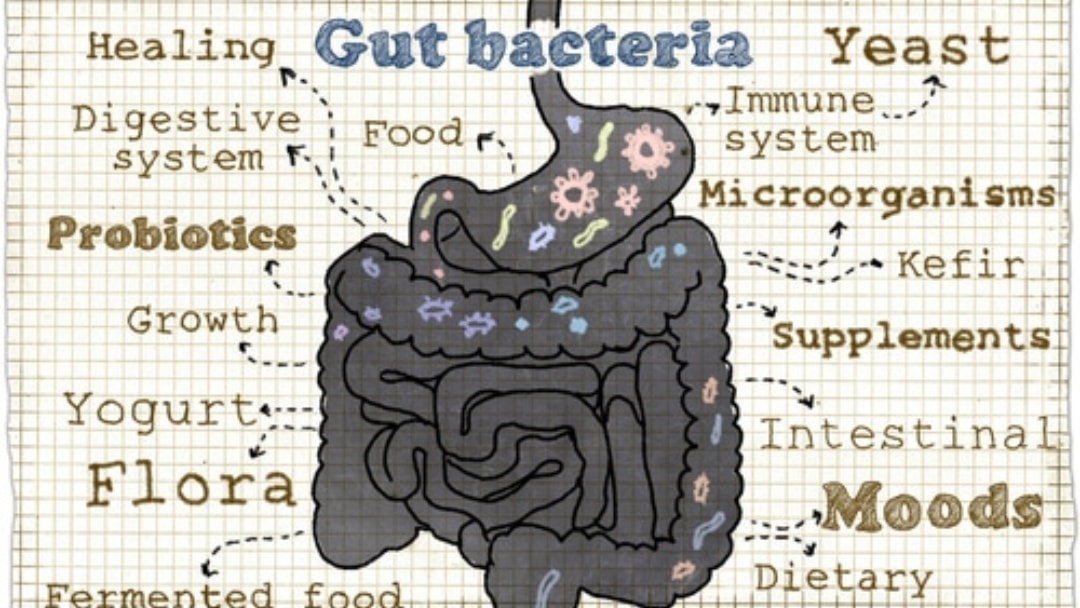
The human gut is home to trillions of microorganisms, collectively known as the gut microbiome. These bacteria play a crucial role in maintaining overall health, including digestion, immune function, and even mental well-being. When the balance of gut bacteria is disrupted, it can lead to various health issues.
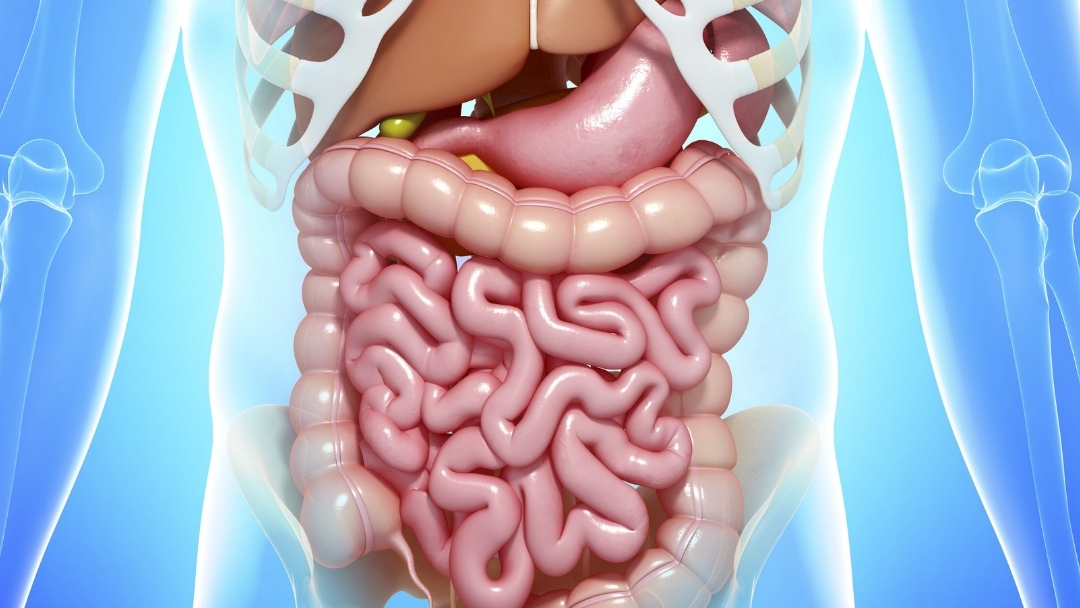
Fecal transplants work by introducing a diverse range of healthy gut bacteria from a donor into the recipient’s gastrointestinal tract. This is typically done through a colonoscopy, enema, or oral capsules containing freeze-dried fecal matter. The healthy bacteria then colonize the recipient’s gut, restoring the balance and diversity of the microbiome.
Which Health Conditions Can Fecal Transplants Help With?
Fecal transplants have shown promising results in treating several health conditions related to gut microbiome imbalances. The most well-established use of fecal transplants is in the treatment of recurrent Clostridium difficile (C. diff) infections. C. diff is a bacterial infection that causes severe diarrhea and can be life-threatening, especially for elderly patients.
Fecal transplants have been found to be highly effective in treating recurrent C. diff infections, with success rates of up to 90%. In addition to C. diff, fecal transplants are being explored as a potential treatment for other gastrointestinal disorders such as inflammatory bowel disease (IBD), irritable bowel syndrome (IBS), and chronic constipation. Researchers are also investigating the potential of fecal transplants in treating conditions beyond the gut, such as autism spectrum disorders, multiple sclerosis, and even obesity.
Research Supporting the Use of Fecal Transplants
The use of fecal transplants is supported by a growing body of scientific research; see Sources & References below. Numerous studies have demonstrated the effectiveness of fecal transplants in treating recurrent C. diff infections. A landmark study published in the New England Journal of Medicine in 2013 found that fecal transplants were more effective than antibiotics in treating recurrent C. diff, with a success rate of 81% compared to 31% for antibiotics. Since then, multiple studies have confirmed the efficacy of fecal transplants for this indication.
Research is also ongoing to explore the potential of fecal transplants in treating other health conditions. While more studies are needed to fully understand the mechanisms and long-term effects, the available evidence suggests that fecal transplants hold promise as a novel treatment approach for various gut-related disorders.
What to Expect from Fecal Transplants
While fecal transplants are not yet approved as a therapy in the U.S., there are treatment centers in other countries, and it may be possible to enroll in a fecal transplant clinical trial. If you are considering a fecal transplant for your child, it is important to understand what to expect from the procedure. Fecal transplants are typically performed by a gastroenterologist or other healthcare professional with specialized training. The procedure involves obtaining fecal matter from a carefully screened donor, which is then prepared and administered to the recipient. The transplant can be done through a colonoscopy, enema, or oral capsules.
Prior to the procedure, your child may need to undergo a bowel cleanse to prepare the gastrointestinal tract. After the transplant, your child may experience some temporary side effects such as bloating, gas, or diarrhea. These symptoms usually resolve within a few days as the gut adjusts to the new microbes. It is important to follow any post-procedure instructions provided by your healthcare team, such as avoiding certain foods or medications.
Conclusion
Fecal transplants represent a promising treatment approach for various health conditions related to gut microbiome imbalances. By restoring the balance and diversity of beneficial gut bacteria, fecal transplants have shown remarkable success in treating recurrent C. diff infections and hold potential for other gastrointestinal disorders.
As research continues to unravel the complexities of the gut microbiome and its impact on health, fecal transplants may offer new avenues for addressing a range of medical conditions. If you are considering a fecal transplant for your child, it is important to consult with a qualified healthcare professional to determine if it is an appropriate option for your child’s specific situation.
About Maria Rickert Hong CHHC
Maria Rickert Hong is a Co-Founder of, and the Education and Media Director for, Documenting Hope.
She is a former sell-side Wall Street equity research analyst who covered the oil services sector at Salomon Smith Barney and Lehman Brothers under Institutional Investor #1 ranked analysts.
Later, she covered the gaming, lodging & leisure sector at Jefferies & Co. and Calyon Securities. She quit working on Wall Street when her first son was born.

Prior to working on Wall Street, she was a marketing specialist for Halliburton in New Orleans, where she also received her MBA in Finance & Strategy from Tulane University.
She is the author of the bestselling book Almost Autism: Recovering Children from Sensory Processing Disorder and the co-author of Brain Under Attack: A Resource for Parents and Caregivers of Children with PANS, PANDAS, and Autoimmune Encephalitis. She is a co-author of Reversal of Autism Symptoms among Dizygotic Twins through a Personalized Lifestyle and Environmental Modification Approach: A Case Report and Review of the Literature, J. Pers. Med. 2024, 14(6), 641.
Maria is also a Certified Holistic Health Counselor. Her work can be found on DocumentingHope.com, Healing.DocumentingHope.com, Conference.DocumentingHope.com and MariaRickertHong.com
Still Looking for Answers?
Visit the Documenting Hope Practitioner Directory to find a practitioner near you.
Join us inside our online membership community for parents, Healing Together, where you’ll find even more healing resources, expert guidance, and a community to support you every step of your child’s healing journey.
Sources & References
Aroniadis, O.C., et al. Fecal microbiota transplantation: past, present and future. Curr Opin Gastroenterol. 2013;29(1):79-84.
Kang, D.W., et al. Long-term benefit of Microbiota Transfer Therapy on autism symptoms and gut microbiota. Scientific Reports. 9, 5821 (2019).
Kang, D.W., et al. Microbiota Transfer Therapy alters gut ecosystem and improves gastrointestinal and autism symptoms: an open-label study. Microbiome.2017 Jan 23;5(1):10.
Korpela, K., et al. Maternal Fecal Microbiota Transplantation in Cesarean-Born Infants Rapidly Restores Normal Gut Microbial Development: A Proof-of-Concept Study. Cell, 2020.
Wang, L., et al. FMT intervention decreases urine 5-HIAA levels: a randomized double-blind controlled study. Front Med (Lausanne). 2024 Oct 18:11:1411089.