What Is Herbal Medicine?
Herbal medicine, also referred to as botanical medicine or phytotherapy, is the practice of using plants or plant extracts for therapeutic purposes. For thousands of years, people across cultures worldwide have harnessed the healing properties of herbs and wild plants to address a wide variety of ailments, support health, and restore balance in the body and mind.
Herbal medicine often intermingles with conventional practices, holistic health modalities, and traditional wisdom. It’s often found in the form of teas, tinctures, capsules, topical salves, and even foods. Kitchen cabinets overflow with potential medicine: You probably have a kitchen cabinet stocked with culinary herbs that can help alleviate many different kinds of symptoms.
Herbal medicine centers on the idea that plants are not just passive background décor but active agents with the ability to nourish, protect, and gently support the body’s natural healing capacity. Some of the most common kitchen herbs—ginger, garlic, rosemary, thyme, and more—are all herbal medicine, capable of supporting digestion, immunity, inflammation, and more.
The Origin of Herbal Medicine
The roots of herbal medicine run as deep as humanity’s history itself. For millennia, knowledge of healing herbs was passed down through generations—mothers, grandmothers, and community healers all serving as trusted keepers of local plant wisdom.
Traditional cultures developed rich relationships with their local ecosystems, discovering which leaves soothed bug bites, which roots eased a cough, and which flowers could bring relief to an upset stomach. The transmission of knowledge was as much about mentorship and experience as it was about science. In the United States, for example, “eclectic medicine” emerged in the 19th century. Practitioners of eclectic medicine combined modern science with indigenous herbal knowledge, supporting women, Black people, and others historically excluded from the medical field to learn and teach healing.
Interestingly, many of today’s pharmaceuticals are derived from plant compounds—testament to the enduring medicinal value of plants. Modern herbalists emphasize that using whole plants in their natural form provides a diverse array of beneficial compounds working in synergy.
Is Herbal Medicine Safe for Children?
One of the most common questions parents ask is, “Is herbal medicine safe for my child?” The answer is nuanced. Many herbs are remarkably gentle and have a longstanding track record of safe use for people of all ages, especially when used as foods or mild teas. However, not all herbs are appropriate for children, and some can be harmful if used incorrectly.
To safely use herbs for children, start with the things that are GRAS (Generally Regarded As Safe). Start with culinary herbs and familiar “weeds” like dandelion, plantain, and calendula, all regarded as safe for most people, including children. However, individual responses to herbs can vary—what calms one child might not work as well for another. It’s important to start slowly, observe, and consult a skilled herbalist when in doubt.
It’s equally important to recognize and avoid toxic plants. Foraging or wildcrafting with children requires proper identification skills and an emphasis on learning about poisonous species first. Certain medicinal plants—like foxglove (Digitalis)—are highly dangerous if used inappropriately. Always use caution, seek professional support if needed, and avoid internet “memes” or unverified advice.
What Are the Benefits of Herbal Medicine?
Herbal medicine offers a wealth of benefits for children and families seeking gentle, effective options for supporting wellness and addressing common health complaints. Here are some of the most widely recognized advantages:
Gentleness and Suitability for Daily Use
Many herbs are so gentle they can be incorporated into daily routines. Chamomile tea, for example, is well-known for soothing both tummies and nerves. Kitchen herbs such as rosemary and thyme not only enhance flavor but also have carminative effects (helping with gas and digestion), antimicrobial properties, and antioxidant compounds.
Focus on Root Causes, Not Just Symptoms
Unlike the conventional “suppress the symptom” approach, herbalism considers the whole person. Herbs can help manage acute symptoms—like a sore throat or bug bite—but skillful herbalists look deeper, considering gut health, diet, lifestyle, and stress. This integrative approach supports the body’s innate ability to heal, rather than just masking complaints.
Affordability and Accessibility
Some of the best herbal remedies might be growing in your backyard or available at the grocery store. Plantain, dandelion, nettles, and other “weeds” can be gathered sustainably with basic knowledge, making herbal medicine both economical and accessible.
Sustainability
When practiced thoughtfully, herbalism encourages sustainable harvesting, local food systems, and respect for ecological communities. Many common herbs (like dandelion) are persistent, vigorous, and abundant—making them an excellent choice for those seeking low-impact remedies. If you’re harvesting them from your own yard, be sure that they’re not sprayed with pesticides or in an area where pets relieve themselves.
Examples of Herbal Remedies for Chronic Health Conditions
The use of herbs for chronic and acute health concerns is vast and adaptable. Here are some practical examples; for any of them, use as directed by your healthcare practitioner.
Lyme Disease
Most conventional doctors will often give a course or long-term courses of antibiotics to eradicate pathogens such as the Lyme disease pathogen Borrelia burgdorferi as well as Lyme co-infections such as Babesia, Ehrlichia, Bartonella, and Mycoplasma. Lyme-literate doctors, however, will often use gentle yet powerful herbal remedies such as cat’s claw, otaba bark extract, specialized stevia extract or huacapurana tree extract to heal the body from Lyme pathogens. If you or your child have Lyme disease, we recommend that you watch these expert interviews from Bill Rawls MD, Teresa Holler MS PA-C, and Lee Cowden MD MD(H) to understand an herbal approach to Lyme disease, which can be more effective and less harmful to the body than pharmaceutical antibiotics.
Gastrointestinal Symptoms
Herbal medicine has been used for centuries to help alleviate symptoms of gastrointestinal disorders such as constipation. More recently, they have been shown to improve the microbial balance in the intestinal tract by providing prebiotic material such as inulin that can become food for healthy bacteria in the gut. Here are common examples of herbs used to improve gastrointestinal symptoms.
Ginger
This herb is well known to relieve indigestion, bloating, gas, nausea (including pregnancy-related and motion sickness), and mild constipation. It can also accelerate gastric emptying, stimulate digestive enzymes, relax gastrointestinal muscles, reduce inflammation and protect the stomach lining. Making ginger tea made from fresh ginger is an easy way to give this herb to children.
Peppermint
This common herb has been used for centuries for help with digestive nausea and indigestion, especially after eating high-fat and fried foods. It can improve bile flow and reduce bloating and gas. Because this pleasant-tasting herb can relax the smooth muscles of the stomach and intestines, it may worsen symptoms in people with acid reflux or hiatal hernia; please consult your healthcare practitioner if you or your child have either of these conditions before using it. Peppermint tea, eating plain peppermint leaves and taking enteric-coated peppermint oil capsules are sugar-free ways to consume peppermint.
Dandelion Root
This herb is rich in prebiotic inulin, supports the good gut flora, and acts as a gentle liver tonic. Its bitter compounds stimulate bile production, enhancing fat digestion and promoting regular bowel movements, which helps relieve constipation and bloating. It also acts as a mild laxative and digestive tonic, improving nutrient absorption and reducing symptoms like indigestion, heartburn, and sluggish digestion.
Marshmallow Root
This herb’s mucilaginous (slippery) properties soothe and coat inflamed digestive tracts and throats, helping with acid reflux and irritation. It also protects and heals the gut lining.
Fennel Seed
This plant relaxes the smooth muscles of the gastrointestinal tract, reducing cramps, spasms, and bloating. It stimulates digestive enzymes and the flow of bile, which can support fat digestion and liver detoxification. Drinking fennel tea or chewing seeds after meals can support overall digestive function.
Aloe
This plant produces a gel that forms a protective coating on the stomach and intestinal lining, which can relieve heartburn and ulcers. Aloe has anti-inflammatory properties that reduce irritation in the esophagus and intestines, helping with conditions such as acid reflux and IBS (Irritable Bowel Syndrome).
Plantain
This herb contains mucilage, a gel-forming fiber that coats and soothes irritated mucous membranes in the digestive tract. Plantago major has been used since ancient times for constipation as well as diarrhea. Compounds in plantain can reduce inflammation and promote repair of mucosal tissues; thus, it can support healing of intestinal ulcers as well as leaky gut and gut dysbiosis. Bulking fiber from Plantago ovata (also known as psyllium husk) aids in regularity of bowel movements and assists in detoxification.
Immune Support
In addition to alleviating symptoms of common gastrointestinal complaints, herbs have long been used for immune support during common ailments such as colds, coughs and fevers. Here are examples of these kinds of herbs. Please note that many of them are common kitchen herbs that can also be used therapeutically.
Thyme
This herb acts as an expectorant, decongestant, antimicrobial, and soothes coughs. Its blend of antioxidants, immune-boosting compounds, and vitamins A and C stimulate white-blood-cell activity, enhance mucosal barriers, and protect cells from oxidative damage. Thyme also supports gut health by promoting a balanced intestinal flora. Its use in infusions (teas) or steam inhalation is particularly helpful during cold and flu season, helping to relieve respiratory symptoms.
Rosemary
Rosemary supports the immune system through its abundance of antioxidants and bioactive compounds that combat oxidative stress and reduce inflammation. It also supports circulation and mental clarity, and has respiratory benefits. Its phytochemicals neutralize free radicals, reduce inflammation, and support immune-cell function.
Garlic
Garlic is ubiquitously used around the world for centuries as both a flavor enhancer as well as an immune-system support. Its chemical compounds have a wide variety of healing mechanisms. It can activate immune cells, modulate cytokines, reduce oxidative stress and inflammation, inhibit viral entry, suppress viral replication, and promotes beneficial gut bacteria.
Elderberry
This plant is well known for its antiviral properties and ability to shorten the duration of respiratory illnesses such as colds. It can modulate the immune system by stimulating the production of cytokines and enhancing the activity of immune cells. It supports overall immune balance with its antioxidant and anti-inflammatory effects that help to reduce oxidative stress and lower inflammation.
Echinacea
Because this plant is an immune-stimulant and modulator, it is helpful to use it at the start and end of illnesses. It enhances both the innate and adaptive immune responses. It also supports antibody production and modulates inflammatory responses, potentially reducing the severity and duration of upper respiratory infections like the common cold. Its antioxidant and anti-inflammatory properties also protect immune cells from oxidative damage during infection. Additionally, it may inhibit viral replication and support mucosal immunity.
Yarrow
This herb of the genus Achillea has a wide variety of mechanisms to support the immune system. It can help help combat viral infections, activate immune cells, reduce inflammation, and protect cells from oxidative stress. It is an expectorant and can help clear mucus from the airways. Its soothing effect on irritated mucous membranes can relieve sore throats and ease breathing during colds or allergies. It can also encourage sweating and is useful in supporting the body’s response to fever.
Anxiety
Herbal medicine can be used as a frontline choice to reduce symptoms of anxiety. Many herbs have been used for centuries to promote relaxation for both children and adults. The following herbs are well known for their ability to calm and soothe.
Chamomile
This gentle herb can calm nerves and tummies. It is typically well loved by children. Chamomile’s primary active compound, apigenin, is a flavonoid that binds to GABA, a key neurotransmitter that reduces neural excitability and helps regulate mood and anxiety. GABA works similarly to how benzodiazepine medications work, thus promoting calmness and reducing anxiety, without dependency and addiction. It helps quiet the nervous system, eases tension and supports relaxation. Chamomile tea is often a favorite way for many to enjoy this calming herb.
Lavender
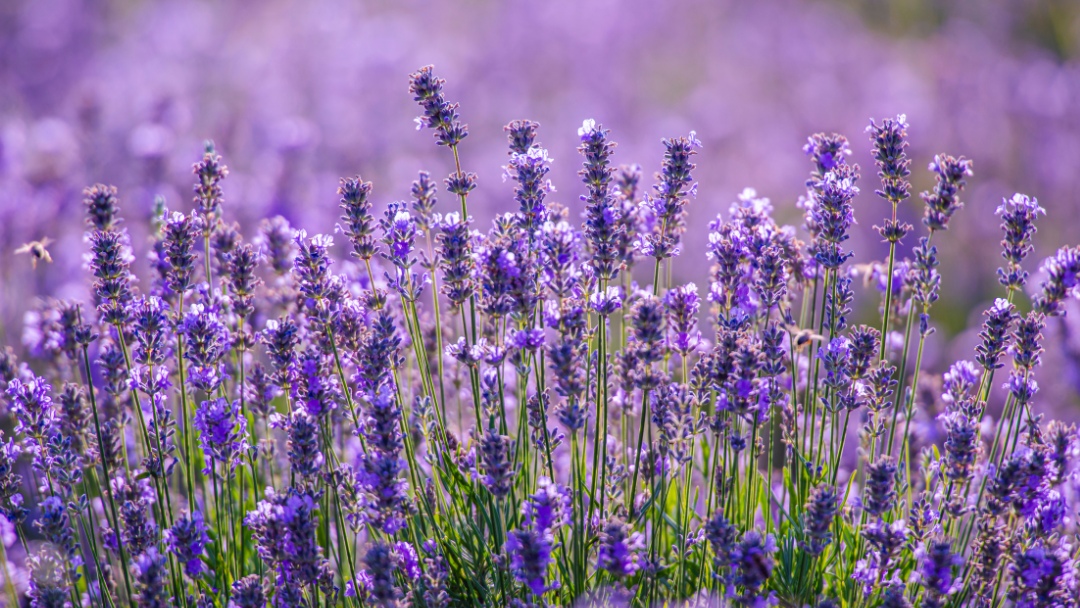
Lavender is well known to be calming and soothing. Aromatherapy or teas made from this herb can help calm anxiety. Lavender essential oil in particular can be well suited for children when used safely. Its phytochemical compounds enhance the activity of GABA, as described in the above reference for chamomile.
Lemon Balm
This multi-purpose herb can calm the nerves, ease digestion, support viral defense, and soothe fevers. With respect to anxiety, it also increases levels of GABA, the calming neurotransmitter. It has been linked to improved mood, cognitive function, and sleep quality.
Passionflower
This herb can soothe restlessness, promote sleep, and quiet racing minds in children and adults. It also enhances GABA. A systematic review found that it may be as effective as prescription anti-anxiety medications like oxazepam or midazolam in reducing anxiety without causing significant cognitive impairment or sedation. It can can significantly reduce symptoms of anxiety and manage anxiety-related sleep issues. Passionflower is generally well-tolerated, with drowsiness being the most common side effect.
Skullcap
Skullcap supports anxiety primarily by enhancing the activity of GABA. It promotes relaxation without significant sedation. It is especially beneficial for people experiencing “tired and wired” states, ruminative thoughts, panic attacks or anxiety-related insomnia. It is valued as a nervine tonic for long-term nervous system support, helping restore balance after chronic stress, burnout, or emotional strain.
Holy Basil (Tulsi)
This herb can help the body adapt to stress while supporting digestion and mental calm. It supports anxiety primarily through its adaptogenic properties, which help the body manage stress and regulate the stress hormone cortisol. It can reduce cortisol levels by modulating the HPA axis (hypothalamic-pituitary-adrenal axis), the body’s central stress response system. This helps prevent the damaging effects of chronic stress and promotes emotional balance. Like other anxiety-relieving herbs, it also boosts GABA. It is often consumed through teas and tinctures, making it easy for children to take.
Linden
This gentle, supportive herb can feel like a “giant hug” because it mimics the calming action of GABA. Linden supports anxiety primarily through its calming, nervine properties that soothe the nervous system. It is traditionally used to reduce stress, tension, and restlessness, making it beneficial for both mild anxiety and sleep difficulties caused by overstimulation. While linden is generally safe, it should be used cautiously by those on diuretics, lithium, or with heart conditions. Always consult a healthcare provider before starting new herbal treatments.
Topical Remedies for Temporary Skin Conditions
Bug bites and rashes are often alleviated with herbal medicine. Following are common herbs that can help with these temporary skin conditions.
Plantain
This common yard plant can be mashed and then applied as a poultice for stings, bites, and skin irritations. Its juice can rapidly relieve itching and help to draw out toxins from the skin. Plantain has anti-inflammatory effects that can reduce redness, swelling, and discomfort from conditions such as eczema, dermatitis, insect bites, and sunburn. Mucilage in its leaves provide natural hydration and forms a protective barrier, preventing moisture loss and soothing dry, irritated skin.
Comfrey
This herb is well known for its ability to help heal skin, muscles and tendons. It forms a protective barrier on the skin and helps reduce redness, swelling, and discomfort associated with irritated skin. It is effective for calming conditions such as eczema, dermatitis, sunburn, rashes, and insect bites. It should only be used topically, as internal use could induce liver toxicity.
Calendula
This plant can soothe skin irritations and support tissue repair. It can help reduce redness, swelling, and discomfort by calming inflammatory responses in the skin. You can often find it sold in the form of a salve that can be gently rubbed onto the skin.
Jewel Weed
Serendipitously, this wild plant often grows alongside poison ivy. The stem can be mashed and then used as a poultice to reduce itching and swelling to poison ivy exposure. The plant’s sap can counteract the irritating oil urushiol, which causes the rash. You can purchase soaps and salves containing jewel weed to help alleviate these rashes.
Practical Tips for Working with Herbal Medicine
- Always consult with a healthcare practitioner or herbalist to determine if a particular herb could be beneficial for you or your child.
- Herbal teas, infused honeys, and homemade popsicles (made with herbal teas and fruit) are great ways to encourage children to enjoy herbal remedies.
- Learn to identify what grows locally before venturing into wildcrafting. Start by learning which plants are unsafe to avoid accidental ingestion.
- When possible, seek out local herbalists, bulk-herb suppliers, and sustainable apothecaries for freshness and ethical sourcing.
In Conclusion
Herbal medicine represents much more than a return to old-fashioned remedies. It’s about reclaiming foundational knowledge, nurturing family and community connections, and building resilient habits that work alongside science and modern medicine. For families raising children in a world where chronic health issues are increasingly common, herbal wisdom offers practical, gentle, and empowering tools.
Herbs can be very helpful, but they are not a quick-fix pill. They support and facilitate deeper healing, especially when combined with thoughtful adjustments to diet, environment, and lifestyle. You can use herbal medicine as part of a holistic, individualized approach—one rooted in respect for your unique child, your local ecosystem, and the time-honored practice of learning from what grows around you.
About Maria Rickert Hong CHHC
Maria Rickert Hong is a Co-Founder of, and the Education and Media Director for, Documenting Hope.
She is a former sell-side Wall Street equity research analyst who covered the oil services sector at Salomon Smith Barney and Lehman Brothers under Institutional Investor #1 ranked analysts.
Later, she covered the gaming, lodging & leisure sector at Jefferies & Co. and Calyon Securities. She quit working on Wall Street when her first son was born.

Prior to working on Wall Street, she was a marketing specialist for Halliburton in New Orleans, where she also received her MBA in Finance & Strategy from Tulane University.
She is the author of the bestselling book Almost Autism: Recovering Children from Sensory Processing Disorder and the co-author of Brain Under Attack: A Resource for Parents and Caregivers of Children with PANS, PANDAS, and Autoimmune Encephalitis. She is a co-author of Reversal of Autism Symptoms among Dizygotic Twins through a Personalized Lifestyle and Environmental Modification Approach: A Case Report and Review of the Literature, J. Pers. Med. 2024, 14(6), 641.
Maria is also a Certified Holistic Health Counselor. Her work can be found on DocumentingHope.com, Healing.DocumentingHope.com, Conference.DocumentingHope.com and MariaRickertHong.com
Still Looking for Answers?
Visit the Documenting Hope Practitioner Directory to find a practitioner near you.
Join us inside our online membership community for parents, Healing Together, where you’ll find even more healing resources, expert guidance, and a community to support you every step of your child’s healing journey.
Sources & References
Adom, M.B., et al. Chemical constituents and medical benefits of Plantago major. Biomed Pharmacother. 2017 Dec:96:348-360.
Akhgarjand, C., et al. Does Ashwagandha supplementation have a beneficial effect on the management of anxiety and stress? A systematic review and meta-analysis of randomized controlled trials. Phytother Res. 2022 Nov;36(11):4115-4124.
Ahmed, H.M., et al. Investigation of rosemary herbal extracts (Rosmarinus officinalis) and their potential effects on immunity. Phytother Res. 2020 Aug;34(8):1829-1837.
Allen, R.W., et al. Cinnamon use in type 2 diabetes: an updated systematic review and meta-analysis. Ann Fam Med. 2013 Sep-Oct;11(5):452-9.
Allio, A., et al. Bud extracts from Tilia tomentosa Moench inhibit hippocampal neuronal firing through GABAA and benzodiazepine receptors activation. J Ethnopharmacol. 2015 Aug 22:172:288-96.
Ankri, S., et al. Antimicrobial properties of allicin from garlic. Microbes Infect. 1999 Feb;1(2):125-9.
Arado, G.M., et al. Anti-inflammatory and/or immunomodulatory activities of Uncaria tomentosa (cat's claw) extracts: A systematic review and meta-analysis of in vivo studies. Front Pharmacol. 2024 May 31:15:1378408.
Arreola, R., et al. Immunomodulation and anti-inflammatory effects of garlic compounds. J Immunol Res. 2015:2015:401630.
Bodagh, M.N., et al. Ginger in gastrointestinal disorders: A systematic review of clinical trials. Food Sci Nutr. 2018 Nov 5;7(1):96-108.
Brock, C., et al. American Skullcap (Scutellaria lateriflora): a randomised, double-blind placebo-controlled crossover study of its effects on mood in healthy volunteers. Phytother Res. 2014 May;28(5):692-8.
Brorson, O., et al. Grapefruit seed extract is a powerful in vitro agent against motile and cystic forms of Borrelia burgdorferi sensu lato. Infection. 2007 Jun;35(3):206-8.
Donelli, D., et al. Effects of lavender on anxiety: A systematic review and meta-analysis. Phytomedicine. 2019 Dec:65:153099.
Feng, J., et al. Evaluation of Natural and Botanical Medicines for Activity Against Growing and Non-growing Forms of B. burgdorferi. Front. Med., 21 Feb 2020.
Feng, J., et al. Selective Essential Oils from Spice or Culinary Herbs Have High Activity against Stationary Phase and Biofilm Borrelia burgdorferi. Front Med (Lausanne).2017 Oct 11;4:169.
Gadidala, S.K., et al. Effect of garlic extract on markers of lipid metabolism and inflammation in coronary artery disease (CAD) patients: A systematic review and meta-analysis. Phytother Res. 2023 Jun;37(6):2242-2254.
Ghazizadeh, G., et al. The effects of lemon balm (Melissa officinalis L.) on depression and anxiety in clinical trials: A systematic review and meta-analysis. Phytother Res. 2021 Dec;35(12):6690-6705.
Givol, O., et al. A systematic review of Calendula officinalis extract for wound healing. Wound Repair Regen. 2019 Sep;27(5):548-561.
Hawkins, J., et al. Black elderberry (Sambucus nigra) supplementation effectively treats upper respiratory symptoms: A meta-analysis of randomized, controlled clinical trials. Complement Ther Med. 2019 Feb:42:361-365.
He, Y., et al. Curcumin, inflammation, and chronic diseases: how are they linked? Molecules. 2015 May 20;20(5):9183-213.
Janda, K., et al. Passiflora incarnata in Neuropsychiatric Disorders-A Systematic Review. Nutrients. 2020 Dec 19;12(12):3894.
Kim, S.K., et al. Hypoglycemic efficacy and safety of Momordica charantia (bitter melon) in patients with type 2 diabetes mellitus. Complement Ther Med. 2020 Aug:52:102524.
Kongkeaw, C., et al. Meta-analysis of randomized controlled trials on cognitive effects of Bacopa monnieri extract. J Ethnopharmacol. 2014;151(1):528-35.
Li, C., et al. The potential of plant extracts in cell therapy. Stem Cell Res Ther. 2022 Sep 14;13(1):472.
Li, Y., et al. The potential of dandelion in the fight against gastrointestinal diseases: A review. J Ethnopharmacol. 2022 Jul 15:293:115272.
Li, Z., et al. Ginger for treating nausea and vomiting: an overview of systematic reviews and meta-analyses. Int J Food Sci Nutr. 2024 Mar;75(2):122-133.
Liu, Q., et al. Antibacterial and Antifungal Activities of Spices. Int J Mol Sci. 2017 Jun 16;18(6):1283.
Lopresti, A.L., et al. A randomized, double-blind, placebo-controlled trial investigating the effects of an Ocimum tenuiflorum (Holy Basil) extract (HolixerTM) on stress, mood, and sleep in adults experiencing stress. Front Nutr. 2022 Sep 2:9:965130.
Mao, J.J., et al. Long-Term Chamomile Therapy of Generalized Anxiety Disorder: A Study Protocol for a Randomized, Double-Blind, Placebo- Controlled Trial. J Clin Trials. 2014 Nov;4(5):188.
Motz, V.A., et al. The effectiveness of jewelweed, Impatiens capensis, the related cultivar I. balsamina and the component, lawsone in preventing post poison ivy exposure contact dermatitis. J Ethnopharmacol. 2012 Aug 30;143(1):314-8.
Najafian, Y., et al. Plantago major in Traditional Persian Medicine and modern phytotherapy: a narrative review. Electron Physician. 2018 Feb 25;10(2):6390-6399.
Przybyszewska, J., et al. The role and therapeutic effectiveness of Plantago ovata husk (psyllium husk) in the prevention and non-pharmacological treatment of gastrointestinal diseases. Part 2. Clinical use of psyllium husk in the treatment of constipation and diarrhea. Prz Gastroenterol. 2025;20(2):121-126.
Saadatmand, S., et al. The Effect of Oral Chamomile on Anxiety: A Systematic Review of Clinical Trials. Clin Nutr Res. 2024 Apr 23;13(2):139-147.
Saeidnia, S., et al. A review on phytochemistry and medicinal properties of the genus Achillea. Daru. 2011;19(3):173-86.
Scarpellini, E., et al. The Use of Peppermint Oil in Gastroenterology. Curr Pharm Des. 2023;29(8):576-583.
Siddiqui, M.Z. Boswellia serrata, a potential antiinflammatory agent: an overview. Indian J Pharm Sci. 2011 May;73(3):255-61.
Staiger, C. Comfrey: a clinical overview. Phytother Res. 2012 Oct;26(10):1441-8.
Theophilus, P.A., et al. Effectiveness of Stevia Rebaudiana Whole Leaf Extract Against the Various Morphological Forms of Borrelia Burgdorferi in Vitro. Eur J Microbiol Immunol (Bp). 2015 Nov 12;5(4):268-80.
Vassiliou, E., et al. Anti-Inflammatory and Antimicrobial Properties of Thyme Oil and Its Main Constituents. Int J Mol Sci. 2023 Apr 8;24(8):6936.
Wang, S., et al. Positive Role of Chinese Herbal Medicine in Cancer Immune Regulation. Am J Chin Med. 2020;48(7):1577-1592.
Wieland, S.L., et al. Elderberry for prevention and treatment of viral respiratory illnesses: a systematic review. BMC Complement Med Ther. 2021 Apr 7;21(1):112.
Wu, K.L., et al. Effects of ginger on gastric emptying and motility in healthy humans. Effects of ginger on gastric emptying and motility in healthy humans. Eur J Gastroenterol Hepatol. 2008 May;20(5):436-40.
Zhang, J., et al. [Study on Panax notoginseng mobilizing marrow stem cells efferens efficiency of acute myocardial infarction in rats]. Zhongguo Zhong Yao Za Zhi. 2009 Apr;34(7):893-5.
Zheng, H., et al. Total saponins of Panax notoginseng enhance VEGF and relative receptors signals and promote angiogenesis derived from rat bone marrow mesenchymal stem cells. J Ethnopharmacol. 2013 Jun 3;147(3):595-602.
Zhi, Z., et al. Enhancement of innate and adaptive immune functions by multiple Echinacea species. J Med Food. 2007 Sep;10(3):423-34.
Resources
Books
Buhner, Stephen Harrod. Healing Lyme: Natural Healing of Lyme Borreliosis and the Coinfections Chlamydia and Spotted Fever Rickettsiosis. Raven Press, 2015.
Buhner, Stephen Harrod. Herbal Antibiotics, 2nd Edition: Natural Alternatives for Treating Drug-resistant Bacteria. Storey Publishing, 2012.
Buhner, Stephen Harrod. Herbal Antivirals: Natural Remedies for Emerging & Resistant Viral Infections. Storey Publishing, 2013.
Candee, Andrea, et al. Gentle Healing for Baby and Child: A Parent's Guide to Child-Friendly Herbs and Other Natural Remedies for Common Ailments and Injuries. Gallery Books, 2003.
Gladstar, Rosemary. Herbs for Children's Health: How to Make and Use Gentle Herbal Remedies for Soothing Common Ailments. Storey Publishing, 2015.
Gladstar, Rosemary. Herbs for Stress & Anxiety: How to Make and Use Herbal Remedies to Strengthen the Nervous System. Storey Publishing, 2014.
Hoffmann, David. The Complete Illustrated Holistic Herbal: A Safe and Practical Guide to Making and Using Herbal Remedies. Element Books Ltd., 1996.
McIntyre, Anne. The Herbal for Mother and Child. Thorsons, 2003.
Payeur, Jennifer. Ancient Plant Wisdom: How to Improve and Maintain Your Health Using Concentrated Plant Stem Cell Remedies. Gatekeeper Press, 2025.
Rawls, Bill. The Cellular Wellness Solution: Tap Into Your Full Health Potential with the Science-Backed Power of Herbs. Vital Plan, Inc., 2022.