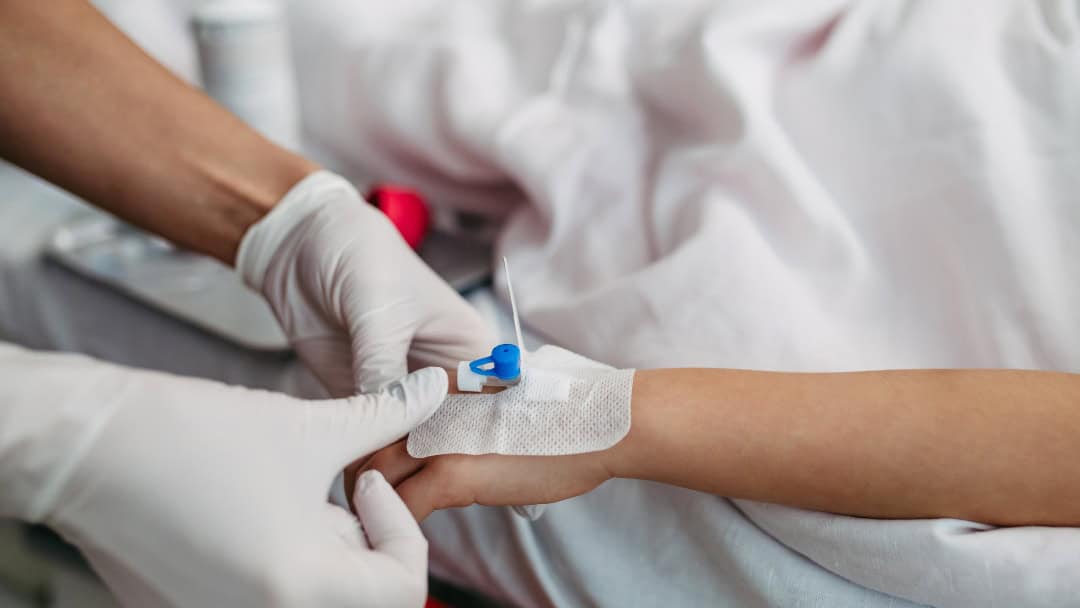

Shepherd’s remarkable story first appeared in The New York Times several years ago. Shepherd was diagnosed with juvenile idiopathic arthritis at age three. He had trouble walking and difficulty getting out of bed. Doctors told him he would always be sick. Now age eight, Shepherd has completely healed from his arthritis. He is a happy, healthy, pain-free boy!
The following story was originally published in The New York Times by Shepherd’s mother, journalist Susannah Meadows. You can read the full story here.
Soccer Lessons Didn’t Go Well
Shepherd and his three-year old twin brother, Beau, were both excited for their first soccer lessons. But before long, the excitement turned to tears for Shepherd. While Beau was running around enjoying “soccer school” Shepherd seemed lost, exhausted, and just wanted to sit on his mom’s lap. At their second lesson, Shepherd burst into tears the moment he started to run.
Something was wrong.
An X-ray showed no injury. Then a doctor suggested arthritis was most likely the issue. While alarming news to hear about a three-year-old, it did seem to explain Shepherd’s continued physical decline. He was spending more and more time on the couch. He walked stiff-legged. He had trouble getting out of bed.
A month later, he received an official diagnoses: juvenile idiopathic arthritis (JIA), an autoimmune disease that causes painful swelling in the joints. JIA can lead to stunted growth, disability, and rarely, blindness.
Time for Treatment
Shepherd began taking an anti-inflammatory medication called naproxen. The arthritis kept spreading. Next his doctor switched him to a new medication. But the list of serious side effects was terrifying to his mother. She had been told Shepherd was unlikely to ever outgrow his condition. So did that mean medications for life? What would this drug do long-term to a three-year-old?
Seeking an Alternative
Through a family connection, Shepherd’s mom was introduced to a woman who had put her son’s arthritis into remission with alternative therapy. They got on the phone and shared stories. Shepherd’s mom quickly put pen to paper and took notes.
Dietary changes. Supplements. A combination of ibuprofen and Tylenol. A Chinese concoction called four-marvels powder. The woman said it had taken six weeks to start working for her son.
A Mix of Both
Shepherd’s parents and doctors agreed to try the alternative regimen while maintaining the current levels of medication. If the approach didn’t work after six weeks, they would increase the medication dosage.
At six weeks – to the day – Shepherd woke up, and for the first time in months, got out of bed himself. “Mommy,” he said, “my knees don’t hurt anymore.” Within several months his arthritis pain was gone.
In Remission
Shepherd was weaned off the medication entirely. He was finally able to initiate running races. He did his version of karate. And he caught up in height with his brother, after falling behind while sick. Another side effect of the medication also disappeared – he no longer got sick twice as often as his twin.
Shepherd had five flare-ups his first year in remission. Two of them followed courses of antibiotics. The other three came on the heels of accidentally eating gluten. He had a chocolate-chip cookie, a couple bites of toast, less than a quarter of a sandwich on sourdough. Each time, he felt pain within 24 hours, and it lasted as long as two weeks.
High Fives
Shepherd’s doctor examined him the following year and found that he had no active arthritis. That night when his mom kissed Shepherd good night, she told him to give her five. “For the no arthritis?” he asked. She nodded, holding out her hand. He slapped her palm again and again, over and over. It sounded like clapping.
Still Looking for Answers?
Visit the Documenting Hope Practitioner Directory to find a practitioner near you.
Join us inside our online membership community for parents, Healing Together, where you’ll find even more healing resources, expert guidance, and a community to support you every step of your child’s healing journey.
Sources & References
Abend, A.H., et al. Estimation of prevalence of autoimmune diseases in the United States using electronic health record data. J Clin Invest. 2024 Dec 12;135(4):e178722.
Allen, A.J., et al. Case study: a new infection-triggered, autoimmune subtype of pediatric OCD and Tourette's syndrome. J Am Acad Child Adolesc Psychiatry. 1995 Mar;34(3):307-11.
Andrés-Rodríguez, L., et al. Immune-inflammatory pathways and clinical changes in fibromyalgia patients treated with Mindfulness-Based Stress Reduction (MBSR): A randomized, controlled clinical trial. Brain Behav Immun. 2019 Aug:80:109-119.
Arnold, P.D., et al. Is obsessive-compulsive disorder an autoimmune disease? Canadian Medical Association Journal. 2001 Nov 13;165(10):1353-8.
Bahr, L.S., et al. Ketogenic diet and fasting diet as Nutritional Approaches in Multiple Sclerosis (NAMS): protocol of a randomized controlled study. Trials. 2020 Jan 2;21(1):3.
Bisht, B., et al. Multimodal intervention improves fatigue and quality of life in subjects with progressive multiple sclerosis: a pilot study. Degener Neurol Neuromuscul Dis. 2015;5:19-35.
Bourre, J.M. Effects of nutrients (in food) on the structure and function of the nervous system: update on dietary requirements for brain. Part 1: micronutrients. J Nutr Health Aging. 2006 Sep-Oct;10(5):377-85.
Bourre, J.M. Effects of nutrients (in food) on the structure and function of the nervous system: update on dietary requirements for brain. Part 2 : macronutrients. J Nutr Health Aging. 2006 Sep-Oct;10(5):386-99.
Brenton, J.N., et al. Phase II study of ketogenic diets in relapsing multiple sclerosis: safety, tolerability and potential clinical benefits. J Neurol Neurosurg Psychiatry. 2022 Jun;93(6):637-644.
Brenton, J.N., et al. Pilot study of a ketogenic diet in relapsing-remitting MS. Neurol Neuroimmunol Neuroinflamm. 2019 Apr 12;6(4):e565.
Camara-Lemarroy, C.R., et al. Focus on the gut-brain axis: Multiple sclerosis, the intestinal barrier and the microbiome. World J Gastroenterol. 2018 Oct 7;24(37):4217-4223.
Chen, M., et al. The prevalence of bipolar disorder in autoimmune disease: a systematic review and meta-analysis. Ann Palliat Med. 2021 Jan;10(1):350-361.
Chenard, C.A., et al. Nutrient Composition Comparison between a Modified Paleolithic Diet for Multiple Sclerosis and the Recommended Healthy U.S.-Style Eating Pattern. Nutrients. 2019 Mar 1;11(3):537.
Cipriano, P.M. Autoimmune Epilepsy Temporally Associated With Lyme Disease: A Report of Two Cases. Cureus. 2026 Mar 14;18(3):e105228.
Correale, J., et al. The role of the gut microbiota in multiple sclerosis. Nat Rev Neurol. 2022 Sep;18(9):544-558.
Dashore, J. A., et al. Autism Spectrum Disorders and Lyme Disease: Exploring Shared Neuro-Inflammatory and Immune Pathways. Medical Research Archives, [online] 13(11).
Dashore, J. A., et al. Chronic Inflammatory Response Syndrome: Exploring Neuroimmune Pathology and Multisystem Framework for Differential Diagnosis in Pediatrics- Part 1. Medical Research Archives, [S.l.], v. 13, n. 10, Oct. 2025.
Dashore, J. A., et al. Pediatric Neuroimmune and Inflammatory Overlap: Immunopathology of PANS/PANDAS in Autism Spectrum Disorder. Medical Research Archives, [S.l.], v. 14, n. 1, jan. 2026.
de Goffau, M.C., et al. Fecal microbiota composition differs between children with beta-cell autoimmunity and those without. Diabetes. 2013;62(4):1238-44.
Di Majo, D., et al. Ketogenic and Modified Mediterranean Diet as a Tool to Counteract Neuroinflammation in Multiple Sclerosis: Nutritional Suggestions. Nutrients. 2022 Jun 8;14(12):2384.
Dinse, G.E., et al. Increasing Prevalence of Antinuclear Antibodies in the United States. Arthritis Rheumatol. 2022 Dec;74(12):2032-2041.
Endres, D., et al. Immunological causes of obsessive-compulsive disorder: is it time for the concept of an “autoimmune OCD” subtype? Translational Psychiatry. 12, Article number: 5 (2022).
Engelenburg, H.J., et al. Multiple sclerosis and the microbiota: Progress in understanding the contribution of the gut microbiome to disease. Evol Med Public Health. 2022 Jun 13;10(1):277-294.
Fan, Y., et al. Dietary Modulation of Intestinal Microbiota: Future Opportunities in Experimental Autoimmune Encephalomyelitis and Multiple Sclerosis. Front Microbiol. 2019 Apr 16;10:740.
Ferretti, J.W., et al. Post-Streptococcal Autoimmune Sequelae: Rheumatic Fever and Beyond. Streptococcus pyogenes : Basic Biology to Clinical Manifestations [Internet]. 2016 Feb 10. Oklahoma City (OK): University of Oklahoma Health Sciences Center.
Fettig, N.M., et al. Direct and indirect effects of microbiota-derived metabolites on neuroinflammation in multiple sclerosis. Microbes Infect. 2021 Jul-Aug;23(6-7):104814.
Gottfried, C., et al. The Impact of Neuroimmune Alterations in Autism Spectrum Disorder. Front Psychiatry. 2015 Sep 9:6:121.
Hardin, H., et al. An updated review of pediatric autoimmune neuropsychiatric disorders associated with Streptococcus/pediatric acute-onset neuropsychiatric syndrome, also known as idiopathic autoimmune encephalitis: What the allergist should know. Ann Allergy Asthma Immunol. 2023 Nov;131(5):567-575.
Harding, C.F., et al. Mold inhalation causes innate immune activation, neural, cognitive and emotional dysfunction. Brain Behav Immun. 2020 Jul:87:218-228.
Irish, A.K., et al. Randomized control trial evaluation of a modified Paleolithic dietary intervention in the treatment of relapsing-remitting multiple sclerosis: a pilot study. Degener Neurol Neuromuscul Dis. 2017 Jan 4;7:1-18.
Jahreis, S., et al. Mold metabolites drive rheumatoid arthritis in mice via promotion of IFN-gamma- and IL-17-producing T cells. Food Chem Toxicol. 2017 Nov;109(Pt 1):405-413.
Jayasinghe, M., et al. The Role of Diet and Gut Microbiome in Multiple Sclerosis. Cureus. 2022 Sep 9;14(9):e28975.
Kim., Y., et al. Obsessive-Compulsive Disorder Related to Mycoplasma-Associated Autoimmune Encephalopathy with Basal Ganglia Involvement. Child Adolesc Psychopharmacol. 2016 May;26(4):400-2.
Kim-Lee, C., et al. Gastrointestinal disease in Sjogren's syndrome: related to food hypersensitivities. Springerplus. 2015 Dec 12;4:766.
Kinashi, Y., et al. Partners in Leaky Gut Syndrome: Intestinal Dysbiosis and Autoimmunity. Front Immunol. 2021 Apr 22:12:673708.
Kovacevic, M., et al. Use of Intravenous Immunoglobulin in the Treatment of Twelve Youths with Pediatric Autoimmune Neuropsychiatric Disorders Associated with Streptococcal infections. J Child Adolesc Psychopharmacol. 2015 Feb;25(1):65-9.
Kraft, S., et al. Mold, Mycotoxins and a Dysregulated Immune System: A Combination of Concern? Int J Mol Sci. 2021 Nov 12;22(22):12269.
Kurlan, R. Tourette's syndrome and 'PANDAS': will the relation bear out? Pediatric autoimmune neuropsychiatric disorders associated with streptococcal infection. Neurology. 1998 Jun;50(6):1530-4.
Lancaster, E. The Diagnosis and Treatment of Autoimmune Encephalitis. J Clin Neurol. 2016 Jan;12(1):1-13.
Latimer, M.E., et al. Therapeutic plasma apheresis as a treatment for 35 severely ill children and adolescents with pediatric autoimmune neuropsychiatric disorders associated with streptococcal infections. J Child Adolesc Psychopharmacol. 2015 Feb;25(1):70-5.
Lieberman, A., et al. Mold Exposure and Mitochondrial Antibodies. Altern Ther Health Med. 2020 Nov;26(6):44-47.
Liu, S., et al. Poor glycaemic control is associated with increased risk of neurodevelopmental disorders in childhood-onset type 1 diabetes: a population-based cohort study. Diabetologia. 2021 Apr;64(4):767-777.
Marcello, A., et al. Pediatric Autoimmune Neuropsychiatric Disorders Associated with Streptococcal Infections (PANDAS): An Evolving Concept. Tremor Other Hyperkinet Mov (N Y). 2013 Sep 25;3. pii: tre-03-167-4158-7.
Martinelli, V., et al. Gut-oriented interventions in patients with multiple sclerosis: fact or fiction? Eur Rev Med Pharmacol Sci. 2022 Feb;26(3):935-946.
Matthews, D.A., et al. Effects of intercessory prayer on patients with rheumatoid arthritis. South Med J. 2000 Dec;93(12):1177-86.
Melbye, P., et al. Short-chain fatty acids and gut microbiota in multiple sclerosis. Acta Neurol Scand. 2019 Mar;139(3):208-219.
Mostafa, G.A., et al. Systemic auto-antibodies in children with autism. J Neuroimmunol. 2014 Jul 15;272(1-2):94-8.
Orefici, G., et al. Pediatric Autoimmune Neuropsychiatric Disorders Associated with Streptococcal Infections (PANDAS). Streptococcus pyogenes: Basic Biology to Clinical Manifestations [Internet]. Oklahoma City (OK): University of Oklahoma Health Sciences Center; 2016-. 2016 Feb 10.
Pathak, S., et al. Innate immune recognition of molds and homology to the inner ear protein, cochlin, in patients with autoimmune inner ear disease. J Clin Immunol. 2013 Oct;33(7):1204-15.
Pitt, D., et al. Glutamate excitotoxicity in a model of multiple sclerosis. Nat Med. 2000 Jan;6(1):67-70.
Pollard, K.M., et al. Mercury-induced inflammation and autoimmunity. Biochim Biophys Acta Gen Subj. 2019 Dec;1863(12):129299.
Ratnaseelen, A.M., et al. Effects of Mycotoxins on Neuropsychiatric Symptoms and Immune Processes. Clin Ther. 2018 Jun;40(6):903-917.
Salari, S., et al. Zinc sulphate: A reasonable choice for depression management in patients with multiple sclerosis: A randomized, double-blind, placebo-controlled clinical trial. Pharmacol Rep. 2015 Jun;67(3):606-9.
Sanchez, A., et al. Role of sugars in human neutrophilic phagocytosis. Am J Clin Nutr. 1973 Nov;26(11):1180-4.
Severance, E.G., et al. IgG dynamics of dietary antigens point to cerebrospinal fluid barrier or flow dysfunction in first-episode schizophrenia. Brain Behav Immun. 2015 Feb;44:148-58.
Stagi, S., et al. Determinants of vitamin D levels in children, adolescents, and young adults with juvenile idiopathic arthritis. J Rheumatol. 2014;41(9):1884-92.
Stojanovich, L. Stress and autoimmunity. Autoimmun Rev. 2010 Mar;9(5):A271-6.
Stojanovich, L., et al. Stress as a trigger of autoimmune disease. Autoimmun Rev. 2008 Jan;7(3):209-13.
Swedo, S.E., et al. Clinical Presentation of Pediatric Autoimmune Neuropsychiatric Disorders Associated with Streptococcal infections in Research and Community Settings. J Child Adolesc Psychopharmacol. 2015 Feb;25(1):26-30
Swedo, S.E., et al. Identification of children with pediatric autoimmune neuropsychiatric disorders associated with streptococcal infections by a marker associated with rheumatic fever. Am J Psychiatry. 1997 Jan;154(1):110-2.
Titcomb, T.J., et al. Change in Micronutrient Intake among People with Relapsing-Remitting Multiple Sclerosis Adapting the Swank and Wahls Diets: An Analysis of Weighed Food Records. Nutrients. 2021 Oct 5;13(10):3507.
Titcomb, T.J., et al. Eating Pattern and Nutritional Risks among People with Multiple Sclerosis Following a Modified Paleolithic Diet. Nutrients. 2020 Jun 20;12(6):1844.
Tuuminen, T., et al. Severe Sequelae to Mold-Related Illness as Demonstrated in Two Finnish Cohorts. Front Immunol. 2017 Apr 3:8:382.
Vreeland, A., et al. Postinfectious Inflammation, Autoimmunity, and Obsessive-Compulsive Disorder: Sydenham Chorea, Pediatric Autoimmune Neuropsychiatric Disorder Associated with Streptococcal Infection, and Pediatric Acute-Onset Neuropsychiatric Disorder. Dev Neurosci. 2023;45(6):361-374.
Wahls, T.L. Dietary Approaches to Treating Multiple Sclerosis-Related Symptoms. Phys Med Rehabil Clin N Am. 2022 Aug;33(3):605-620.
Wahls, T.L., et al. Dietary approaches to treat MS-related fatigue: comparing the modified Paleolithic (Wahls Elimination) and low saturated fat (Swank) diets on perceived fatigue in persons with relapsing-remitting multiple sclerosis: study protocol for a randomized controlled trial.Trials. 2018 Jun 4;19(1):309.
Wahls, T.L., et al. Impact of the Swank and Wahls elimination dietary interventions on fatigue and quality of life in relapsing-remitting multiple sclerosis: The WAVES randomized parallel-arm clinical trial. Mult Scler J Exp Transl Clin. 2021 Jul 31;7(3):20552173211035399.
Wahls, T.L., et al. Review of Two Popular Eating Plans within the Multiple Sclerosis Community: Low Saturated Fat and Modified Paleolithic. Nutrients. 2019 Feb 7;11(2):352.
Wang, L.Y., et al. Systemic autoimmune diseases are associated with an increased risk of bipolar disorder: A nationwide population-based cohort study. J Affect Disord. 2018 Feb:227:31-37.
Wang, X., et al. Role of Gut Microbiota in Multiple Sclerosis and Potential Therapeutic Implications. Curr Neuropharmacol. 2022;20(7):1413-1426.
Watt, T., et al. Is Thyroid Autoimmunity per se a Determinant of Quality of Life in Patients with Autoimmune Hypothyroidism? Eur Thyroid J. 2012;1(3):186-92.
Wells, L., et al. Folate Receptor Alpha Autoantibodies in the Pediatric Acute-Onset Neuropsychiatric Syndrome (PANS) and Pediatric Autoimmune Neuropsychiatric Disorders Associated with Streptococcal Infections (PANDAS) Population. J Pers Med. 2024 Jan 31;14(2):166.
Wimalawansa, S.A. Infections and Autoimmunity-The Immune System and Vitamin D: A Systematic Review. Nutrients. 2023 Sep 2;15(17):3842.
Yaddanapudi, K., et al. Passive transfer of streptococcus-induced antibodies reproduces behavioral disturbances in a mouse model of pediatric autoimmune neuropsychiatric disorders associated with streptococcal infection. Mol Psychiatry. 2010 Jul;15(7):712-26.
Zong, S., et al. Neuronal Surface Autoantibodies in Neuropsychiatric Disorders: Are There Implications for Depression? Front Immunol. 2017 Jul 5;8:752.