We interviewed James Greenblatt MD about nutritional supplementation for neurodevelopmental and mood disorders. You can watch the replay below. Please note that you will be asked to provide your email address after 30 minutes of viewing to continue watching the replay.
Functional Medicine Psychiatry
Dr. Greenblatt is well known for his functional-medicine approach to psychiatry, which means addressing root causes such as nutritional deficiencies, inflammation, toxicity, immune dysregulation, gut dysbiosis and more. By using interventions such as special diets, specific genetic testing such as for the MTHFR mutation, specific laboratory tests such as the Organic Acids Test (OAT), and individualized treatment with supplements such as omega-3 fatty acids, amino acids and lithium orotate, he has helped countless people improve their symptoms from conditions such as:
- Mood and anxiety disorders
- Eating disorders, including anorexia nervosa
- Behavioral disorders
- Psychosis
- Schizophrenia
- OCD
- Self-injury
- Suicide risk
- ADHD
- Fatigue
- Insomnia
- Bipolar disorder
In This Expert Interview
In this interview, Dr. Greenblatt discussed:
- Typical causes of nutritional deficiencies:
- Standard American Diet
- Toxicity
- Malabsorption issues, such as celiac disease and gut dysbiosis
- Pyrroluria
- Genetic/epigentic factors
- How can nutritional supplementation help children with autism, ADD/ADHD, Sensory Processing Disorder, PANS/PANDAS and mood disorders?
- What is the best way to test for potential nutritional deficiencies?
- Could children with these disorders benefit from supplementation with:
Key Discussions
Biochemical Individuality and Nutritional Deficiency
Dr. Greenblatt emphasized that each individual’s nutritional needs vary significantly due to genetic and environmental factors. This concept of biochemical individuality means that a “one size fits all” approach does not work for nutritional supplementation—testing and personalization are key to finding root causes of neurodevelopmental and mood disorders.
Importance and Testing of Micronutrients
Critical nutrients such as vitamin D, B vitamins, zinc, and magnesium are often missed in standard clinical practice. Dr. Greenblatt underlined the significance of objective testing for these deficiencies—routinely checking levels and using functional medicine tests—to optimally guide supplementation and treatment.
The Role of Diet (Including Risks of Vegan Diets for Children)
Diet is not only a source of nutrients but can also lead to deficiencies, especially in children and adolescents adopting vegan diets without adequate planning. Dr. Greenblatt noted these diets may result in deficits (like B12, zinc, and amino acids) that can contribute to neurodevelopmental and mood issues. Ensuring adequate and balanced intake through whole foods is important.
Integrative Approach vs. Standard Psychiatric Treatments
Dr. Greenblatt highlighted the limitations of current psychiatric medication models, especially in children, and advocated for integrative and root cause approaches using nutrition, testing, and supplementation. He explained that supporting kids through nutritional strategies can augment or sometimes replace medication, but interdisciplinary collaboration and regular re-evaluation are essential.
Specific Supplementation Strategies: Magnesium, Fish Oil, Lithium Orotate, and Others
The conversation explored the practicalities and evidence for key supplements (such as magnesium, omega-3s, and low-dose lithium orotate), detailing their roles in improving mood, behavior, and cognitive function. The main message is that supplementation should be targeted, monitored, and adjusted over time—not simply added blindly or used indefinitely.
Timestamped Overview
04:11 From med school to nutrition
08:16 Biochemical individuality and nutrition
11:40 Navigating functional medicine testing
15:20 Vegan diet risks for adolescents
20:50 Rethinking acid reflux treatment
24:34 Vitamin D’s role in mental health
27:34 Antidepressants and suicidal risk warning
30:21 Lithium’s role in mental health
32:45 Lithium in tap water benefits
37:03 Nutritional supplementation takes time
38:54 Magnesium’s benefits and sources
41:56 Fish oil use and balance
45:00 Training and consulting physicians
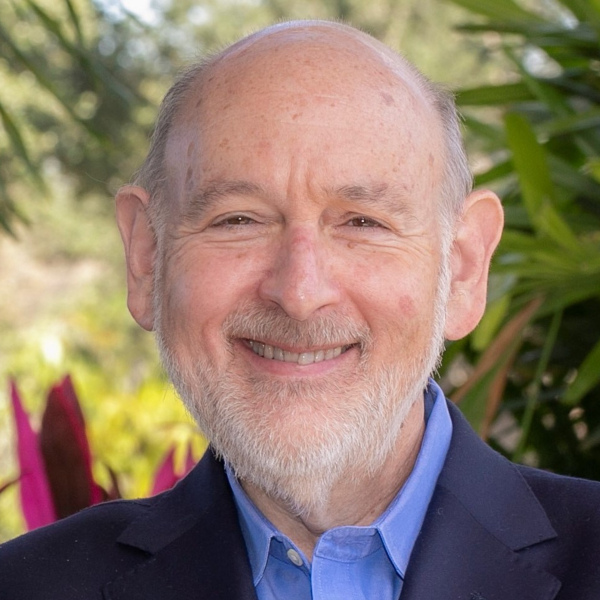
About James Greenblatt MD
A pioneer in the field of functional and integrative medicine, board-certified child and adult psychiatrist, James M. Greenblatt, MD, has treated patients since 1988. After receiving his medical degree and completing his psychiatry residency at George Washington University, Dr. Greenblatt completed a fellowship in child and adolescent psychiatry at Johns Hopkins Medical School.
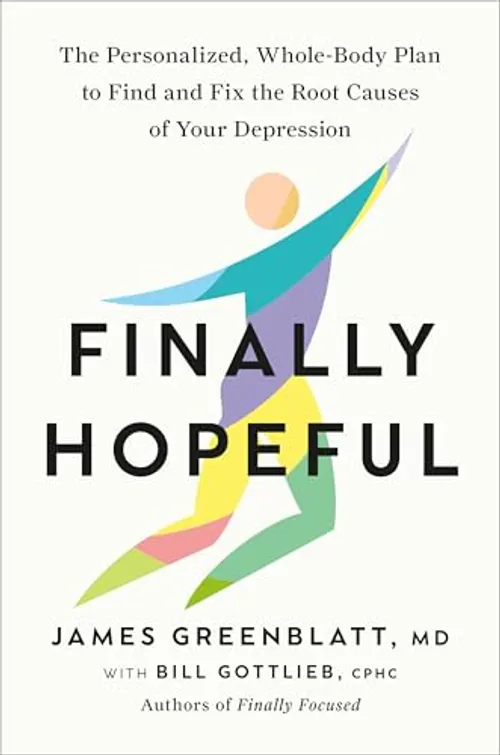
Dr. Greenblatt has lectured internationally on the scientific evidence for nutritional interventions in psychiatry and mental illness. He is the author of several books including Finally Focused: The Breakthrough Natural Treatment Plan for ADHD, Finally Hopeful and the upcoming book The Lithium Revolution.
He is the founder of Psychiatry Redefined, an educational platform dedicated to the transformation of psychiatry, which offers online courses, educational webinars, and fellowships for professionals. He is also the founder of Finally Living, a precision functional psychiatry clinic for children and adults. Please visit https://www.jamesgreenblattmd.com/ for more information.
Disclaimer
This expert interview is not a substitute for medical advice, treatment, diagnosis, or consultation with a medical professional. It is intended for general informational purposes only and should not be relied on to make determinations related to treatment of a medical condition. Documenting Hope has not verified and does not guaranty the accuracy of the information provided in this expert interview.
Sources & References
Adler, U.C., et al. Homeopathic Individualized Q-Potencies versus Fluoxetine for Moderate to Severe Depression: Double-Blind, Randomized Non-Inferiority Trial. Evid Based Complement Alternat Med. 2011:2011:520182.
Al-Fartusie, F.S., et al. Evaluation of Some Trace Elements and Vitamins in Major Depressive Disorder Patients: a Case-Control Study. Biol Trace Elem Res. 2019 Jun;189(2):412-419.
Al-Khatib, Y., et al. Depression and Metabolic Syndrome: A Narrative Review. Cureus. 2022 Feb 12;14(2):e22153.
Allio, A., et al. Bud extracts from Tilia tomentosa Moench inhibit hippocampal neuronal firing through GABAA and benzodiazepine receptors activation. J Ethnopharmacol. 2015 Aug 22:172:288-96.
Al Maruf, M., et al. Systematic Review and Meta-Analysis of L-Methylfolate Augmentation in Depressive Disorders. Pharmacopsychiatry. 2022 May;55(3):139-147.
Al-Onaizi, M., et al. Glucose intolerance induces anxiety-like behaviors independent of obesity and insulin resistance in a novel model of nutritional metabolic stress. Nutr Neurosci. 2024 Oct;27(10):1143-1161.
Akpinar, N.B., et al. Is Reiki effective in reducing heart rhythm, cortisol levels, and anxiety and improving biochemical parameters in individuals with cardiac disease? Randomized placebo-controlled trial. Eur J Cardiovasc Nurs. 2024 Oct 21;23(7):771-779.
Anderson, J.G., et al. The effects of healing touch on pain, nausea, and anxiety following bariatric surgery: a pilot study. Explore (NY). 2015 May-Jun;11(3):208-16.
Anderson, J.W., et al. Private prayer associations with depression, anxiety and other health conditions: an analytical review of clinical studies. Postgrad Med. 2016 Sep;128(7):635-41.
Andreazza, A.C., et al. Mitochondrial complex activity and oxidative to mitochondrial proteins in the prefrontal cortex of patients with bipolar disorder. Arch Gen Psychiatry. 2010 Apr;67(4):360-8.
Any Mood Disorder. National Institutes of Health. Accessed 5 Mar 2025.
Antao, H.S., et al. Omega-3 index as risk factor in psychiatric diseases: a narrative review. Front Psychiatry. 2023 Jul 28:14:1200403.
Appleton, J. The Gut-Brain Axis: Influence of Microbiota on Mood and Mental Health. Integr Med (Encinitas). 2018 Aug;17(4):28-32.
Asadi, S., et al. Beneficial effects of nano-curcumin supplement on depression and anxiety in diabetic patients with peripheral neuropathy: A randomized, double-blind, placebo-controlled clinical trial. Phytother Res. 2020 Apr;34(4):896-903.
Atladottir, H.O., et al. The increasing prevalence of reported diagnoses of childhood psychiatric disorders: a descriptive multinational comparison. Eur Child Adolesc Psychiatry. 2015;24(2):173-83.
Aucoin, M., et al. Major Depressive Disorder and Food Hypersensitivity: A Case Report. Neuropsychobiology. 2019 Oct 10:1-7.
Bardinet, J., et al. Patterns of polyphenol intake and risk of depressive symptomatology in a population-based cohort of older adults. Clin Nutr. 2022 Dec;41(12):2628-2636.
Barragán-Rodríguez, L., et al. Efficacy and safety of oral magnesium supplementation in the treatment of depression in the elderly with type 2 diabetes: a randomized, equivalent trial. Magnes Res. 2008 Dec;21(4):218-23.
Baughman, N., et al. The Prevention of Anxiety and Depression in Early Childhood. Front Psychol. 2020 Sep 30:11:517896.
Bayer, J.K., et al. The Cool Little Kids randomised controlled trial: population-level early prevention for anxiety disorders. BMC Public Health. 2011;11:11.
Bayes, J., et al. Effects of Polyphenols in a Mediterranean Diet on Symptoms of Depression: A Systematic Literature Review. Adv Nutr. 2020 May 1;11(3):602-615.
Bender, A., et al. The association of folate and depression: A meta-analysis. J Psychiatr Res. 2017 Dec:95:9-18.
Berger, M.E., et al. Omega-6 to omega-3 polyunsaturated fatty acid ratio and subsequent mood disorders in young people with at-risk mental states: a 7-year longitudinal study. Transl Psychiatry. 2017 Aug 29;7(8):e1220.
Berk, M., et al. So depression is an inflammatory disease, but where does the inflammation come from? BMC Med. 2013;11:200.
Berry, E.A., et al. National estimates of the inpatient burden of pediatric bipolar disorder in the United States. J Ment Health Policy Econ. 2011;14(3):115-23.
Bitsko, R.H., et al. Epidemiology and Impact of Health Care Provider-Diagnosed Anxiety and Depression Among US Children. J Dev Behav Pediatr 2018 Apr 24.
Bode, H., et al. Hyperthyroidism and clinical depression: a systematic review and meta-analysis. Transl Psychiatry. 2022 Sep 5;12(1):362.
Boelens, P.A., et al. A randomized trial of the effect of prayer on depression and anxiety. Int J Psychiatry Med. 2009;39(4):377-92.
Bonaccio, M., et al. Mediterranean-type diet is associated with higher psychological resilience in a general adult population: findings from the Moli-sani study. Eur J Clin Nutr. 2018 Jan;72(1):154-160.
Bonnot, O., et al. Children and adolescents with severe mental illness need vitamin D supplementation regardless of disease or treatment. J Child Adolesc Psychopharmacol. 2011;21(2):157-61.
Borges-Vieira, J.G., et al. Efficacy of B-vitamins and vitamin D therapy in improving depressive and anxiety disorders: a systematic review of randomized controlled trials. Nutr Neurosci. 2023 Mar;26(3):187-207.
Botturi, A., et al. The Role and the Effect of Magnesium in Mental Disorders: A Systematic Review. Nutrients. 2020 Jun 3;12(6):1661.
Brock, C., et al. American Skullcap (Scutellaria lateriflora): a randomised, double-blind placebo-controlled crossover study of its effects on mood in healthy volunteers. Phytother Res. 2014 May;28(5):692-8.
Brownley, K.A., et al. Dietary chromium supplementation for targeted treatment of diabetes patients with comorbid depression and binge eating. Med Hypotheses. 2015 Jul;85(1):45-8.
Burrows, T., et al. Effectiveness of dietary interventions in mental health treatment: A rapid review of reviews. Nutr Diet. 2022 Jul;79(3):279-290.
Camilleri, M. Serotonin in the gastrointestinal tract. Curr Opin Endrocrinol Diabetes Obes. 2009 Feb;16(1):53-9.
Ceylan, M.F., et al. Lipid peroxidation markers in children with anxiety disorders and their diagnostic implications. Redox Rep. 2014;19(2):92-6.
Chen, Y., et al. Regulation of Neurotransmitters by the Gut Microbiota and Effects on Cognition in Neurological Disorders. Nutrients. 2021 Jun 19;13(6):2099.
Cohen-Cline, H., et al. Access to green space, physical activity and mental health: a twin study. J Epidemiol Community Health. 2015 Jun;69(6):523-9.
Costello, E.J., et al. 10-year research update review: the epidemiology of child and adolescent psychiatric disorders: II. Developmental epidemiology. J Am Acad Child Adolesc Psychiatry. 2006 Jan;45(1):8–25.
Currie, J.M., et al. National Bureau of Economic Research. Mental health in childhood and human capital. Cambridge, MA: National Bureau of Economic Research; 2007. 31 p.p.
D’Acquisto, F. Affective immunology: where emotions and the immune response converge. Dialogues Clin Neurosci. 2017 Mar;19(1):9-19.
Darbinyan, V., et al. Clinical trial of Rhodiola rosea L. extract SHR-5 in the treatment of mild to moderate depression. Nord J Psychiatry. 2007;61(5):343-8.
Davidson, J.R., et al. Homeopathic treatment of depression and anxiety. Altern Ther Health Med. 1997 Jan;3(1):46-9.
Davidson, J.R.T., et al. Effectiveness of chromium in atypical depression: a placebo-controlled trial. Biol Psychiatry. 2003 Feb 1;53(3):261-4.
Di Gesù, C.M., et al. Maternal gut microbiota mediate intergenerational effects of high-fat diet on descendant social behavior. Cell Rep. 2023 May 30;42(5):112498.
Docherty, J.P., et al. A double-blind, placebo-controlled, exploratory trial of chromium picolinate in atypical depression: effect on carbohydrate craving. J Psychiatr Pract. 2005 Sep;11(5):302-14.
Donelli, D., et al. Effects of lavender on anxiety: A systematic review and meta-analysis. Phytomedicine. 2019 Dec:65:153099.
Dusetzina, S.B., et al. Treatment use and costs among privately insured youths with diagnoses of bipolar disorder. Psychiatr Serv. 2012;63(10):1019-25.
Fernandes, A.C., et al. Development and evaluation of a de-identification procedure for a case register sourced from mental health electronic records. BMC Med Inform Decis Mak. 2013;13:71.
Freeman, C.R., et al. Impact of sugar on the body, brain, and behavior. Front Biosci (Landmark Ed). 2018 Jun 1;23(12):2255-2266.
Fusar-Poli, L., et al. Curcumin for depression: a meta-analysis. Crit Rev Food Sci Nutr. 2020;60(15):2643-2653.
Ghazizadeh, G., et al. The effects of lemon balm (Melissa officinalis L.) on depression and anxiety in clinical trials: A systematic review and meta-analysis. Phytother Res. 2021 Dec;35(12):6690-6705.
Glibbery, N., et al. Comparing Quality of Life in Smell and Taste Disorders With Other Chronic Conditions-A Narrative Review. Clin Otolaryngol. 2026 Jun 16.
Guney, E., et al. Oxidative stress in children and adolescents with anxiety disorders. J Affect Disord. 2014;156:62-6.
Guo, X., et al. Therapeutic effects of Reiki on interventions for anxiety: a meta-analysis. BMC Palliat Care. 2024 Jun 13;23(1):147.
Harding, C.F., et al. Mold inhalation causes innate immune activation, neural, cognitive and emotional dysfunction. Brain Behav Immun. 2020 Jul:87:218-228.
Haroon, E., et al. Inflammation, Glutamate, and Glia: A Trio of Trouble in Mood Disorders. Neuropsychopharmacology. 2017 Jan;42(1):193-215.
Hepgul, N., et al. Depression pathogenesis and treatment: what can we learn from blood mRNA expression? BMC Med. 2013;11:28.
Heuer, L., et al. Reduced levels of immunoglobulin in children with autism correlates with behavioral symptoms. Autism Res, Oct 2008, 1:5, 275–83.
Hidese, S., et al. Effects of chronic l-theanine administration in patients with major depressive disorder: an open-label study. Acta Neuropsychiatr. 2017 Apr;29(2):72-79.
Hintikka, J., et al. High vitamin B12 level and good treatment outcome may be associated in major depressive disorder. BMC Psychiatry. 2003 Dec 2:3:17.
Hjell, G., et al. Disentangling the relationship between cholesterol, aggression, and impulsivity in severe mental disorders. Brain Behav. 2020 Sep;10(9):e01751.
Hunger, C., et al. Mid- and long-term effects of family constellation seminars in a general population sample: 8- and 12-month follow-up. Fam Process. 2015 Jun;54(2):344-58.
Hyman, M.A. Is the Cure for Brain Disorders Outside the Brain? Alternative Therapies in Health and Medicine. Nov-Dec 2007;13(6):10-5.
Jacobson, K., et al. Prayer for Pain and Anxiety in a Primary Care Setting: A Randomized Controlled Trial. Ann Fam Med. 2026 May 26;24(3):192-197.
James, L.E., et al. Pediatric perioperative measures of sleep, pain, anxiety and anesthesia emergence: A healing touch proof of concept randomized clinical trial. Complement Ther Med. 2019 Feb:42:264-269.
Janda, K., et al. Passiflora incarnata in Neuropsychiatric Disorders-A Systematic Review. Nutrients. 2020 Dec 19;12(12):3894.
Jonas, B.S., et al. Psychotropic medication use among adolescents: United States, 2005-2010. NCHS Data Brief. 2013(135):1-8.
Kanchanatawan, B., et al. Add-on Treatment with Curcumin Has Antidepressive Effects in Thai Patients with Major Depression: Results of a Randomized Double-Blind Placebo-Controlled Study. Neurotox Res. 2018 Apr;33(3):621-633.
Karakula, H., et al. [Does diet affect our mood? The significance of folic acid and homocysteine]. Pol Merkur Lekarski. 2009;26(152):136-41.
Kate, N., et al. Does B12 deficiency lead to lack of treatment response to conventional antidepressants? Psychiatry (Edgmont). 2010 Nov;7(11):42-4.
Kato, T. The role of mitochondrial dysfunction in bipolar disorder. Drug News Perspect. 2006 Dec;19(10):597-602.
Kelaiditis, C.F., et al. Effects of long-chain omega-3 polyunsaturated fatty acids on reducing anxiety and/or depression in adults; A systematic review and meta-analysis of randomised controlled trials. Prostaglandins Leukot Essent Fatty Acids. 2023 May:192:102572.
Konradi, C., et al. Molecular evidence for mitochondrial dysfunction in bipolar disorder. Arch Gen Psychiatry. 2004 Mar;61(3):300-8.
Lai, C.C.W., et al. The association between gut-health promoting diet and depression: A mediation analysis. J Affect Disord. 2023 Mar 1:324:136-142.
Lai, J., et al. The efficacy of zinc supplementation in depression: systematic review of randomised controlled trials. J Affect Disord. 2012 Jan;136(1-2):e31-e39.
Lamon-Fava, S., et al. Clinical response to EPA supplementation in patients with major depressive disorder is associated with higher plasma concentrations of pro-resolving lipid mediators. Neuropsychopharmacology. 2023 May;48(6):929-935.
Lavebratt, C., et al. Early exposure to antibiotic drugs and risk for psychiatric disorders: a population-based study. Transl Psychiatry. 2019 Nov 26;9(1):317.
Lehto, S.M., et al. Low serum HDL-cholesterol levels are associated with long symptom duration in patients with major depressive disorder. Psychiatry Clin Neurosci. 2010 Jun;64(3):279-83.
Leipold, B., et al. Physical activity and nutrition in relation to resilience: a cross-sectional study. Sci Rep. 2024 Jan 27;14(1):2272.
Leuchter, A.F., et al. Intermediate phenotypes and biomarkers of treatment outcome in major depressive disorder. Dialogues Clin Neurosci. 2014;16(4):525-37.
Lewis, M.D., et al. Suicide deaths of active-duty US military and omega-3 fatty-acid status: a case-control comparison. J Clin Psychiatry. 2011 Dec;72(12):1585-90.
Li, B., et al. Dietary magnesium and calcium intake and risk of depression in the general population: A meta-analysis. Aust N Z J Psychiatry. 2017 Mar;51(3):219-229.
Li, Z., et al. Dietary zinc and iron intake and risk of depression: A meta-analysis. Psychiatry Res. 2017 May:251:41-47.
Liao, Y., et al. Efficacy of omega-3 PUFAs in depression: A meta-analysis. Transl Psychiatry. 2019 Aug 5;9(1):190.
Little, A.B. The A52 Breath Method: A Narrative Review of Breathwork for Mental Health and Stress Resilience. Stress Health. 2025 Aug;41(4):e70098.
Lopresti, A.L., et al. A randomized, double-blind, placebo-controlled trial investigating the effects of an Ocimum tenuiflorum (Holy Basil) extract (HolixerTM) on stress, mood, and sleep in adults experiencing stress. Front Nutr. 2022 Sep 2:9:965130.
Lopresti, A.L., et al. Efficacy of curcumin, and a saffron/curcumin combination for the treatment of major depression: A randomised, double-blind, placebo-controlled study. J Affect Disord. 2017 Jan 1:207:188-196.
Lydiard, R.B. The role of GABA in anxiety disorders. J Clin Psychiatry. 2003;64 Suppl 3:21-7.
Ma, E.Z., et al. Symptoms of Cognitive Impairment Among Children With Atopic Dermatitis. JAMA Dermatol. 2024 Apr 1;160(4):447-452.
Magnon, V., et al. Benefits from one session of deep and slow breathing on vagal tone and anxiety in young and older adults. Sci Rep. 2021 Sep 29;11(1):19267.
Maier, S.F., et al. Psychoneuroimmunology. The interface between behavior, brain, and immunity. Am Psychol. 1994 Dec;49(12):1004-17.
Maletic, V., et al. A Review of l-Methylfolate as Adjunctive Therapy in the Treatment of Major Depressive Disorder. Prim Care Companion CNS Disord. 2023 May 9;25(3):22nr03361.
Manigault, A.W., et al. Psychosocial Resilience to Inflammation-Associated Depression: A Prospective Study of Breast-Cancer Survivors. Psychol Sci. 2022 Aug;33(8):1328-1339.
Mao, J.J., et al. Long-Term Chamomile Therapy of Generalized Anxiety Disorder: A Study Protocol for a Randomized, Double-Blind, Placebo- Controlled Trial. J Clin Trials. 2014 Nov;4(5):188.
Marazziti, D., et al. Psychiatric disorders and mitochondrial dysfunctions. Eur Rev Med Pharmacol Sci. 2012;16(2):270-5.
McLeod, M.N., et al. Chromium treatment of depression. Int J Neuropsychopharmacol. 2000 Dec;3(4):311-314.
McNally, L., et al. Inflammation, glutamate, and glia in depression: a literature review. CNS Spectr. 2008 Jun;13(6):501-10.
Memon, A., et al. Association between naturally occurring lithium in drinking water and suicide rates: systematic review and meta-analysis of ecological studies. British Journal of Psychiatry. 2020 Dec; 217(6): 667-678.
Mitchell, E.S., et al. B vitamin polymorphisms and behavior: evidence of associations with neurodevelopment, depression, schizophrenia,bipolar disorder and cognitive decline. Neurosci Biobehav Rev. 2014;47:307-20.
Moabedi, M., et al. Magnesium supplementation beneficially affects depression in adults with depressive disorder: a systematic review and meta-analysis of randomized clinical trials. Front Psychiatry. 2023 Dec 22:14:1333261.
Möhler, H. The GABA system in anxiety and depression and its therapeutic potential. Neuropharmacology. 2012 Jan;62(1):42-53.
Nagayasu, Y., et al. Possible prevention of post-partum depression by intake of omega-3 polyunsaturated fatty acids and its relationship with interleukin 6. J Obstet Gynaecol Res. 2021 Apr;47(4):1371-1379.
Netz, K. Is the Comparison between Exercise and Pharmacologic Treatment of Depression in the Clinical Practice Guideline of the American College of Physicians Evidence-Based? Front Pharmacol. 2017 May 15:8:257.
Ng, Q.X., et al. Clinical Use of Curcumin in Depression: A Meta-Analysis. J Am Med Dir Assoc. 2017 Jun 1;18(6):503-508.
Nguyen, T.T., et al. Type 3 Diabetes and Its Role Implications in Alzheimer's Disease. Int J Mol Sci. 2020 Apr 30;21(9):3165.
Nikolova, V.L., et al. Acceptability, Tolerability, and Estimates of Putative Treatment Effects of Probiotics as Adjunctive Treatment in Patients With Depression. JAMA Psychiatry. 2023 Aug 1;80(8):842-847.
Nuss, P. Anxiety disorders and GABA neurotransmission: a disturbance of modulation. Neuropsychiatr Dis Treat. 2015; 11: 165–175.
O'Laoire, S. An experimental study of the effects of distant, intercessory prayer on self-esteem, anxiety, and depression. Altern Ther Health Med. 1997 Nov;3(6):38-53.
Olson, M., et al. Anxiety and therapeutic touch. Issues Ment Health Nurs. 1995 Mar-Apr;16(2):97-108.
Onaolapo, A.Y., et al. Glutamate and depression: Reflecting a deepening knowledge of the gut and brain effects of a ubiquitous molecule. World J Psychiatry. 2021 Jul 19;11(7):297-315.
Ostiguy, C.S., et al. Sensitivity to stress among the offspring of parents with bipolar disorder: a study of daytime cortisol levels. Psychol Med. 2011;41(11):2447-57.
Papakostas, G.I., et al. L-methylfolate as adjunctive therapy for SSRI-resistant major depression: results of two randomized, double-blind, parallel-sequential trials. Am J Psychiatry. 2012 Dec;169(12):1267-74.
Pillai, R.R., et al. Low serum levels of High-Density Lipoprotein cholesterol (HDL-c) as an indicator for the development of severe postpartum depressive symptoms. PLoS One. 2018 Feb 14;13(2):e0192811.
Price, A., et al. Understanding the subtypes of visual hypersensitivity: Four coherent factors and their measurement with the Cardiff Hypersensitivity Scale (CHYPS). Vision Res. 2025 Aug:233:108610.
Rahal, D., et al. Positive and negative emotion are associated with generalized transcriptional activation in immune cells. Psychoneuroendocrinology. 2023 Jul:153:106103.
Rifas-Shiman, S.L., et al. Associations of prenatal or infant exposure to acetaminophen or ibuprofen with mid-childhood executive function and behaviour. Paediatr Perinat Epidemiol. 2020 May;34(3):287-298.
Robinson, J., et al. Therapeutic touch for anxiety disorders. Cochrane Database Syst Rev. 2007 Jul 18;2007(3):CD006240.
Rollins, B., et al. Mitochondrial variants in schizophrenia, bipolar disorder, and major depressive disorder. PLoS One. 2009;4(3):e4913.
Rook, G.A., et al. Microbiota, immunoregulatory old friends and psychiatric disorders. Adv Exp Med Biol. 2014;817:319-56.
Roy, T., et al. Epidemiology of depression and diabetes: a systematic review. J Affect Disord. 2012 Oct:142 Suppl:S8-21.
Saadatmand, S., et al. The Effect of Oral Chamomile on Anxiety: A Systematic Review of Clinical Trials. Clin Nutr Res. 2024 Apr 23;13(2):139-147.
Sajadinejad, M.S., et al. Psychological issues in inflammatory bowel disease: an overview. Gastroenterol Res Pract. 2012:2012:106502.
Salari, S., et al. Zinc sulphate: A reasonable choice for depression management in patients with multiple sclerosis: A randomized, double-blind, placebo-controlled clinical trial. Pharmacol Rep. 2015 Jun;67(3):606-9.
Sali, A. Psychoneuroimmunology. Fact or fiction? Aust Fam Physician. 1997 Nov;26(11):1291-4, 1296-9.
Sawada, T., et al. Effect of zinc supplementation on mood states in young women: a pilot study. Eur J Clin Nutr. 2010 Mar;64(3):331-3.
Schwalfenberg, G.K. The Importance of Magnesium in Clinical Healthcare. Scientifica (Cairo). 2017:2017:4179326.
Shadbegian, R., et al. Low-Level, Early Life Lead Exposure and School Behavior. Pediatrics. 2024 Oct 1;154(Suppl 2):e2024067808D.
Shelton, R.C., et al. Assessing Effects of l-Methylfolate in Depression Management: Results of a Real-World Patient Experience Trial. Prim Care Companion CNS Disord. 2013;15(4):PCC.13m01520.
Shin, J.Y., et al. Are cholesterol and depression inversely related? A meta-analysis of the association between two cardiac risk factors. Ann Behav Med. 2008 Aug;36(1):33-43.
Simpson, C.A., et al. The gut microbiota in anxiety and depression - A systematic review. Clin Psychol Rev. 2021 Feb:83:101943.
Steegmans, H.P., et al. Higher prevalence of depressive symptoms in middle-aged men with low serum cholesterol levels. Psychosom Med. 2000 Mar-Apr;62(2):205-11.
Stephens-Sarlós, E., et al. Changes in primitive reflexes in older adults and their relationship to mental health indices: An experimental investigation. Exp Gerontol. 2024 Oct 15:196:112583.
Strandwitz, P. Neurotransmitter Modulation by the Gut Microbiota. Brain Res. 2018 Aug 15;1693(Pt B):128-133.
Styczeń, K., et al. The serum zinc concentration as a potential biological marker in patients with major depressive disorder. Metab Brain Dis. 2017 Feb;32(1):97-103.
Suarez, E.C. Relations of trait depression and anxiety to low lipid and lipoprotein concentrations in healthy young adult women. Psychosom Med. 1999 May-Jun;61(3):273-9.
Swann., O.G., et al. Dietary fiber and its associations with depression and inflammation. Nutr Rev. 2020 May 1;78(5):394-411.
Tan, Y., et al. Correlation between Vitamin B12 and Mental Health in Children and Adolescents: A Systematic Review and Meta-analysis. Clin Psychopharmacol Neurosci. 2023 Nov 30;21(4):617-633.
Tan, Y., et al. Review of research progress on intestinal microbiota based on metabolism and inflammation for depression. Arch Microbiol. 2024 Mar 10;206(4):146.
Tan, Y., et al. Vitamin B12, Folate, Homocysteine, Inflammatory Mediators (Interleukin-6, Tumor Necrosis Factor-α and C-Reactive Protein) Levels in Adolescents with Anxiety or Depressive Symptoms. Neuropsychiatr Dis Treat. 2023 Apr 7:19:785-800.
Taurines, R., et al. Expression analyses of the mitochondrial complex I 75-kDa subunit in early onset schizophrenia and autism spectrum disorder: increased levels as a potential biomarker for early onset schizophrenia. Eur Child Adolesc Psychiatry.2010 May;19(5):441-8.
Thege, B.K., et al. The Effectiveness of Family Constellation Therapy in Improving Mental Health: A Systematic Review. Fam Process. 2021 Jun;60(2):409-423.
Thege, B.K., et al. The Effectiveness of Family Constellation Therapy in Reducing Psychopathological Symptoms in a Naturalistic Setting. Psychiatr Danub. 2022 Fall;34(3):497-505.
Thompson, L., et al. What have birth cohort studies asked about genetic, pre- and perinatal exposures and child and adolescent onset mental health outcomes? A systematic review. Eur Child Adolesc Psychiatry. 2010;19(1):1-15.
Tiemeier, H., et al. Vitamin B12, folate, and homocysteine in depression: the Rotterdam Study. Am J Psychiatry. 2002 Dec;159(12):2099-101.
Unno, K., et al. Improvement of Depressed Mood with Green Tea Intake. Nutrients. 2022 Jul 19;14(14):2949.
Utli, H., et al. The Effect of Reiki on Anxiety, Stress, and Comfort Levels Before Gastrointestinal Endoscopy: A Randomized Sham-Controlled Trial. J Perianesth Nurs. 2023 Apr;38(2):297-304.
Van Meter, A.R., et al. What goes up must come down: the burden of bipolar depression in youth. J Affect Disord. 2013;150(3):1048-54.
Vashum, K.P., et al. Dietary zinc is associated with a lower incidence of depression: findings from two Australian cohorts. J Affect Disord. 2014 Sep:166:249-57.
Verena, L., et al. Elimination diets’ efficacy and mechanisms in attention deficit hyperactivity disorder and autism spectrum disorder. Eur Child Adolesc Psychiatry. 2017; 26(9): 1067–1079.
Vignaud, P., et al. Neural effects of mindfulness-based interventions on patients with major depressive disorder: A systematic review. Neurosci Biobehav Rev. 2018 May:88:98-105.
Vilibić, M., et al. Association between total serum cholesterol and depression, aggression, and suicidal ideations in war veterans with posttraumatic stress disorder: a cross-sectional study. Croat Med J. 2014 Oct;55(5):520-9.
Villet, S., et al. Open-label observational study of the homeopathic medicine Passiflora Compose for anxiety and sleep disorders. Homeopathy. 2016 Feb;105(1):84-91.
Wang, P., et al. Antibiotics-induced intestinal dysbacteriosis caused behavioral alternations and neuronal activation in different brain regions in mice. Mol Brain. 2021 Mar 6;14(1):49.
Wang, Y., et al. Associations between dietary intake, diet quality and depressive symptoms in youth: A systematic review of observational studies. Health Promot Perspect. 2022 Dec 10;12(3):249-265.
Warner, B.B. The contribution of the gut microbiome to neurodevelopment and neuropsychiatric disorders. Pediatr Res. 2019 Jan;85(2):216-224.
Whatnall, M.C., et al. Are Psychological Distress and Resilience Associated with Dietary Intake Among Australian University Students? Int J Environ Res Public Health. 2019 Oct 24;16(21):4099.
Wu, Y., et al. Associations of dietary B vitamins intakes with depression in adults. Int J Vitam Nutr Res. 2023 Apr;93(2):142-153.
Yaegashi, A., et al. Green Tea Consumption and Risk of Depression Symptoms: A Systematic Review and Meta-Analysis of Observational Studies. J Nutr Sci Vitaminol (Tokyo). 2022;68(3):155-161.
Yang, B., et al. Effects of regulating intestinal micobiota on anxiety symptoms: A systematic review. General Psychiatry. 2019; 32: e100056.
Yin, Z., et al. Dietary Diversity Was Positively Associated with Psychological Resilience among Elders: A Population-Based Study. Nutrients. 2019 Mar 18;11(3):650.
Yosaee, S., et al. Effects of zinc, vitamin D, and their co-supplementation on mood, serum cortisol, and brain-derived neurotrophic factor in patients with obesity and mild to moderate depressive symptoms: A phase II, 12-wk, 2 × 2 factorial design, double-blind, randomized, placebo-controlled trial. Nutrition. 2020 Mar:71:110601.
Zhang, G., et al. Thiamine nutritional status and depressive symptoms are inversely associated among older Chinese adults. J Nutr. 2013 Jan;143(1):53-8.