We interviewed Sundeep Dugar PhD of Blue Oak Nutraceuticals about why a mito cocktail is sometimes not enough for those with autism, PANS/PANDAS and other chronic health conditions. You can watch the replay below. Please note that you will be asked to provide your email address at the 30-minute mark to continue viewing the replay.
What Is Mitochondrial Dysfunction?
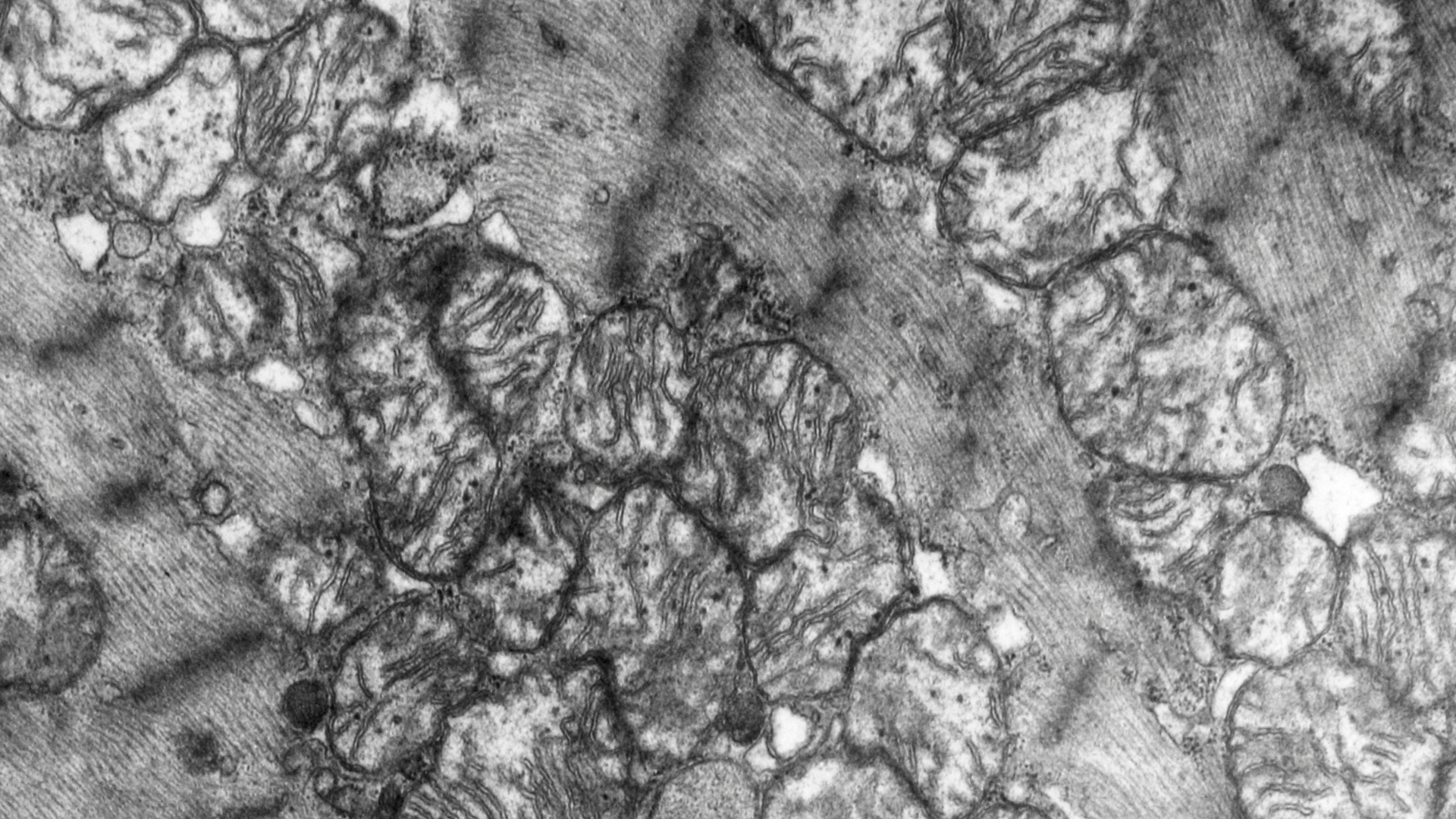
Mitochondrial dysfunction is what occurs when the mitochondria (organelles that provide power to the body) are not able to do their job due to genetic or environmental factors. When the mitochondria are not working properly, a whole host of symptoms may appear, usually across several systems within the body. In children, these symptoms often appear as neurological and/or motor symptoms.
Common Symptoms and/or Diagnoses Among Children with Mitochondrial Dysfunction
- Low muscle tone/hypotonia
- Extreme fatigue
- Inability to regulate temperature
- Neurological symptoms
- Symptoms of autism
- Symptoms of ADHD
- Difficulty waking
- Problems with blood-sugar regulation
What Is a Mito Cocktail?
A mito cocktail is usually a custom-blended mix of nutritional supplements that can boost the power production from existing mitochondria. Common supplements in a mito cocktail are:
- Cod liver oil
- Vitamin E
- CoQ10
In This Expert Interview
In this interview, Dr. Dugar helped us to answer the following questions:
- What is mitochondrial dysfunction?
- What are common chronic conditions that have a mitochondrial dysfunction component in children?
- Are there any tests for mitochondrial dysfunction?
- What are ways to improve mitochondrial function?
- What is a mito cocktail?
- What is mitochondria biogenesis?
- What increases mitochondria biogenesis?
- Why is a mito cocktail of supplements sometimes not enough to improve mitochondrial function?
- Which is more helpful for those with mitochondrial dysfunction, taking more mito cocktail supplements or creating more mitochondria (or both)? Why?
- What is epichatechin, and can it improve mitochondrial dysfunction?
Key Discussions
The Central Role of Mitochondria in Health and Disease
Mitochondria act as the “energy currency” and central regulators in the body, integral to muscle growth, brain function, metabolic balance, immune response, and recovery from insult. Dysfunction or depletion affects multiple organ systems and is fundamental to both pediatric and adult chronic diseases, including autism, PANS/PANDAS, muscular dystrophy, and diabetes.
Exercise, Nutrition, and the “Fuel and Furnace” Analogy
Proper nutrition and exercise are the two most validated, non-negotiable drivers for mitochondrial health. Nutrition (fuel) supports the microbiome, which processes food for mitochondrial use, while exercise (furnace) directly stimulates mitochondrial biogenesis and function. A variety of good, whole foods and regular movement are biologically tuned to optimize this system.
Limits of the “Mito Cocktail” Approach
Traditional mitochondrial “cocktails” (mixtures of supplements) can temporarily support function but cannot replicate the full spectrum and complexity of benefits afforded by nutrition and exercise. They often fail to address mitochondrial biogenesis (making new mitochondria), and their efficacy is subject to individual variation and limited by incomplete mimicry of natural inputs.
The Promise of Exercise Mimetics and Epicatechin
For patients unable to exercise, certain plant-derived compounds (specifically, the flavanol epicatechin found in cacao and green tea) can act as “exercise mimetics” and stimulate mitochondrial biogenesis via the same natural pathway triggered by physical activity. However, catechin, epigallocatechin, and quercetin, though structurally related, do not seem to share the mitochondrial-enhancing properties specific to epicatechin. This approach shows promise for safe, systemic support in diverse conditions from aging to neurodevelopmental disorders, with a good safety profile and broad applicability. See Sources & References, below, for peer-reviewed research about epicatechin.
Systems-Based/Personalized Health Approaches vs. Reductionism
Modern, reductionist medicine often targets isolated symptoms or markers, overlooking the interconnected, systemic nature of the human body. Dr. Dugar advocates for seeing each patient as a unique, dynamic system and assessing health improvements through broad functional outcomes (phenotypes) rather than relying exclusively on specific lab values. Journaling daily functional status is emphasized for tracking meaningful change, in line with this holistic perspective.
Timestamped Overview
19:04 Understanding nutrition as fuel for mitochondria
25:07 Consulting doctors for mitochondrial issues
33:10 Understanding body’s response time
51:38 How epicatechin mimics exercise
54:41 Individualized health improvement approach
01:12:09 Understanding REM sleep function in relation to mitochondria
01:24:03 Understanding CoQ10 absorption challenges
01:31:11 Bone and muscle growth discussion
01:46:56 Keeping a detailed health journal
01:55:20 Discussing dosage calculations
02:05:13 Limitations of clinical trial approvals
02:09:34 Viewing health as an interconnected system
About Sundeep Dugar PhD
Sundeep Dugar has almost 40 years of experience and great success in small-molecule drug discovery and development in oncology, – inflammation, the central nervous system, and cardiovascular and metabolic disorders.
He founded Advantium Pharma in 2005, which is a contract research and manufacturing company. He founded Sphaera Pharma in 2008, establishing a new and unique model for drug discovery and development. He founded Epirium Bio in 2019, which is a clinical-stage biopharmaceutical company. He then founded Aayam Therapeutics in 2022 advancing therapeutics for patients.
15 years ago, research in mitochondrial bioenergetics piqued his interest, and he has devoted significant time and resources to this research ever since.

Dr. Dugar is the:
- Co-inventor of Zetia® (ezetimibe) and Vytorin® (ezetimibe/simvastatin) at Bristol-Myers Squibb and Schering-Plough. American Chemical Society’s 2005 National Inventor of the Year Award and 2004 Heroes of Chemistry Award.
- Co-author of 70+ publications and presentations, and co-inventor on 100+ issued and applied patents.
- Co-organizer of the R. Bryan Miller Symposium at UC Davis for 20+ years, where he is Senior Research Fellow, helped create the UC Davis Pharmaceutical Chemistry program, and previously served as Trustee of the UC Davis Foundation.
- Leading team (named A New Dimension) that is a semifinalist and Top 40 Milestone 1 Award winner in the prestigious $101 Million XPRIZE Healthspan competition.
You can learn more about him and his work at https://www.blueoaknx.com/.
Disclaimer
This expert interview is not a substitute for medical advice, treatment, diagnosis, or consultation with a medical professional. It is intended for general informational purposes only and should not be relied on to make determinations related to treatment of a medical condition. Documenting Hope has not verified and does not guaranty the accuracy of the information provided in this expert interview.
Still Looking for Answers?
Visit the Documenting Hope Practitioner Directory to find a practitioner near you.
Join us inside our online membership community for parents, Healing Together, where you’ll find even more healing resources, expert guidance, and a community to support you every step of your child’s healing journey.
Sources & References
Acin-Perez, R., et al. Inhibition of ATP synthase reverse activity restores energy homeostasis in mitochondrial pathologies. EMBO J. 2023 May 15;42(10):e111699.
Barnett, C.F., et al. Pharmacokinetic, partial pharmacodynamic and initial safety analysis of (-)-epicatechin in healthy volunteers. Food Funct. 2015 Mar;6(3):824-33.
Dugar, S., et al. 11-β-hydroxysterols as possible endogenous stimulators of mitochondrial biogenesis as inferred from epicatechin molecular mimicry. Pharmacol Res. 2020 Jan:151:104540.
German, I.J.S., et al. New Trends to Treat Muscular Atrophy: A Systematic Review of Epicatechin. Nutrients. 2024 Jan 22;16(2):326.
Gutiérrez-Salmeán, G., et al. Acute effects of an oral supplement of (-)-epicatechin on postprandial fat and carbohydrate metabolism in normal and overweight subjects. Food Funct. 2014 Mar;5(3):521-7.
Gutiérrez-Salmeán, G., et al. A randomized, placebo-controlled, double-blind study on the effects of (-)-epicatechin on the triglyceride/HDLc ratio and cardiometabolic profile of subjects with hypertriglyceridemia: Unique in vitro effects. Int J Cardiol. 2016 Nov 15:223:500-506.
McDonald, C.M., et al. (-)-Epicatechin induces mitochondrial biogenesis and markers of muscle regeneration in adults with Becker muscular dystrophy. Muscle Nerve. 2021 Feb;63(2):239-249.
Moreno-Ulloa, A., et al. A pilot study on clinical pharmacokinetics and preclinical pharmacodynamics of (+)-epicatechin on cardiometabolic endpoints. Food Funct. 2018 Jan 24;9(1):307-319.
Nájera, N., et al. Improving Cardiovascular Risk in Postmenopausal Women with an (-)-Epicatechin-Based Nutraceutical: A Randomly Assigned, Double-Blind vs. Placebo, Proof-of-Concept Trial. J Clin Med. 2023 Dec 29;13(1):195.
Navarrete-Yañez, V., et al. Stimulatory effects of (-)-epicatechin and its enantiomer (+)-epicatechin on mouse frontal cortex neurogenesis markers and short-term memory: proof of concept. Food Funct. 2021 Apr 26;12(8):3504-3515.
Qureshi, M.Y., et al. Safety and efficacy of (+)-epicatechin in subjects with Friedreich's ataxia: A phase II, open-label, prospective study. J Inherit Metab Dis. 2021 Mar;44(2):502-514.
Ramirez-Sanchez, I., et al. (−)-Epicatechin Activation of Endothelial Cell Endothelial Nitric Oxide Synthase, Nitric Oxide, and Related Signaling Pathways. Hypertension. 2010 Jun;55(6):1398-405.
Ramirez-Sanchez, I., et al. (-)-Epicatechin rich cocoa mediated modulation of oxidative stress regulators in skeletal muscle of heart failure and type 2 diabetes patients. Int J Cardiol. 2013 Oct 9;168(4):3982-3990.
Taub, P.R., et al. Perturbations in skeletal muscle sarcomere structure in patients with heart failure and type 2 diabetes: restorative effects of (-)-epicatechin-rich cocoa. Clin Sci (Lond). 2013 Oct;125(8):383-9.