
This article can also be found on Dr. Gator’s Substack here.
Documenting Hope has just published another peer-reviewed case report in the medical literature showing full reversal of autism in a child. The real question is no longer whether this is possible, but why this type of evidence has yet to transform standard medical care of autism.
Newly Published Case Report of Elimination of Autism Symptoms with Specific Carbohydrate Diet
Documenting Hope’s newest case report, published in the March issue of Integrative Medicine, A Clinician’s Journal, centered on the use of the Specific Carbohydrate Diet as a therapeutic intervention for a boy diagnosed with autism. The case report chronicles his health history and symptom reversal achieved through intensive nutritional intervention. This paper is part of a growing body of literature that tells a very different story about autism than the one most clinicians were trained to believe. When you look closely at that literature, a consistent pattern emerges. A child once meeting full criteria for autism gradually regains language, connection, and function until, ultimately, those diagnostic criteria are no longer met.
This recovery is the kind of outcome that continues to be dismissed or classified as a case of misdiagnosis. And yet, this story sits atop a mounting pile of similar case reports as well as an entire library of peer-reviewed papers explaining many of the underlying biological and physiological mechanisms that result in the syndrome of symptoms that we label as autism. The evidence is clear: autism symptoms, in at least a significant subset of children, can improve dramatically and in some cases fully resolve when underlying medical issues are identified and thoughtfully treated.
Other Case Reports of Autism Recovery
As far back as the 1970s, there were published reports of children diagnosed with autism who later no longer met diagnostic criteria. Gajzago and Prior described cases of “recovery” in what was then called Kanner syndrome. Bemporad later documented the adult outcome of a child previously diagnosed with autism who went on to function typically. These early reports were often set aside as anomalies, but they established an important observation: the autism diagnosis could be overcome, at least in some cases.
Over time, more detailed case reports began to appear:
- 2008: O’Hara and Szakacs documented the case of an autism recovery achieved through personalized biomedical interventions
- 2013: Herbert and Buckley described a child whose autism severity score dropped from severe to non-autistic and her intelligence quotient increased by 70 points following dietary intervention
- 2016: Grossi and colleagues reported improvement in core autism symptoms following probiotic treatment in a child with gastrointestinal dysfunction
- 2020: Baker and Shaw reported a case of complete recovery from autism after treating a suspected Aspergillus fungal overgrowth with antifungal medication
- 2023: Offutt and Breitschwerdt reported substantial improvement in cognitive and neurobehavioral symptoms following treatment of vector-borne infections
- 2024: D’Adamo and colleagues documented reversal of autism symptoms in twin toddlers using a personalized approach that included diet, environmental modification, and targeted medical support
These are just some of the case reports, and the even more compelling story is found in a voluminous body of literature describing in intricate detail the underlying metabolic, immunological, physiological and medical underpinnings of the cluster of symptoms labeled as “autism”. What might look like “behaviors” on the surface are adaptations resulting from physiological imbalances involving the gut, immune system, metabolism, and environmental exposures. When those imbalances are addressed, functional restoration of typical brain and body development has been observed.
Behavioral Therapy Only Manages Symptoms
For decades, families have been told that autism is lifelong, fixed, and primarily genetic. The standard of care has followed from that assumption, focusing largely on behavioral management, primarily through ABA (Applied Behavior Analysis), rather than on the investigation and treatment of root-causes or underlying medical imbalances. This is not surprising given our conventional medical model’s approach to nearly all chronic disease or conditions which is to suppress or manage the symptoms with pharmaceuticals, rather than address the underlying problem(s).
Behavioral therapy is also a method for managing symptoms, not treating, not curing, not investigating the root cause, and not offering much beyond modest improvements in function and basic acts of daily living. What is represented in these case studies making their way into the medical literature are entirely different strategies but ones that are routinely applied in the realm of holistic, functional and integrative medicine. Children diagnosed with autism deserve an opportunity to experience real health, real improvement, and real recovery when possible.
It is important to make one thing clear about this recent case report. The Specific Carbohydrate Diet is not a panacea or a cure for all cases of autism. Rather, it is being demonstrated as a powerful tool for addressing one of the most consistently implicated drivers in autism: gut dysfunction and systemic inflammation. For other cases of autism, this may not be enough. Many children with autism suffer from severe developmental challenges that require intensive rehabilitative work to reintegrate and optimize brain and body function and coordination. While a Specific Carbohydrate Diet can help build the body’s capacity to do the necessary self-healing and rehabilitative work, it is not a standalone therapeutic cure.
Each Child’s Healing Pathway Is Unique
In fact, it is the perspective of Documenting Hope, and a core principle we have been teaching for nearly 20 years, that each child’s pathway to healing will be unique to them. The cumulative and compounding multigenerational environmental stressors (“total load”) are different for each child, thus their path back to health must reflect that unique historical journey to dysregulation and dysfunction. What we can say as a universal principle is this: by reducing the total load of immune, environmental, neurological, physiological and emotional stressors and providing the body with natural, foundational health supports (sunlight, real nutrition, movement, love and safety), a child’s body can begin to recover.
What is particularly meaningful about this latest case report is that it translates a parent-driven, real-world intervention into the language of science. Families have been reporting these kinds of improvements for years, often outside of the conventional medical system. This publication brings those experiences into the peer-reviewed literature, where they can contribute to a broader shift in understanding.
Why Is a Nutritional Intervention Still Taboo for Patients with Autism?
It also raises an urgent question for clinicians and researchers: if a child can move from meeting full criteria for autism to no longer meeting those criteria through a dietary intervention, why is it still so taboo in the field of pediatrics to suggest therapeutic diets for autism? How many pediatricians are prescribing nutritional interventions to their patients with autism? There is plenty of scientific literature backing the efficacy of nutritional intervention in autism, yet it’s not recommended. In fact, the American Academy of Pediatrics (AAP) has actively discouraged the use of nutritional interventions (special diets) due to “lack of evidence”. This ill-informed recommendation is based on a paltry systematic review in 2017 that only looked myopically at “gluten-free, casein-free” diets, and supplementation to conclude “that there is little evidence to support the use of nutritional supplements or dietary therapies for children with ASD.”
What is wrong with this paper is that it completely lacked a comprehensive look at nutritional interventions or special diets that are actually therapeutic (gut and microbiome healing and nutrient-dense). Removing ultra-processed and toxic dairy and wheat products from your diet will not heal your microbiome or gut lining, especially when you are replacing said foods with artificial and ultra-processed gluten-free and dairy-free waffles, cakes and cookies. Anyone with more than one hour of nutrition in medical school who knows how to read a scientific publication would understand this. And yet, the official AAP stance prevails, reiterating the disempowering beliefs, “special diets don’t work” and “don’t bother.”
Misguided Policy Robs Children of Potential Health and Development Improvements
This is misguided policy and a perspective that is hurting our children and robbing them of the opportunity to experience real health and denying them a chance for classic human development. To add insult to injury, the CDC (Centers for Disease Control and Prevention) has recently revised its guidelines around developmental milestones to be experienced by a typically developing child. They have either completely removed established milestones from the standard assessment or moved the age out further to reflect the new normal. Normalizing delayed development means losing ground on the opportunity to catch it before a child falls even further behind. Trusted authorities like the AAP and the CDC are missing the mark on the therapeutic use of nutrition, they are missing the mark on developmental milestones, and they are missing the mark on autism as a medical condition.
Documenting Hope Aims to Change the Standard of Care
Documenting Hope is intentionally working to build an evidence base around what families and forward-thinking clinicians are already seeing. Through case reports, research initiatives, and real-world data collection, Documenting Hope is working to move these outcomes from the margins into the mainstream.
The ultimate goal is not simply to publish papers. It is to change the standard of care. It is to ensure that every child with autism is evaluated not only for behavioral differences, but for underlying biological contributors that may be treatable. What does that look like?
A comprehensive health history, including triggers and antecedents to health and developmental symptoms
A thorough lab workup including routine blood work (e.g. CBC, CMP, thyroid panel, etc.) but also functional labs that investigate the microbiome, the metabolome, cellular toxicity, mitochondrial dysfunction, immune function and more.
Clinical evaluations (functional and structural) to assess the relevance of nervous-system dysfunction, neurological, visual and sensory abnormalities, as well as treatable dental/oral and airway dysfunction.
The Real Work of Healing Is Parent-Driven
With the information gathered through these types of assessments, a bioindividual treatment plan can be prepared. But let me be blunt about this type of treatment. A therapeutic program to rehabilitate a child with autism is not a job that can be outsourced to one expert. There is no specialist at CHOP, Kennedy Krieger or UCSF that is going to heal your child. Yes, in some cases, a child may need a highly trained metabolic geneticist, neurologist or other expert to deal with complex conditions such as seizure disorders, inborn error of metabolism, a genetic deletion syndrome or other similar cases. These are the exception, not the rule. In most cases of modern autism, the real therapeutic work needs to be done through diligent diet and lifestyle overhauls, and this work is parent-driven and happens by making real, disciplined and sustainable changes in the home.
The Costs of ABA vs. Root-Cause Medicine
Further, the assessments listed above are not cheap and rarely covered by insurance. This is where we need to become activists to overhaul our payor system. In the early 2000s, Autism Speaks raised tens of millions of dollars and activated a 50-state policy reform initiative to get Medicaid and private insurance to pay for ABA. They were successful, and now ABA is widely covered under state and federal law. It is estimated that the average cost of ABA per child, per year, is between $36,000 and $145,000 for approximately 10-20 hours of ABA a week. The case that Autism Speaks made was that ABA was a “medical necessity” and therefore needed to be covered under Medicaid.
Could you imagine if we took the $36,000 to $145,000 per child per year currently spent on managing behaviors and instead allocated that to functional and root-cause medicine? To support a family’s efforts to utilize a therapeutic diet? To help heal their child’s body and support them as they work to overcome their diagnosis? The long-term savings and benefit would be immeasurable. How do you quantify the benefit of a child losing a severe autism diagnosis so they can grow up and live the life they were meant to live?
If ABA is deemed a “medical necessity” and therefore covered by insurance and Medicaid, then surely, actual functional medical diagnostics and clinical assessments and associated therapeutic interventions would also qualify as “medical necessity.” It’s just that the integrative and functional medicine world doesn’t have tens of millions of dollars lying around to throw at state legislatures and lobbying efforts, so it isn’t covered.
Yet.
Policy Reform Is Needed
What we need is another Autism Speaks-level of investment into policy reform across 50 states. This is what will move integrative and functional medical assessments and treatments into the standard of care and out of the shadows.
Let’s be real about this situation: Even with comprehensive integrative and functional medical care, not every child will experience complete recovery. But the fact that many children can improve changes the conversation entirely. It shifts the focus from limitation to investigation, from management to healing, and from uncertainty to informed hope.
Our current model of autism care is archaic. A model that focuses primarily on behavioral management without investigating medical contributors is woefully inadequate for the needs of the 1 in 31 children diagnosed with autism in the U.S.
Documenting Hope Is Building the Evidence Base Needed to Change Policy
Documenting Hope is working to change that.
Through the publication of peer-reviewed case reports, the development of research initiatives like the CHIRP Study, the FLIGHT Study, and the dissemination of a root-cause framework, we are helping to move this conversation into the scientific mainstream. We are not relying on anecdotes alone. We are building an evidence base. Each new case report adds to that foundation. Each documented recovery challenges the assumption that autism is always lifelong and unchangeable. Each dataset brings us closer to a model of care that is both more comprehensive and more effective.
The question is no longer whether improvement is possible. The literature clearly shows that it is. The question is: how long will it take for that knowledge to be translated into clinical practice? How long will it take for pediatricians to catch up? How long will it take for medical schools to integrate this new knowledge into their curriculum? How long will it take before functional medical approaches to treatment are covered by insurance and Medicaid?
For families who love a child with autism, they do not have time to wait.
The evidence is here. It has been building for decades. And with each new publication, it becomes harder to ignore. Our children are suffering with what is a real and complex medical condition. To continue to “manage” this condition with ABA and other psychological and behavioral interventions is no longer an acceptable response to an epidemic that is devastating an entire generation of children. It is a moral imperative that we provide the appropriate medical care for children with autism.
To join in this mission and this effort, please support Documenting Hope and our quest to bring this epidemic to an end and to help recover an entire generation of children.
Click here to join our email list where we provide research updates and free healing resources to parents and practitioners.
About Beth Lambert
Beth Lambert is a former healthcare consultant and teacher. As a consultant, she worked with pharmaceutical, medical device, diagnostic and other health care companies to evaluate industry trends.
She is the author of A Compromised Generation: The Epidemic of Chronic Illness in America’s Children (Sentient Publications, 2010). She is also a co-author of Documenting Hope's Brain Under Attack: A Resource for Parents and Caregivers of Children with PANS, PANDAS, and Autoimmune Encephalitis. She is a co-author of Reversal of Autism Symptoms among Dizygotic Twins through a Personalized Lifestyle and Environmental Modification Approach: A Case Report and Review of the Literature, J. Pers. Med. 2024, 14(6), 641.
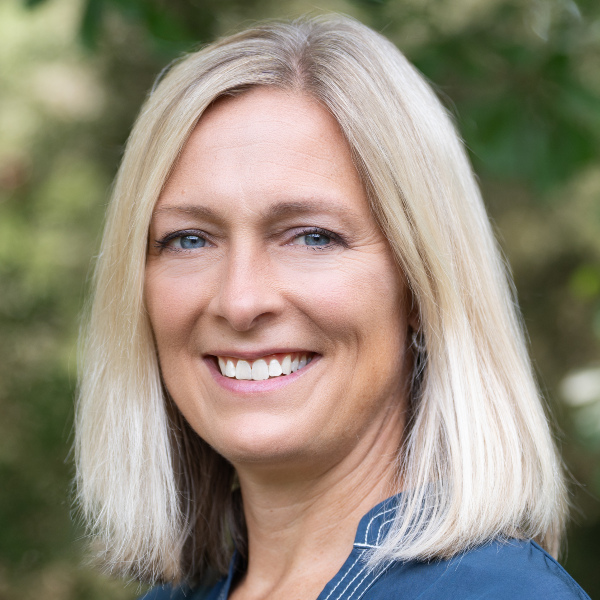
In 2009, Beth founded Documenting Hope and currently serves as Executive Director. Beth attended Oxford University, graduated from Williams College and holds a Masters Degree in American Studies from Fairfield University.
Still Looking for Answers?
Visit the Documenting Hope Practitioner Directory to find a practitioner near you.
Join us inside our online membership community for parents, Healing Together, where you’ll find even more healing resources, expert guidance, and a community to support you every step of your child’s healing journey.
Sources & References
Baker, S., et al. Case Study: Rapid Complete Recovery From An Autism Spectrum Disorder After Treatment of Aspergillus With The Antifungal Drugs Itraconazole And Sporanox. Integr Med (Encinitas). 2020 Aug;19(4):20-27.
Bemporad, J.R. Adult recollections of a formerly autistic child. J Autism Dev Disord. 1979 Jun;9(2):179-97.
D’Adamo, C.R., et al. Reversal of Autism Symptoms among Dizygotic Twins through a Personalized Lifestyle and Environmental Modification Approach: A Case Report and Review of the Literature. J Pers Med. 2024 Jun 15;14(6):641.
Gazjago, G., et al. Two cases of “recovery” in Kanner syndrome. Arch Gen Psychiatry. 1974 Aug;31(2):264-8.
Grossi, E., et al. Unexpected improvement in core autism spectrum disorder symptoms after long-term treatment with probiotics. SAGE Open Med Case Rep. 2016 Aug 26:4:2050313X16666231.
Herbert, M.R., et al. Autism and dietary therapy: case report and review of the literature. J Child Neurol. 2013 Aug;28(8):975-82.
Offutt, A., et al. Case report: Substantial improvement of autism spectrum disorder in a child with learning disabilities in conjunction with treatment for poly-microbial vector borne infections. Front Psychiatry. 2023 Aug 18:14:1205545.
O’Hara, N.H., et al. The recovery of a child with autism spectrum disorder through biomedical interventions. Altern Ther Health Med. 2008 Nov-Dec;14(6):42-4.
Sathe, N., et al. Nutritional and Dietary Interventions for Autism Spectrum Disorder: A Systematic Review. Pediatrics. 2017 Jun;139(6):e20170346.