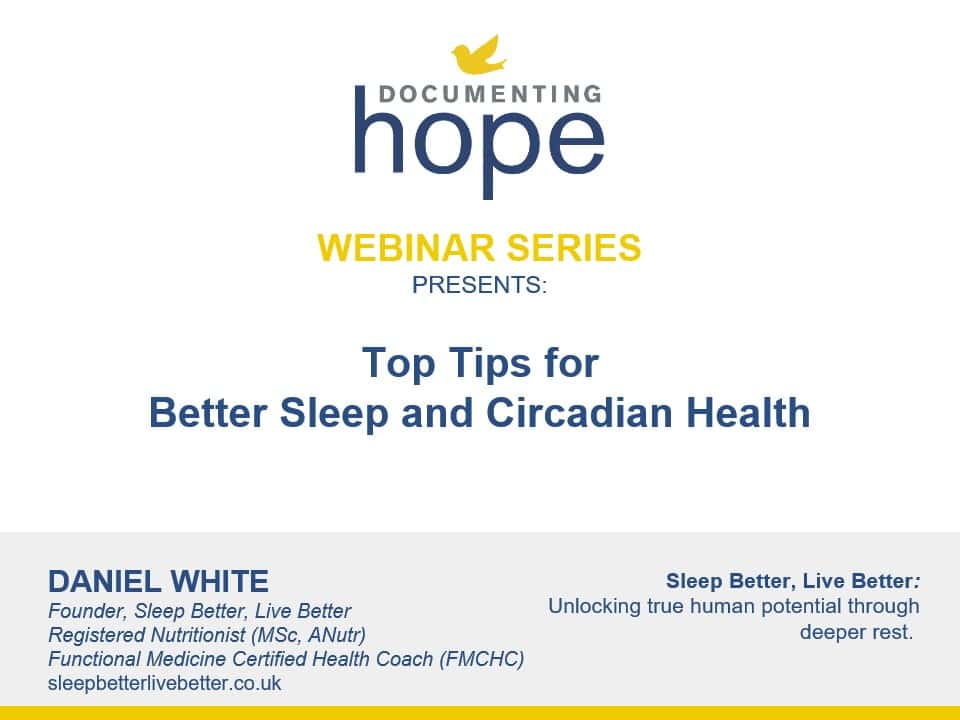
We will be interviewing Daniel White and Jai Kapoor of In Rhythm on Wednesday, October 28th at 1:00pm Eastern. Sign up to join us in this live interview and ask them your own questions! If you can’t make it for the live call, sign up to get the replay delivered to your email the next day.
Is Light Really That Important?
If your child struggles to settle at night, wakes up tired, or finds it hard to hold their energy, mood and focus through the day, you may have already done a great deal of work to support them with diet, nutrients, gut health, and managing stress. One other piece of the puzzle is rarely examined because until recently almost no one was talking about it: light.
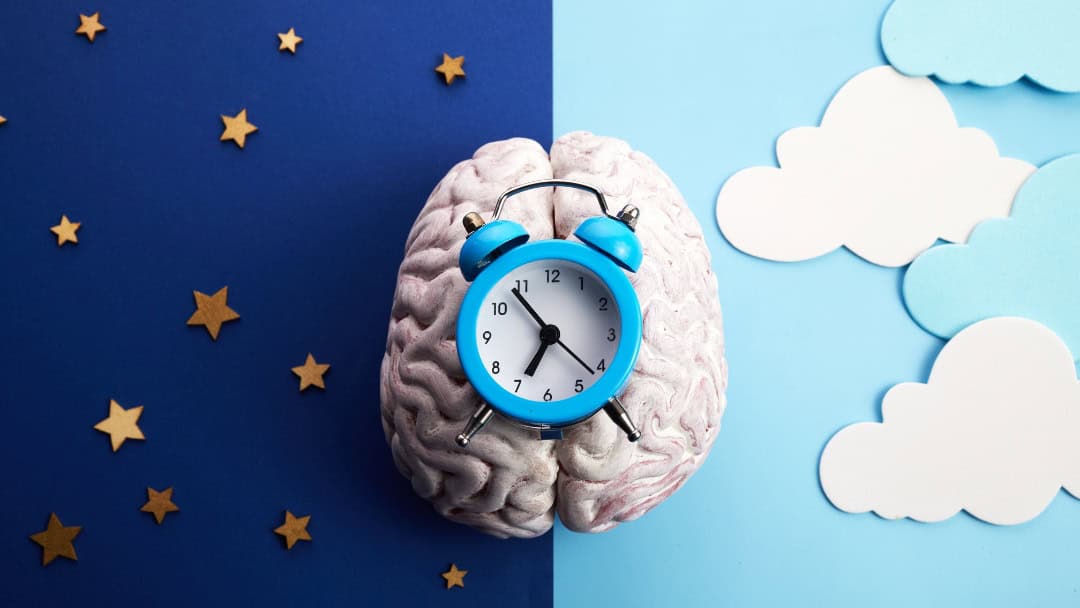
Light is the master signal for the body clock. This is not a new theory: the 2017 Nobel Prize in Medicine was awarded to was awarded to Jeffrey C. Hall, Michael Rosbash, and Michael W. Young for their discoveries of the molecular mechanisms controlling circadian rhythm. Light sets the daily rhythm of cortisol and melatonin, and with them the timing of sleep, hormones, digestion, immunity and brain development.
Children and teenagers are especially sensitive to it. In one study, an hour of bright light before bed suppressed melatonin in preschoolers by almost 90%, and it stayed suppressed for nearly an hour after the lights went out. A 2024 review in Frontiers in Neuroscience links light at night to anxiety, depression, hyperactivity and learning difficulties, and finds teenagers more vulnerable than adults because their hormones and brains are still developing.
“Mal-Illumination” Is Similar to Malnutrition
Daniel White and Jai Kapoor maintain that most families now spend 90% of their time indoors, under artificial light that is far too dim by day and far too bright at night. Just as a poor diet leaves a child malnourished, poor light leaves a child what photobiologist Dr. John Ott called “mal-illuminated“. For a child already living with sleep problems, mood issues or a chronic condition, it is one more load on a nervous system that is already working hard to keep up.
Light is not a replacement for the work you are already doing. It is the foundation underneath it. Every system you are supporting in your child, from sleep and digestion to immunity and mood, runs on a rhythm set by the body clock, and that clock is set by light. Get the light right, and everything else you are doing has a body clock working with it rather than against it.
In This Expert Interview
In this expert interview, In Rhythm co-founders Daniel White and Jai Kapoor will introduce the science of light, sleep and circadian rhythms, with a practical focus on simple steps for children and families, and answer your questions about your own child in a live Q&A. You’ll learn:
- What your child’s body clock is, and why light is where many children’s sleep problems begin
- How light drives the cortisol and melatonin rhythm behind your child’s sleep, energy, mood and focus
- What blue light is, where it comes from, and why artificial light at night affects young children and teenagers most
- The full spectrum of sunlight, why each part matters, and what Dr John Ott’s pioneering work taught us about light and health
- How to make your home lighting work with your child’s body clock, room by room, from overheads and screens to bedtime
- The L.I.G.H.T. Protocol: five simple daily habits your whole family can start the same day
You’ll leave with the science, a daily L.I.G.H.T. checklist and a simple plan you can start the same evening, alongside everything else you are already doing for your child. The goal is straightforward: calmer evenings, restful nights, better moods and a child with more to give during the day.
Sign up to join us in this live interview and ask them your own questions!
About Daniel White MSc ANutr FMCHC
Daniel White is a Registered Nutritionist, Functional Medicine Certified Health Coach, and Applied Quantum Biology Certified Health Practitioner with extensive research and clinical experience in the fields of sleep science, circadian biology and human behaviour change.
His life’s work has been shaped by a personal journey through chronic physical and mental health challenges during adolescence. In 2010, Daniel was unfit, overweight, anxious, depressed, and severely sleep-deprived, while battling autoimmune symptoms, allergies, and brain fog. After discovering the powerful roles of circadian biology, quantum biology, and light in restoring human health, he completely transformed his life and now channels his energy, vitality, and passion into a mission to empower society with the knowledge and solutions needed to bring humanity back into rhythm with nature.
Over the past decade, Daniel has coached, educated and empowered tens of thousands of adults and young people, including conducting training research with academic institutions and global organisations such as Boston Consulting Group, PwC, Deloitte, and Credit Suisse. You can find out more about him and his work at https://www.sleepbetterlivebetter.co.uk/ and https://www.danielwhitehealth.com/
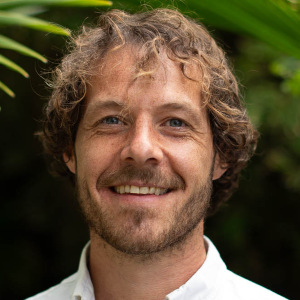
About Jai Kapoor
Jai is an experienced senior executive in the AI & tech space. He has helped build and scale multiple unicorn companies from early stages such as Wayve AI and Revolut. A capital markets specialist, he has raised over $1.3 billion of capital from investors including Softbank, Microsoft & NVIDIA. He also manages a large investment vehicle and is an active angel investor.
Jai’s journey into circadian health began following an aggressive onset of autoimmune psoriasis in 2022. He spent 3 painful years trying to heal it through lifestyle changes like diet, ayurveda, TCM, homeopathy and many other alternative practices. But once Jai met Dan and learned of the power of circadian rhythms, everything changed. He now lives his life psoriasis-free.
Jai’s mission is to bring light back to the world, both scientifically and spiritually. He envisions a New Earth: a global energetic coherence allowing our society to flourish rather than perish. Coherence that allows us to live a new story – one of stewardship, connection and heart-centered leadership. As well as co-founding In Rhythm, Jai is also the author of The Story of Light, a modern treatise on light as the organising principle of life, consciousness and connection.

Disclaimer
This expert interview is not a substitute for medical advice, treatment, diagnosis, or consultation with a medical professional. It is intended for general informational purposes only and should not be relied on to make determinations related to treatment of a medical condition. Documenting Hope has not verified and does not guaranty the accuracy of the information provided in this expert interview.
Sources & References
Akacem, L.D., et al. Sensitivity of the circadian system to evening bright light in preschool-age children. Physiol Rep. 2018 Mar;6(5):e13617.
Alam, M., et al. Impacts of Blue Light Exposure From Electronic Devices on Circadian Rhythm and Sleep Disruption in Adolescent and Young Adult Students. Chronobiology in Medicine. 2024;6(1):10-14.
Aschoff, J. CIRCADIAN RHYTHMS IN MAN. Science. 1965 Jun 11;148(3676):1427-32.
Baek, J.H., et al. Artificial Light at Night and Type 2 Diabetes Mellitus. Diabetes Metab J. 2024 Sep;48(5):847-863.
Ballard, R., et al. Bright Light Therapy for Major Depressive Disorder in Adolescent Outpatients: A Preliminary Study. Clocks Sleep. 2024 Jan 30;6(1):56-71.
Bondopadhyay, U., et al. The Role of the Circadian System in Attention Deficit Hyperactivity Disorder. Adv Exp Med Biol. 2021:1344:113-127.
Brandão, L.E.M., et al. Exposure to a more unhealthy diet impacts sleep microstructure during normal sleep and recovery sleep: A randomized trial. Obesity (Silver Spring). 2023 Jul;31(7):1755-1766.
Cain, S.W., et al. Evening home lighting adversely impacts the circadian system and sleep. Sci Rep. 2020 Nov 5;10(1):19110.
Carpena-Torres, C., et al. Increased ocular dopamine levels in rabbits after blue light stimulation of the optic nerve head. Exp Eye Res. 2023 Sep:234:109604.
Cassone, V.M., et al. Melatonin, the pineal gland, and circadian rhythms. J Biol Rhythms. 1993:8 Suppl:S73-81.
Chang, A.M., et al. Evening use of light-emitting eReaders negatively affects sleep, circadian timing, and next-morning alertness. Proc Natl Acad Sci U S A. 2015 Jan 27;112(4):1232-7.
Chang, Y., et al. Mechanism of Sleep Disturbance in Children with Atopic Dermatitis and the Role of the Circadian Rhythm and Melatonin. Int J Mol Sci. 2016 Mar 29;17(4):462.
Cheung, I.N., et al. Morning and Evening Blue-Enriched Light Exposure Alters Metabolic Function in Normal Weight Adults. PLoS One. 2016 May 18;11(5):e0155601.
Cohen-Mekelburg, S., et al. Morning light treatment for inflammatory bowel disease: a clinical trial. BMC Gastroenterol. 2024 May 22;24(1):179.
Coogan, A.N., et al. A systematic review of circadian function, chronotype and chronotherapy in attention deficit hyperactivity disorder. Atten Defic Hyperact Disord. 2017 Sep;9(3):129-147.
Czeisler, C.A., et al. Sleep and circadian rhythms in humans. Cold Spring Harb Symp Quant Biol. 2007:72:579-97.
Dauchy, R.T., et al. Daytime Blue Light Enhances the Nighttime Circadian Melatonin Inhibition of Human Prostate Cancer Growth. Comp Med. 2015 Dec;65(6):473-85.
Esaki, Y., et al. Wearing blue light-blocking glasses in the evening advances circadian rhythms in the patients with delayed sleep phase disorder: An open-label trial. Chronobiol Int. 2016;33(8):1037-44.
Fagundo-Rivera, J., et al. Relationship between Night Shifts and Risk of Breast Cancer among Nurses: A Systematic Review. Medicina (Kaunas). 2020 Dec 10;56(12):680.
Fargason, R.E., et al. Correcting delayed circadian phase with bright light therapy predicts improvement in ADHD symptoms: A pilot study. J Psychiatr Res. 2017 Aug:91:105-110.
Fasciani, I., et al. A New Threat to Dopamine Neurons: The Downside of Artificial Light. Neuroscience. 2020 Apr 15:432:216-228.
Figueiro, M.G., et al. Light modulates leptin and ghrelin in sleep-restricted adults. Int J Endocrinol. 2012:2012:530726.
Franzigo, M., et al. Chrono-Nutrition: Circadian Rhythm and Personalized Nutrition. Int J Mol Sci. 2023 Jan 29;24(3):2571.
Gabel, V., et al. Effects of artificial dawn and morning blue light on daytime cognitive performance, well-being, cortisol and melatonin levels. Chronobiol Int. 2013 Oct;30(8):988-97.
Gooley, J.J., et al. Exposure to room light before bedtime suppresses melatonin onset and shortens melatonin duration in humans. J Clin Endocrinol Metab. 2011 Mar;96(3):E463-72.
Gringras, P., et al. Bigger, Brighter, Bluer-Better? Current Light-Emitting Devices – Adverse Sleep Properties and Preventative Strategies. Front Public Health. 2015 Oct 13:3:233.
Guindon, G.E., et al. Turn off that night light! Light-at-night as a stressor for adolescents. Front Neurosci. 2024 Jul 31:18:1451219.
Halberg, F., et al. [FREE-RUN STUDY OF CIRCADIAN RHYTHMS OF THE PULSE, OF WAKING-SLEEP ALTERNATION AND ESTIMATION OF TIME DURING THE 2 MONTHS OF SUBTERRANEAN SOJOURN OF A YOUNG ADULT MALE]. C R Hebd Seances Acad Sci. 1965 Jan 25:260:1259-62.
Hartstein, L.E., et al. High sensitivity of melatonin suppression response to evening light in preschool-aged children. J Pineal Res. 2022 Mar;72(2):e12780.
Hester, L., et al. Evening wear of blue-blocking glasses for sleep and mood disorders: a systematic review. Chronobiol Int. 2021 Oct;38(10):1375-1383.
Hvolby, A. Associations of sleep disturbance with ADHD: implications for treatment. Atten Defic Hyperact Disord. 2015 Mar;7(1):1-18.
IARC Working Group on the Identification of Carcinogenic Hazards to Humans. Night Shift Work: IARC Monographs on the Identification of Carcinogenic Hazards to Humans Volume 124. International Agency for Research on Cancer, World Health Organization, Lyon (FR), 2020.
James, L.E., et al. Pediatric perioperative measures of sleep, pain, anxiety and anesthesia emergence: A healing touch proof of concept randomized clinical trial. Complement Ther Med. 2019 Feb:42:264-269.
Kleitman, N. Sleep and wakefulness. Univ. Chicago Press, 1963.
Kianersi, S., et al. Chronotype, Unhealthy Lifestyle, and Diabetes Risk in Middle-Aged U.S. Women: A Prospective Cohort Study. Ann Intern Med. 2023 Oct;176(10):1330-1339.
Koo, Y.S., et al. Outdoor artificial light at night, obesity, and sleep health: Cross-sectional analysis in the KoGES study. Chronobiol Int. 2016;33(3):301-14.
Korman, M., et al. ADHD 24/7: Circadian clock genes, chronotherapy and sleep/wake cycle insufficiencies in ADHD. World J Biol Psychiatry. 2020 Mar;21(3):156-171.
Lok, R., et al. Perils of the nighttime: Impact of behavioral timing and preference on mental health in 73,888 community-dwelling adults. Psychiatry Res. 2024 May 15:337:115956.
Maggio, R., et al. Parkinson's disease and light: The bright and the Dark sides. Brain Res Bull. 2019 Aug:150:290-296.
Makateb, A., et al. Investigating the effects of a blue-blocking software on the daily rhythm of sleep, melatonin, cortisol, positive and negative emotions. Chronobiol Int. 2023 Jul 3;40(7):896-902.
Malin, S.K., et al. Early chronotype with metabolic syndrome favours resting and exercise fat oxidation in relation to insulin-stimulated non-oxidative glucose disposal. Exp Physiol. 2022 Nov;107(11):1255-1264.
Martel, J., et al. Influence of electromagnetic fields on the circadian rhythm: Implications for human health and disease. Biomed J. 2023 Feb;46(1):48-59.
Martel, J. Is a return to nature a piece of the health puzzle? Biomed J. 2023 Feb;46(1):8-10.
Masís-Vargas, A., et al. Blue light at night acutely impairs glucose tolerance and increases sugar intake in the diurnal rodent Arvicanthis ansorgei in a sex-dependent manner. Physiol Rep. 2019 Oct;7(20):e14257.
Mason, I.C., et al. Light exposure during sleep impairs cardiometabolic function. Proc Natl Acad Sci U S A. 2022 Mar 22;119(12):e2113290119.
Megha, K.B., et al. Significance of Melatonin in the Regulation of Circadian Rhythms and Disease Management. Mol Neurobiol. 2024 Jan 11.
Mills, J.N. The circadian rhythms of human subjects without timepieces or indication of the alternation of day and night. J Physiol. 1974 Aug;240(3):567-94.
Moore-Ede., M. Lights should support circadian rhythms: evidence-based scientific consensus. Front. Photonics. 2023 Oct 03 (4).
Naganuma, F., et al. Histamine N-methyltransferase regulates aggression and the sleep-wake cycle. Sci Rep. 2017 Nov 21;7(1):15899.
Nash, T.R., et al. Daily blue-light exposure shortens lifespan and causes brain neurodegeneration in Drosophila. NPJ Aging Mech Dis. 2019 Oct 17:5:8.
Ogundele, M.O., et al. Management of sleep disorders among children and adolescents with neurodevelopmental disorders: A practical guide for clinicians. World J Clin Pediatr. 2022 Mar 15;11(3):239-252.
Ondrusova, K., et al. Subcutaneous white adipocytes express a light sensitive signaling pathway mediated via a melanopsin/TRPC channel axis. Sci Rep. 2017 Nov 27;7(1):16332.
Opperhuizen, A.L., et al. Light at night acutely impairs glucose tolerance in a time-, intensity- and wavelength-dependent manner in rats. Diabetologia. 2017 Jul;60(7):1333-1343.
Randjelović, P., et al. The effect of reducing blue light from smartphone screen on subjective quality of sleep among students. Chronobiol Int. 2023 Mar;40(3):335-342.
Romeo, S., et al. Bright light exposure reduces TH-positive dopamine neurons: implications of light pollution in Parkinson's disease epidemiology. Sci Rep. 2013:3:1395.
Salomon, I., et al. Artificial light exposure at night: A hidden risk factor for type 2 diabetes. Sleep Med X. 2025 Jun 14:10:100146.
Sancho-Balsells, A., et al. Brain-gut photobiomodulation restores cognitive alterations in chronically stressed mice through the regulation of Sirt1 and neuroinflammation. J Affect Disord. 2024 Jun 1:354:574-588.
Shin, J. Neuroprotective effects of melatonin in neurodegenerative and autoimmune central nervous system diseases. Encephalitis. 2023 Apr;3(2):44-53.
Sun, J., et al. Sleep Deprivation and Gut Microbiota Dysbiosis: Current Understandings and Implications. Int J Mol Sci. 2023 May 31;24(11):9603.
Uğurlu, A.K., et al. Is blue light exposure a cause of precocious puberty in male rats? Front Endocrinol (Lausanne). 2023 Jun 20:14:1190445.
van Andel, W., et al. Effects of chronotherapy on circadian rhythm and ADHD symptoms in adults with attention-deficit/hyperactivity disorder and delayed sleep phase syndrome: a randomized clinical trial. Chronobiol Int. 2021 Feb;38(2):260-269.
Wang, C., et al. The association between blue light exposure and incidence of type 2 diabetes: A prospective study of UK biobank. Environ Res. 2024 Apr 1:246:118070.
Wang, W., et al. Long-term artificial/natural daytime light affects mood, melatonin, corticosterone, and gut microbiota in rats. Appl Microbiol Biotechnol. 2023 Apr;107(7-8):2689-2705.
Wright, Jr., K.P. Entrainment of the human circadian clock to the natural light-dark cycle. Curr Biol. 2013 Aug 19;23(16):1554-8.
Xie, F., et al. Association between night shift work and the risk of type 2 diabetes mellitus: a cohort-based meta-analysis. BMC Endocr Disord. 2024 Dec 18;24(1):268.
Yoon, J., et al. Assessing the Feasibility and Efficacy of Pre-Sleep Dim Light Therapy for Adults with Insomnia: A Pilot Study. Medicina (Kaunas). 2024 Apr 14;60(4):632.
Zhong, Z., et al. Administration of blue light in the morning and no blue-ray light in the evening improves the circadian functions of non-24-hour shift workers. Chronobiol Int. 2024 Feb;41(2):267-282.
Resources
Articles
Dunckley, Victoria M. The Illuminating Tale of Sunlight’s Impact on Health: Sunlight may be today’s most overlooked (and cheapest!) wellness essential. Psychology Today. 5 Jun 2016.
The Nobel Prize in Physiology or Medicine 2017. Scientific Background Discoveries of Molecular Mechanisms Controlling the Circadian Rhythm.