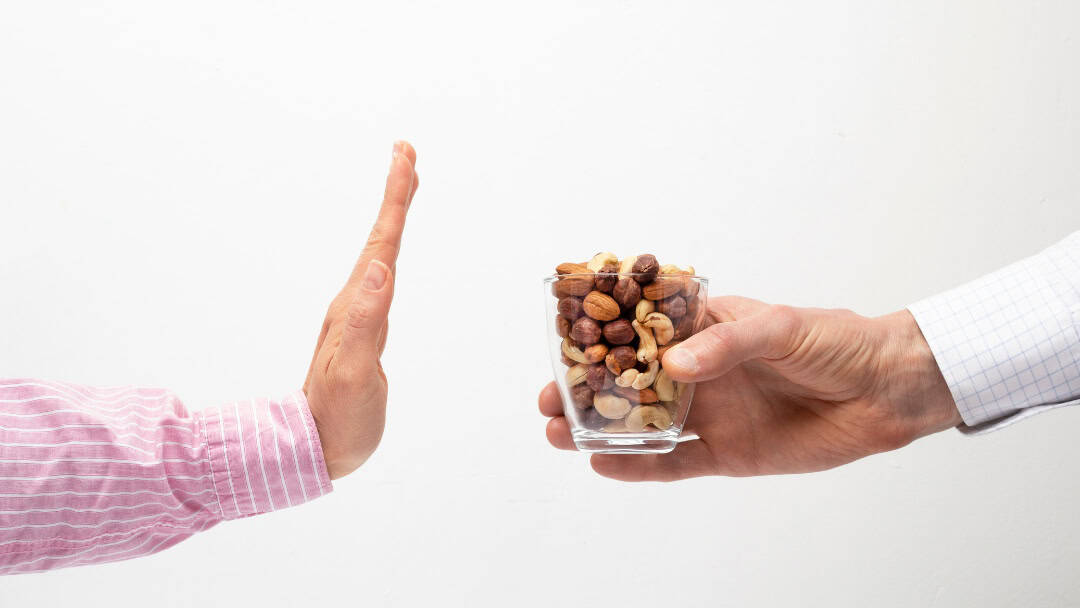

We’ve developed a basic diet checklist for you to consult because making dietary changes is the first step to healing.
- Have you established which diet or diets would be well-suited for your child’s health condition?
- Have you done a food allergy and food sensitivity test to know what foods to eliminate?
- Have you eliminated potential trigger foods from your child’s diet such as:
- Have you removed all sources of gluten in grains and hidden sources of gluten in spices, food flavorings and sauces?
- Have you removed all sources of casein found in animal dairy products?
- Have you removed all sources of casein found in desserts, frozen food, food products, seasonings, and cold meats?
- Have you removed all processed foods from your child’s diet?
- Have you eliminated vegetable oils and trans fats from your child’s diet?
- Are you using the stove instead of the microwave?
- Is your child getting protein for breakfast before going to school?
- Is your child getting healthy snacks for school?
- Are you using salt with minerals such as Himalayan salts?
- Is your child drinking enough filtered water?
- Are you including enough good-quality fats in your child’s diet?
- Is your child getting fermented foods daily in their diet?
- Have you checked for cross-contamination in your child’s diet?
- Have you checked for any aluminum, lead or mercury in the food your child eats?
- Have you checked to make sure you are not cooking with aluminum pots, non-stick frying pans and any other chemically laden cooking utensils or pots?
- Are you checking with the Environmental Working Group for information on pesticides with fruits and vegetables?
- Are you finding creative ways to get your child to eat leafy greens and vegetables? Keep vegetable water and use it in your cooking!
About Teresa Badillo
In the 1980s she worked overseas in Rome, Italy at the Japanese Embassy in the office of the United Nations (FAO) as a speech writer. She also began her long journey in alternative healing while living in Rome.
After moving to New York and while raising her family of seven children, Teresa embarked on a mission to find alternative non-invasive biomedical, therapeutic, sensory and educational solutions for autism after the diagnosis of her son in the early 1990s.

She won a court case in 1995 against the Rockland County School District in New York to enable ARC Prime Time for Kids to be the first school using Applied Behavioral Analysis teaching method for autism that was paid for by the Rockland County School District. The following year she was instrumental in getting the New York Minister of Education to approve an extension of the ARC license from 5 to 21 years.
She has worked over the years in a number of alternative medical practices with doctors and practitioners organizing various biomedical intervention options for children with autism. Since the mid 1990s, Teresa has served on several boards:
- Foundation for Children with Developmental Disabilities
- The Autoimmunity Project
- Developmental Delayed Resources
- Epidemic Answers
She continues to consult and advise parents on all different areas of autism especially nutritional protocols. Since 2006 she has worked with NutraOrgana, LLC and BioCellular Analysis Testing. She currently researches, writes the newsletter and blogs Teresa’s Corner for The Autism Exchange (AEX). She also writes blog posts and pages for Documenting Hope.
Still Looking for Answers?
Visit the Documenting Hope Practitioner Directory to find a practitioner near you.
Join us inside our online membership community for parents, Healing Together, where you’ll find even more healing resources, expert guidance, and a community to support you every step of your child’s healing journey.
Sources & References
Aram, A., et al. The effects of conjugated linoleic acids on breast cancer: A systematic review. Adv Biomed Res. 2016 Jul 6:5:115.
Bateman, B., et al. The effects of a double blind, placebo controlled, artificial food colourings and benzoate preservative challenge on hyperactivity in a general population sample of preschool children. Arch Dis Child. 2004 Jun;89(6):506-11.
Bauer, J., et al. Hyperactivity and impulsivity in adult attention-deficit/hyperactivity disorder is related to glutamatergic dysfunction in the anterior cingulate cortex. World J Biol Psychiatry. 2018 Oct;19(7):538-546.
Boris, M., et al. Foods and additives are common causes of the attention deficit hyperactive disorder in children. Ann Allergy. 1994 May;72(5):462-8.
Chhabra, R., et al. Organically grown food provides health benefits to Drosophila melanogaster. PLoS One. 2013;8(1):e52988.
Crinnion, W.J. Organic foods contain higher levels of certain nutrients, lower levels of pesticides, and may provide health benefits for the consumer. Altern Med Rev. 2010 Apr;15(1):4-12.
Daley, C.A., et al. A review of fatty acid profiles and antioxidant content in grass-fed and grain-fed beef. Nutr J. 2010 Mar 10:9:10.
Davalli, D.M., et al. The potential role of glutamate in the current diabetes epidemic. Acta Diabetol. 2012 Jun;49(3):167-83.
DeHavenon, A., et al. The Secret “Spice”: An Undetectable Toxic Cause of Seizure.Neurohospitalist. 2011 Oct; 1(4): 182–186.
den Hartigh, L.J. Conjugated Linoleic Acid Effects on Cancer, Obesity, and Atherosclerosis: A Review of Pre-Clinical and Human Trials with Current Perspectives. Nutrients. 2019 Feb 11;11(2):370.
Ghanizadeh, A., et al. The effect of dietary education on ADHD, a randomized controlled clinical trial. Ann Gen Psychiatry. 2015 Mar 1:14:12.
Gunatilake, S., et al. Glyphosate’s Synergistic Toxicity in Combination with Other Factors as a Cause of Chronic Kidney Disease of Unknown Origin. Int J Environ Res Public Health. 2019 Jul 31;16(15):2734.
Haroon, E., et al. Inflammation, Glutamate, and Glia: A Trio of Trouble in Mood Disorders. Neuropsychopharmacology. 2017 Jan;42(1):193-215.
Hertz-Picciotto, I., et al. Organophosphate exposures during pregnancy and child neurodevelopment: Recommendations for essential policy reforms. PLoS Med. 2018 Oct 24;15(10):e1002671.
Kamel, M.M., et al. The Potential Health Hazard of Tartrazine and Levels of Hyperactivity, Anxiety-Like Symptoms, Depression and Anti-social Behaviour in Rats. J Am Sci. 2011;7(6).
Kanarek, R.B. Artificial food dyes and attention deficit hyperactivity disorder. Nutr Rev.2011 Jul;69(7):385-91.
Khoshnoud, M.J., et al. Effects of sodium benzoate, a commonly used food preservative, on learning, memory, and oxidative stress in brain of mice. J Biochem Mol Toxicol. 2018 Feb;32(2).
Kirkland, A.E., et al. Artificial food coloring affects EEG power and ADHD symptoms in college students with ADHD: a pilot study. Nutr Neurosci. 2022 Jan;25(1):159-168.
Konikowska, K., et al. The influence of components of diet on the symptoms of ADHD in children. Rocz Panstw Zakl Hig. 2012;63(2):127-34.
Lau, K., et al. Synergistic Interaction Between Commonly Used Food Additives in a Developmental Neurotoxicity Test. Toxicol Sci. 2006 Mar;90(1):178-87.
Li, J., et al. Association between maternal exposure to chemical fertilizer and the risk of birth defects in a rural population in northern China: a population-based study. Int Health. 2023 May 2;15(3):299-308.
Lin, S., et al. Interactive effects of maternal exposure to chemical fertilizer and socio-economic status on the risk of low birth weight. BMC Public Health. 2022 Jun 16;22(1):1206.
Mathewson, P.D., et al. Health and economic impact of nitrate pollution in drinking water: a Wisconsin case study. Environ Monit Assess. 2020 Oct 23;192(11):724.
McCann, D., et al. Food additives and hyperactive behaviour in 3-year-old and 8/9-year-old children in the community: a randomised, double-blinded, placebo-controlled trial. Lancet. 2007 Nov 3;370(9598):1560-7.
McNally, L., et al. Inflammation, glutamate, and glia in depression: a literature review. CNS Spectr. 2008 Jun;13(6):501-10.
Miller, M.D., et al. Potential impacts of synthetic food dyes on activity and attention in children: a review of the human and animal evidence. Environ Health. 2022 Apr 29;21(1):45.
Millichap, J.G., et al. The diet factor in attention-deficit/hyperactivity disorder. Pediatrics.2012 Feb;129(2):330-7.
Mpountoukas, P., et al. Cytogenetic evaluation and DNA interaction studies of the food colorants amaranth, erythrosine and tartrazine. Food Chem Toxicol. 2010 Oct;48(10):2934-44.
Nigg, J.T., et al. Meta-analysis of attention-deficit/hyperactivity disorder or attention-deficit/hyperactivity disorder symptoms, restriction diet, and synthetic food color additives. J Am Acad Child Adolesc Psychiatry. 2012 Jan;51(1):86-97.e8.
Pelsser, L.M., et al. Effects of a restricted elimination diet on the behaviour of children with attention-deficit hyperactivity disorder (INCA study): a randomised controlled trial. Lancet. 2011 Feb 5;377(9764):494-503.
Pelsser, L.M., et al. [Favourable effect of a standard elimination diet on the behavior of young children with attention deficit hyperactivity disorder (ADHD): a pilot study]. Ned Tijdschr Geneeskd. 2002 Dec 28;146(52):2543-7.
Pitt, D., et al. Glutamate excitotoxicity in a model of multiple sclerosis. Nat Med. 2000 Jan;6(1):67-70.
Robinette, L.M., et al. Fruit and vegetable intake is inversely associated with severity of inattention in a pediatric population with ADHD symptoms: the MADDY Study. Nutr Neurosci. 2023 Jun;26(6):572-581.
Rowe, K.S., et al. Synthetic Food Coloring and Behavior: A Dose Response Effect in a Double-Blind, Placebo-Controlled, Repeated-Measures Study. J Pediatr. 1994 Nov;125(5 Pt 1):691-8.
Samsel, A., et al. Glyphosate, pathways to modern diseases II: Celiac sprue and gluten intolerance. Interdiscip Toxicol. 2013 Dec;6(4):159-84.
Samsel, A., et al. Glyphosate, pathways to modern diseases III: Manganese, neurological diseases, and associated pathologies. Surg Neurol Int.2015 Mar 24;6:45.
Samsel, A, et al. Glyphosate’s suppression of cytochrome P450 enzymes and amino acid biosynthesis by the gut microbiome: Pathways to modern diseases. Entropy. 2013;15:1416–1463.
Samuels, A. The toxicity/safety of processed free glutamic acid (MSG): a study in suppression of information. Account Res. 1999;6(4):259-310.
Schab, D.W., et al. Do artificial food colors promote hyperactivity in children with hyperactive syndromes? A meta-analysis of double-blind placebo-controlled trials. J Dev Behav Pediatr. 2004 Dec;25(6):423-34.
Silfverdal, S.A., et al. [Food additives can increase hyperactivity in children. Results from a British study confirm the connection]. Lakartidningen. 2008 Feb 6-12;105(6):354-5.
Temkin, A., et al. Exposure-based assessment and economic valuation of adverse birth outcomes and cancer risk due to nitrate in United States drinking water. Environ Res. 2019 Sep:176:108442.
Tobacman, J.K. Review of Harmful Gastrointestinal Effects of Carrageenan in Animal Experiments. Environmental Health Perspectives. 2001 Oct;109(10):983-94.
Varre, V.J., et al. Nutritional composition of beef: a comparison of commercial North American grass- and grain-finishing systems. J Anim Sci. 2026 Jan 8:104:skaf436.
Verlaet, A.A.J., et al. Nutrition, immunological mechanisms and dietary immunomodulation in ADHD. Eur Child Adolesc Psychiatry. 2014 Jul;23(7):519-29.
Vigar, V., et al. A Systematic Review of Organic Versus Conventional Food Consumption: Is There a Measurable Benefit on Human Health? Nutrients. 2019 Dec 18;12(1):7.
Wallinga, D., et al. Not So Sweet: Missing Mercury and High Fructose Corn Syrup. Institute for Agriculture and Trade Policy, Minneapolis, Minnesota. Jan 2009.
Wang, Y., et al. Associations between dietary intake, diet quality and depressive symptoms in youth: A systematic review of observational studies. Health Promot Perspect. 2022 Dec 10;12(3):249-265.
Watkins, J.C., et al. The glutamate story.Br J Pharmacol. 2006 Jan; 147(Suppl 1): S100–S108.
Weyer, P.J., et al. Municipal drinking water nitrate level and cancer risk in older women: the Iowa Women's Health Study. Epidemiology. 2001 May;12(3):327-38.
Winchester, P.D., et al. Agrichemicals in surface water and birth defects in the United States. Acta Paediatr. 2009 Apr;98(4):664-9.
Yu, C.J., et al. Sugar-Sweetened Beverage Consumption Is Adversely Associated with Childhood Attention Deficit Hyperactivity Disorder. Int J Environ Res Public Health. 2016 Jul 4;13(7).
Zhang, Z., et al. Blood Glutamate Levels in Autism Spectrum Disorder: A Systematic Review and Meta-Analysis. PLoS One.2016 Jul 8;11(7):e0158688.