Home health testing and simple daily measurements offer solid opportunities to track health patterns and progress as well as ways to identify potential imbalances in your child’s health. Below are simple, accessible tools that can provide powerful windows into physiology. These suggestions offer easy, mostly inexpensive, and sometimes even free ways to get insights into your child’s health.
Nervous-System Monitoring
Heart Rate Variability (HRV)
HRV is a window into the nervous system. It reflects the body’s ability to adapt, recover, and move between states of stress (sympathetic) and safety (parasympathetic). The body must be in a parasympathetic state to heal, rest, and digest well.
If you or your child is stuck in a state of sympathetic dominance, which is very common in children with autism, PANS/PANDAS, anxiety, autoimmune diseases or other chronic conditions, then healing cannot truly take place. Low HRV often signals a system stuck in survival mode.
The goal is to increase HRV through exercise, sleep improvement, blood-sugar optimization, breathwork, stress management, and nervous-system regulation. The higher the HRV, the more likely it is that the body will be able to heal and recover. Healthy ranges for HRV will vary by age and sex, but a pattern of HRV consistently under 50 can mean the body is in a state of chronic stress or is unable to toggle back and forth between a sympathetic and a parasympathic state.
Body Temperature Tracking
Basal body temperature is one of the oldest and most valuable tools for assessing metabolic function. Consistently low temperatures may suggest thyroid dysfunction, low metabolic reserve, or a chronic stress state. This tracking can be done with a standard thermometer available online or at most drug or big-box stores.
Basal body temperature is measured first thing in the morning, before getting out of bed, using a reliable thermometer and tracking daily over time to establish a pattern. In general, a healthy resting temperature for adults and children tends to fall around 97.8–98.2°F (36.5–36.8°C) upon waking. Consistently lower readings (below ~97.5°F) may suggest slowed metabolism, thyroid dysfunction, or chronic stress physiology, while consistently elevated readings (e.g., above ~98.6°F at rest, outside of illness) can point toward chronic inflammation, infection, or increased metabolic demand. The key is not a single reading, but trends over time.
If your child continues to have temperatures that are outside of the normal range of 97.8–98.2°F (36.5–36.8°C) upon waking, we recommend that you bring this to the attention of your child’s doctor or healthcare practitioner.
Nutrition Measurements and Assessments
Pulse Test for Food Sensitivity
If you suspect a true allergy to a food, this is not the appropriate test; see a doctor or allergist in that case. By taking your child’s pulse and logging the heart rate (pulse) while simultaneously keeping a record of everything that your child eats, you might be able to discover which foods your child is sensitive to. An above-normal pulse rate after eating a particular food suggests a sensitivity to that food or food group. To do this test:
- Start at least two hours after your child has last eaten, while they have a relatively empty stomach. Take your child’s pulse for a full 60 seconds. A cheap pulse-oximeter for home use or using a stopwatch on your phone makes this easy. This is the baseline rate for testing purposes.
- Have your child take a bite of the type of food you wish to test and have them chew it for one minute. At the same time, take your child’s pulse. An increase in the pulse of six beats/minute or more indicates a sensitivity to that item.
- If you want to check for other food sensitivities in the same sitting, have your child spit out the bite, rinse out their mouth, and start over.
- If your child tests positive for one item, you may want to test others in a food group. For example, if your child “reacts” to milk, have them try cheese or yogurt while running the pulse test.
Elimination Diet
If you suspect your child has a food sensitivity due to results from the above-listed pulse test or because your child has lingering soft signs or a chronic health condition, an elimination diet is an excellent idea.
Most children with a chronic health condition often have a non-anaphylactic immune reaction known as a sensitivity or intolerance to one or more common foods. These foods include gluten, dairy, eggs, soy, corn, fish, shellfish, peanuts, tree nuts, citrus foods, and chocolate. These foods may take two to three days to cause soft signs such as irritability, headaches, fatigue, sleep disturbances, inability to focus, constipation, diarrhea, and more. An intolerance to certain foods can drive heightened immune reactions and inflammation in your child.
Doing an elimination diet is simple in theory but challenging to do in real life because you’ll need about a full month when you can completely control your child’s diet without there being infractions. Thus, doing this during the summer or long school break is often the best time. If you aren’t able to do this for a full month, at least do it for a week or two to determine which foods may be most problematic for your child.
The way that an elimination diet works is to eliminate all foods containing the ingredients listed above for a week, then slowly add them back in one at a time every fourth day while checking for unusual symptoms such as the ones listed above. A daily food log is an important tool to use to track what foods were eliminated, which ones were eaten, and which, if any, symptoms appeared or disappeared.
If you can’t commit to all of the foods listed above, try removing just gluten and dairy first because they tend to be the most problematic, then add them back in one at a time. This diet may be a real challenge if your family eats processed or take-out foods. We recommend learning how to cook from scratch and finding recipes that your family and child will eat before starting an elimination diet. If you can get your whole family to participate, your child will feel less singled out, and you may also discover that other family members benefit.
Zinc Challenge Taste Test
Zinc is foundational for immune function, gut integrity, and neurological health. Children exhibiting symptoms of depression, anxiety, OCD, and ADHD are often zinc deficient. A simple at-home taste test can provide a rough proxy for zinc status.
The zinc challenge taste test is simple: you place a small amount of liquid zinc sulfate in the mouth, swish for about 10 seconds, and then note the intensity of the taste. A strong, immediate metallic or unpleasant taste generally suggests adequate zinc status, while a weak, delayed, or absent taste may indicate a deficiency. This works because zinc is involved in taste perception. When levels are low, taste acuity is diminished. While not a definitive diagnostic tool, it provides a quick, functional snapshot that can help guide further evaluation or supplementation.
When purchasing zinc sulfate, we recommend getting a brand that does not include anything but zinc sulfate. Be sure to check the label, as sweeteners such as glycerin and fruit juices can mask the flavor. Also ensure that there are no other minerals, such as copper, included.
Iodine Skin Test
This simple test (applying iodine to the skin and observing absorption rate) is sometimes used as a rough indicator of iodine status, an essential nutrient for thyroid function.
The iodine skin test is done by applying a small patch of iodine (often Lugol’s or povidone-iodine) to the skin (typically on the inner forearm) and observing how quickly the color fades over the next 12–24 hours. The idea is that faster disappearance may suggest the body is absorbing iodine more readily, which some interpret as a sign of lower iodine status, while a patch that remains visible longer may suggest more adequate levels. However, results can be influenced by many factors, including skin thickness, sweating, and environmental exposure, so it is not a precise diagnostic test. Instead, it can be used as a rough, directional tool to raise questions with your child’s doctor about iodine status and thyroid support.
Metabolic Health Measurements
Blood Glucose Monitoring
Blood sugar is one of the most important drivers of behavior, mood, inflammation, and energy. Even outside of diabetes, tracking glucose can reveal hidden insulin resistance and blood-sugar crashes contributing to irritability, mood instability, or fatigue.
While many diabetics wear Continuous Glucose Monitors (CGMs) such as a Dexcom that are available by prescription only, they can also be prescribed for individuals who are pre-diabetic for whom insulin resistance or high blood glucose is suspected. Non-prescription versions of these monitors may not be as accurate as the prescription versions, but they may help you to understand on a directional basis if a food is potentially contributing to high blood sugar levels.
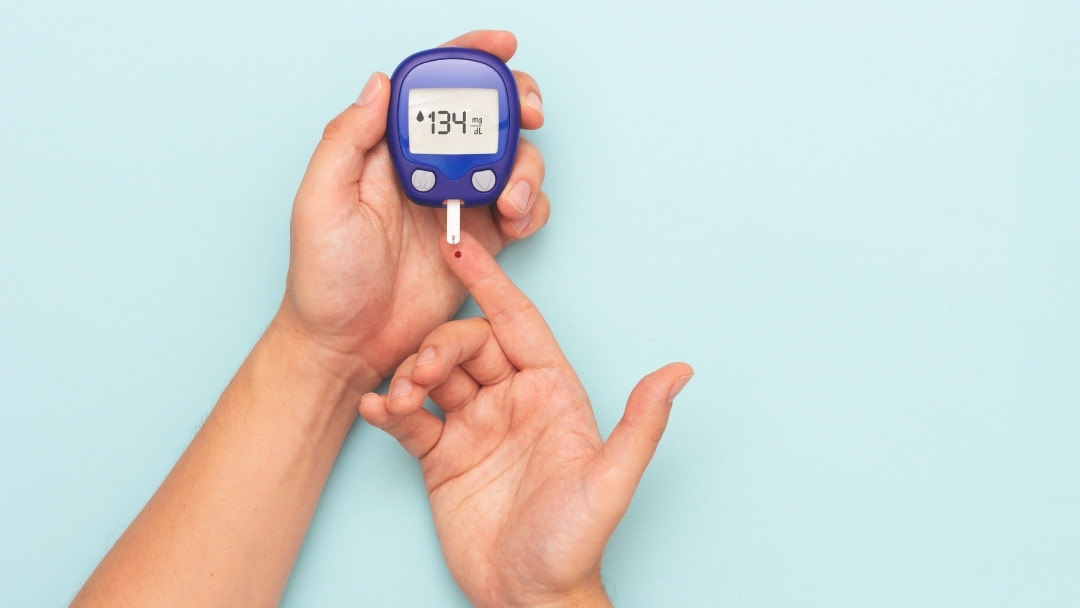
You can also do much simpler glucose monitoring on your own by getting a home glucose-monitoring kit that contains lancets, glucose test strips and a blood glucose reader. We recommend testing your child’s blood glucose in the morning before they have had anything to eat or drink except for water. This is called a fasting blood glucose test. For this test, you can do a simple finger prick to gather a drop of blood that is needed to measure blood glucose levels.
Optimal fasting blood glucose levels are between 70 mg/dL and 85 mg/dL. If the level is higher than 95 mg/dL or lower than 70 mg/dL, you may want to talk to your healthcare practitioner about ways to manage your child’s blood glucose. You can also read our recommendations for optimizing blood sugar here.
In our experience, children with neurodevelopmental disorders such as autism and ADHD as well as those with mood disorders tend to have hypoglycemia (below 70 mg/dL) either at the beginning of the day or a couple of hours after eating a meal. This can be due to the extra energy demands that their body’s stressors such as sensory issues, nutritional deficiencies, and chronic inflammation have placed upon their body. If this is the case for your child, we recommend ensuring that they eat fat, fiber and protein with every meal and snack while eliminating or significantly reducing processed carbohydrates and sugar.
Ketone Testing (Urine or Blood)
Using tools like the Keto-Mojo blood ketone meter, ketone testing can help assess metabolic flexibility, which is your child’s body’s ability to shift between burning glucose and fat.
The Keto-Mojo is a handheld device that measures both blood glucose and ketone levels using a small finger prick and test strips. You insert a strip, apply a drop of blood, and within seconds, the device displays your child’s levels, allowing you to see whether your child’s body is burning glucose or fat for fuel. Tracking ketones alongside glucose provides insight into metabolic flexibility and whether your child is in a state of nutritional ketosis. Nutritional ketosis is often recommended for individuals with seizures or other neurological conditions such as autism, ADHD, anxiety, and more.
A state of light nutritional ketosis is achieved when ketone levels are between 0.5–1.0 mmol/L, while higher therapeutic ketosis occurs when ketone levels are between 3.0–5.0 mmol/L. For those with glucose levels at 300 mg/dL or higher, a ketone level at 3.0 mmol/L or above can trigger the dangerous condition of diabetic ketoacidosis. We recommend that your child is monitored by a knowledgeable practitioner before using a ketogenic diet.
Digestive Health Home Health Measurements
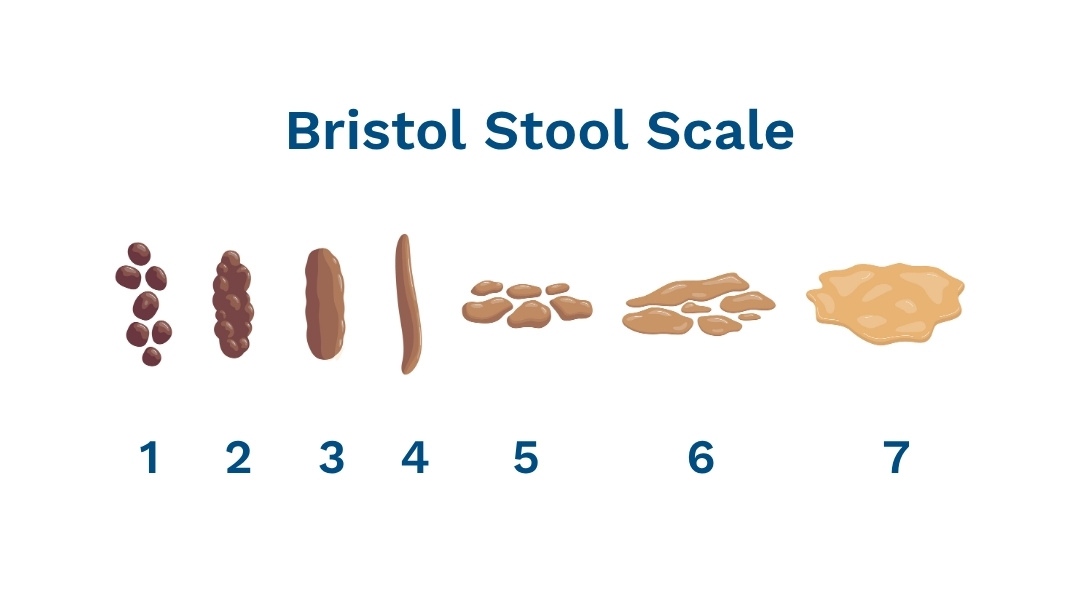
Bristol Stool Scale
The Bristol Stool Scale is a tool that is commonly used to determine the health of a person’s poop just by looking at it. The scale uses the numbers from 1 to 7 to classify poop. Stool that is rated 1 or 2 is typically hard to pass and could indicate dehydration, low fiber intake, slow gut motility, slow metabolism, or living in a chronic state of fight-or-flight. Stools that are rated 3 or 4 are of ideal shape and consistency. Watery, loose stools are rated 5, 6 or 7, and these are typically caused by stress, food sensitivities, or gut dysbiosis.
Tracking your child’s poop with this scale can provide clues to your child’s overall health. You might discover that if your child eats gluten or dairy, for instance, that he or she almost always has an abnormal stool rating, if not outright constipated.
Transit Time Test
Gut motility, or the time it takes for food to pass through your gastrointestinal system, is a critical pillar of health. Too slow means you are likely constipated and re-absorbing toxins back into your bloodstream. Too fast means you are likely not absorbing enough of the nutrients from your food. Both too fast and too slow can point to dysbiosis (an imbalance of microbes in the gut) that can be treated and balanced for better health and detoxification.
A simple at-home transit test (using easily identifiable foods like corn, activated charcoal or beets) can help assess how long food takes to move through the digestive tract. It is as simple as tracking how long it takes for that food to appear in your stool after you consume it. A typical transit time is around 12–24 hours, though some variation exists depending on the individual. Slower transit may suggest sluggish motility, mitochondrial dysfunction, dysbiosis, or low digestive function, while very rapid transit can indicate irritation, inflammation, or poor nutrient absorption.
Adequate Stomach Acid Test
Nutritional status, among other things, can be adversely impacted by low stomach acid. Low magnesium, for instance, is a warning on proton-pump-inhibitor packaging and why we are not meant to use them long-term. Adequate stomach acid is important for proper digestion and assimilation of many nutrients especially protein, vitamin B12 and magnesium.
Despite the popular use of acid blocking medications (even for babies), the root cause of intestinal symptoms, and/or nutritional deficiencies, is often LOW stomach acid.
Measuring stomach acid is often not feasible or invasive in nature, but there is a simple home test that can help identify low levels of stomach acid. A home test to help you assess stomach acid is the Baking Soda Test. This is not a conclusive test, but it may be a helpful starting point for an adult or cooperative child.
To perform the test, dissolve ¼ teaspoon of baking soda into four ounces of water, then drink on an empty stomach before breakfast or at least two hours after eating. Upon ingestion, the sodium bicarbonate (baking soda) mixed with the natural hydrochloric acid in the stomach produces carbon dioxide gas, which comes out in the form of a burp. If it takes 2-3 minutes or longer to burp, this could indicate low stomach acid.
Environmental Exposure Impact
Visual Contrast Sensitivity (VCS) for Suspected Mold Exposure
The VCS is an inexpensive, online screening test can be run without a doctor’s prescription at https://www.survivingmold.com/store/online-vcs-screening It is often used as a starting point for suspected toxicity due to mold exposure. The test measures visual contrast, which is often affected when biotoxin illness or mold toxicity is present. The VCS is not a diagnostic test, but if the result of this test is positive, we recommend that you work with a mold/mycotoxin/biotoxin practitioner, which you can find in our practitioner directory.
Other Health Measurements
Sleep, Stress and Recovery Trackers (Such as the Oura Ring)
When used responsibly, that is, with Bluetooth turned off, wearables like an Oura ring or Garmin can help us “hear” the body more clearly. Health wearables can track sleep quality and stages, heart rate, HRV, body temperature (which can be an indicator of balance/imbalance in the thyroid, in particular) and more, depending on the device. Using devices in airplane mode or limiting Bluetooth is important to keep in mind.
Urine and Saliva pH Strips
While not diagnostic, urine and saliva pH can offer directional insight into acid-base balance, mineral status, and overall terrain. Patterns over time may reflect dietary imbalances, mineral depletion, and toxic burden.
Urine pH strips are simple to use: Collect a small urine sample (or pass the strip directly through the stream), dip the strip briefly into the urine, and compare the color change to the chart on the package within the recommended time (usually 15–60 seconds). Saliva pH test strips are even simpler to use: Place the test strip in saliva for the recommended amount of time, then compare the color on the strip to the color chart provided.
For best insight, test at least 30 minutes away from eating or drinking anything but water and test at consistent times, either first thing in the morning and then again later in the day, to observe patterns rather than relying on a single reading.
Urine and saliva pH reflect how the body is managing its acid–base balance and mineral reserves. Consistently very acidic readings may suggest higher stress load, inflammation, or mineral depletion, while overly alkaline patterns can sometimes point to low stomach acid or infection. The goal is not a “perfect” number, but a balanced, adaptable range over time, viewed in the context of diet, hydration, and overall health patterns.
How to Log These Measurements
We recommend keeping track of these measurements in a spreadsheet or notebook so that you can reflect on changes in your child’s symptoms over time. A spreadsheet may be easier to use over time because it’s much easier to add in rows (things that are measured) or columns (dates) in a spreadsheet than in a notebook. Keeping a comprehensive log of your child’s daily life, meals, habits, symptoms and measurements can help you and your child’s practitioner identify areas of concern or progress. Below is a sample log:
7/1/26
7/2/26
7/3/26
7/4/26
Wake Time
8:05am
8:20am
7:45am
6:45am
– Notes
Seemed tired and cranky. Is he coming down with something?
Nighttime HRV
55
58
62
82
Body Temperature
99.0
99.0
98.7
98.1
Fasting Blood Glucose
68
101
83
79
Fasting Ketones
0.3
0.1
0.2
0.3
Breakfast
– Notes
Pulse Test
Breakfast Supplements
Poop Rating(s) (Bristol Stool Scale)
NA
1
3
4
Poop Time(s)
NA
9:30am
9:00am
8:45am
Stool Transit Time
NA
48 hours
24 hours; I think the GF/CF diet is helping!
24 hours
Morning Activities
Preschool
Preschool
Lunch
Afternoon Activities
Dinner
Evening Supplements
–
–
Magnesium glycinate
After-Dinner Activities
General Notes
Other Tests
Putting It All Together
None of these tools provide a diagnosis or even a concrete action plan. But they do offer insight into common observable imbalances in the body that can be corrected.
This is how we begin to understand total load—the cumulative burden on the body from diet, environment, stress, infections, and more. Learning to be a careful observer of your child’s physiology allows you to find opportunities for healing, repair and recovery. Use what you’ve learned here about your child to share with his or her healthcare practitioner.
About Beth Lambert
Beth Lambert is a former healthcare consultant and teacher. As a consultant, she worked with pharmaceutical, medical device, diagnostic and other health care companies to evaluate industry trends.
She is the author of A Compromised Generation: The Epidemic of Chronic Illness in America’s Children (Sentient Publications, 2010). She is also a co-author of Documenting Hope's Brain Under Attack: A Resource for Parents and Caregivers of Children with PANS, PANDAS, and Autoimmune Encephalitis. She is a co-author of Reversal of Autism Symptoms among Dizygotic Twins through a Personalized Lifestyle and Environmental Modification Approach: A Case Report and Review of the Literature, J. Pers. Med. 2024, 14(6), 641.

In 2009, Beth founded Documenting Hope and currently serves as Executive Director. Beth attended Oxford University, graduated from Williams College and holds a Masters Degree in American Studies from Fairfield University.
About Maria Rickert Hong CHHC
Maria Rickert Hong is a Co-Founder of, and the Education and Media Director for, Documenting Hope.
She is a former sell-side Wall Street equity research analyst who covered the oil services sector at Salomon Smith Barney and Lehman Brothers under Institutional Investor #1 ranked analysts.
Later, she covered the gaming, lodging & leisure sector at Jefferies & Co. and Calyon Securities. She quit working on Wall Street when her first son was born.

Prior to working on Wall Street, she was a marketing specialist for Halliburton in New Orleans, where she also received her MBA in Finance & Strategy from Tulane University.
She is the author of the bestselling book Almost Autism: Recovering Children from Sensory Processing Disorder and the co-author of Brain Under Attack: A Resource for Parents and Caregivers of Children with PANS, PANDAS, and Autoimmune Encephalitis. She is a co-author of Reversal of Autism Symptoms among Dizygotic Twins through a Personalized Lifestyle and Environmental Modification Approach: A Case Report and Review of the Literature, J. Pers. Med. 2024, 14(6), 641.
Maria is also a Certified Holistic Health Counselor. Her work can be found on DocumentingHope.com, Healing.DocumentingHope.com, Conference.DocumentingHope.com and MariaRickertHong.com
Still Looking for Answers?
Visit the Documenting Hope Practitioner Directory to find a practitioner near you.
Join us inside our online membership community for parents, Healing Together, where you’ll find even more healing resources, expert guidance, and a community to support you every step of your child’s healing journey.