
What Is Pathological Demand Avoidance (PDA)?
Pathological Demand Avoidance (PDA) is a term used to describe a pattern of behavior characterized by an extreme avoidance of everyday demands and expectations, often accompanied by strong emotional reactions and an insistence on autonomy and control. While it is not an officially recognized diagnosis in the U.S. (it is not in the DSM-5), it is often a term or label used to describe a subtype or particular profile of the autism spectrum. Some children with autism will receive the label of PDA by clinicians attempting to better classify or characterize what they observe in a child.
Parents of children with Pathological Demand Avoidance often describe living in a confusing and exhausting paradox. Their child may be bright, creative, affectionate, and capable of extraordinary feats when self-directed. Yet that same child may become easily overwhelmed, resistant, anxious, or seemingly incapable of completing even the simplest request. A demand as simple or ordinary as brushing teeth, putting on shoes, answering a question, or getting into the car can trigger a level of distress that appears wildly disproportionate to the situation. It’s truly frightening for a parent to witness.
To outsiders, these children may look oppositional, defiant, manipulative, controlling, or spoiled. People might even snap to judgment thinking that such behavior is the result of “bad parenting.” Even well-meaning outsiders might advise the parents to “be firmer,” “establish stricter consequences and boundaries,” or “be the boss,” as if the parents hadn’t already tried every parenting trick in the book.
Reframing PDA
Whether or not PDA should be considered a diagnosis is still hotly debated, but the parents living with a child exhibiting this syndrome of symptoms need help immediately. At Documenting Hope, we believe that PDA (like other forms of “autism”) is not behavioral at all. It is an extreme manifestation of chronic threat physiology in a biologically vulnerable child. Neuroinflammation, mitochondrial dysfunction, microbiome disturbances, autonomic dysregulation, sensory processing differences, developmental disconnects, environmental stressors, and learned threat associations converge to produce a nervous system that experiences demands (even simple ones!) as threats to safety and autonomy.
The symptoms that are present in PDA are no different from those observed in other forms of autism and neurodevelopmental conditions. When children struggle with attention, anxiety, sensory sensitivities, emotional regulation, learning, social interaction, or physical health, we must ask: What is driving the behavior?
Rather than viewing PDA as a behavioral challenge or parenting problem, we believe it may represent a unique manifestation of a nervous system under chronic stress.
A Nervous System That Perceives Threat
Many children with PDA seem to experience ordinary demands as threats. This does not mean they are consciously choosing to resist. Rather, their nervous systems may be interpreting demands as challenges to safety, predictability, autonomy, or control. In this sense, PDA may be less about refusing to comply and more about an inability to comply when the nervous system shifts into a defensive state. They want to comply. They want to please their parents. They simply can’t.
A child who feels safe and regulated can usually tolerate requests, transitions, expectations, and frustration. A child whose nervous system is operating in survival mode cannot.
The Cell Danger Response and PDA
One framework that may help explain PDA comes from the work of neuroscientist and physician Robert Naviaux, MD, PhD, who developed the theory of the cell danger response.
According to Naviaux, when cells perceive danger from infections, toxins, injuries, chronic stressors, messages from the nervous system or environmental threats, they shift from a state of growth and healing into a state of protection and defense. This response is adaptive in the short term. It helps the body survive. Most children with autism, according to Naviaux, are stuck in this chronic-danger biology, and their symptoms and behaviors are simply a manifestation of that state.
Essentially, the nervous systems of these children are stuck in a chronically vigilant state. Resources that would normally be allocated toward learning, flexibility, social engagement, and development are instead devoted to monitoring and responding to perceived threats. PDA is simply one manifestation of a body that is locked into a prolonged “fight or flight” threat response mode.
Toxicant-Induced Loss of Tolerance and PDA
Another framework that may be relevant comes from the work of Claudia Miller, MD, and her theory of Toxicant-Induced Loss of Tolerance (TILT). Miller observed that some individuals develop heightened sensitivity after an initiating event such as a toxic exposure, infection, or significant physiological stressor. Over time, their systems begin reacting to increasingly minor stimuli. A person who once tolerated a wide range of exposures may suddenly become highly reactive to fragrances, chemicals, foods, environmental triggers, or stressors.
What if a similar process occurs within the nervous systems of some children with PDA? Even if there is no outwardly observable threat (e.g., the home is calm, there are no obvious toxic exposures, etc.), this biology persists due to prior neuroimmune priming and predisposing developmental experiences and sequences. Once sensitized, the nervous system perceives ordinary demands as potential threats. The demand itself becomes the trigger. The issue isn’t the task. The issue is the nervous system’s interpretation of the task.
The Role of Neuroinflammation
Researchers studying autism have identified multiple biological factors that may contribute to chronic nervous-system dysregulation, including:
- Neuroinflammation
- Microglial activation
- Immune dysregulation
- Mitochondrial dysfunction
When inflammation affects the brain and nervous system, flexibility often decreases. Children may become more rigid, more reactive, more anxious, and less able to adapt to changing circumstances. Rigidity of behavior, the obsessive need to always do things in exactly the same way, the inability to smoothly make transitions – all of these might point to inflammation in the brain and a nervous system in desperate need of regulation.
Once you understand that the behaviors come from underlying inflammation and nervous-system dysregulation, a path to healing reveals itself.
The Gut-Brain Connection
Parents of children with PDA frequently report digestive issues, food sensitivities, restricted eating, constipation, bloating, sleep disturbances, allergies, eczema, and other signs of systemic imbalance. The gut microbiome plays a central role in regulating immune function, inflammation, neurotransmitter production, metabolism, and communication with the nervous system. When the microbiome is disrupted (say from multigenerational use of antibiotics, steroid and hormone medications, exposure to glyphosate in food, etc) the effects are not limited to digestion. The gut, brain and immune system are all intricately linked.
Alterations in the microbiome can influence anxiety, stress resilience, social behavior, emotional regulation, nervous system function, immune function and cognitive function. It is therefore reasonable to ask whether gut dysfunction may contribute to the chronic threat physiology observed in many PDA children. If you are interested in discovering whether your child’s microbiome is part of the puzzle, there are many tests that can be taken to evaluate gut health.
Autonomic-Nervous-System Dysregulation
Many PDA characteristics overlap with signs of autonomic nervous system imbalance. These children often appear stuck between states of hypervigilance (“fight or flight”) and shutdown (“freeze”), all sympathetic dominant states. They may cycle between:
- Anxiety and exhaustion
- Resistance and collapse
- Fight-or-flight and withdrawal
- Hyperarousal and burnout

Learn How to Calm Your Child with Our Nervous-System Regulation Guide
Before focusing on behavior, skills, academics, therapies, or expectations, it is often helpful to first address nervous-system regulation.
Nervous-system regulation is foundational to healing. The body cannot heal if it is in a state of stress or constant fight-or-flight. The body cannot heal if it doesn’t feel safe.
When the nervous system lacks regulation, demands become harder to tolerate. The greater the physiological burden, the smaller the child’s window of tolerance becomes.
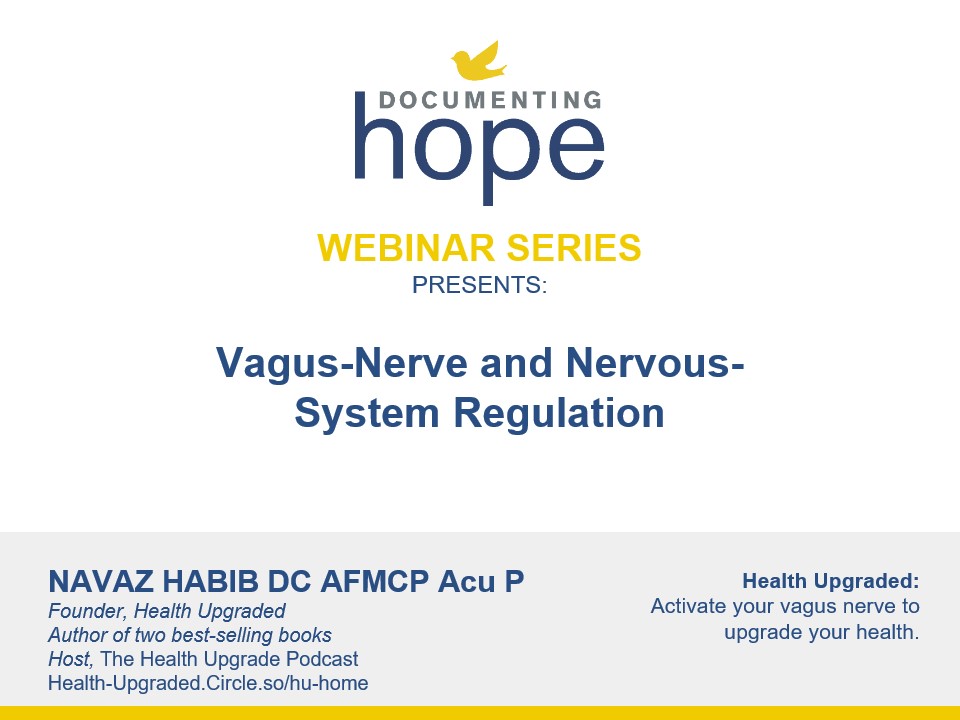
Navaz Habib DC AFMCP Acu P explains PDA from the lens of autonomic-nervous-system dysregulation in the video clip below. You can watch our full expert interview of him here.
A Total Load Perspective
At Documenting Hope, we use a framework called Total Load to understand how and why a child develops symptoms. Rather than searching for a single cause, we examine the cumulative burden affecting a child. Potential contributors may include:
No two children have the same total load and the key to healing is never found in one therapy or one magic bullet. The goal is to identify and reduce each child’s burdens in a bioindividual way that allows the body to do what it wants to do: heal and regulate.
A Different Approach to Healing
If PDA is rooted in chronic threat physiology, then healing must begin with safety. Traditional behavior-based approaches often focus on increasing compliance, which may even cause further stress on a child’s nervous system. Instead, working on retraining the nervous system to feel safe in everyday contexts will expand the child’s capacity and tolerance for demands.
Instead of focusing on compliance, focus on accessing feelings of safety. Parents are given strategies to increase compliance, but what they need are strategies to increase feelings of safety for their child. Evaluate the things in and around your life that might be contributing to a stressed or taxed nervous system and start there.
Retraining the nervous system to be more resilient and to shift out of danger biology can be done in many ways. It starts with establishing foundations of healthy living by incorporating the following into daily life as much as possible:
- Restorative sleep
- Nutrient-dense foods
- Blood-sugar regulation
- Microbiome restoration through a variety of fibrous foods and gentle gut-healing approaches
- Reducing environmental toxicant exposures
- Identifying chronic infections when appropriate
- Supporting mitochondrial function (sunlight and exercise are great ways to do this!)
- Addressing inflammation
At the same time, building healthy habits can be incredibly difficult for children with PDA, so utilizing nervous system regulation “hacks” might be where you need to start. Therapies that support nervous system regulation include:
- Osteopathic treatment
- Photobiomodulation
- Time in nature
- Movement-based therapies
- Soothing, nervous-system-regulating music (played in the background)
Importantly, children with PDA often respond better to collaboration than coercion. When autonomy increases, threat decreases. When threat decreases, flexibility often emerges naturally.
PDA Parent Hacks: Build Capacity Through Choice
PDA children often improve when demands are disguised as collaboration.
Example:
- Instead of:
“Put your shoes on.” - Try:
“Should we wear the blue shoes or the black shoes?”
Another example:
- Instead of:
“Time for schoolwork.” - Try:
“Want to start with science or art?”
In this context, the nervous system experiences agency not coercion or demand and this agency reduces threat.
Heal the Parent-Child Nervous System Together
Many parents of PDA children become chronically stressed. Unfortunately, the child’s nervous system is highly sensitive to the parent’s nervous system. Parent coaching, nervous-system regulation, and reducing conflict can be surprisingly powerful interventions. In some cases, the parent-child dyad becomes the treatment target rather than the child alone. Consider strategies for regulating the family’s nervous system as one unit.
Looking Beyond Behavior
While you may not understand the exact reasons why your child developed PDA, viewing these children through a whole child, total load and biological lens offers something many families desperately need: a path forward.
At Documenting Hope, we believe every symptom is information, communication, and an invitation to heal.
PDA is just a cluster of symptoms pointing us toward a deeper understanding of what these children truly need in order to heal, grow, and thrive.
About Beth Lambert
Beth Lambert is a former healthcare consultant and teacher. As a consultant, she worked with pharmaceutical, medical device, diagnostic and other health care companies to evaluate industry trends.
She is the author of A Compromised Generation: The Epidemic of Chronic Illness in America’s Children (Sentient Publications, 2010). She is also a co-author of Documenting Hope's Brain Under Attack: A Resource for Parents and Caregivers of Children with PANS, PANDAS, and Autoimmune Encephalitis. She is a co-author of Reversal of Autism Symptoms among Dizygotic Twins through a Personalized Lifestyle and Environmental Modification Approach: A Case Report and Review of the Literature, J. Pers. Med. 2024, 14(6), 641.

In 2009, Beth founded Documenting Hope and currently serves as Executive Director. Beth attended Oxford University, graduated from Williams College and holds a Masters Degree in American Studies from Fairfield University.
Still Looking for Answers?
Visit the Documenting Hope Practitioner Directory to find a practitioner near you.
Join us inside our online membership community for parents, Healing Together, where you’ll find even more healing resources, expert guidance, and a community to support you every step of your child’s healing journey.
Sources & References
Adler, U.C., et al. Homeopathic Individualized Q-Potencies versus Fluoxetine for Moderate to Severe Depression: Double-Blind, Randomized Non-Inferiority Trial. Evid Based Complement Alternat Med. 2011:2011:520182.
Al-Fartusie, F.S., et al. Evaluation of Some Trace Elements and Vitamins in Major Depressive Disorder Patients: a Case-Control Study. Biol Trace Elem Res. 2019 Jun;189(2):412-419.
Al-Khatib, Y., et al. Depression and Metabolic Syndrome: A Narrative Review. Cureus. 2022 Feb 12;14(2):e22153.
Allio, A., et al. Bud extracts from Tilia tomentosa Moench inhibit hippocampal neuronal firing through GABAA and benzodiazepine receptors activation. J Ethnopharmacol. 2015 Aug 22:172:288-96.
Al Maruf, M., et al. Systematic Review and Meta-Analysis of L-Methylfolate Augmentation in Depressive Disorders. Pharmacopsychiatry. 2022 May;55(3):139-147.
Al-Onaizi, M., et al. Glucose intolerance induces anxiety-like behaviors independent of obesity and insulin resistance in a novel model of nutritional metabolic stress. Nutr Neurosci. 2024 Oct;27(10):1143-1161.
Akpinar, N.B., et al. Is Reiki effective in reducing heart rhythm, cortisol levels, and anxiety and improving biochemical parameters in individuals with cardiac disease? Randomized placebo-controlled trial. Eur J Cardiovasc Nurs. 2024 Oct 21;23(7):771-779.
Anderson, J.G., et al. The effects of healing touch on pain, nausea, and anxiety following bariatric surgery: a pilot study. Explore (NY). 2015 May-Jun;11(3):208-16.
Anderson, J.W., et al. Private prayer associations with depression, anxiety and other health conditions: an analytical review of clinical studies. Postgrad Med. 2016 Sep;128(7):635-41.
Andreazza, A.C., et al. Mitochondrial complex activity and oxidative to mitochondrial proteins in the prefrontal cortex of patients with bipolar disorder. Arch Gen Psychiatry. 2010 Apr;67(4):360-8.
Any Mood Disorder. National Institutes of Health. Accessed 5 Mar 2025.
Antao, H.S., et al. Omega-3 index as risk factor in psychiatric diseases: a narrative review. Front Psychiatry. 2023 Jul 28:14:1200403.
Appleton, J. The Gut-Brain Axis: Influence of Microbiota on Mood and Mental Health. Integr Med (Encinitas). 2018 Aug;17(4):28-32.
Asadi, S., et al. Beneficial effects of nano-curcumin supplement on depression and anxiety in diabetic patients with peripheral neuropathy: A randomized, double-blind, placebo-controlled clinical trial. Phytother Res. 2020 Apr;34(4):896-903.
Atladottir, H.O., et al. The increasing prevalence of reported diagnoses of childhood psychiatric disorders: a descriptive multinational comparison. Eur Child Adolesc Psychiatry. 2015;24(2):173-83.
Aucoin, M., et al. Major Depressive Disorder and Food Hypersensitivity: A Case Report. Neuropsychobiology. 2019 Oct 10:1-7.
Bardinet, J., et al. Patterns of polyphenol intake and risk of depressive symptomatology in a population-based cohort of older adults. Clin Nutr. 2022 Dec;41(12):2628-2636.
Barragán-Rodríguez, L., et al. Efficacy and safety of oral magnesium supplementation in the treatment of depression in the elderly with type 2 diabetes: a randomized, equivalent trial. Magnes Res. 2008 Dec;21(4):218-23.
Baughman, N., et al. The Prevention of Anxiety and Depression in Early Childhood. Front Psychol. 2020 Sep 30:11:517896.
Bayer, J.K., et al. The Cool Little Kids randomised controlled trial: population-level early prevention for anxiety disorders. BMC Public Health. 2011;11:11.
Bayes, J., et al. Effects of Polyphenols in a Mediterranean Diet on Symptoms of Depression: A Systematic Literature Review. Adv Nutr. 2020 May 1;11(3):602-615.
Bender, A., et al. The association of folate and depression: A meta-analysis. J Psychiatr Res. 2017 Dec:95:9-18.
Berger, M.E., et al. Omega-6 to omega-3 polyunsaturated fatty acid ratio and subsequent mood disorders in young people with at-risk mental states: a 7-year longitudinal study. Transl Psychiatry. 2017 Aug 29;7(8):e1220.
Berk, M., et al. So depression is an inflammatory disease, but where does the inflammation come from? BMC Med. 2013;11:200.
Berry, E.A., et al. National estimates of the inpatient burden of pediatric bipolar disorder in the United States. J Ment Health Policy Econ. 2011;14(3):115-23.
Bitsko, R.H., et al. Epidemiology and Impact of Health Care Provider-Diagnosed Anxiety and Depression Among US Children. J Dev Behav Pediatr 2018 Apr 24.
Bode, H., et al. Hyperthyroidism and clinical depression: a systematic review and meta-analysis. Transl Psychiatry. 2022 Sep 5;12(1):362.
Boelens, P.A., et al. A randomized trial of the effect of prayer on depression and anxiety. Int J Psychiatry Med. 2009;39(4):377-92.
Bonaccio, M., et al. Mediterranean-type diet is associated with higher psychological resilience in a general adult population: findings from the Moli-sani study. Eur J Clin Nutr. 2018 Jan;72(1):154-160.
Bonnot, O., et al. Children and adolescents with severe mental illness need vitamin D supplementation regardless of disease or treatment. J Child Adolesc Psychopharmacol. 2011;21(2):157-61.
Borges-Vieira, J.G., et al. Efficacy of B-vitamins and vitamin D therapy in improving depressive and anxiety disorders: a systematic review of randomized controlled trials. Nutr Neurosci. 2023 Mar;26(3):187-207.
Botturi, A., et al. The Role and the Effect of Magnesium in Mental Disorders: A Systematic Review. Nutrients. 2020 Jun 3;12(6):1661.
Brock, C., et al. American Skullcap (Scutellaria lateriflora): a randomised, double-blind placebo-controlled crossover study of its effects on mood in healthy volunteers. Phytother Res. 2014 May;28(5):692-8.
Brownley, K.A., et al. Dietary chromium supplementation for targeted treatment of diabetes patients with comorbid depression and binge eating. Med Hypotheses. 2015 Jul;85(1):45-8.
Burrows, T., et al. Effectiveness of dietary interventions in mental health treatment: A rapid review of reviews. Nutr Diet. 2022 Jul;79(3):279-290.
Camilleri, M. Serotonin in the gastrointestinal tract. Curr Opin Endrocrinol Diabetes Obes. 2009 Feb;16(1):53-9.
Ceylan, M.F., et al. Lipid peroxidation markers in children with anxiety disorders and their diagnostic implications. Redox Rep. 2014;19(2):92-6.
Chen, Y., et al. Regulation of Neurotransmitters by the Gut Microbiota and Effects on Cognition in Neurological Disorders. Nutrients. 2021 Jun 19;13(6):2099.
Cohen-Cline, H., et al. Access to green space, physical activity and mental health: a twin study. J Epidemiol Community Health. 2015 Jun;69(6):523-9.
Costello, E.J., et al. 10-year research update review: the epidemiology of child and adolescent psychiatric disorders: II. Developmental epidemiology. J Am Acad Child Adolesc Psychiatry. 2006 Jan;45(1):8–25.
Currie, J.M., et al. National Bureau of Economic Research. Mental health in childhood and human capital. Cambridge, MA: National Bureau of Economic Research; 2007. 31 p.p.
D’Acquisto, F. Affective immunology: where emotions and the immune response converge. Dialogues Clin Neurosci. 2017 Mar;19(1):9-19.
Darbinyan, V., et al. Clinical trial of Rhodiola rosea L. extract SHR-5 in the treatment of mild to moderate depression. Nord J Psychiatry. 2007;61(5):343-8.
Davidson, J.R., et al. Homeopathic treatment of depression and anxiety. Altern Ther Health Med. 1997 Jan;3(1):46-9.
Davidson, J.R.T., et al. Effectiveness of chromium in atypical depression: a placebo-controlled trial. Biol Psychiatry. 2003 Feb 1;53(3):261-4.
Di Gesù, C.M., et al. Maternal gut microbiota mediate intergenerational effects of high-fat diet on descendant social behavior. Cell Rep. 2023 May 30;42(5):112498.
Docherty, J.P., et al. A double-blind, placebo-controlled, exploratory trial of chromium picolinate in atypical depression: effect on carbohydrate craving. J Psychiatr Pract. 2005 Sep;11(5):302-14.
Donelli, D., et al. Effects of lavender on anxiety: A systematic review and meta-analysis. Phytomedicine. 2019 Dec:65:153099.
Dusetzina, S.B., et al. Treatment use and costs among privately insured youths with diagnoses of bipolar disorder. Psychiatr Serv. 2012;63(10):1019-25.
Fernandes, A.C., et al. Development and evaluation of a de-identification procedure for a case register sourced from mental health electronic records. BMC Med Inform Decis Mak. 2013;13:71.
Freeman, C.R., et al. Impact of sugar on the body, brain, and behavior. Front Biosci (Landmark Ed). 2018 Jun 1;23(12):2255-2266.
Fusar-Poli, L., et al. Curcumin for depression: a meta-analysis. Crit Rev Food Sci Nutr. 2020;60(15):2643-2653.
Ghazizadeh, G., et al. The effects of lemon balm (Melissa officinalis L.) on depression and anxiety in clinical trials: A systematic review and meta-analysis. Phytother Res. 2021 Dec;35(12):6690-6705.
Glibbery, N., et al. Comparing Quality of Life in Smell and Taste Disorders With Other Chronic Conditions-A Narrative Review. Clin Otolaryngol. 2026 Jun 16.
Guney, E., et al. Oxidative stress in children and adolescents with anxiety disorders. J Affect Disord. 2014;156:62-6.
Guo, X., et al. Therapeutic effects of Reiki on interventions for anxiety: a meta-analysis. BMC Palliat Care. 2024 Jun 13;23(1):147.
Harding, C.F., et al. Mold inhalation causes innate immune activation, neural, cognitive and emotional dysfunction. Brain Behav Immun. 2020 Jul:87:218-228.
Haroon, E., et al. Inflammation, Glutamate, and Glia: A Trio of Trouble in Mood Disorders. Neuropsychopharmacology. 2017 Jan;42(1):193-215.
Hepgul, N., et al. Depression pathogenesis and treatment: what can we learn from blood mRNA expression? BMC Med. 2013;11:28.
Heuer, L., et al. Reduced levels of immunoglobulin in children with autism correlates with behavioral symptoms. Autism Res, Oct 2008, 1:5, 275–83.
Hidese, S., et al. Effects of chronic l-theanine administration in patients with major depressive disorder: an open-label study. Acta Neuropsychiatr. 2017 Apr;29(2):72-79.
Hintikka, J., et al. High vitamin B12 level and good treatment outcome may be associated in major depressive disorder. BMC Psychiatry. 2003 Dec 2:3:17.
Hjell, G., et al. Disentangling the relationship between cholesterol, aggression, and impulsivity in severe mental disorders. Brain Behav. 2020 Sep;10(9):e01751.
Hunger, C., et al. Mid- and long-term effects of family constellation seminars in a general population sample: 8- and 12-month follow-up. Fam Process. 2015 Jun;54(2):344-58.
Hyman, M.A. Is the Cure for Brain Disorders Outside the Brain? Alternative Therapies in Health and Medicine. Nov-Dec 2007;13(6):10-5.
Jacobson, K., et al. Prayer for Pain and Anxiety in a Primary Care Setting: A Randomized Controlled Trial. Ann Fam Med. 2026 May 26;24(3):192-197.
James, L.E., et al. Pediatric perioperative measures of sleep, pain, anxiety and anesthesia emergence: A healing touch proof of concept randomized clinical trial. Complement Ther Med. 2019 Feb:42:264-269.
Janda, K., et al. Passiflora incarnata in Neuropsychiatric Disorders-A Systematic Review. Nutrients. 2020 Dec 19;12(12):3894.
Jonas, B.S., et al. Psychotropic medication use among adolescents: United States, 2005-2010. NCHS Data Brief. 2013(135):1-8.
Kanchanatawan, B., et al. Add-on Treatment with Curcumin Has Antidepressive Effects in Thai Patients with Major Depression: Results of a Randomized Double-Blind Placebo-Controlled Study. Neurotox Res. 2018 Apr;33(3):621-633.
Karakula, H., et al. [Does diet affect our mood? The significance of folic acid and homocysteine]. Pol Merkur Lekarski. 2009;26(152):136-41.
Kate, N., et al. Does B12 deficiency lead to lack of treatment response to conventional antidepressants? Psychiatry (Edgmont). 2010 Nov;7(11):42-4.
Kato, T. The role of mitochondrial dysfunction in bipolar disorder. Drug News Perspect. 2006 Dec;19(10):597-602.
Kelaiditis, C.F., et al. Effects of long-chain omega-3 polyunsaturated fatty acids on reducing anxiety and/or depression in adults; A systematic review and meta-analysis of randomised controlled trials. Prostaglandins Leukot Essent Fatty Acids. 2023 May:192:102572.
Konradi, C., et al. Molecular evidence for mitochondrial dysfunction in bipolar disorder. Arch Gen Psychiatry. 2004 Mar;61(3):300-8.
Lai, C.C.W., et al. The association between gut-health promoting diet and depression: A mediation analysis. J Affect Disord. 2023 Mar 1:324:136-142.
Lai, J., et al. The efficacy of zinc supplementation in depression: systematic review of randomised controlled trials. J Affect Disord. 2012 Jan;136(1-2):e31-e39.
Lamon-Fava, S., et al. Clinical response to EPA supplementation in patients with major depressive disorder is associated with higher plasma concentrations of pro-resolving lipid mediators. Neuropsychopharmacology. 2023 May;48(6):929-935.
Lavebratt, C., et al. Early exposure to antibiotic drugs and risk for psychiatric disorders: a population-based study. Transl Psychiatry. 2019 Nov 26;9(1):317.
Lehto, S.M., et al. Low serum HDL-cholesterol levels are associated with long symptom duration in patients with major depressive disorder. Psychiatry Clin Neurosci. 2010 Jun;64(3):279-83.
Leipold, B., et al. Physical activity and nutrition in relation to resilience: a cross-sectional study. Sci Rep. 2024 Jan 27;14(1):2272.
Leuchter, A.F., et al. Intermediate phenotypes and biomarkers of treatment outcome in major depressive disorder. Dialogues Clin Neurosci. 2014;16(4):525-37.
Lewis, M.D., et al. Suicide deaths of active-duty US military and omega-3 fatty-acid status: a case-control comparison. J Clin Psychiatry. 2011 Dec;72(12):1585-90.
Li, B., et al. Dietary magnesium and calcium intake and risk of depression in the general population: A meta-analysis. Aust N Z J Psychiatry. 2017 Mar;51(3):219-229.
Li, Z., et al. Dietary zinc and iron intake and risk of depression: A meta-analysis. Psychiatry Res. 2017 May:251:41-47.
Liao, Y., et al. Efficacy of omega-3 PUFAs in depression: A meta-analysis. Transl Psychiatry. 2019 Aug 5;9(1):190.
Little, A.B. The A52 Breath Method: A Narrative Review of Breathwork for Mental Health and Stress Resilience. Stress Health. 2025 Aug;41(4):e70098.
Lopresti, A.L., et al. A randomized, double-blind, placebo-controlled trial investigating the effects of an Ocimum tenuiflorum (Holy Basil) extract (HolixerTM) on stress, mood, and sleep in adults experiencing stress. Front Nutr. 2022 Sep 2:9:965130.
Lopresti, A.L., et al. Efficacy of curcumin, and a saffron/curcumin combination for the treatment of major depression: A randomised, double-blind, placebo-controlled study. J Affect Disord. 2017 Jan 1:207:188-196.
Lydiard, R.B. The role of GABA in anxiety disorders. J Clin Psychiatry. 2003;64 Suppl 3:21-7.
Ma, E.Z., et al. Symptoms of Cognitive Impairment Among Children With Atopic Dermatitis. JAMA Dermatol. 2024 Apr 1;160(4):447-452.
Magnon, V., et al. Benefits from one session of deep and slow breathing on vagal tone and anxiety in young and older adults. Sci Rep. 2021 Sep 29;11(1):19267.
Maier, S.F., et al. Psychoneuroimmunology. The interface between behavior, brain, and immunity. Am Psychol. 1994 Dec;49(12):1004-17.
Maletic, V., et al. A Review of l-Methylfolate as Adjunctive Therapy in the Treatment of Major Depressive Disorder. Prim Care Companion CNS Disord. 2023 May 9;25(3):22nr03361.
Manigault, A.W., et al. Psychosocial Resilience to Inflammation-Associated Depression: A Prospective Study of Breast-Cancer Survivors. Psychol Sci. 2022 Aug;33(8):1328-1339.
Mao, J.J., et al. Long-Term Chamomile Therapy of Generalized Anxiety Disorder: A Study Protocol for a Randomized, Double-Blind, Placebo- Controlled Trial. J Clin Trials. 2014 Nov;4(5):188.
Marazziti, D., et al. Psychiatric disorders and mitochondrial dysfunctions. Eur Rev Med Pharmacol Sci. 2012;16(2):270-5.
McLeod, M.N., et al. Chromium treatment of depression. Int J Neuropsychopharmacol. 2000 Dec;3(4):311-314.
McNally, L., et al. Inflammation, glutamate, and glia in depression: a literature review. CNS Spectr. 2008 Jun;13(6):501-10.
Memon, A., et al. Association between naturally occurring lithium in drinking water and suicide rates: systematic review and meta-analysis of ecological studies. British Journal of Psychiatry. 2020 Dec; 217(6): 667-678.
Mitchell, E.S., et al. B vitamin polymorphisms and behavior: evidence of associations with neurodevelopment, depression, schizophrenia,bipolar disorder and cognitive decline. Neurosci Biobehav Rev. 2014;47:307-20.
Mizuno, K., et al. Hydrogen-rich water for improvements of mood, anxiety, and autonomic nerve function in daily life. Med Gas Res. 2018 Jan 22;7(4):247-255.
Moabedi, M., et al. Magnesium supplementation beneficially affects depression in adults with depressive disorder: a systematic review and meta-analysis of randomized clinical trials. Front Psychiatry. 2023 Dec 22:14:1333261.
Möhler, H. The GABA system in anxiety and depression and its therapeutic potential. Neuropharmacology. 2012 Jan;62(1):42-53.
Nagayasu, Y., et al. Possible prevention of post-partum depression by intake of omega-3 polyunsaturated fatty acids and its relationship with interleukin 6. J Obstet Gynaecol Res. 2021 Apr;47(4):1371-1379.
Netz, K. Is the Comparison between Exercise and Pharmacologic Treatment of Depression in the Clinical Practice Guideline of the American College of Physicians Evidence-Based? Front Pharmacol. 2017 May 15:8:257.
Ng, Q.X., et al. Clinical Use of Curcumin in Depression: A Meta-Analysis. J Am Med Dir Assoc. 2017 Jun 1;18(6):503-508.
Nguyen, T.T., et al. Type 3 Diabetes and Its Role Implications in Alzheimer's Disease. Int J Mol Sci. 2020 Apr 30;21(9):3165.
Nikolova, V.L., et al. Acceptability, Tolerability, and Estimates of Putative Treatment Effects of Probiotics as Adjunctive Treatment in Patients With Depression. JAMA Psychiatry. 2023 Aug 1;80(8):842-847.
Nuss, P. Anxiety disorders and GABA neurotransmission: a disturbance of modulation. Neuropsychiatr Dis Treat. 2015; 11: 165–175.
O'Laoire, S. An experimental study of the effects of distant, intercessory prayer on self-esteem, anxiety, and depression. Altern Ther Health Med. 1997 Nov;3(6):38-53.
Olson, M., et al. Anxiety and therapeutic touch. Issues Ment Health Nurs. 1995 Mar-Apr;16(2):97-108.
Onaolapo, A.Y., et al. Glutamate and depression: Reflecting a deepening knowledge of the gut and brain effects of a ubiquitous molecule. World J Psychiatry. 2021 Jul 19;11(7):297-315.
Ostiguy, C.S., et al. Sensitivity to stress among the offspring of parents with bipolar disorder: a study of daytime cortisol levels. Psychol Med. 2011;41(11):2447-57.
Papakostas, G.I., et al. L-methylfolate as adjunctive therapy for SSRI-resistant major depression: results of two randomized, double-blind, parallel-sequential trials. Am J Psychiatry. 2012 Dec;169(12):1267-74.
Pillai, R.R., et al. Low serum levels of High-Density Lipoprotein cholesterol (HDL-c) as an indicator for the development of severe postpartum depressive symptoms. PLoS One. 2018 Feb 14;13(2):e0192811.
Price, A., et al. Understanding the subtypes of visual hypersensitivity: Four coherent factors and their measurement with the Cardiff Hypersensitivity Scale (CHYPS). Vision Res. 2025 Aug:233:108610.
Rahal, D., et al. Positive and negative emotion are associated with generalized transcriptional activation in immune cells. Psychoneuroendocrinology. 2023 Jul:153:106103.
Raine, A. Autonomic nervous system factors underlying disinhibited, antisocial, and violent behavior. Biosocial perspectives and treatment implications. Ann N Y Acad Sci. 1996 Sep 20:794:46-59.
Rifas-Shiman, S.L., et al. Associations of prenatal or infant exposure to acetaminophen or ibuprofen with mid-childhood executive function and behaviour. Paediatr Perinat Epidemiol. 2020 May;34(3):287-298.
Robinson, J., et al. Therapeutic touch for anxiety disorders. Cochrane Database Syst Rev. 2007 Jul 18;2007(3):CD006240.
Rollins, B., et al. Mitochondrial variants in schizophrenia, bipolar disorder, and major depressive disorder. PLoS One. 2009;4(3):e4913.
Rook, G.A., et al. Microbiota, immunoregulatory old friends and psychiatric disorders. Adv Exp Med Biol. 2014;817:319-56.
Roy, T., et al. Epidemiology of depression and diabetes: a systematic review. J Affect Disord. 2012 Oct:142 Suppl:S8-21.
Rowe, K.S., et al. Synthetic Food Coloring and Behavior: A Dose Response Effect in a Double-Blind, Placebo-Controlled, Repeated-Measures Study. J Pediatr. 1994 Nov;125(5 Pt 1):691-8.
Saadatmand, S., et al. The Effect of Oral Chamomile on Anxiety: A Systematic Review of Clinical Trials. Clin Nutr Res. 2024 Apr 23;13(2):139-147.
Sajadinejad, M.S., et al. Psychological issues in inflammatory bowel disease: an overview. Gastroenterol Res Pract. 2012:2012:106502.
Salari, S., et al. Zinc sulphate: A reasonable choice for depression management in patients with multiple sclerosis: A randomized, double-blind, placebo-controlled clinical trial. Pharmacol Rep. 2015 Jun;67(3):606-9.
Sali, A. Psychoneuroimmunology. Fact or fiction? Aust Fam Physician. 1997 Nov;26(11):1291-4, 1296-9.
Sawada, T., et al. Effect of zinc supplementation on mood states in young women: a pilot study. Eur J Clin Nutr. 2010 Mar;64(3):331-3.
Schwalfenberg, G.K. The Importance of Magnesium in Clinical Healthcare. Scientifica (Cairo). 2017:2017:4179326.
Shadbegian, R., et al. Low-Level, Early Life Lead Exposure and School Behavior. Pediatrics. 2024 Oct 1;154(Suppl 2):e2024067808D.
Shelton, R.C., et al. Assessing Effects of l-Methylfolate in Depression Management: Results of a Real-World Patient Experience Trial. Prim Care Companion CNS Disord. 2013;15(4):PCC.13m01520.
Shin, J.Y., et al. Are cholesterol and depression inversely related? A meta-analysis of the association between two cardiac risk factors. Ann Behav Med. 2008 Aug;36(1):33-43.
Simpson, C.A., et al. The gut microbiota in anxiety and depression - A systematic review. Clin Psychol Rev. 2021 Feb:83:101943.
Steegmans, H.P., et al. Higher prevalence of depressive symptoms in middle-aged men with low serum cholesterol levels. Psychosom Med. 2000 Mar-Apr;62(2):205-11.
Stephens-Sarlós, E., et al. Changes in primitive reflexes in older adults and their relationship to mental health indices: An experimental investigation. Exp Gerontol. 2024 Oct 15:196:112583.
Strandwitz, P. Neurotransmitter Modulation by the Gut Microbiota. Brain Res. 2018 Aug 15;1693(Pt B):128-133.
Styczeń, K., et al. The serum zinc concentration as a potential biological marker in patients with major depressive disorder. Metab Brain Dis. 2017 Feb;32(1):97-103.
Suarez, E.C. Relations of trait depression and anxiety to low lipid and lipoprotein concentrations in healthy young adult women. Psychosom Med. 1999 May-Jun;61(3):273-9.
Swann., O.G., et al. Dietary fiber and its associations with depression and inflammation. Nutr Rev. 2020 May 1;78(5):394-411.
Tan, Y., et al. Correlation between Vitamin B12 and Mental Health in Children and Adolescents: A Systematic Review and Meta-analysis. Clin Psychopharmacol Neurosci. 2023 Nov 30;21(4):617-633.
Tan, Y., et al. Review of research progress on intestinal microbiota based on metabolism and inflammation for depression. Arch Microbiol. 2024 Mar 10;206(4):146.
Tan, Y., et al. Vitamin B12, Folate, Homocysteine, Inflammatory Mediators (Interleukin-6, Tumor Necrosis Factor-α and C-Reactive Protein) Levels in Adolescents with Anxiety or Depressive Symptoms. Neuropsychiatr Dis Treat. 2023 Apr 7:19:785-800.
Taurines, R., et al. Expression analyses of the mitochondrial complex I 75-kDa subunit in early onset schizophrenia and autism spectrum disorder: increased levels as a potential biomarker for early onset schizophrenia. Eur Child Adolesc Psychiatry.2010 May;19(5):441-8.
Thege, B.K., et al. The Effectiveness of Family Constellation Therapy in Improving Mental Health: A Systematic Review. Fam Process. 2021 Jun;60(2):409-423.
Thege, B.K., et al. The Effectiveness of Family Constellation Therapy in Reducing Psychopathological Symptoms in a Naturalistic Setting. Psychiatr Danub. 2022 Fall;34(3):497-505.
Thompson, L., et al. What have birth cohort studies asked about genetic, pre- and perinatal exposures and child and adolescent onset mental health outcomes? A systematic review. Eur Child Adolesc Psychiatry. 2010;19(1):1-15.
Tiemeier, H., et al. Vitamin B12, folate, and homocysteine in depression: the Rotterdam Study. Am J Psychiatry. 2002 Dec;159(12):2099-101.
Unno, K., et al. Improvement of Depressed Mood with Green Tea Intake. Nutrients. 2022 Jul 19;14(14):2949.
Utli, H., et al. The Effect of Reiki on Anxiety, Stress, and Comfort Levels Before Gastrointestinal Endoscopy: A Randomized Sham-Controlled Trial. J Perianesth Nurs. 2023 Apr;38(2):297-304.
Van Meter, A.R., et al. What goes up must come down: the burden of bipolar depression in youth. J Affect Disord. 2013;150(3):1048-54.
Vashum, K.P., et al. Dietary zinc is associated with a lower incidence of depression: findings from two Australian cohorts. J Affect Disord. 2014 Sep:166:249-57.
Verena, L., et al. Elimination diets’ efficacy and mechanisms in attention deficit hyperactivity disorder and autism spectrum disorder. Eur Child Adolesc Psychiatry. 2017; 26(9): 1067–1079.
Vignaud, P., et al. Neural effects of mindfulness-based interventions on patients with major depressive disorder: A systematic review. Neurosci Biobehav Rev. 2018 May:88:98-105.
Vilibić, M., et al. Association between total serum cholesterol and depression, aggression, and suicidal ideations in war veterans with posttraumatic stress disorder: a cross-sectional study. Croat Med J. 2014 Oct;55(5):520-9.
Villet, S., et al. Open-label observational study of the homeopathic medicine Passiflora Compose for anxiety and sleep disorders. Homeopathy. 2016 Feb;105(1):84-91.
Wang, P., et al. Antibiotics-induced intestinal dysbacteriosis caused behavioral alternations and neuronal activation in different brain regions in mice. Mol Brain. 2021 Mar 6;14(1):49.
Wang, Y., et al. Associations between dietary intake, diet quality and depressive symptoms in youth: A systematic review of observational studies. Health Promot Perspect. 2022 Dec 10;12(3):249-265.
Warner, B.B. The contribution of the gut microbiome to neurodevelopment and neuropsychiatric disorders. Pediatr Res. 2019 Jan;85(2):216-224.
Whatnall, M.C., et al. Are Psychological Distress and Resilience Associated with Dietary Intake Among Australian University Students? Int J Environ Res Public Health. 2019 Oct 24;16(21):4099.
Wu, Y., et al. Associations of dietary B vitamins intakes with depression in adults. Int J Vitam Nutr Res. 2023 Apr;93(2):142-153.
Yaegashi, A., et al. Green Tea Consumption and Risk of Depression Symptoms: A Systematic Review and Meta-Analysis of Observational Studies. J Nutr Sci Vitaminol (Tokyo). 2022;68(3):155-161.
Yang, B., et al. Effects of regulating intestinal micobiota on anxiety symptoms: A systematic review. General Psychiatry. 2019; 32: e100056.
Yin, Z., et al. Dietary Diversity Was Positively Associated with Psychological Resilience among Elders: A Population-Based Study. Nutrients. 2019 Mar 18;11(3):650.
Yosaee, S., et al. Effects of zinc, vitamin D, and their co-supplementation on mood, serum cortisol, and brain-derived neurotrophic factor in patients with obesity and mild to moderate depressive symptoms: A phase II, 12-wk, 2 × 2 factorial design, double-blind, randomized, placebo-controlled trial. Nutrition. 2020 Mar:71:110601.
Zhang, G., et al. Thiamine nutritional status and depressive symptoms are inversely associated among older Chinese adults. J Nutr. 2013 Jan;143(1):53-8.