
What Is Lyme Disease?
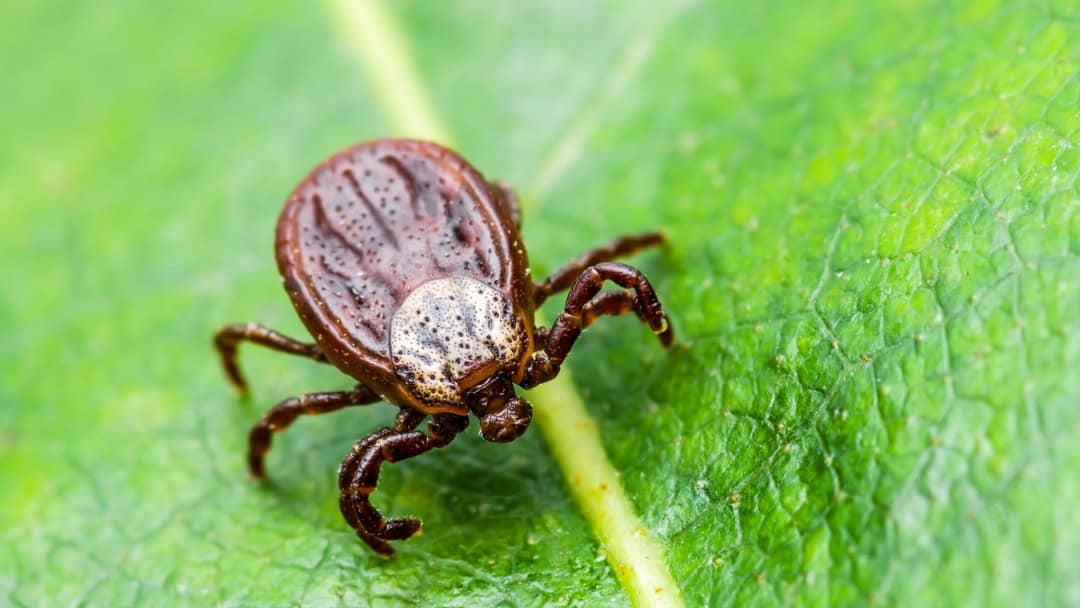
Lyme disease is a tick-borne illness infectious disease transmitted to humans by a black-legged deer tick; these ticks may carry up to twenty diseases. It was first reported in 1975 in the town of Old Lyme, Connecticut in the United States. At that time, 39 children were diagnosed with juvenile rheumatoid arthritis, and 12 adults were diagnosed of arthritis of an unknown cause.
Wilhelm Burgdorfer, a scientist who was studying Rocky Mountain Spotted Fever, discovered the tick connection along with the bacterium, a spirochete, that causes Lyme. The tick becomes infected after feeding on infected mice or deer. The tick must be on the skin 24 to 48 hours to transmit the infection.
Although originally thought to be only a disease for people in the northeastern United States, cases have been confirmed throughout the world.
A Subset of PANS/PANDAS
Lyme disease can be a part of the larger umbrella of PANS/PANDAS, which stand for Pediatric Acute-onset Neuropsychiatric Syndrome and Pediatric Autoimmune Neuropsychiatric Disorder Associated with Streptococcal Infections. These are conditions usually, but not always, characterized by a sudden onset of severe neuropsychiatric symptoms, including obsessive-compulsive behaviors and tics, often following infections. PANS is a broader term that includes various infections and toxic exposures, while PANDAS specifically relates to streptococcal infections.
Whack-A-Mole
Both Lyme disease and PANS/PANDAS are usually not caused by infection from a single pathogen. Instead, there are usually multiple pathogens at play. Patients and clinicians who dial in on a single infection with a singular type of therapy (often antibiotics) will often end up playing “Whack-A-Mole”, meaning that therapies that address one pathogen do not address symptoms caused by another pathogen, which may have come to the fore after its rival has been weakened or seemingly eradicated.
Ultimately, these pathogens can produce symptoms when the body’s innate immune system has been weakened due to acute and/or chronic stressors.
A Clinical Diagnosis
Both Lyme disease and PANS/PANDAS are clinical diagnoses, meaning that even if all tests for these pathogens have negative results, a child could still be diagnosed with either of these conditions because of presenting symptoms.
Only the Acute Phase, Not the Chronic Phase, Is Recognized by Mainstream Medicine
Mainstream medicine typically only recognizes the acute, initial phase of Lyme diesease (see discussion, below). However, because many people don’t understand these symptoms, they or their healthcare practitioners may dismiss the symptoms and/or treat only the acute phase with antibiotics for a short period of time. For patients presenting with an erythema migrans rash, the CDC recommends a 10- to 14-day course of oral antibiotics, typically doxycycline.
However, most people don’t develop a bullseye rash. At our 2023 conference, Tom Moorcroft DO explained that only half of his patients with Lyme disease developed a rash after a tick bite. In addition, “the bullseye rash is only present about 20% to 30% of the time when you actually have a rash.”
Thus, the disease often progresses to the chronic phase (discussed below). This phase is often under-recognized by mainstream medicine, and there is no standard-of-care protocol for it.
Antibiotics Have Limitations
As Teresa Holler PA-C explained in our interview of her, “The problem is when you put doxycycline on board, that (Lyme disease) spirochete is going to round itself up and hide in a ball, and that’s called a round body, which is a type of persister cell. And doxycycline has been shown to double the round bodies when you put it on board. So that’s why if I use doxycycline, I always partner with an herb that kills round bodies or just use the herb”. The role of herbal medicine is discussed in more depth below in the Lyme Disease Healing Checklist section.
Understand That the Goal Is Not to Kill Lyme and Lyme Co-Infections Pathogens
In our expert interview of Bill Rawls MD, he emphasized that trying to “kill the pathogens” as a sole approach is not effective for Lyme disease. Total eradication may not be realistic or even possible. He warned that antibiotics are toxic to cells in the body and that aggressive antibiotic regimens or other kill-focused treatments often make people sicker in the long run or provide only brief improvements, after which symptoms may return or worsen. In addition, he added that attempts to kill everything with therapies such as antibiotics and aggressive ozone can be futile for dormant or slow-growing microbes.
The Goal Is to Strengthen the Immune System to Maintain Suppression of Pathogens
Instead, the focus of treatment should be on restoring the body’s ability to contain and mute the effects of pathogenic microbes rather than waging war against them. Thus, it’s not about the microbes; it’s about the ability of the body to keep the microbes contained. Dr. Rawls believes that suppression of these microbes must be maintained rather than aiming for a once-and-for-all cure based on a “kill all the microbes” mentality.
Symptoms of Lyme Disease
Lyme disease occurs in three stages: early localized, early disseminated and late disseminated. Symptoms will depend on the different stages.
Stage 1: Early Localized Disease
Symptoms often begin to appear within one to two weeks of being bitten by the tick. One of the earliest signs is a bull’s-eye rash which means that the bacteria are multiplying rapidly in the bloodstream. The rash occurs at the tick-bite spot and is a red spot surrounded by a clear spot with red edges. It may be warm to touch but will disappear in about four weeks. The rash is called erythema migrans, and it is characteristic of Lyme; some people have a rash that is solid red, and others with olive tone skin may have a rash that resembles a bruise.
Stage 2: Early Disseminated Lyme Disease
This stage of the disease happens several weeks after the bite. Bacteria are spreading throughout the body, and many people begin to have flu-like symptoms:
- Chills
- Fever
- Enlarged lymph nodes
- Sore throat
- Vision changes
- Fatigue
- Muscle aches
- Headaches
There may be rashes appearing in other areas of the body. Neurological signs of Bell’s palsy or numbness and tingling may occur.
Stage 3: Late Disseminated Lyme Disease or Post Treatment Lyme Disease Syndrome (PTLDS)
When the disease has progressed and not been treated in the earlier stages, then more-severe symptoms may occur because the disease can spread to the nervous system, heart and joints:
- Severe headaches
- Arthritis
- Heart rhythm disturbances
- Brain disorders involving memory, mood and sleep
- Short-term memory loss
- Focus and concentration difficulties
- Cognitive impairment
- Brain fog
- Speech conversation issues
- Numbness in extremities (arms, legs, hands and/or feet)
- Loss of motor coordination
- Severe muscle spasms
- Meningitis
- Intermittent paralysis
- Sensory processing issues
- Vision processing issues
- Alice in Wonderland syndrome
- Auditory processing issues
Lyme Co-Infections
Co-infections are extremely common in Lyme disease and can cause consternation in treatment because as one infection is diminished, a co-infection takes over, leading to “Whack-A-mole” (mentioned above) and a recurrence of symptoms or emergence of new symptoms. These co-infections are important to consider and test for when testing for Lyme. Some possible co-infections include:
- Roundworms
- Tapeworms
- Threadworms
- Toxoplasmosis
- Giardia
- Amoebas
- Clostridia
- Parvovirus B19
- Active measles (in the small intestine)
- Herpetic viruses such as:
- Epstein-Barr virus
- Human Herpes Virus #6
- Cytomegalovirus
- Shingles
- Leptospirosis
- Pneumonia
- Coxsackie virus
- Chronic strep infections and their mutations
- Babesia
- Brucella
- Ehrlichia
- Anaplasma
- Bartonella
- Mycoplasma
- Rickettsia
- Rocky Mountain spotted fever
Babesia
Babesia is a piroplasm parasite rather than an infection and can be passed on from a mother to an unborn child or through blood transfusions. Blood banks do not screen for the presence of Babesia. Cucurmin is anti-inflammatory with antimalaria compounds and can help attenuate Babesia symptoms such as:
- Fatigue
- Shortness of breath
- Hip pain
- Chest pain
- Muscle aching
- Excessive sweating (night sweats)
Bartonella
Bartonella is a form of bacteria that lives within the blood vessel linings of the body. The bacteria move through red blood cells, making it difficult to destroy; consequently patients suffer from relapse of symptoms such as:
- Fatigue
- Fever
- Headache
- Problems with appetite
- Strange, rash-like stretch marks
- Lymph nodes may swell
- Psychiatric symptoms such as anxiety
Ehrlichia
Ehrlichia is a general term to describe a host of bacterial diseases including anaplasmosis. Symptoms are similar:
- Headaches
- Muscle aches
- High fever
- Fatigue
- Severe conditions:
- Low platelet count
- Anemia
- Kidney failure
Mycoplasma
These are very tiny bacteria – 4,000 of them can fit within a single red blood cell. Mycoplasma infection is one of the primary causes of rheumatoid arthritis. They can cause pneumonia and have been linked to:
- Tourette’s syndrome
- Autism Spectrum Disorder
- PANS/PANDAS
- Amyotrophic Lateral Sclerosis (ALS)
Mycoplasma often provoke autoimmune issues and can be linked to magnesium deficiency. Symptoms of infection can include:
- Headache
- Fatigue
- Fever
- Cough
- Sore throat
Rocky Mountain Spotted Fever (RMSF)
This tick-borne infection is caused by an interaction with the bacterium Rickettsia; the illness can be spread through the bite of various infected tick species including the Rocky Mountain wood tick. Symptoms include:
- Abdominal pain
- Fever
- Headache
- Muscle pain
- Vomiting
- Conjunctival injection
- Lack of appetite
- Abdominal pain
This fever can be fatal if not treated within the initial few days of symptoms. These patients do not do well with sulfa drugs.
Epstein Barr Virus (EBV)
Up to 95% of the world population may be infected with EBV – a virus found within the herpes family. EBV uses DNA methylation to hide from the immune system and stays within the resting memory B cells. B cells change with the immune system, protecting the virus and allowing it to proliferate without being detected. Symptoms can include:
- Spleen enlargement
- Swollen lymph nodes
- Sore throat
- Fever
- Fatigue
- Possible jaundice
Human Herpes Virus-6 (HHV-6)
HHV-6 is a herpes virus discovered in the mid-1980s and is active in almost all Lyme disease patients. Even though HHV-6 is a co-infection, it is really an opportunistic virus waiting to strike. Symptoms can include:
- Fatigue
- Neurological symptoms
- Concentration issues
- Memory issues
- Possible connection to cancer through protein P53
What Your Doctor May Tell You About Lyme Disease
Your child’s doctor will probably want to know the specific symptoms your child has experienced and your child’s complete medical history. Some doctors may not even consider Lyme disease or will misdiagnose it; this is a very common scenario. If your child has autism, PANDAS (Pediatric Autoimmune Neuropsychiatric Disorders Associated with Streptococcal Infections) or PANS (Pediatric Acute-onset Neuropsychiatric Syndrome), it is most likely your doctor will not consider Lyme disease as comorbid with these diagnoses.
Typical Western Medicine Treatment of Lyme Disease
Mainstream medicine typically believes that Lyme disease is caused by a singular pathogenic infection, instead of the multiple co-infections often coming along for the the ride. To that end, typical treatments include:
Antibiotics
Antibiotics must often be given over several weeks or months to see improvement. Many children require multiple rounds of antibiotics, and some stay on antibiotics prophylactically for years. However, antibiotics can severely alter, often permanently, the microbiome in the gut, which is where most of the body’s immune system is.
In essence, giving antibiotics may “win the battle, but lose the war” because they can alter the body’s immune function and often cause an overgrowth of fungus, such as from Candida albicans. In addition, antibiotics only work against bacterial infection, so they won’t help in the case of viral, parastic or fungal infection as well as environmental toxic assault.
Steroids and NSAIDs
Both steroids and NSAIDs (Non-Steroidal Anti-Inflammatory Drugs) have been documented to reduce symptoms in children with Lyme disease, which is a clue that inflammation is part of what’s behind the child’s symptoms. However, long-term use of either of these kinds of pharmaceuticals is hard on the body and can cause strain on the liver’s detoxification process as well as lead to nutritional deficiencies, thereby potentially leading to additional symptoms further on down the road. In addition, steroids can disrupt the microbiome in the gut, which can lead to more symptoms later on.
Antidepressants
Your child’s doctor may typically address your child’s behavioral and emotional symptoms with psychotropic pharmaceuticals such as anti-depressants. However, anti-depressants often have a “black box” warning against these medications for children because they can increase the risk of more aggressive behavior and suicidal ideation. If your child is taking anti-depressants, we recommend viewing any or all of our expert interviews about the subject:
- How Functional Psychiatry Can Lower Symptoms of Depression with James Greenblatt MD
- Teen Depression and Anxiety with Laurie Goldman MD
- Nutritional Supplementation for Neurodevelopmental and Mood Disorders with James Greenblatt MD
In addition, we recommend reading our review of James Greenblatt MD’s book, Finally Hopeful: The Personalized, Whole-Body Plan to Find and Fix the Root Causes of Your Depression. In addition, you can find our category page here for additional articles, interviews, success stories and suggested books.
Testing for Lyme Disease
Lyme Disease Specific Testing
If your doctor considers Lyme disease, they will likely use a common medical blood test that checks the antibodies to whatever Lyme disease bacteria your child has. The Enzyme-Linked ImmunoSorbent Assay (ELISA) is recommended by most doctors for Lyme disease, and the Western Blot antibody test is also given to confirm the results of the ELISA.
Your child may have to do other tests such as an MRI, EKG or spinal tap, depending on the areas affected by the Lyme disease. Conventional lab tests are not always reliable, however; for a more accurate lab test, consider the test from I-Genex Labs.
It is important to note that titers are NOT always indicative of an infection.
Titers are often only moderately elevated, or not elevated at all in some children with Lyme disease. Because lab tests are not always reliable, the diagnosis of Lyme disease is a clinical diagnosis. This means that your healthcare provider may base his or her diagnosis on your child’s history and symptoms.
PANS Specific Testing
Because PANS (Pediatric Acute-onset Neuropsychiatric Syndrome) is the broader umbrella under which Lyme disease falls, additional testing may need to be done to check for:
- PANDAS (Pediatric Autoimmune Neuropsychiatric Disorders Associated with Streptococcal Infections)
- Specific viruses, especially herpetic viruses such as Epstein-Barr virus and herpes simplex viruses
- Pathogenic bacterial infection, such as Staphylococcus aureus
- Mycoplasma pneumoniae infection
- Influenza infection
- Heavy metals and other toxins
- Mold toxicity with a test from Mycometrics: mold-toxicity and Lyme symptoms are often the same. However, it is possible and common that a person with Lyme disease also has mold toxicity.
Please remember that is quite possible, and often common, for a child to have multiple infections simultaneously, so it is a good idea to test for all of the above triggers before deciding on a course of action.
Peripapillary Ischemia
In the professional track of our 2023 Documenting Hope Conference, William Padula OD FCOVD (a developmental optometrist), spoke about a paper he had just published: Peripapillary ischemia as a potential screening biomarker for early detection of tick-borne infection. In this paper and in his presentation, Dr. Padula noted that a hazy biofilm ring around the optic nerve is statistically significant and could very much be a biomarker for Lyme disease and other tick-borne infections. Listen in to hear him explain this pheonomenon below:
You can support our non-profit and purchase Dr. Padula’s presentation here. This video set also includes several other notable healing interventions from our 2023 conference that your child’s pediatrician may not know about.
Another Way to Think About Lyme Disease
Maternal Inheritance
Many cases of Lyme-induced autism and Lyme-induced PANDAS and PANS are occurring because a whole generation of women have been misdiagnosed with other autoimmune conditions instead of Lyme and are passing the infection on to their children in utero and during childbirth. Umbilical cords, placenta, fetuses and newborn infants have been found to have the same pathogens and co-infections causing Lyme.
Here are some of the overlapping symptoms of babies and children with Lyme, autism, PANDAS and PANS:
- Fatigue
- Sweats
- Rashes
- Muscle twitching
- Tremor or unexplained shaking
- Diminished or absent primitive reflexes
- Abnormal blood flow in brain (SPECT)
- Abnormal brain waves
- Confusion, difficulty in thinking
- Difficulty with concentration or reading
- Decreased short-term memory
- Disorientation: getting lost, going to wrong place, misplacing things
- Difficulty with speech (finding words, stammering, slurring)
- Mood swings
- Irritability
- Depression
- Disturbed sleep: too much, too little, early awakening
- Dementia
- Anxiety
- Panic attacks
- Obsessive-compulsive disorder
- Upset stomach
- Nausea
- Vomiting
- Change in bowel function (constipation, diarrhea)
- Abdominal pain
- Joint stiffness, pain or swelling
- Muscle pain or cramps
- Loss of muscle tone
- Arthritis that migrates from joint to joint
- Visual processing challenges
- Sensitivity to light (photophobia)
- Dizziness
- Poor balance
- Increased motion sickness
- Irritable bladder or urine control problems, bowel incontinence
- Delayed development in babies and toddlers
Lyme in these children can make them more fragile and vulnerable to environmental triggers such as injury or reactions to toxic exposures, EMF exposures, and co-infections. If your child has Lyme disease, we recommend that the child’s mother be tested for it as well.
Autoimmune Disorder
Lyme disease is an autoimmune disorder caused by an inflammatory infection. The strength of a person’s immune system is the most important factor in fighting this disease. The stronger the immune system, the more successful the battle. According to Columbia University Medical Center, not everyone who tests positive for the Borrelia burgdorferi bacteria will experience symptoms of Lyme; infection depends on the strength of the immune system. Even the worst infections may not test positive for Borrelia burgdorferi; it might take the first treatment to show positive for Lyme. This is known as the “Lyme paradox”.
Ticks can transfer numerous diseases through co-infections. Sixty percent of ticks carry more than one disease-causing pathogen. Testing for co-infections is not always reliable, and therefore, an evaluation of symptoms and patient histories can help with diagnoses. Each pathogen transmitted through a tick bite develops its own set of unique features and symptoms.
It’s important to understand the unique complexities of each infection found with Lyme disease to know which co-infection might be present. Ticks host hundreds of different microbes and co-infections are a strong possibility. This is the reason why Lyme disease is so difficult to treat because of the potential for co-infection. A survey of over 3,000 patients with chronic Lyme disease found that more than 50% were affected by co-infections and at least 30% suffering from two or more infections.
Co-infections are the reason why some people remain chronically ill even after being treated for Lyme disease.
Antibiotic Resistance
Antibiotic resistance is extremely high with Borrelia burgdorferi and co-infection microbes; the longer the bacteria remain, the more resistant they become. Antibiotics destroy the microbiome, which are the intestinal flora that strengthen the immune system. Antibiotics in general kill both the bad bacteria and the good bacteria, thereby suppressing the immune system. Antibiotics increase infections from Candida and other fungi, reducing immune function and increasing antibiotic-resistant infection.
A recent study concluded that at least one-third of pediatric antibiotic prescriptions are unnecessary and that antibiotics are responsible for about 70,000 visits to the emergency room by kids in the United States.
Lyme Disease Healing Checklist
Find a Lyme-Literate, Terrain-Based Practitioner That Doesn’t Solely Focus on Antibiotics
We advise caution on seeking out “Lyme-literate” doctors who only use antibiotics to treat Lyme because antibiotics may improve symptoms in the short term while destroying beneficial bacteria that are necessary for long-term immune function. Many Lyme-literate doctors have their patients on courses of antibiotics for years at a time.
Instead, we recommend working with a practitioner that treats the whole child to implement the following terrain-focused recommendations.
Regulate the Nervous System
The effects of Lyme and Lyme co-infections most often come to surface after an intense period of stress or trauma. A child may have been exposed to these pathogens long ago, even in utero, but Lyme-related symptoms may not appear until after intense stress has been experienced. “Stress” doesn’t necessarily refer to psychological or emotional stress, but instead can refer to any root cause that increases the total load of factors that contribute to chronic health conditions. An individual’s response to stress can vary from person to person.
The body cannot heal or deal well with stress if it is in a constant state of stress, danger and/or fight-or-flight (nervous-system dysregulation). Providing your child with ways to regulate the nervous system with mind-body-spirit therapies, neurodevelopmental therapies (if appropriate), and other healing basics can help your child deal with stress in a helpful way.
Test and Correct for Cell-Membrane Dysregulation
In one of our expert interviews, Daniela Lawler explained that Lyme disease, co–infections, PANS/PANDAS and mold sensitivity can sometimes resolve without direct treatment, suggesting that the root problem can be cell-membrane instability. She recommends that focusing on the membrane’s integrity, rather than just treating infections, can restore the body’s resilience and improve outcomes in these complex cases. Below is a 44-second clip of her explaining this.
You can watch the full interview here. In it, Daniela discussed specific tests to run to discover if your child has cell-membrane dysregulation.
Strengthen the Immune System
Reducing prolonged stress and balancing the nervous system, as noted above, enhances immune response by lowering stress hormones such as cortisol, which suppress immune function. Stimulating the vagus nerve shifts the body into a parasympathetic “rest and heal” state, which supports better immunity and inflammation control. Proper nervous-system function ensures balanced release of neurotransmitters such as norepinephrine and acetylcholine that modulate immune cell activity in organs like the spleen and lymph nodes.
Lyme disease cannot not be treated successfully without strengthening the immune system. This comes from nervous-system regulation, as discussed above, as well as items discussed below, such as healing the gut. In addition, working with a naturopath or functional-medicine practitioner can help to address nutritional deficiencies such as vitamin D that may be affecting the ability of your child’s immune system to work well.
Heal the Gut
The gastrointestinal tract is home to about 70-80% of the body’s immune system. Thus, it’s worth devoting your time and energy to this area to learn more about how you can support your child’s immune system. If your child has constipation, diarrhea or other forms of gastrointestinal distress such as acid reflux, click on those clicks for more information. These symptoms are indications that your child’s immune system is not working as well as it could be.
We recommend that you first check for food sensitivities and intolerances by doing an elimination diet. Taking the time to do this is worth it, as you’ll likely find that removing certain foods such as gluten, casein, eggs, corn or soy – depending on your child’s symptoms after reintroduction – can have profound effects on improving other seemingly unrelated symptoms.
If gastrointestinal symptoms or other immune system symptoms are still present after an elimination diet, we recommend looking into doing a gut-healing diet such as the GAPS, SCD, Body Ecology Diet or Paleo/primal diet. These diets help to rebalance the gut microbiome. An imbalance of “good” versus “bad” pathogens in the gut microbiome (known as gut dysbiosis) can contribute to immune dysregulation, The goal is not to kill pathogens but instead to crowd them out so that they don’t create symptoms or negative effects.
(Most symptoms improve with these diets unless there are additional sensitivities to common food constitutents such as phenols, salicylates, glutamate, histamine, or oxalates. We recommend reading Julie Matthew’s book The Personalized Autism Nutrition Plan: Nourishing Hope for Kids with ASD, ADHD, Anxiety, and Neurodevelopmental Delays for more information on how to suss out how to address these additional concerns.)
Work with a Knowledgeable Herbalist
Herbs, in contrast to antibiotics, offer a gentler, broader, and more sustainable way to “suppress the microbes” while simultaneously supporting and protecting host cells. Unlike antibiotics, herbs do not disrupt normal gut flora or create antibiotic-resistant pathogens. We have interviewed several experts about using herbs for Lyme disease; click on the links below to watch the replays.
- How to Recover When You’ve Hit Your Boiling Point with Bill Rawls MD
- Lyme on a Budget with Teresa Holler MS PA-C
- Non-Pharmaceutical Treatment of Lyme Disease and Co-Infections with Lee Cowden MD MD(H)
In addition, we have written reviews of two books about using herbs for Lyme disease:
- The Cellular Wellness Solution: Tap Into Your Full Health Potential with the Science-Backed Power of Herbs by Bill Rawls MD
- The Lyme Solution: A 5-Part Plan by Darin Ingels ND FAAEM
Reduce Inflammation
Chronic inflammation is a hallmark of any chonic disease, including chronic Lyme disease. One of the best ways to reduce inflammation is to optimize blood-sugar levels so that fasting levels remain between 70-85 mg/dl. High blood-sugar levels cause inflammation and can cause the body to release excess cortisol to fight the inflammation. By having your child eat low-glycemic foods (think fat, fiber and protein with no or little sugar and processed carbohydrates) and following our recommendations in this article, this goal can likely be achieved.
Another way to lower inflammation, especially for Lyme disease and autoimmune disorders, is with the use of Low-Dose Naltrexone (LDN). Naltrexone is an old pharmaceutical prescribed to manage alcohol and opiate addiction, and lower doses of it (0.5-6.0 mg) are typically prescribed off-label to manage neurological symptoms associated with inflammation. It has very little side effects and no known toxicity. You can learn more about it from Lyme expert Darin Ingels ND here.
Detoxify the Body and Home from Mold and Other Environmental Toxins
Toxicity can be a significant contributing factor to the persistence and severity of Lyme disease symptoms. Peer-reviewed medical research (see Sources & References, below) suggests that lingering symptoms can be driven by toxin burden as well as other factors mentioned above such as inflammation and immune dysregulation.
Mold sensitivity is common in those who have had a tick bite because tick-borne infections such as Lyme disease can cause a weakened or dysregulated immune system, characterized by cytokine imbalances that heighten reactivity to various environmental toxins. In addition, both mold biotoxins and Lyme bacteria can trigger chronic inflammatory responses. When combined, these inflammatory pathways can spiral out of control, leading to prolonged illness and heightened sensitivity. CIRS (Chronic Inflammatory Response Syndrome) is the specific medical framework often used to explain why these two conditions frequently co-occur and exacerbate one another.
Toxicity can come in many forms, but environmental toxins such as mold and heavy metals are the most studied so far. In our conversations with experts, clinicians and patients, a hidden mold problem is often the cause of continuing symptoms. If healing has plateaued for your child, we urge you to look into mold exposure at home or at their school. If symptoms improve when on vacation, that can be an indication that there is a hidden mold problem.
It’s worth watching our expert interviews of P.J. Harlow, Corey Levy and Alex Stadtner before diving into remediating mold. If you discover hidden mold, we encourage you to work with a healthcare practitioner who is experienced in treating children with mold, mycotoxin and biotoxin illnesses; you can find some listed in our practitioner directory here. We also recommend reading our success stories in which mold played a part here.
According to a 2005 report by the Environmental Working Group entitled Body Burden: The Pollution in Newborns, our babies are born “pre-polluted”. Unless a mother takes conscious steps to detoxify, toxins are passed on from mother to child throughout generations, and these toxins bioaccumulate. We invite you to explore our resources about gentle ways to detoxify your child’s body with detoxification strategies and homotoxicology.
Get a Vision Evaluation from a Developmental Optometrist / NeuroOptometrist
Lyme disease can affect the vision system and cause unusual symptoms. Even if a person has 20/20 acuity with or without glasses, understand that vision is not the same as acuity. Vision is how the brain processes input coming in through the optic nerve into the brain. Lyme disease and coinfections can disturb this processing, and an assessment by a developmental optometrist (which is not the same as an opthamologist or the typical optometrist that one sees for corrective reading lenses) can determine if vision is compromised.
Lyme-induced compromise of neuro-visual processing can lead to seemingly unrelated difficulties with or symptoms such as:
- Posture
- Balance
- Reduced learning ability
- Headaches
- Vertigo
- Spatial orientation
- Binocularity
- Vomiting
- Fight or flight
- Changes in body temperature
- Alice in Wonderland syndrome
- Attention and focus difficulties
In some cases, children with ADHD may actually have Lyme disease instead.
William Padula OD, mentioned above, was instrumental in stabilizing a boy named Whitman from the neurological visual damage done by Lyme disease and getting him out of a wheelchair that he had been in due to vertigo. Watch below as Dr. Padula describes Whitman’s case and then shows the effects of how Lyme disease affected this child’s vision after other doctors dismissed Whitman as having “conversion disorder”, meaning they thought Whitman was making up symptoms just to get attention.
The video clip above was from one of Dr. Padula’s presentation from our 2024 conference. You can support our non-profit and purchase Dr. Padula’s and others’ presentations here.
Watch Whitman’s incredible success story below as his mother tells his story. You can also learn about the top five things that Whitman’s mom did to help him heal here.
Lessen EMF Exposure
Another type of environmental toxin that is not often considered is exposure from EMFs (ElectroMagnetic Fields), as well as electrical fields. Exposure to these types of fields has been documented in the medical literature to disrupt sleep quality, cause stress, disrupt the immune system, elevate blood sugar and cortisol, suppress melatonin, and cause cognitive impairment. All of these factors can and often do affect children with Lyme disease and other chronic health conditions.
Mitigation of EMFs significantly helped a child with Alopecia universalis in our first FLIGHT study.
“Almost immediately after the electrical field exposure was removed, Jeremiah began waking up in an improved mood each morning, with more energy and an upbeat attitude. He used to wake up not feeling refreshed and felt moody or cranky (no wonder!). Jeremiah’s parents both noticed the change in him and were really glad!
Then, several weeks later, Jeremiah’s mom began noticing the growth of tiny hairs coming in as eyelashes and eyebrows. This is the first time they had seen any hair on his body since he was three years old. Jeremiah continues to show growth of tiny wispy hairs on his eyelashes and eyebrows and even the very beginnings of growth on his head.
There are usually multiple factors that contribute to any kind of autoimmune condition, and it usually takes multiple levels of healing support (nutrition, detoxed environment, fresh air and sunshine, nervous-system regulation and more!). Jeremiah’s family was also doing many other things to support his health at this time. However, it seems clear that this electrical field exposure was a major factor for Jeremiah.”
You can find more of our resources about EMFs here.
Consider a Platelet Therapy
Platelet therapies such as plasmapheresis, IVIG, PRP (Platelet-Rich Plasma) and TruDose™ can and have been used to increase platelet numbers in children and adults with Lyme disease, PANS/PANDAS and other autoimmune disorders, including autism. You can learn about the different kinds of platelet therapies mentioned above here. Because all of these conditions are essentially immune-system disorders, increasing platelets gives the body more “soldiers” in the immune system’s “army” to contain and suppress immune-system invaders. Remember that the goal is not to kill pathogens but to have a strong-enough immune system that keeps pathogens in check.
Platelet therapies are, by nature, invasive and need to be performed in a controlled medical environment such as a hospital, medical office, or at home by a trained nurse. They can also be expensive and are not always covered by insurance. Some of these therapies use a person’s own platelets that are then reinjected, while others, such as IVIG, use platelets collected from other people.
In our conversations with experts in the field, such as this interview of Tapley Holland, the developer of TruDose™ and Adam Breiner ND, the more work that is done on the foundational levels, such as the recommendations listed above, the more “bang for the buck” you’ll get. In other words, platelet therapies are not a silver bullet for healing from these conditions. Instead, the total load of stressors must be lessened first.
Other Items to Consider
Please review the lists in the blue box below to see if there are other diet, lifestyle and therapies to consider. Click on the small white circles at the bottom of the box to advance to the next subject.
Steps to Prevent Tick Bites
Wooded outdoor areas for camping and hiking are prime areas where these deer ticks can be found. Domestic animals let out to roam the woods may also carry ticks. The following action items can help to prevent tick bites:
- Wear light color clothing with long sleeves in high-risk outside areas
- Tuck your pants into your socks to keep ticks from crawling up your legs
- When walking in wooded or grassy areas where ticks live, use a natural tick repellant on your clothing and exposed skin
- Stay on the trail when hiking by walking in the center of trails to avoid high grass
- Change your clothes after walking or hiking as soon as you get home
- Wash yourself and always do complete self-checking when checking for ticks by thoroughly examining the skin and scalp
- Don’t forget to check your pets for ticks
- Always wear protective clothing
- Maintain your lawn by keeping the grass short and make sure you dry your wood pile
- Replace deer-friendly plants on your property
Essential Oils That Can Repel Ticks
- Rose-geranium oil can be effective at deterring ticks. Combine equal parts rose-geranium oil and coconut oil and apply regularly to your arms, neck, waist and ankles.
- Lemon-eucalyptus oil can be as effective as DEET in preventing both mosquito and tick bites. Mix 30 drops of lemon eucalyptus oil with four ounces of witch hazel or apple cider vinegar or vodka.
- Citronella and eucalyptus oils along with oils of lavender, juniper, oregano and clove also can be effective at repelling ticks but need to be applied more frequently than a chemical repellant. Combine the oils with equal parts of water or alcohol, shake and apply.
For more information about essential oils, view our category page here.
About Maria Rickert Hong CHHC
Maria Rickert Hong is a Co-Founder of, and the Education and Media Director for, Documenting Hope.
She is a former sell-side Wall Street equity research analyst who covered the oil services sector at Salomon Smith Barney and Lehman Brothers under Institutional Investor #1 ranked analysts.
Later, she covered the gaming, lodging & leisure sector at Jefferies & Co. and Calyon Securities. She quit working on Wall Street when her first son was born.

Prior to working on Wall Street, she was a marketing specialist for Halliburton in New Orleans, where she also received her MBA in Finance & Strategy from Tulane University.
She is the author of the bestselling book Almost Autism: Recovering Children from Sensory Processing Disorder and the co-author of Brain Under Attack: A Resource for Parents and Caregivers of Children with PANS, PANDAS, and Autoimmune Encephalitis. She is a co-author of Reversal of Autism Symptoms among Dizygotic Twins through a Personalized Lifestyle and Environmental Modification Approach: A Case Report and Review of the Literature, J. Pers. Med. 2024, 14(6), 641.
Maria is also a Certified Holistic Health Counselor. Her work can be found on DocumentingHope.com, Healing.DocumentingHope.com, Conference.DocumentingHope.com and MariaRickertHong.com
About Teresa Badillo
In the 1980s she worked overseas in Rome, Italy at the Japanese Embassy in the office of the United Nations (FAO) as a speech writer. She also began her long journey in alternative healing while living in Rome.
After moving to New York and while raising her family of seven children, Teresa embarked on a mission to find alternative non-invasive biomedical, therapeutic, sensory and educational solutions for autism after the diagnosis of her son in the early 1990s.

She won a court case in 1995 against the Rockland County School District in New York to enable ARC Prime Time for Kids to be the first school using Applied Behavioral Analysis teaching method for autism that was paid for by the Rockland County School District. The following year she was instrumental in getting the New York Minister of Education to approve an extension of the ARC license from 5 to 21 years.
She has worked over the years in a number of alternative medical practices with doctors and practitioners organizing various biomedical intervention options for children with autism. Since the mid 1990s, Teresa has served on several boards:
- Foundation for Children with Developmental Disabilities
- The Autoimmunity Project
- Developmental Delayed Resources
- Epidemic Answers
She continues to consult and advise parents on all different areas of autism especially nutritional protocols. Since 2006 she has worked with NutraOrgana, LLC and BioCellular Analysis Testing. She currently researches, writes the newsletter and blogs Teresa’s Corner for The Autism Exchange (AEX). She also writes blog posts and pages for Documenting Hope.
Still Looking for Answers?
Visit the Documenting Hope Practitioner Directory to find a practitioner near you.
Join us inside our online membership community for parents, Healing Together, where you’ll find even more healing resources, expert guidance, and a community to support you every step of your child’s healing journey.
Sources & References
Adom, M.B., et al. Chemical constituents and medical benefits of Plantago major. Biomed Pharmacother. 2017 Dec:96:348-360.
Akhgarjand, C., et al. Does Ashwagandha supplementation have a beneficial effect on the management of anxiety and stress? A systematic review and meta-analysis of randomized controlled trials. Phytother Res. 2022 Nov;36(11):4115-4124.
Ahmed, H.M., et al. Investigation of rosemary herbal extracts (Rosmarinus officinalis) and their potential effects on immunity. Phytother Res. 2020 Aug;34(8):1829-1837.
Allen, R.W., et al. Cinnamon use in type 2 diabetes: an updated systematic review and meta-analysis. Ann Fam Med. 2013 Sep-Oct;11(5):452-9.
Allio, A., et al. Bud extracts from Tilia tomentosa Moench inhibit hippocampal neuronal firing through GABAA and benzodiazepine receptors activation. J Ethnopharmacol. 2015 Aug 22:172:288-96.
Ankri, S., et al. Antimicrobial properties of allicin from garlic. Microbes Infect. 1999 Feb;1(2):125-9.
Arado, G.M., et al. Anti-inflammatory and/or immunomodulatory activities of Uncaria tomentosa (cat's claw) extracts: A systematic review and meta-analysis of in vivo studies. Front Pharmacol. 2024 May 31:15:1378408.
Arreola, R., et al. Immunomodulation and anti-inflammatory effects of garlic compounds. J Immunol Res. 2015:2015:401630.
Bodagh, M.N., et al. Ginger in gastrointestinal disorders: A systematic review of clinical trials. Food Sci Nutr. 2018 Nov 5;7(1):96-108.
Brock, C., et al. American Skullcap (Scutellaria lateriflora): a randomised, double-blind placebo-controlled crossover study of its effects on mood in healthy volunteers. Phytother Res. 2014 May;28(5):692-8.
Brorson, O., et al. Grapefruit seed extract is a powerful in vitro agent against motile and cystic forms of Borrelia burgdorferi sensu lato. Infection. 2007 Jun;35(3):206-8.
Corrier, D.E. Mycotoxicosis: mechanisms of immunosuppression. Vet Immunol Immunopathol. 1991 Nov;30(1):73-87.
Donelli, D., et al. Effects of lavender on anxiety: A systematic review and meta-analysis. Phytomedicine. 2019 Dec:65:153099.
Dooley, M., et al. Chronic inflammatory response syndrome: a review of the evidence of clinical efficacy of treatment. Chronic inflammatory response syndrome: a review of the evidence of clinical efficacy of treatment. Ann Med Surg (Lond). 2024 Nov 8;86(12):7248-7254.
Feng, J., et al. Evaluation of Natural and Botanical Medicines for Activity Against Growing and Non-growing Forms of B. burgdorferi. Front. Med., 21 Feb 2020.
Feng, J., et al. Selective Essential Oils from Spice or Culinary Herbs Have High Activity against Stationary Phase and Biofilm Borrelia burgdorferi. Front Med (Lausanne).2017 Oct 11;4:169.
Gadidala, S.K., et al. Effect of garlic extract on markers of lipid metabolism and inflammation in coronary artery disease (CAD) patients: A systematic review and meta-analysis. Phytother Res. 2023 Jun;37(6):2242-2254.
Ghazizadeh, G., et al. The effects of lemon balm (Melissa officinalis L.) on depression and anxiety in clinical trials: A systematic review and meta-analysis. Phytother Res. 2021 Dec;35(12):6690-6705.
Givol, O., et al. A systematic review of Calendula officinalis extract for wound healing. Wound Repair Regen. 2019 Sep;27(5):548-561.
Hawkins, J., et al. Black elderberry (Sambucus nigra) supplementation effectively treats upper respiratory symptoms: A meta-analysis of randomized, controlled clinical trials. Complement Ther Med. 2019 Feb:42:361-365.
He, Y., et al. Curcumin, inflammation, and chronic diseases: how are they linked? Molecules. 2015 May 20;20(5):9183-213.
Horowitz, R.I., et al. Precision Medicine: The Role of the MSIDS Model in Defining, Diagnosing, and Treating Chronic Lyme Disease/Post Treatment Lyme Disease Syndrome and Other Chronic Illness: Part 2. Healthcare (Basel). 2018 Nov 5;6(4):129.
Janda, K., et al. Passiflora incarnata in Neuropsychiatric Disorders-A Systematic Review. Nutrients. 2020 Dec 19;12(12):3894.
Kim, S.K., et al. Hypoglycemic efficacy and safety of Momordica charantia (bitter melon) in patients with type 2 diabetes mellitus. Complement Ther Med. 2020 Aug:52:102524.
Kongkeaw, C., et al. Meta-analysis of randomized controlled trials on cognitive effects of Bacopa monnieri extract. J Ethnopharmacol. 2014;151(1):528-35.
Kovalchuka, L., et al. Associations of HLA DR and DQ molecules with Lyme borreliosis in Latvian patients. BMC Res Note. 2012 Aug 14:5:438.
Kraft, S., et al. Mold, Mycotoxins and a Dysregulated Immune System: A Combination of Concern? Int J Mol Sci. 2021 Nov 12;22(22):12269.
Lacout, A., et al. The Persistent Lyme Disease: "True Chronic Lyme Disease" rather than "Post-treatment Lyme Disease Syndrome". J Glob Infect Dis. 2018 Jul-Sep;10(3):170-171.
Li, C., et al. The potential of plant extracts in cell therapy. Stem Cell Res Ther. 2022 Sep 14;13(1):472.
Li, Y., et al. The potential of dandelion in the fight against gastrointestinal diseases: A review. J Ethnopharmacol. 2022 Jul 15:293:115272.
Li, Z., et al. Ginger for treating nausea and vomiting: an overview of systematic reviews and meta-analyses. Int J Food Sci Nutr. 2024 Mar;75(2):122-133.
Liu, Q., et al. Antibacterial and Antifungal Activities of Spices. Int J Mol Sci. 2017 Jun 16;18(6):1283.
Lopresti, A.L., et al. A randomized, double-blind, placebo-controlled trial investigating the effects of an Ocimum tenuiflorum (Holy Basil) extract (HolixerTM) on stress, mood, and sleep in adults experiencing stress. Front Nutr. 2022 Sep 2:9:965130.
Mao, J.J., et al. Long-Term Chamomile Therapy of Generalized Anxiety Disorder: A Study Protocol for a Randomized, Double-Blind, Placebo- Controlled Trial. J Clin Trials. 2014 Nov;4(5):188.
Motz, V.A., et al. The effectiveness of jewelweed, Impatiens capensis, the related cultivar I. balsamina and the component, lawsone in preventing post poison ivy exposure contact dermatitis. J Ethnopharmacol. 2012 Aug 30;143(1):314-8.
Najafian, Y., et al. Plantago major in Traditional Persian Medicine and modern phytotherapy: a narrative review. Electron Physician. 2018 Feb 25;10(2):6390-6399.
Padula, W.V., et al. Peripapillary ischemia as a potential screening biomarker for early detection of tick-borne infection. Int J Infect Dis. 2023 Aug:133:5-8.
Przybyszewska, J., et al. The role and therapeutic effectiveness of Plantago ovata husk (psyllium husk) in the prevention and non-pharmacological treatment of gastrointestinal diseases. Part 2. Clinical use of psyllium husk in the treatment of constipation and diarrhea. Prz Gastroenterol. 2025;20(2):121-126.
Rebman, A.W., et al. Post-treatment Lyme Disease as a Model for Persistent Symptoms in Lyme Disease. Front Med (Lausanne). 2020 Feb 25:7:57.
Saadatmand, S., et al. The Effect of Oral Chamomile on Anxiety: A Systematic Review of Clinical Trials. Clin Nutr Res. 2024 Apr 23;13(2):139-147.
Saeidnia, S., et al. A review on phytochemistry and medicinal properties of the genus Achillea. Daru. 2011;19(3):173-86.
Scarpellini, E., et al. The Use of Peppermint Oil in Gastroenterology. Curr Pharm Des. 2023;29(8):576-583.
Siddiqui, M.Z. Boswellia serrata, a potential antiinflammatory agent: an overview. Indian J Pharm Sci. 2011 May;73(3):255-61.
Staiger, C. Comfrey: a clinical overview. Phytother Res. 2012 Oct;26(10):1441-8.
Theophilus, P.A., et al. Effectiveness of Stevia Rebaudiana Whole Leaf Extract Against the Various Morphological Forms of Borrelia Burgdorferi in Vitro. Eur J Microbiol Immunol (Bp). 2015 Nov 12;5(4):268-80.
Vassiliou, E., et al. Anti-Inflammatory and Antimicrobial Properties of Thyme Oil and Its Main Constituents. Int J Mol Sci. 2023 Apr 8;24(8):6936.
Wang, S., et al. Positive Role of Chinese Herbal Medicine in Cancer Immune Regulation. Am J Chin Med. 2020;48(7):1577-1592.
Wieland, S.L., et al. Elderberry for prevention and treatment of viral respiratory illnesses: a systematic review. BMC Complement Med Ther. 2021 Apr 7;21(1):112.
Wu, K.L., et al. Effects of ginger on gastric emptying and motility in healthy humans. Effects of ginger on gastric emptying and motility in healthy humans. Eur J Gastroenterol Hepatol. 2008 May;20(5):436-40.
Zhang, J., et al. [Study on Panax notoginseng mobilizing marrow stem cells efferens efficiency of acute myocardial infarction in rats]. Zhongguo Zhong Yao Za Zhi. 2009 Apr;34(7):893-5.
Zheng, H., et al. Total saponins of Panax notoginseng enhance VEGF and relative receptors signals and promote angiogenesis derived from rat bone marrow mesenchymal stem cells. J Ethnopharmacol. 2013 Jun 3;147(3):595-602.
Zhi, Z., et al. Enhancement of innate and adaptive immune functions by multiple Echinacea species. J Med Food. 2007 Sep;10(3):423-34.
Resources
Books
Buhner, Stephen Harrod. Healing Lyme Disease Coinfections: Complementary and Holistic Treatments for Bartonella and Mycoplasma. Healing Arts Press, 2013.
Buhner, Stephen Harrod. Healing Lyme: Natural Healing of Lyme Borreliosis and the Coinfections Chlamydia and Spotted Fever Rickettsiosis, 2nd Edition. Raven Press, 2015.
Buhner, Stephen Harrod. Herbal Antivirals: Natural Remedies for Emerging & Resistant Viral Infections. Storey Publishing, 2013.
Buhner, Stephen Harrod. Herbal Antibiotics, 2nd Edition: Natural Alternatives for Treating Drug-resistant Bacteria. Storey Publishing, 2012.
Buhner, Stephen Harrod. Natural Treatments for Lyme Coinfections: Anaplasma, Babesia, and Ehrlichia. Healing Arts Press, 2015.
Chutkin, Robin. The Microbiome Solution: A Radical New Way to Heal Your Body from the Inside Out. Avery, 2016
Ingels, Darin. The Lyme Solution: A 5-Part Plan to Fight the Inflammatory Auto-Immune Response and Beat Lyme Disease. Avery, 2019.
Zhang, QingCai, et al. Lyme Disease and Modern Chinese Medicine. Sino-Med Research Institute, 2006.
Websites
Bill Rawls MD: How I Recovered from Fibromyalgia and Lyme
Center for Homeopathy: Treating Lyme Disease with Homeopathy
Children's Lyme Disease Network
Dr. Cindee Gardner: Treating Lyme Disease Naturally & Effectively
Dr. Jay Davidson: What's the Connection Between Toxic Mold and Lyme Disease?
Dr. Jay Davidson: Removing Parasites to Fix Lyme and Chronic Illnesses
Gordon Crozier DO: How This Doctor Finally Diagnosed His Lyme Disease
Homeopathy Plus: Homeopathy for Late-Stage Lyme Disease
Joette Calabrese: Protocol for Lyme Disease Using Homeopathy
Kent Holtorf MD: Innovative "Alternative" Therapies for Chronic Lyme Disease
Klinghardt Academy: The Treatment of Lyme Disease with Bee Venom
New England PANS/PANDAS Association
Videos
Bose Ravenel, MD: UnderLyming Factors in Autism - A Functional Medicine Approach