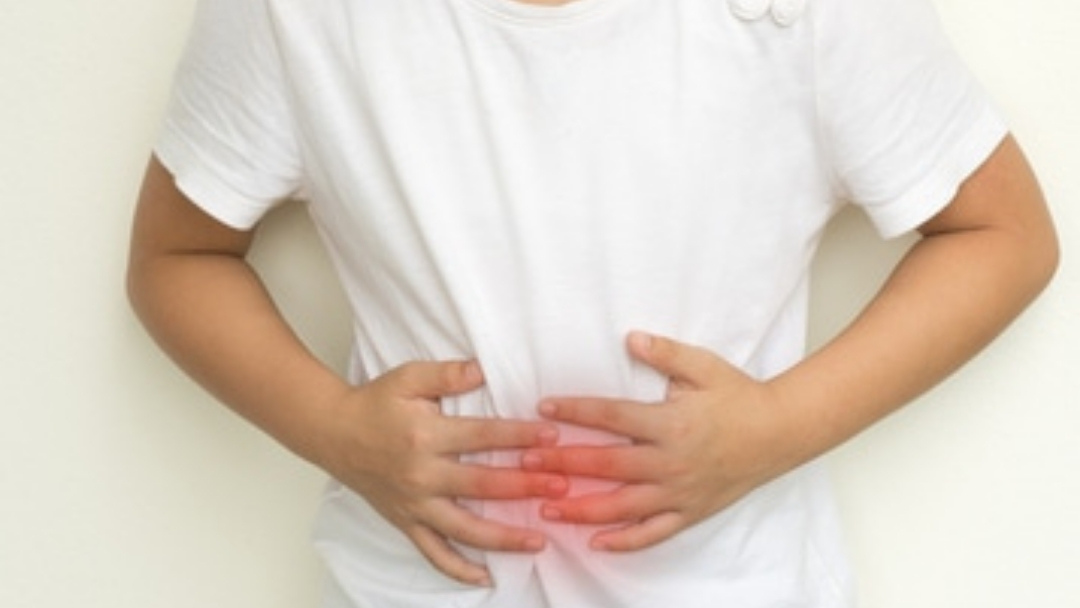
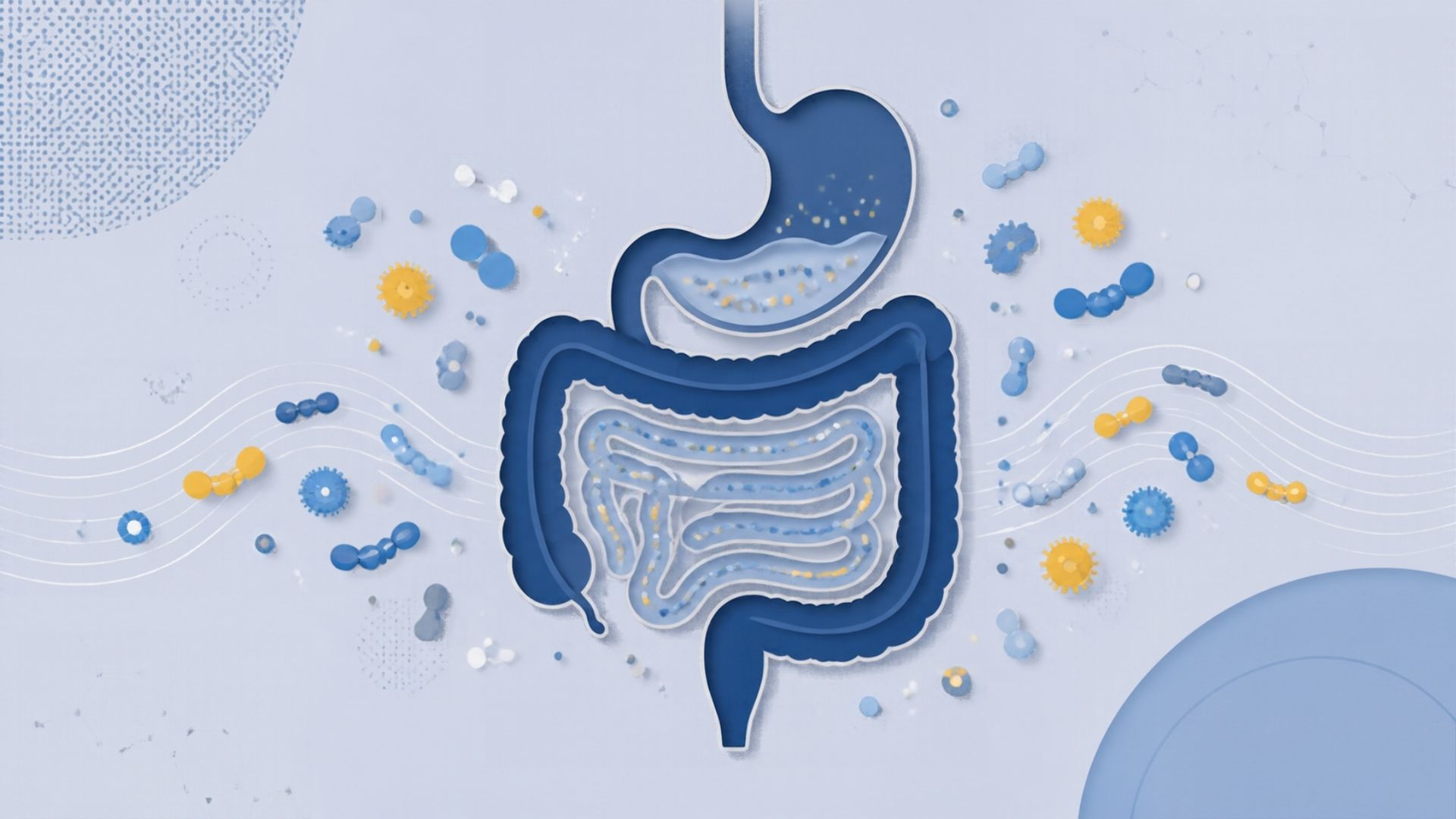
Any of these symptoms may be “messages” that are letting us know that a child’s gut and digestion are out of balance. In addition, their food, minerals and nutrients may not be absorbed well enough for them to develop and repair in a healthy way. A child’s body relies on healthy digestion, strong gut integrity and a whole “village” of collaborators to achieve whole health by:
- Supporting the brain and nervous systems’ functions
- Powering up and maintaining a reliable immune system
- Maintaining the health of all their organs and tissues
- Experiencing pain-free, healthy bowel movements daily
- Chemically discerning and communicating danger and a return to safety
In short, symptom “messengers” from the gut may be relaying some useful information, giving parents clues to the health of the rest of their child’s body, and guiding attention to areas where support is needed for healing and repair.
Digestion 101: It Takes a Village
Digestion takes place throughout the gut, from the mouth, through the esophagus, stomach, small and large intestines, and on to the rectum (anus). Even our noses take part in digestion. Before we begin to chew our food, we begin to salivate (such as from the aroma of homemade cooking), starting the release of digestive juices as we anticipate something tasty. Saliva contains enzymes that break down starches in the mouth. Chewing (also called mastication) begins the process of breaking down food into small enough pieces for enzymes to complete digestion further along the path of the intestinal tract.
When functioning well, glands in the stomach lining produce stomach acid (also influenced by smell and taste) to break down food and aid nutrient digestion and absorption. The stomach also produces a protein-digesting enzyme called pepsin. Stomach acid, pepsin, and other digestive juices from key organs and helpful bacteria “downstream” break down and convert food into nutrients that are the body’s building blocks for growth and repair.
Our liver, gallbladder, and pancreas are all important digestion-assisting organs that help make up the gastrointestinal tract. The liver produces a digestive juice, called bile, also stored in and released from the gallbladder, to help dissolve fat so the intestinal pancreatic enzymes can digest it further. The pancreas produces different enzymes to break down all macronutrients (carbohydrates, fats, proteins) from food partially digested “upstream.”
Numerous hormones in the body and nervous system also partake in digestion, by stimulating and regulating appetite and directly or indirectly impacting the body’s ability to break down food, absorb nutrients, and clear waste. Nerves (intrinsic and extrinsic to the gut) help control the action of the muscles that aid in the movement (peristalsis), and digestion and absorption.
A diverse intestinal microbiome (gut flora) is needed for efficient and effective digestion, too. Ideally, gut flora are made up of microbes that play different and synergistic roles:
- Some bacteria in the colon produce enzymes needed to digest essential macronutrients or break down undigestible starches and turn them into building blocks (like small chain fatty acids) to maintain the integrity of the gut lining.
- Some act as “teachers” for the body’s immune system, allowing it to mature fully.
- Some create functional, metabolic or essential compounds like vitamin B12 and vitamin K2.
- Others make neurotransmitters like serotonin (for both our mental and digestive health).
A unique balance of helpful “symbiotic” microorganisms is not only integral to good digestion, but also a key component to a fulfilling life.
Uncorrected Digestive Symptoms
All these processes need to work together to avoid digestive symptoms; when left untreated (when digestive challenges are ignored) these symptoms may develop into significant digestive disorders or clinical diagnosis such as:
A Microbiome Out of Balance
When there is dysbiosis, which means there are disproportionate levels of potentially harmful organisms in the gut relative to the helpful ones or overgrowth in certain parts of the digestive tract where microorganism shouldn’t really be living, like the small intestine (think SIBO/bacterial and SIFO/fungal overgrowths), we can see symptoms arise. Not only is digestion disrupted because of poor enzyme output from dysbiosis, but microbe deficiencies and excesses, can harm the integrity of the gastrointestinal tract, creating a “leaky” membrane which gives undigested proteins and waste products access to our blood supply. This in turn can create an immune response, food sensitivities or allergies, and further compromise a child’s overall health and well-being.
An overabundance of potentially harmful microorganisms crowds out the health promoting microorganism and when left unchecked, can lead to many of the conditions listed above. For children this can also translate into symptoms of malnutrition, stunted growth or failure to thrive, leading to autoimmune tendencies and even mental health and behavioral challenges.
Many children with chronic health conditions have been found to have an overgrowth of microorganisms in the gut that alter the child’s resistance to infection, lowering their capacity to mount an appropriate immune response. In some cases, microbes like Clostridia difficile (found in many children with autism) can cause diarrhea and colitis (an inflamed colon). These microbes produce harmful metabolites (many of which can be measured in an organic acids urine test) that are thought to have neurotoxic effects on the brain causing unwanted behaviors or mental health issues such as:
It is also important to note that stress itself is a contributor to dysbiosis and a leaky gut. Mealtime hygiene matters, so parents should do the best they can to create an environment that is low stress, calm, safe, social, and unhurried (also sitting while eating), to support a child’s gut, digestion and whole health.
The Microbiome and Autism: Searching for Clues to Whole Body Health beyond Digestion
Children with autism often present to their health care providers with many of the digestive symptoms listed above, especially constipation and belly pain, and research suggests that their gut microbes are often different and less diverse from those of children without autism or digestive issues. Scientists and clinicians are actively exploring the trillions of tiny microbes living in our gut (the microbiome) and their roles even beyond digestion. It turns out, they are often the messengers who “talk” to the brain through what researchers call the gut-brain axis. Different microorganisms produce different chemicals such as waste products or metabolites that create a language of communication.
A few “talkative” microbes keep showing up in the autism research:
- Clostridia are bacteria that can become overgrown in some children with autism; certain kinds make waste products (metabolites) such as propionic acid, and scientists are studying whether too much of it might affect behavior and brain function. Until recently, perhaps the most well-known types of Clostridia were the ones whose metabolites caused life threatening conditions like tetanus, botulism and severe diarrhea.
- On the flip side, several microbes that are generally considered “helpful” often appear in lower amounts in children with autism. These include Akkermansia, which helps keep the gut lining strong and healthy; and Prevotella, which is linked to a diet rich in fiber and plants.
- Bifidobacterium (often just called “bifido”) is one of the first good bacteria that settles in a baby’s gut (breast milk is its fertilizer or “pre-biotic”), but it is often noted to be low or missing altogether (in children and adults). It plays many important roles in the body’s ecosystem and is becoming more depleted in the general population, not just autism.
- Lactobacillus is also well known for its health benefits and is found in breast milk and lacto-fermented foods like yogurt.
It helps to think of the gut like a garden full of a variety of plants that all play an important role in the health of a larger ecosystem. When helpful plants (or microbes in the gut) are crowded out and invasive plants (unwanted microbes) take over, the whole garden (and its ecosystem) struggles. Researchers believe that the balance of these microbes and their metabolites which are the chemical “language” they use to communicate may play a role in the inflammation, immune changes, and many of the other symptoms often seen in autism.
As noted earlier, helpful bacteria tend to make substances the body needs, such as short-chain fatty acids (like butyrate) that calm inflammation and feed the cells lining the gut, while an imbalance can lead to irritating or even harmful byproducts. The microbiome is a huge emerging science and while finding that gut microbes are different in autism, it does not prove that the microbes cause autism or that treating the microbiome will cure it. Autism is complex and involves many facets such as a child’s genetic predispositions, their diet, lifestyle and environment, and the ability for all their systems to work together.
More Microbes in Action
As stated already, gut microorganisms help feed and protect us by contributing digestive enzymes, but also by converting raw materials created through digestion into important chemicals and metabolites that run and repair the body (vitamins, minerals, neurotransmitters, metabolic enzymes, and other neuroimmune supports).
Scientists are actively studying whether supporting a healthier, more diverse microbiome might help children reverse their digestive symptoms and even more complex conditions:
- Giving more prebiotics to feed a diverse population of microbes through a whole foods diet rich in fiber and colorful plant sources; each color of the edible plant rainbow of colors providing different “fertilizer”
- Giving probiotics to augment with specific microbes when appropriate; targeting specific organisms or cultured foods that play a particular role or meet a particular need in the body, sort of “bio-individualizing bugs”
- Replacing or enhancing low postbiotics such as metabolites, peptides, vitamins and minerals that could help a body function better or overcome a challenge.
As parents and researchers sort through evidence (anecdotal or otherwise), they continue document the hope that some science is on the right track, that what harms our microbiome, or sets it back, may be overcome, and that we also might learn which diet, lifestyle and other stressors to avoid and when. Meanwhile, it is important to remember a one-size-fits-all approach does not necessarily fit all sizes. For example, if someone already has an overgrowth of a particular organism in the small intestine (like those known to produce methane gas), pathogens may need to be eliminated or lowered before one or more of the above approaches could be helpful (or to avoid further harm).
Below is a chart that illustrates how certain specific strains of bacteria are being identified (and administered as probiotics) to have a potentially positive impact on various childhood conditions. Again, although probiotics are usually well-tolerated by healthy children, they are not safe for everyone under all conditions (infants who are premature, children with weak immune systems, or a central IV line, or those already very sick should use probiotics under the guidance of a specialist). With that in mind, this is not meant to be a supplement guide or replace the advice of a child’s knowledgeable health care provider.
Strains of Bacteria Studied for Children’s Conditions
Specific strains (designated by letters and numbers) were used in this research. The quality and the specific strain may matter as much as the condition being addressed in terms of outcomes.
Condition
Bacteria (Species and Strain)
What It May Help & Research Outcomes to Date
Lactobacillus rhamnosus GG
Studied to help prevent or ease eczema in high-risk babies, often given before and after birth. Mixed results.
Colic (lots of crying), spit-up, and constipation in babies
Limosilactobacillus (Lactobacillus) reuteri DSM 17938
Helps lower crying in breastfed colicky babies (less clear in formula-fed). Also studied to prevent spit-up (reflux) and constipation in infants. Stronger results.
Diarrhea from a stomach bug
Saccharomyces boulardii CNCM I-745 (a yeast); L. rhamnosus GG
May make diarrhea a little shorter. Two large 2018 studies found GG did not help, so experts are now more careful. Mixed.
Diarrhea caused by antibiotics
L. rhamnosus GG; S. boulardii CNCM I-745
Among the best-supported uses in children. May also help prevent C. difficile diarrhea. Stronger.
Bloating and constipation / IBS (irritable bowel)
Bifidobacterium longum 35624 (also called B. infantis 35624)
Studied for IBS belly symptoms like bloating and irregular stools – mostly in adults so far. Mixed.
Bifidobacterium longum 1714
A “psychobiotic” studied for lowering stress and supporting mood and sleep – mostly in adults, not yet children. Early research.
Recent or frequent respiratory infections (colds)
Bacillus clausii SC-109; Bacillus subtilis DE111
Spore-based probiotics studied for immune support and fewer infections. Evidence is limited and product-specific. Early.
Mastitis (breast infection in a nursing parent)
Limosilactobacillus (Lactobacillus) fermentum CECT 5716; Lactiplantibacillus (Lactobacillus) plantarum
Studied to treat or prevent mastitis in breastfeeding parents. This one is for the PARENT, not the child. Mixed.
Necrotizing enterocolitis (NEC) in premature babies
Multi-strain Bifidobacterium + Lactobacillus blends
HOSPITAL / NICU USE ONLY under specialist’s care. The exact product matters a lot. Stronger.
GI symptoms that often come with autism (under study)
L. plantarum; multi-strain blends
Investigational for gut symptoms only. NOT a proven treatment for autism itself. Early.
Evidence key as of October 2026: Stronger = more consistent evidence in children | Mixed = some studies help, some do not; effects often small | Early = still being researched; not standard care
For the Love of Enzymes: Hidden Helpers for Digestion and Health
Enzymes are proteins that power nearly every process in a child’s body, from digesting breakfast to growing new tissue. In digestion, they work alongside digestive juices from the saliva, stomach, pancreas, and liver, and with the friendly bacteria that live in the gut, to break food down into nutrients the body can absorb. Beyond digestion, enzymes drive the many chemical reactions that help a child’s organs and tissues grow, mature, repair themselves, and keep inflammation in check.
Enzymes also play a part in how a child’s body clears out waste and handles pollution from both inside and outside the body. This depends on the body’s exit routes (also called emunctories) which include the bowels, kidneys, skin, lungs, and lymphatic system. When these pathways are working well, the body can keep up with the waste it produces and the substances it’s exposed to.
A child’s enzymes can, however, be strained. Environmental toxins, heavy metals, and chemicals in food, air, and water can interfere with how well enzymes work. Some children are also born with a genetic tendency toward weaker enzyme activity. When a child’s exposure to stressors outweighs the supports their body has, enzymes may not be able to do their jobs as effectively and may benefit from targeted support, like supplementation.
Because each digestive enzyme has a specific task, a shortfall in one can make certain foods hard to handle. Some common examples include gluten (in wheat, barley, and rye) and casein (the main protein in dairy), which both rely on an enzyme called DPP-IV to be fully broken down. Histamine, which is naturally present in many everyday foods, also needs its own enzymes to be cleared. Other areas where children may struggle include breaking down phenols (natural compounds in many fruits and vegetables), producing enough pancreatic enzymes to digest protein, and producing enough bicarbonate to neutralize stomach acid once it has done its job (note: low stomach acid may contribute to reflux). Children with weaker enzyme activity may also show food sensitivities.
Digestive enzyme supplements have drawn particular interest among families of children with autism, many of whom have digestive difficulties. Parents have reported improvements in areas such as digestive symptoms, stools, food tolerance, eye contact, language, and humor. Many also describe changes in behavior, including less aggression, hyperactivity, anxiety, pain, headaches, self-stimulatory behavior, and self-injury.
Food enzymes are usually a low-risk supplement for children, but a few cautions matter. Gluten-digesting enzymes do NOT make gluten safe for any person with celiac disease. A child with celiac disease must still avoid gluten. Pancreatic enzymes are typically a prescription and require a doctor’s recommended dosing. Some enzymes come from pork or mold, which can be a problem for children with those allergies.
Below is a chart for learning purposes only. When considering supplementation with specific enzymes or other cofactors for prevention, or for use in symptomatic children, it is advisable to seek guidance from a healthcare provider who is knowledgeable about safety and efficacy as well as dosage and quality sourcing.
Enzymes Studied for Children’s Digestion: Evidence for Which Enzymes Help with Which Foods
Condition / Use
Enzyme
What a Particular Enzyme May Help with and How Solid Is the Evidence
Lactose intolerance (trouble with the sugar in milk)
Lactase
Breaks down lactose, the sugar in dairy. Well established for easing gas, bloating, and diarrhea after milk products. Stronger Results.
Pancreatic insufficiency / cystic fibrosis (greasy stools, poor weight gain)
Pancreatic enzymes (pancrelipase: lipase, protease, amylase)
Prescription enzyme replacement that helps digest fat, protein, and starch when the pancreas does not make enough. A standard, well-supported treatment. Stronger Results.
Gas and bloating from beans and vegetables
Alpha-galactosidase (“Beano”)
Helps break down the hard-to-digest sugars in beans and cruciferous veggies that cause gas. Some supportive studies. Mixed results.
Reactions to gluten and casein (wheat and dairy proteins)
DPP-IV (dipeptidyl peptidase-4), often in enzyme blends
Used to help break down gluten and casein pieces. Popular in the autism community, but not a cure. Early Results.
Histamine intolerance (reactions to aged or fermented foods)
DAO (diamine oxidase)
Helps break down histamine from food. Studied for histamine intolerance. Early.
Phenol or salicylate sensitivity (reacting to some fruits or dyes)
Phenol-/starch-digesting enzyme blends (e.g., xylanase)
Used for kids who seem to react to high-phenol foods. Mostly used in the autism. Early.
Trouble digesting starches and carbs
Amylase and glucoamylase
Help break starches into sugars the body can absorb. Often part of broad digestive blends. Mixed.
Trouble digesting protein
Proteases (protease blends)
Break proteins into amino acids. Common in digestive blends; evidence in children is limited. Early.
Prolyl endopeptidase (such as AN-PEP)
Studied to break down small amounts of gluten. Does NOT make gluten safe for people with celiac disease, who must still avoid gluten. Early.
Broad-spectrum digestive enzyme blends
Combination enzymes taken with (or without) meals to support digestion and nutrient absorption (or toxin elimination). Popular for chronic conditions. Mixed.
Evidence key as of October 2026: Stronger = more consistent evidence in children | Mixed = some studies help, some do not; effects often small | Early = still being researched; not standard care
In Summary
Gut health and digestion are a whole-body experience for children. The microbiome and its diversity can powerfully affect digestion as well as brain health, immune function, and organ and tissue integrity. Specific enzymes are also required throughout the body for digestion as well as a broad range of metabolic activities for overall health and well-being. The gastronintestinal (GI) tract is a vast network of systems, cells, tissues, organs and organisms designed to aid digestion. An overtaxed, undernourished, or imbalanced GI tract is likely to contribute to a myriad of familiar childhood symptoms and diagnosis. Reducing a child’s total load and supporting their gut health (including all its “members” and their integrity) may start when we learn to listen to their messages and appreciate our roles as parents and providers to keep it safe.
About Heather Tallman Ruhm MD
Heather Tallman Ruhm MD is the Medical Director of the Documenting Hope Project. She is a Board Certified Family Physician whose primary focus is whole-person health and patient education. She draws on her conventional western training along with insights and skills from functional, integrative, bioregulatory and energy medicine. She believes in the healing capacities of the human frame and supports the power of self-regulation to help her patients recover and access vitality.

Still Looking for Answers?
Visit the Documenting Hope Practitioner Directory to find a practitioner near you.
Join us inside our online membership community for parents, Healing Together, where you’ll find even more healing resources, expert guidance, and a community to support you every step of your child’s healing journey.
Sources & References
AlFaleh, K., et al. Probiotics for prevention of necrotizing enterocolitis in preterm infants. Cochrane Database Syst Rev. 2014 Apr 10:(4):CD005496.
Allen, A.P., et al. Bifidobacterium longum 1714 as a translational psychobiotic: modulation of stress, electrophysiology and neurocognition in healthy volunteers. Transl Psychiatry. 2016 Nov 1;6(11):e939.
Alsabri, M., et al. Efficacy of probiotics in reducing the duration and severity of acute gastroenteritis in children: A meta-analysis of randomized controlled trials. J Pediatr Gastroenterol Nutr. 2025 Oct;81(4):1000-1009.
Arroyo, R., et al. Treatment of infectious mastitis during lactation: antibiotics versus oral administration of Lactobacilli isolated from breast milk. Clin Infect Dis. 2010 Jun 15;50(12):1551-8.
Betsi, G.I., et al. Probiotics for the treatment or prevention of atopic dermatitis: a review of the evidence from randomized controlled trials. Am J Clin Dermatol. 2008;9(2):93-103.
Bianchi, M., et al. Efficacy of Lactobacillus reuteri DSM 17938 in preterm newborns and infants with colic: a systematic review and meta-analysis of randomized controlled trials. Nutrition. 2026 Nov:151:113327.
Carucci, L., et al. Therapeutic effects elicited by the probiotic Lacticaseibacillus rhamnosus GG in children with atopic dermatitis. The results of the ProPAD trial. Pediatr Allergy Immunol. 2022 Aug;33(8):e13836.
Goldenberg, J.Z., et al. Probiotics for the prevention of Clostridium difficile-associated diarrhea in adults and children. Cochrane Database Syst Rev. 2017 Dec 19;12(12):CD006095.
Gutiérrez-Castrellón, P., et al. Efficacy of Lactobacillus reuteri DSM 17938 for infantile colic: Systematic review with network meta-analysis. Medicine (Baltimore). 2017 Dec;96(51):e9375.
Hempel, S., et al. Probiotics for the prevention and treatment of antibiotic-associated diarrhea: a systematic review and meta-analysis. JAMA. 2012 May 9;307(18):1959-69.
Huang, R., et al. Efficacy of probiotics in the treatment of acute diarrhea in children: a systematic review and meta-analysis of clinical trials. Transl Pediatr. 2021 Dec;10(12):3248-3260.
Indrio, F., et al. Prophylactic use of a probiotic in the prevention of colic, regurgitation, and functional constipation: a randomized clinical trial. JAMA Pediatr. 2014 Mar;168(3):228-33.
Kalliomäki, M., et al. Probiotics in primary prevention of atopic disease: a randomised placebo-controlled trial. Lancet. 2001 Apr 7;357(9262):1076-9.
O'Mahony, L., et al. Lactobacillus and bifidobacterium in irritable bowel syndrome: symptom responses and relationship to cytokine profiles. Gastroenterology. 2005 Mar;128(3):541-51.
Savino, F., et al. Lactobacillus reuteri DSM 17938 in infantile colic: a randomized, double-blind, placebo-controlled trial. Pediatrics. 2010 Sep;126(3):e526-33.
Szajewska, H., et al. Meta-analysis: Saccharomyces boulardii for treating acute diarrhoea in children. Aliment Pharmacol Ther. 2007 Feb 1;25(3):257-64.
Tan-Lim, C.S.C., et al. Comparative effectiveness of probiotic strains on the prevention of pediatric atopic dermatitis: A systematic review and network meta-analysis. Pediatr Allergy Immunol. 2021 Aug;32(6):1255-1270.
Whorwell, P.J., et al. Efficacy of an encapsulated probiotic Bifidobacterium infantis 35624 in women with irritable bowel syndrome. Am J Gastroenterol. 2006 Jul;101(7):1581-90.
Xu, M., et al. The Efficacy and Safety of the Probiotic Bacterium Lactobacillus reuteri DSM 17938 for Infantile Colic: A Meta-Analysis of Randomized Controlled Trials. PLoS One. 2015 Oct 28;10(10):e0141445.