
What Is Constipation?
Constipation is among the most common gastrointestinal complaints, but it is especially common in children with autism, ADHD, Sensory Processing Disorder, allergies, eczema, asthma, autoimmune disorders and mood disorders. As the gut and the brain are tightly connected, it is no wonder that chronic constipation shows up again and again in people who have neurodevelopmental and neurobehavioral conditions as well as mood disorders like anxiety and depression.
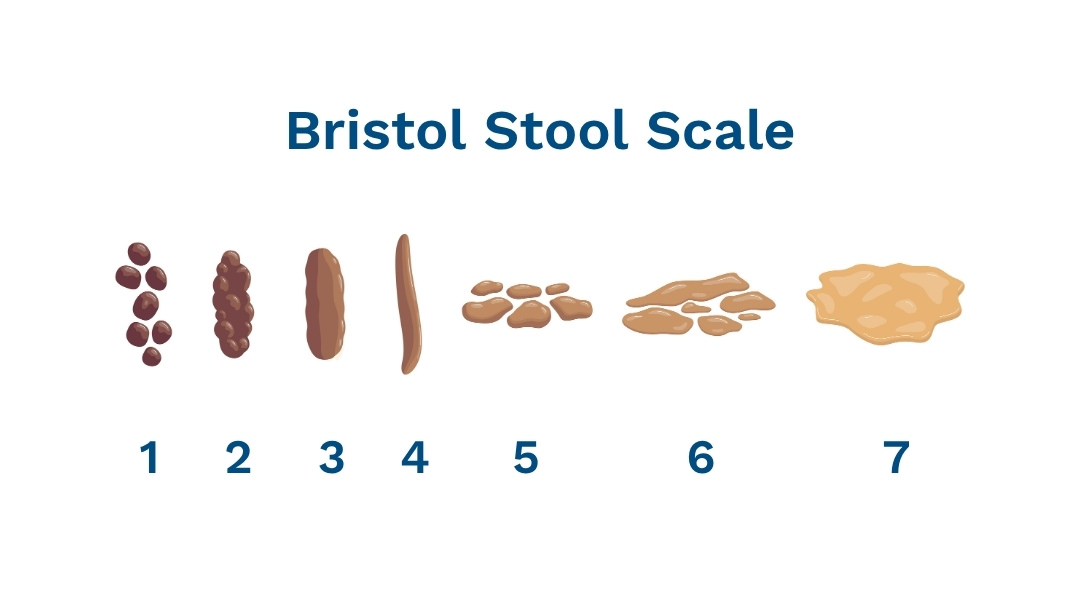
Constipation means fewer bowel movements than normal, or stools that are hard, dry and difficult or painful to pass. Occasional constipation is common and often resolves with simple diet or lifestyle changes. Chronic constipation, lasting weeks or months, or returning again and again, deserves a closer look.
While constipation is uncomfortable and inconvenient, it is also a signal that something deeper in a child’s body is out of balance. When we look upstream, chronic constipation often points back to two closely connected systems: the gut microbiome and the nervous system.
Signs and Symptoms of Constipation
Every child has their own rhythm, but these are common signs that the bowels are struggling:
- Fewer than four bowel movements a week
- Hard, dry, pebble-like or very large stools
- Straining, pain or crying during bowel movements
- Withholding behaviors such as crossing legs, hiding, refusing to use the toilet
- Abdominal pain, bloating or a distended belly
- Posturing (pressing their belly into a chair, floor, or other object) in children who are young or can’t speak
- Soiling or “accidents” in a child who is toilet-trained (liquid stool can leak around a hard mass). This is called encopresis.
- Reduced appetite, irritability, poor sleep or changes in behavior
- Streaks of blood on the stool or toilet paper from small tears
In children who cannot easily describe what they feel, constipation may show up as aggression, self-injury, sleep disruption or unusual postures. Parents are often the first to notice these patterns.
What Your Doctor May Tell You About Constipation
Your child’s doctor may prescribe a laxative such as MiraLAX for your child’s constipation. However, these types of products are not intended to be used for long periods of time or as a substitute for a medical work-up if your child has chronic gastrointestinal problems.
In addition, in December 2011, the U.S. Federal Drug Administration (FDA) placed laxatives containing Polyethylene Glycol 3350 (PEG) on its Adverse Event Reporting System (AERS) in connection to neuropsychiatric events. These PEG laxatives are marketed under the following brands:
MiraLAX, Movicol, Dulcolax Balance, Colyte, Colovage, Co-Lav, Clensz-Lyte, ClearLax, GaviLyte C, GlycoLax, Go-Evac, GoLYTELY, GlycoPrep, E-Z-Em Fortrans, Halflytely, Lax-a-Day, LaxLyte, MoviPrep, NuLytely, OCL, Peg-Lyte, Prep Lyte, Softlax, TriLyteDespite widespread pediatrician recommendation of PEG laxatives, the FDA never approved them for use by children.
According to the FDA, neuropsychiatric adverse events in children using PEG laxatives may include: Seizures, tremors, tics, headache, anxiety, lethargy, sedation, aggression, rages, obsessive-compulsive behaviors including repetitive chewing and sucking, paranoia, mood swings.
Another Way to Think about Constipation
Many doctors want to help alleviate the symptoms of constipation so they will offer you a “quick fix” of laxatives, but this does not get to the root of the problem. We believe it is worth asking why a child is constipated, not only how to make the next bowel movement happen.
The good news: the gut is remarkably responsive to natural interventions. When we make appropriate diet changes, support the microbiome, calm and regulate the nervous system, and remove the stressors that are getting in the way, many children’s bowels begin to heal.
Root Causes: Why Is My Child Constipated?
Constipation is rarely caused by one thing. It is usually the result of several stressors adding up over time–what we call the “total load.” The most common contributors include:
An Imbalanced Microbiome (Dysbiosis)
Trillions of gut microbes help set the pace of the bowel. They ferment fiber into short-chain fatty acids (SCFAs) like butyrate, which feed the gut lining and signal the cells that make serotonin. Serotonin is a key neurotransmitter that tells the colon to move. Research has shown that adults with functional constipation have significantly lower levels of beneficial Bifidobacteria and Lactobacilli, and constipated autistic children show lower microbial diversity than typically developing children. See Sources & References, below. There are many things that can impact the diversity of the microbiome leading to constipation including: antibiotics, C-section birth, formula feeding, a low-fiber diet and environmental chemicals like glyphosate or chlorine.
Nervous-System Dysregulation
The gut has its own nervous system (called the enteric nervous system) that coordinates the wave-like contractions that move stool along. It is in constant conversation with the brain through the vagus nerve. When a child is stuck in “fight or flight,” digestion slows down (more on this important topic below).
Diet and Hydration
Too little fiber from vegetables, fruits, legumes and whole foods, too little water, and a diet heavy in processed foods and refined flour all slow transit, reduce microbial diversity and even starve beneficial microbes.
Food Sensitivities
Dairy and gluten are common triggers. Some clinicians recommend a trial of a cow’s milk-free diet for children with stubborn constipation as an easy first step to alleviate the constipation.
Immune Dysregulation and Inflammation
Allergies, food and environmental sensitivities, chronic infections, PANS/PANDAS and Lyme disease can inflame the gut and disturb motility.
Mitochondrial Dysfunction and Low Muscle Tone
Moving stool takes energy. Children with weak mitochondrial function or low muscle tone (hypotonia) may have a sluggish bowel.
Thyroid and Nutrient Imbalances
An underactive thyroid slows the whole body, including the gut. Low magnesium is another common contributor.
Environmental Toxins
Pesticides such as glyphosate, heavy metals and other chemicals can harm beneficial gut bacteria and the gut lining.
Lifestyle and Behavior
Low physical activity, sedentary lifestyles, too much screen time, poor sleep, rushed toileting, poor toilet posture and a history of painful stools (which leads to withholding) all keep the cycle going.
Medications
Some medications, including iron supplements, certain psychiatric medications and acid blockers, can contribute to constipation. ADHD medications like Vyvance, Strattera, Intuinv, and Adderall are well known to contribute to constipation. GLP-1s, some antidepressants, antacids, antihistamines (like Benadryl) can slow down the gastrointestinal tract, too.
More on The Gut–Brain Connection: Why the Nervous System Is a Good Place to Focus When Constipated
The gut and the brain are in constant two-way communication through the microbiota–gut–brain axis. Gut microbes, the enteric nervous system, the vagus nerve, the immune system and hormones all take part in this conversation.
“Fight or flight” is a phrase we use to describe a nervous system state known as the sympathetic state. Our nervous system has two main states: sympathetic and parasympathetic. Sympathetic is the action or “go” state and parasympathetic is the rest and digest” state. Most children with neurodevelopmental conditions can spend too much time in a sympathetic state or have great difficulty moving into a parasympathetic state.
Why is this important for constipation? If you are under threat (think evolutionarily: running from a tiger or other threat), you are in a sympathetic state, and your body will shunt resources to survival needs. Secondary functions like digestion, gastrointestinal motility and moving stool take a back seat. Digestion and proper stooling require that your nervous system be in a parasympathetic state. Many of our kids don’t spend much time in this state or can’t easily slide into it. The result can be constipation. What’s more, stress can inhibit the vagus nerve (which connects the gut and the brain) from communicating properly. A child who is anxious, overstimulated, in pain, sleeping poorly or living with chronic inflammation may spend much of the day in a sympathetic, “fight or flight” state, and the bowel slows down.
Remember, the microbes in your gut talk to your nerves! Gut bacteria and the metabolites they make influence the enteric nervous system, serotonin signaling, immune function and gut secretions — all of which shape motility. So, if there is an imbalance of bacteria in your gut, the microbes may be sending the wrong signals, or not enough of the right signals, to the brain. Researchers increasingly describe chronic constipation as a disorder of the brain–gut–microbiota axis.
Common Solutions: A Root-Cause Approach
The strategies below aim to restore balance to the gut and nervous system. Discuss these options with your healthcare provider.
Nourish the Microbiome
- Eat the rainbow. Build meals around vegetables, fruits, legumes, nuts, seeds and other fiber-rich whole foods. Fiber feeds beneficial microbes, which make the SCFAs that keep the colon moving.
- Add fermented foods. In a 17-week trial, a diet high in fermented foods steadily increased microbiome diversity and lowered markers of inflammation. Try sauerkraut, kimchi, kefir, yogurt (dairy-free if needed), kombucha or fermented vegetable juice, starting with small amounts.
- Consider probiotics. In research studies (see Sources & References, below), probiotics have proven to significantly improve bowel movement frequency in childhood functional constipation. Results vary by strain and by brand, so work with a practitioner. Remember, probiotics are found in raw and naturally fermented foods, so if cost is of concern, fermented foods are a cost effective way to add probiotics into the diet.
- Prebiotic foods. Foods such as onions, garlic, leeks, asparagus, green bananas and oats can feed Bifidobacteria and other beneficial microbes.
Remove What Gets in the Way
- Try an elimination diet. Removing common triggers such as dairy and gluten (a gluten-free, casein-free diet) for several weeks can reveal hidden sensitivities that inflame the gut and lead to constipation.
- Reduce processed foods and toxins. Choose organic when possible to lower pesticide exposure, filter drinking water and cut back on refined flour, sugar and additives.
- Hydrate. Offer water throughout the day, especially when increasing fiber.
Calm and Regulate the Nervous System
- Create a calm toilet routine. Encourage unhurried toilet time after meals, when the gut naturally wants to move.
- Support toilet posture. A footstool or “Squatty Potty” raises the knees above the hips. In a pilot study of children with functional constipation, potty-stool users had fewer accidents, and 98% of families would recommend it.
- Breathe, play and rest. Deep belly breathing, humming, singing, abdominal massage, time in nature and calm connection all engage the vagus nerve and the “rest and digest” state.
- Protect sleep and limit screens. A consistent bedtime routine and less screen time help regulate stress hormones and the gut.
- Move every day. Running, jumping, climbing and active play stimulate the bowel.
Targeted Nutrients (Ask Your Healthcare Provider)
- Magnesium relaxes muscles, draws water into the bowel and calms the nervous system.
- Vitamin C at higher doses can soften stools.
- Aloe vera juice and cod liver oil have traditionally been used to support regularity.
- Digestive enzymes, including DPP-IV enzymes, can help break down hard-to-digest proteins such as gluten and casein.
Bodywork and Supportive Therapies
Chiropractic, osteopathy, craniosacral therapy, acupuncture and pelvic floor therapy can support nervous system regulation and bowel function.
Investigate Deeper with Testing
For stubborn constipation, consider working with a practitioner on:
- Comprehensive stool analysis (microbiome, inflammation, digestion)
- Food sensitivity testing
- Nutrient levels (magnesium, iron, vitamin D, zinc)
- Thyroid function
- Screening for PANS/PANDAS, Lyme disease and other chronic infections
When to Seek Help Right Away
Intermittent constipation can often be managed with simple steps at home. Contact a healthcare provider promptly if your child has:
- Severe or worsening abdominal pain, or a swollen, hard belly
- Vomiting, especially green or yellow vomit
- Blood in the stool beyond small streaks
- Fever, weight loss or poor growth
- Constipation since birth, or delayed first stool as a newborn
- No bowel movement for more than a week despite home efforts
About Beth Lambert
Beth Lambert is a former healthcare consultant and teacher. As a consultant, she worked with pharmaceutical, medical device, diagnostic and other health care companies to evaluate industry trends.
She is the author of A Compromised Generation: The Epidemic of Chronic Illness in America’s Children (Sentient Publications, 2010). She is also a co-author of Documenting Hope's Brain Under Attack: A Resource for Parents and Caregivers of Children with PANS, PANDAS, and Autoimmune Encephalitis. She is a co-author of Reversal of Autism Symptoms among Dizygotic Twins through a Personalized Lifestyle and Environmental Modification Approach: A Case Report and Review of the Literature, J. Pers. Med. 2024, 14(6), 641.

In 2009, Beth founded Documenting Hope and currently serves as Executive Director. Beth attended Oxford University, graduated from Williams College and holds a Masters Degree in American Studies from Fairfield University.
Still Looking for Answers?
Visit the Documenting Hope Practitioner Directory to find a practitioner near you.
Join us inside our online membership community for parents, Healing Together, where you’ll find even more healing resources, expert guidance, and a community to support you every step of your child’s healing journey.
Sources & References
Aggarwal, A., et al. Predominant symptoms in irritable bowel syndrome correlate with specific autonomic nervous system abnormalities. Gastroenterology. 1994 Apr;106(4):945-50.
Altomare, D.F., et al. Slow-transit constipation: solitary symptom of a systemic gastrointestinal disease. Dis Colon Rectum. 1999 Feb;42(2):231-40.
An, H.M., et al. Efficacy of Lactic Acid Bacteria (LAB) supplement in management of constipation among nursing home residents. Nutr J. 2010 Feb 5;9:5.
Bonaz, B., et al. The Vagus Nerve at the Interface of the Microbiota-Gut-Brain Axis. Front Neurosci. 2018 Feb 7:12:49.
Browning, K.N. et al. Central nervous system control of gastrointestinal motility and secretion and modulation of gastrointestinal functions. Compr Physiol. 2014 Oct;4(4):1339-68.
Chitkara, D.K., et al. Abnormalities in gastrointestinal motility are associated with diseases of oxidative phosphorylation in children. Am J Gastroenterol. 2003 Apr;98(4):871-7.
Chmielewska, A., et al. Systematic review of randomised controlled trials: probiotics for functional constipation. World J Gastroenterol 2010 Jan 7;16(1):69-75.
Dimidi, E., et al. Mechanisms of Action of Probiotics and the Gastrointestinal Microbiota on Gut Motility and Constipation. Adv Nutr. 2017 May 15;8(3):484-494.
Erhardt, R., et al. Functional constipation and the effect of prebiotics on the gut microbiota: a review. Br J Nutr. 2023 Sep 28;130(6):1015-1023.
Gelsomino, M., et al. Functional constipation related to cow's milk allergy in children: A management proposal. Allergol Immunopathol (Madr). 2021 May 1;49(3):17-20.
Greene. J.G., et al. Delayed gastric emptying and enteric nervous system dysfunction in the rotenone model of Parkinson's disease. Exp. Neurol. 2009 Jul;218(1):154-61.
He, J., et al. Altered Gut Microbiota and Short-chain Fatty Acids in Chinese Children with Constipated Autism Spectrum Disorder. Sci Rep. 2023 Nov 4;13(1):19103.
Higashikawa, F., et al. Improvement of constipation and liver function by plant-derived lactic acid bacteria: a double-blind, randomized trial. Nutrition 2010 Apr;26(4):367-74.
Jang, A., et al. Effects of Cognitive Behavior Therapy on Heart Rate Variability in Young Females with Constipation-predominant Irritable Bowel Syndrome: A Parallel-group Trial. J Neurogastroenterol Motil. 2017 Jul 30;23(3):435-445.
Knowles, C.H., et al. Sensory and autonomic neuropathy in patients with idiopathic slow-transit constipation. Br J Surg. 1999 Jan;86(1):54-60.
Knowles, C.H., et al. Slow transit constipation: a disorder of pelvic autonomic nerves? Dig Dis Sci. 2001 Feb;46(2):389-401.
Lee, H.R., et al. Bacteria and irritable bowel syndrome: the evidence for small intestinal bacterial overgrowth. Curr Gastroenterol Rep. 2006 Aug;8(4):305-11.
Liu, L., et al. Diagnosis of colonic dysmotility associated with autonomic dysfunction in patients with chronic refractory constipation. Sci Rep. 2022 Jul 14;12(1):12051.
Liu, L., et al. Efficacy and safety of probiotics and synbiotics for functional constipation in children: A systematic review and meta-analysis of randomized clinical trials. Clin Nutr. 2023 Oct;42(10):1817-1826.
Margulis, K.G., et al. The Microbiota-Gut-Brain Axis: From Motility to Mood. Gastroenterology. 2021 Apr;160(5):1486-1501.
Martens, U., et al. Probiotic treatment of irritable bowel syndrome in children. Ger Med Sci. 2010 Mar 2;8:Doc07.
Mazure, M., et al. Autonomic nervous system activity in constipation-predominant irritable bowel syndrome patients. Med Sci Monit. 2012 Aug;18(8):CR493-499.
McElhanon, B.O., et al. Gastrointestinal symptoms in autism spectrum disorder: a meta-analysis. Pediatrics. 2014 May;133(5):872-83.
Pan, R., et al. Crosstalk between the Gut Microbiome and Colonic Motility in Chronic Constipation: Potential Mechanisms and Microbiota Modulation. Nutrients. 2022 Sep 8;14(18):3704.
Pimintel, M., et al. Irritable Bowel Syndrome: Bacterial Overgrowth--What's Known and What to Do. Curr Treat Options Gastroenterol. 2007 Aug;10(4):328-37.
Reeves, P.T., et al. Potty Stools, a Pilot Study to Step Up the Management of Functional Constipation in Children. Clin Pediatr (Phila). 2025 May;64(4):558-563.
Reigstad, C.S., et al. Gut microbes promote colonic serotonin production through an effect of short-chain fatty acids on enterochromaffin cells. FASEB J. 2015 Apr;29(4):1395-403.
Rodriguez, D.A., et al. Functional Constipation and the Gut Microbiome in Children: Preclinical and Clinical Evidence. Front Pediatr. 2021 Jan 20:8:595531.
Szyller, H., et al. Sleep, Stress, Circadian Rhythm, and Diet in Pediatric Disorders of Gut-Brain Interaction: A Narrative Review. Nutrients. 2026 Aug 24;18(17):2768.
Wastyk, H.C., et al. Gut-microbiota-targeted diets modulate human immune status. Cell. 2021 Aug 5;184(16):4137-4153.e14.
Wegh, C.A.M., et al. Nonpharmacologic Treatment for Children with Functional Constipation: A Systematic Review and Meta-analysis. J Pediatr. 2022 Jan:240:136-149.e5.
Xu, X., et al. Chronic constipation and gut microbiota: current research insights and therapeutic implications. Postgrad Med J.. 2024 Nov 22;100(1190):890-897.