
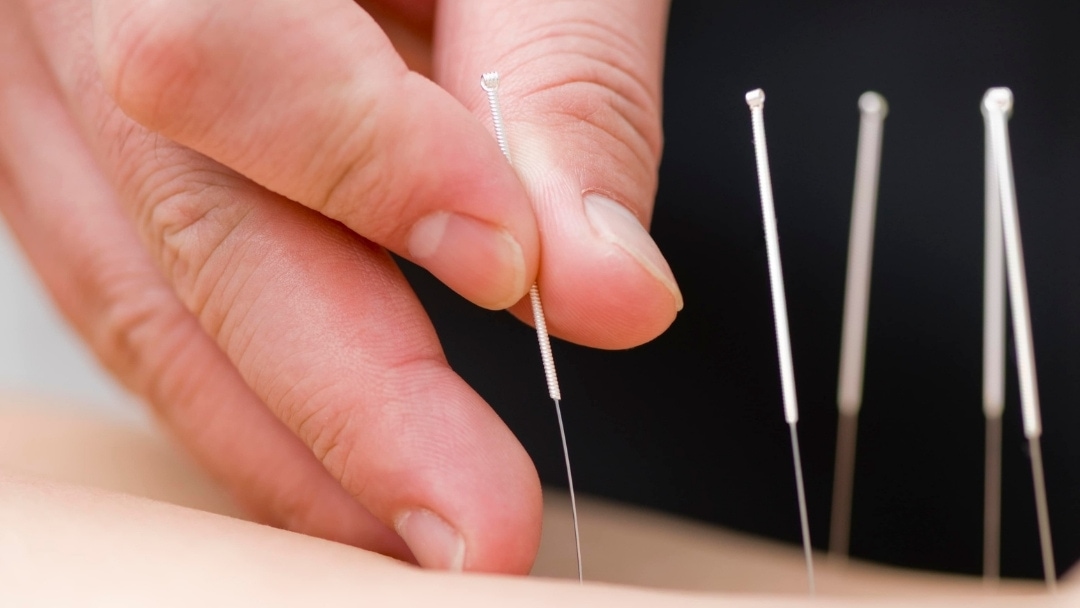
When western medicine isn’t enough or is just not working at all or needs some extra help, acupuncture can be the go-to pediatric therapy. Numerous studies (see Sources & References, below) have found it to be safe and efficacious. There are many types of inflammatory conditions affecting our children today that would benefit from acupuncture treatments. Even babies can do acupuncture without being in distress!
Acupuncture is a safe, alternative, non-invasive and effective treatment with few side effects not only for adults but also children as well.
What Is Acupuncture?
Acupuncture is a form of Traditional Chinese Medicine that has been practiced for centuries. It’s based on the theory that energy, called chi, flows through and around your body along pathways called meridians. Acupuncturists believe that illness occurs when something blocks or causes imbalances in your chi energy. Acupuncture is a way to unblock or influence chi and help it flow back into balance. In other words, it is a great way of getting your electrical system all connected and working again.
Local, regional or global (body-wide) points can be treated to achieve different affects; points can be stimulated and points can be calmed down. The beauty is that multiple symptoms may be treated simultaneously with just a different point selection.
Many people assume acupuncture is just for pain because treatment can help release endorphins which are the body’s natural painkillers. However, acupuncture can help adults and children with many diverse conditions.
Is Acupuncture Painful for My Child?
Acupuncture can also be done without needles in an easy painless treatment which makes this therapy much more attractive to children who are afraid of needles. Pediatric acupuncturists are trained to use very fine needles that are like the size of a strand of hair.
They are also trained in a special needling technique called rapid needling; the needle is inserted and taken out immediately. This way babies, young children and autism spectrum disorder children do not have to sit still for any length of time and can have a virtually painless quick treatment.
What Would a Pediatric Acupuncture Treatment Be Like?
All acupuncture treatments are individualized and tailored to each child’s needs. Acupuncturists might check the child’s pulse to determine what organs need attention. They will also check the following:
- Physical health
- Digestion
- Sleep
- Energy
- Immune function
- Diet
- Environmental and toxic load
- Emotional well-being
What Are Possible Protocols?
- Herbal medicine
- Pediatric acupuncture
- Gently inserting needles
- Rapid Needle Technique
- Laser stimulation
- Electrical stimulation
- Acupressure (gentle massage of acupuncture points)
- Non-needle techniques
- Chinese pediatric massage
- Dietary modifications
What Conditions Can Acupuncture Assist With?
- Sleep
- Bone and joint pain
- Bedwetting
- Drooling
- Allergies
- ADHD
- Autism Spectrum Disorders
About Teresa Badillo
In the 1980s she worked overseas in Rome, Italy at the Japanese Embassy in the office of the United Nations (FAO) as a speech writer. She also began her long journey in alternative healing while living in Rome.
After moving to New York and while raising her family of seven children, Teresa embarked on a mission to find alternative non-invasive biomedical, therapeutic, sensory and educational solutions for autism after the diagnosis of her son in the early 1990s.

She won a court case in 1995 against the Rockland County School District in New York to enable ARC Prime Time for Kids to be the first school using Applied Behavioral Analysis teaching method for autism that was paid for by the Rockland County School District. The following year she was instrumental in getting the New York Minister of Education to approve an extension of the ARC license from 5 to 21 years.
She has worked over the years in a number of alternative medical practices with doctors and practitioners organizing various biomedical intervention options for children with autism. Since the mid 1990s, Teresa has served on several boards:
- Foundation for Children with Developmental Disabilities
- The Autoimmunity Project
- Developmental Delayed Resources
- Epidemic Answers
She continues to consult and advise parents on all different areas of autism especially nutritional protocols. Since 2006 she has worked with NutraOrgana, LLC and BioCellular Analysis Testing. She currently researches, writes the newsletter and blogs Teresa’s Corner for The Autism Exchange (AEX). She also writes blog posts and pages for Documenting Hope.
Still Looking for Answers?
Visit the Documenting Hope Practitioner Directory to find a practitioner near you.
Join us inside our online membership community for parents, Healing Together, where you’ll find even more healing resources, expert guidance, and a community to support you every step of your child’s healing journey.
Sources & References
Bower, W.F., et al. Acupuncture as a treatment for nocturnal enuresis. Auton Neurosci. 2010 Oct 28;157(1-2):63-7.
Coutaux, A. Non-pharmacological treatments for pain relief: TENS and acupuncture. Joint Bone Spine. 2017 Dec;84(6):657-661.
Errington-Evans, N., et al. Acupuncture for anxiety. CNS Neurosci Ther. 2012 Apr;18(4):277-84.
Faria, M., et al. Efficacy of acupuncture on cancer pain: A systematic review and meta-analysis. J Integr Med. 2024 May;22(3):235-244.
Huang, D.M., et al. Acupuncture for infertility: is it an effective therapy? Chin J Integr Med. 2011 May;17(5):386-95.
Jindal, V., et al. Safety and efficacy of acupuncture in children: a review of the evidence. J Pediatr Hematol Oncol. 2008 Jun;30(6):431-42.
Li, Q.Q., et al. Acupuncture effect and central autonomic regulation. Evid Based Complement Alternat Med. 2013:2013:267959.
Li, Y.W., et al. The autonomic nervous system: A potential link to the efficacy of acupuncture. Front Neurosci. 2022 Dec 8:16:1038945.
Libonate, J., et al. Efficacy of acupuncture for health conditions in children: a review. ScientificWorldJournal. 2008 Jul 13;8:670-82.
Lin, Y.C., et al. Acupuncture for pediatric pain: The trend of evidence-based research. J Tradit Complement Med. 2019 Aug 17;10(4):315-319.
Painovich, J., et al. A Randomized, Controlled Pilot Study of the Effects of Acupuncture on Circulating Endothelial Progenitor Cells in Coronary Heart Disease. Integr Med (Encinitas). 2014 Apr;13(2):27-33.
Patel, M., et al. The role of acupuncture in the treatment of chronic pain. Best Pract Res Clin Anaesthesiol. 2020 Sep;34(3):603-616.
Wang, S.J., et al. Acupoint specificity on acupuncture regulation of hypothalamic- pituitary-adrenal cortex axis function. BMC Complement Altern Med. 2015 Mar 27:15:87.
Wu, Y., et al. Effectiveness of Acupuncture for Infertility in Patients with Polycystic Ovary Syndrome: A Systematic Review and Network Meta-Analysis. Endocr Metab Immune Disord Drug Targets. 2024 Sep 20.
Yan, Y., et al. Acupuncture for the prevention of chemotherapy-induced nausea and vomiting in cancer patients: A systematic review and meta-analysis. Cancer Med. 2023 Jun;12(11):12504-12517.
Yang, C., et al. Efficacy and safety of acupuncture in children: an overview of systematic reviews. Pediatr Res. 2015 Aug;78(2):112-9.