
The immune system is the human body’s first line of defense that protects against viruses, bacteria, foreign invaders and toxicants, both natural and synthetic. When a person’s immune system is strong and healthy, it regulates normal growth and development and protects the person against infections, disease and toxic exposures. When the immune system is weakened, suppressed or overwhelmed, chronic health conditions often develop.
The Modern World
Today’s modern lifestyle and modern world has negatively impacted the developing human immune system to the point where the vast majority of humans living in modern industrial environments demonstrate some form of immune dysregulation, whether that be in the form of allergies, autoimmunity, neuroinflammation, cancer or a decreased capacity to fight infectious diseases.
The human immune system evolved over millions of years to be able to effectively handle interactions with millions of different types of microbes and exposures. While we didn’t evolve over millions of years alongside synthetic toxicants, our immune system does an incredible job protecting us, nonetheless. Unfortunately, living in the modern industrial world is overwhelming our immune systems and making it very challenging to stay healthy.
What’s Affecting Our Children’s Immune System Today?
The modern lifestyle exposes us to a wide variety of stressors that make up the “total load” on a child’s immune system such as:
- Stress
- Trauma
- Emotional overwhelm
- Non-native Electromagnetic radiation (nnEMF)
- Poor nutrition
- Genetically modified foods
- Inmumerable synthetic toxicants
- Polluted air and water
- Vitamin- and mineral-deficient foods
- Gut-bacteria-disrupting exposures
- Sleep deprivation
- Artificial light environments
- Social isolation
- Synthetic pharmaceuticals
- Heavy metals
The assaults on a child’s immune system from environmental toxicity and the modern day lifestyle choices have contributed to the increase in chronic immune-related conditions in children that has reached epidemic proportions.
There are record-breaking numbers of autism spectrum disorders, asthma, obesity, childhood diabetes, bipolar disorder, depression, anxiety, obsessive compulsive disorders, allergies, eczema, ADHD, and learning disabilities, just to name a few. A dysregulated immune system is a central feature in all of these conditions. By better understanding how the immune system works, we can better understand how to keep our immune systems balanced and functioning well.
The human immune system is extraordinarily complicated and still not fully understood, even by the most expert immunologists.
Let’s take a look at the basics of the immune system so we can understand how it functions and what we can do to optimize immune health.
What Are a Child’s Paths to Immunity?
The body has many ways of maintaining immunity and has different strategies for protecting itself from stressors (antigens) that threaten its integrity. When one path is not enough to prevent or resolve a threat, it collaborates with another line of defense, then another, and another in roughly the following order:
- Intact barriers such as the skin, lungs, and gastrointestinal tract keep toxins and pathogens from entering or overwhelming the body. These barriers also release agents (see below) to combat threats, and they also serve as elimination pathways to remove waste out of the body. With the help of certain organs like the kidneys, liver and lymphatic system intact barriers prevent the build-up of environmental or endogenous stressors.
- Innate immunity provides a rapid-threat-detection system that deploys barrier defenses including interferons, macrophages, and natural-killer cells as first responders. Innate immunity overlaps with and continually communicates with the (above) barriers and adaptive immunity (below).
- Adaptive immunity includes dendritic cells present offending antigens to T helper-cells, types of white blood cell like Th1 and Th2 (described below) that activate a more targeted response. Here the immune system readies itself to address the specific antigen with specialized forces. Other important and well researched cells that make up adaptive immunity are Treg cells (which help maintain tolerance and regulate excessive responses) and Th17 cells (which support barrier defenses and inflammation to protect from extracellular bacteria and fungi).
- Cell-mediated immunity is a cellular defense team that directly targets specific infected or abnormal cells by using cytotoxic T-cells (CD8+ type) to destroy the infected cells on contact or by using another type (CD4+) to release signaling proteins called cytokines that coordinate the immune response.
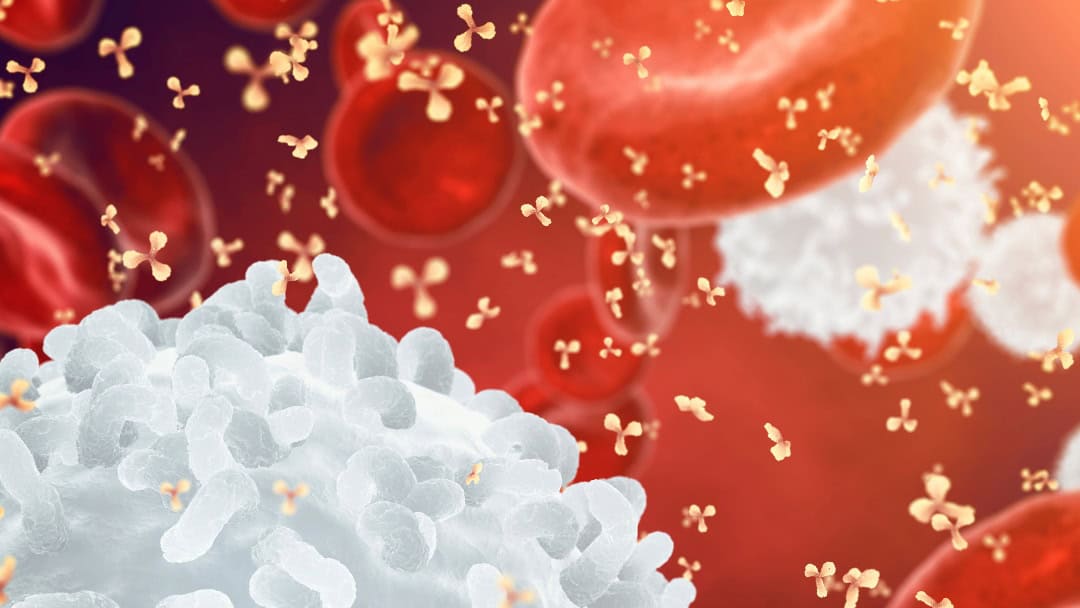
- Humoral immunity is a branch of the adaptive immunity that works through antibodies. When the body detects a foreign substance or antigen, such as a virus, bacterium, or toxin, B-cells produce antibodies that tag or help neutralize the threat. This branch of immunity is especially important for pathogens found in the blood, lymph, and other bodily fluids.
In a well-regulated immune system (one that is not overtaxed or under resourced). there is resolution, the response subsides, tissues recover, and memory T cells remain “on call” for future exposures as needed.
What Happens When “Helper Cells” Aren’t So Helpful?
T-helper cells are white blood cells that recognize threats and direct the immune response. They are designed to respond to threats in an efficient and effective manner and complete their tasks. Two types are particularly well known for helping, but also sometimes implicated in harm when the immune system is challenged by circumstances beyond their control. The roles of these two types of T-helper cells, Th1 and Th2, is described below:
Th1 Cells
These cells support cell-mediated immunity. They’re most active against viruses and bacteria that invade cells. When Th1 activity is in too high of a demand, it can get stuck or become chronically overactive and drive inflammation, which can show up as fatigue, brain fog, or tissue damage. Genetics, environmental exposures, and repeated infections can all push the immune system toward excess Th1 activity. Most health conditions involve several pathways at once, but some thought to be related to an imbalance in Th1 activity include:
- Type I diabetes
- Irritable Bowel Syndrome (IBS)
- Multiple sclerosis
- Low T3 syndrome
- Hashimoto’s thyroiditis
- Irritable Bowel Disorder (IBD)
- Grave’s disease
- Rosacea
- Crohn’s disease
- Alzheimer’s
- Psoriasis
- Polycystic Ovarian Syndrome (PCOS)
- Sjoren’s syndrome
Th2 Cells
These cells support humoral (antibody-based) immunity. They’re most active against parasites, toxins, and allergens. When Th2 activity is chronically overactive, it tends to drive allergic responses, including food sensitivities and conditions like asthma or eczema. Again, most health conditions involve several pathways at once, but some thought to be related to an imbalance in Th2 activity include:
- Lupus
- IgE related allergies
- Allergic dermatitis
- Nasal drip
- Scleroderma
- Airway constriction
- Atopic eczema
- Mucous
- Sinusitis
- Hay fever
- Inflammatory Bowel Disease (IBD)
- Increased stomach acid (GERD)
- Asthma
- Excess histamine
- Seasonal allergies
- Hives
- Cancer
- Chronic fatigue syndrome
- Ulcerative colitis
- Autism spectrum disorders
- Multiple chemical sensitivity
- Graves disease
What Happens When the Body Is Overloaded?
A healthy immune system should be able to keep Th1 and Th2 in balance, relying on just enough of either or both under the right circumstances – and be able to turn down the cascade of protective forces once a threat has passed. But what if the threat never passes, or becomes more intense, or compounded by other stressors? What if a body’s total load is too high or the resources needed to handle (and resolve) a stress become depleted?
The immune system may lose tolerance, become highly sensitive, or get stuck “ON” while bodily tissues become subject to collateral damage. It can look like a vicious cycle, more waste and destruction, the creation of new antigens, more demand on the already-taxed immune system, and more human tissue caught in the crossfire. In this situation, we may witness more “global-opathies,” autoantibodies, and conditions that we can’t connect to a single root cause. Examples of conditions that likely involve multiple immune pathways include:
- Autism
- ADHD
- IBS
- Heart disease
- Bipolar disorder
- Schizophrenia
- Obsessive Compulsive Disorder (OCD)
- Ulcerative colitis
- Carpel tunnel syndrome
- Diabetic neuropathy
Addressing the Root Causes of Immune Dysregulation
The immune system doesn’t just fight off colds. It plays a role in nearly every chronic condition, from autoimmune diseases to gut disorders and mental health. When something goes wrong in the body, the immune system is almost always involved, either as a responder or a contributor.
Understanding how the immune system functions such as how T-cells and B-cells communicate, how inflammation is triggered and resolved, how the body learns to distinguish “self” from “threat” gives you a framework for asking better questions. Instead of only treating symptoms, you can start asking “why” the immune system is dysregulated in the first place.
- Is it stuck in a state of chronic inflammation?
- Is it having a difficult time clearing an infection?
- Has it lost the ability to regulate itself?
Take another look at the list of what is affecting our children’s immune systems today.
- What might be a good starting place to investigate the root cause(s) of a child’s health condition?
- What steps could be taken to help lower a particular child’s total load or improve their tolerance, resiliency and reserves?
Without a foundational understanding of the immune system, we may rely on treatments that only address the surface or a few symptoms while the underlying root cause of a condition continues. With an appreciation for the immune system’s complexity and the multiple challenges of modern living, parents may be better equipped to identify root causes and pursue solutions for their children rather than just trying to manage their conditions.
About Heather Tallman Ruhm MD
Heather Tallman Ruhm MD is the Medical Director of the Documenting Hope Project. She is a Board Certified Family Physician whose primary focus is whole-person health and patient education. She draws on her conventional western training along with insights and skills from functional, integrative, bioregulatory and energy medicine. She believes in the healing capacities of the human frame and supports the power of self-regulation to help her patients recover and access vitality.

Still Looking for Answers?
Visit the Documenting Hope Practitioner Directory to find a practitioner near you.
Join us inside our online membership community for parents, Healing Together, where you’ll find even more healing resources, expert guidance, and a community to support you every step of your child’s healing journey.