
What Is Diarrhea?
Diarrhea is the body’s way of saying something in the gut needs attention. A short bout often clears an infection or irritant. But when loose stools linger or keep coming back, they usually point to deeper imbalances in the gut microbiome and the nervous system — and those can be addressed.
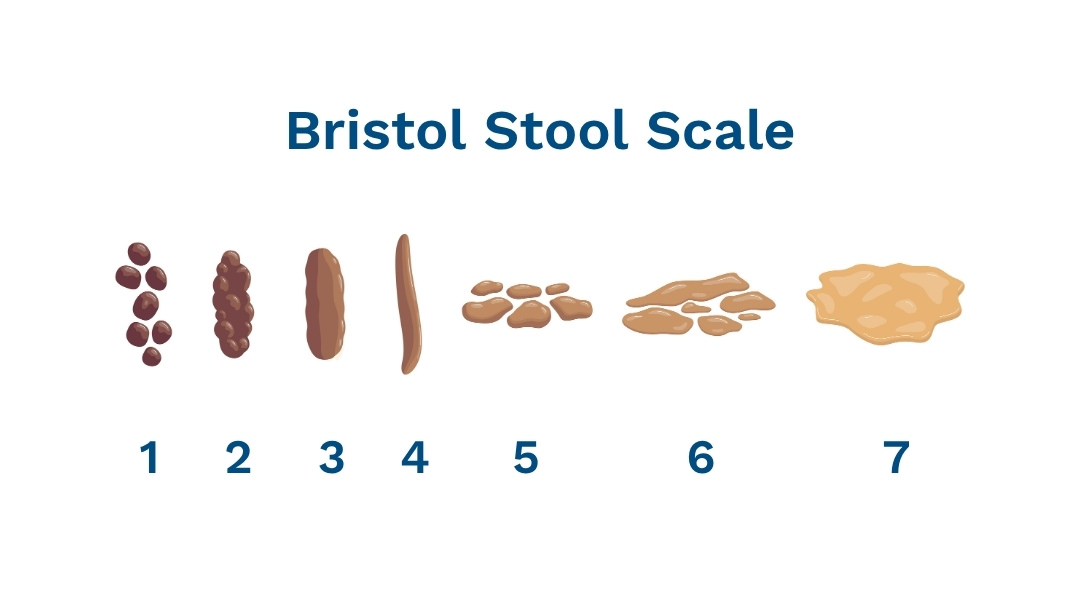
Diarrhea means loose, watery or unformed stools, usually three or more times a day. It is generally grouped by how long it lasts:
- Acute diarrhea lasts less than two weeks. It is most often caused by an infection and usually resolves on its own.
- Chronic diarrhea lasts more than four weeks. It calls for a closer look at root causes.
Signs and Symptoms of Diarrhea
Common signs that a child’s gut is struggling with diarrhea include:
- Loose, watery or mushy stools, often three or more times a day
- Urgency or difficulty making it to the toilet in time
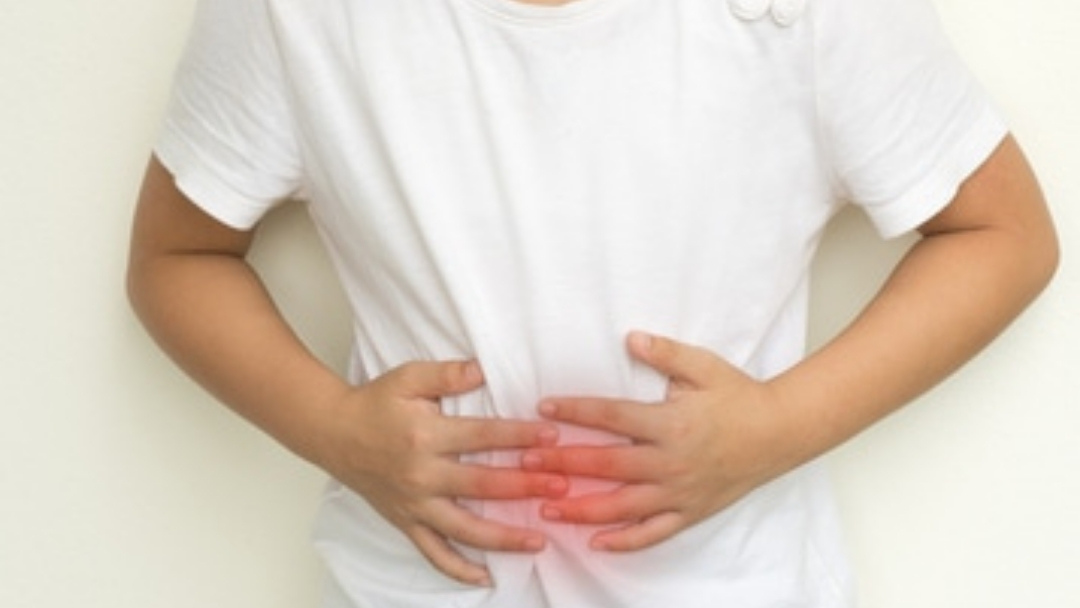
- Abdominal cramping, gas or bloating
- Undigested food in the stool
- Foul-smelling, greasy or frothy stools
- Alternating diarrhea and constipation
- Diaper rash or a red, irritated bottom
- Fatigue, irritability, poor sleep or changes in behavior
- Poor weight gain or slowed growth when diarrhea is chronic
Watch closely for signs of dehydration: fewer wet diapers or less urination, dry mouth, no tears when crying, sunken eyes, unusual sleepiness or dizziness.
What Your Doctor May Tell You About Diarrhea
Most doctors will tell you that your child’s diarrhea is “self-limiting”, meaning it should resolve on its own. They may recommend some strategies for managing the acute version. They will likely tell you to pay attention to hydration and to provide electrolyte drinks to your child. You may even be told about the “BRAT” diet which refers to bananas, rice, applesauce, and toast, but this advice has been phased out by most practices, even among old-school pediatricians. They might suggest you cut down on fruit, as excess fruit can contribute to diarrhea in some cases.
Another Way to Think about Diarrhea
Chronic loose stools, or stools that alternate between diarrhea and constipation, are often present in children who are later diagnosed with chronic conditions such as autism, ADHD, Sensory Processing Disorder, allergies, eczema, asthma, autoimmune disorders and mood disorders. Children with autism, for example, have more than three times the odds of chronic diarrhea compared with their peers.
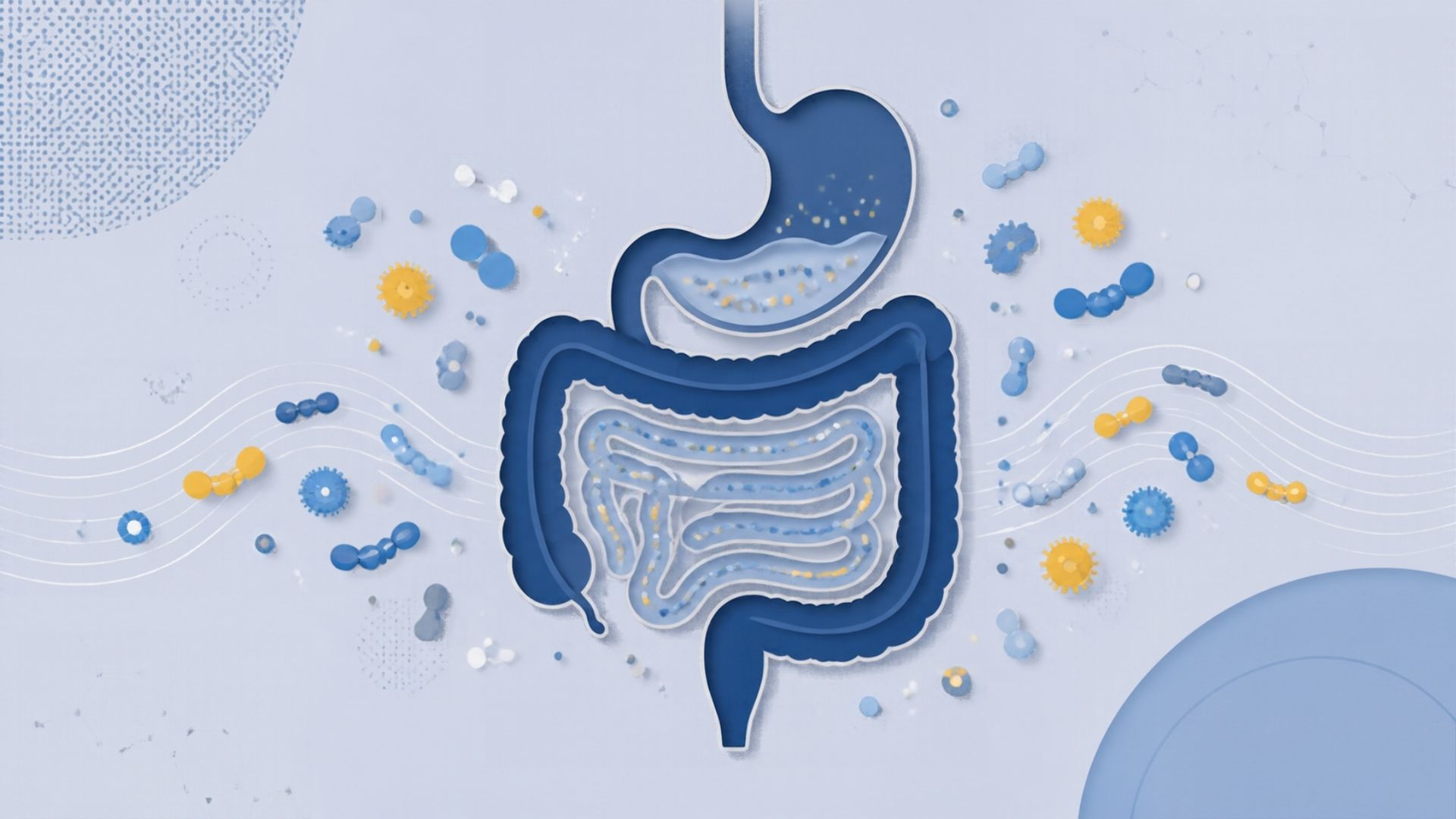
A shared feature across many causes of both acute and chronic diarrhea is dysbiosis, an imbalance in the gut microbiota. The hopeful part: the microbiome and nervous system can be supported, and many children’s guts heal when they are.
If diarrhea persists past the acute phase and turns into a chronic symptom, it is time to start looking at more complex root causes.
Root Causes: Why Does My Child Have Diarrhea?
Chronic diarrhea is rarely about one thing. It usually reflects several stressors adding up and is a red flag that the “total load” may be too great on a child’s body. Common contributors include:
An Imbalanced Microbiome (Dysbiosis)
A healthy, diverse microbiome protects against pathogens, helps digest food and keeps the gut lining strong. Diarrhea is closely linked to dysbiosis, and pathogen infections can tip the balance further. Overgrowth of yeast (such as Candida), Clostridia, C. difficile and other harmful pathogens or parasites can all drive loose stools.
Antibiotics and Other Medications
Antibiotics disrupt the microbial balance and commonly cause antibiotic-associated diarrhea. Repeated courses in early childhood can have lasting effects on the microbiome.
Infections
Viruses, bacteria and parasites are the most common cause of acute diarrhea but they can also become chronic and keep the gut lining irritated and cause chronic diarrhea.
A Leaky Gut (Increased Intestinal Permeability)
When the tight junctions of the gut lining loosen, partially digested food, microbes and toxins can pass through and trigger inflammation and immune reactions that keep the gut lining chronically inflamed.
Food Sensitivities and Malabsorption
While diarrhea associated with celiac disease is well known by most doctors and parents, non-celiac gluten sensitivity and sensitivities to dairy, soy and other foods can trigger diarrhea in some children. Trouble digesting lactose, fructose, fats or certain proteins, often from low digestive enzymes, can also cause loose stools.
Bile-Acid Imbalances
Gut microbes help process bile acids. When the microbiome is disrupted, bile-acid metabolism can shift and contribute to diarrhea.
Nervous-System Dysregulation and Stress
Stress, anxiety and an overactive “fight or flight” response can speed up the gut and increase sensitivity. (More on this below.)
Immune Dysregulation
Allergies, PANS/PANDAS, Lyme disease and other chronic infections can inflame the gut and lead to immune dysregulation.
Environmental Toxins
Pesticides such as glyphosate, heavy metals and other chemicals may disrupt the microbiome and the gut barrier.
Diet
Too much sugar, juice, artificial sweeteners, processed foods and additives can feed harmful microbes and pull water into the bowel.
Overflow from Constipation
Sometimes what looks like diarrhea is liquid stool leaking around a hard mass in the colon. If your child also withholds stool or has a hard belly, see our Constipation page.
The Gut–Brain Connection: Why the Nervous System Matters
The gut and brain talk constantly through the microbiota–gut–brain axis. Gut microbes, the enteric nervous system (the gut’s own “second brain”), the vagus nerve, immune cells and hormones all take part. The messenger serotonin plays a key role in both the gut and the brain, where it helps regulate gut movement, secretion and mood.
Stress Speeds Things Up
Many of us know the feeling of “nervous stomach” before a big event. In children with chronic stress, anxiety or an overactive “fight or flight” response, the gut can become faster, more sensitive and more reactive. Stress inhibits the vagus nerve, which normally helps calm inflammation and keep the gut lining tight.
The Vagus Nerve Protects the Gut
Through its anti-inflammatory pathway, a healthy vagus nerve dampens inflammation and reduces intestinal permeability, which in turn supports a healthier microbiome.
A Two-Way Street
In children, gut–brain disorders that cause diarrhea, pain or constipation are closely linked with altered gut microbiota, psychosocial stress, anxiety and behavioral challenges, and each can worsen the other.
This is why lasting relief comes from supporting both systems: rebuilding a healthy, diverse microbiome and helping a child’s nervous system feel safe enough to rest and digest.
Learn How to Calm Your Child with Our Nervous-System Regulation Guide
Before focusing on behavior, skills, academics, therapies, or expectations, it is often helpful to first address nervous-system regulation.
Nervous-system regulation is foundational to healing. The body cannot heal if it is in a state of stress or constant fight-or-flight. The body cannot heal if it doesn’t feel safe.
Common Solutions: A Root-Cause Approach
Anti-diarrheal medications such as Imodium (loperamide) slow the gut down, but they are not meant for long-term use or as a substitute for finding out why the diarrhea is happening. Work with your child’s practitioner on any medication decisions. The strategies below aim to calm, heal and rebalance the gut. Discuss them with your healthcare practitioner.
First, Protect Hydration
- Offer small, frequent sips of fluids. An oral rehydration or electrolyte solution replaces lost salts better than water alone.
- Homemade broths (bone broth or vegetable broth) provide fluids, minerals and gentle nourishment.
- Avoid juice, soda and sports drinks high in sugar, which can make diarrhea worse.
Rebalance the Microbiome
- Probiotics. The probiotic yeast Saccharomyces boulardii is well established as a way to reduce the duration of acute diarrhea in children. It is also believed to help support the gut barrier. Probiotics given alongside or after a course of antibiotics can help prevent antibiotic-associated diarrhea.
- Fermented foods. A diet rich in fermented foods can increase microbiome diversity and lower markers of inflammation. Start slowly with small amounts of sauerkraut juice, kefir, yogurt (dairy-free, if needed) or other fermented vegetables.
- Gentle, soluble fiber. Foods like cooked carrots, squash, applesauce, oats and green bananas help firm stools and feed beneficial microbes.
- Address overgrowth. If testing shows yeast, bacterial overgrowth or parasites, a practitioner can guide targeted, gentle treatment. Consider a TinyHealth microbiome test of a GI Map test to learn more about your child’s microbiome health.
Remove Triggers and Heal the Gut Lining
- Try an elimination diet. Removing common triggers such as gluten, dairy and soy for several weeks can reveal hidden sensitivities. Diets that lower fermentable carbohydrates (such as low-FODMAP) can reduce symptoms for some children, ideally short-term and with guidance, since they also change the microbiome.
- Cut back on sugar and processed foods. Reduce sweets, juice, artificial sweeteners and additives.
- Lower toxic exposures. Choose organic foods when possible, filter drinking water and avoid unnecessary chemicals in the home.
- Nourish the gut lining. Bone broth, collagen and the amino acid L-glutamine are traditionally used to support gut lining repair.
Calm and Regulate the Nervous System
- Rest and digest at meals. Eat in a calm setting, slow down and chew well.
- Engage the vagus nerve. Deep belly breathing, humming, singing, gargling, play and time in nature all support “rest and digest.”
- Reduce stress and protect sleep. Consistent routines, plenty of sleep, less screen time and loving connection help regulate stress hormones and the gut.
- Mind–body support. Approaches such as gut-directed hypnotherapy, mindfulness and cognitive behavioral therapy have been used for children with gut–brain disorders
Targeted Nutrients (with Practitioner Guidance)
- Zinc supports the gut lining and immune function, and can reduce the duration and severity of diarrhea in children.
- Digestive enzymes, including DPP-IV enzymes, can help break down hard-to-digest proteins such as gluten and casein.
- Vitamin D, vitamin A and omega-3 fats (such as cod liver oil) support the immune system and the gut lining.
Bodywork and supportive therapies
Chiropractic, osteopathy, craniosacral therapy and acupuncture can support nervous system regulation and gut function.
Investigate Deeper with Testing
For diarrhea that lingers or keeps returning, consider working with a practitioner on:
- Comprehensive stool analysis (microbiome, yeast, parasites, inflammation, digestion), general microbiome testing (such as a TinyHealth test)
- Food sensitivity testing and celiac screening
- Nutrient levels (zinc, iron, vitamin D, B12)
- Screening for PANS/PANDAS, Lyme disease and other chronic infections
When to Seek Help Right Away
Short bouts of diarrhea often pass with rest and fluids. Contact a healthcare provider promptly if your child has:
- Signs of dehydration (very few wet diapers, no tears, dry mouth, sunken eyes, unusual sleepiness)
- Blood or black, tarry material in the stool
- High fever, severe abdominal pain or repeated vomiting
- Diarrhea in an infant under 6 months
- Diarrhea lasting more than a few days, or weight loss
- Diarrhea after recent travel, a new medication or a course of antibiotics
About Beth Lambert
Beth Lambert is a former healthcare consultant and teacher. As a consultant, she worked with pharmaceutical, medical device, diagnostic and other health care companies to evaluate industry trends.
She is the author of A Compromised Generation: The Epidemic of Chronic Illness in America’s Children (Sentient Publications, 2010). She is also a co-author of Documenting Hope's Brain Under Attack: A Resource for Parents and Caregivers of Children with PANS, PANDAS, and Autoimmune Encephalitis. She is a co-author of Reversal of Autism Symptoms among Dizygotic Twins through a Personalized Lifestyle and Environmental Modification Approach: A Case Report and Review of the Literature, J. Pers. Med. 2024, 14(6), 641.

In 2009, Beth founded Documenting Hope and currently serves as Executive Director. Beth attended Oxford University, graduated from Williams College and holds a Masters Degree in American Studies from Fairfield University.
Still Looking for Answers?
Visit the Documenting Hope Practitioner Directory to find a practitioner near you.
Join us inside our online membership community for parents, Healing Together, where you’ll find even more healing resources, expert guidance, and a community to support you every step of your child’s healing journey.
Sources & References
Aggarwal, A., et al. Predominant symptoms in irritable bowel syndrome correlate with specific autonomic nervous system abnormalities. Gastroenterology. 1994 Apr;106(4):945-50.
Al-Beltagi, M., et al. Breaking the cycle: Psychological and social dimensions of pediatric functional gastrointestinal disorders. World J Clin Pediatr. 2025 Jun 9;14(2):103323.
Ali, A.A., et al. Zinc supplementation for acute and persistent watery diarrhoea in children: A systematic review and meta-analysis. J Glob Health. 2024 Dec 6:14:04212.
Altomare, A., et al. Diarrhea Predominant-Irritable Bowel Syndrome (IBS-D): Effects of Different Nutritional Patterns on Intestinal Dysbiosis and Symptoms. Nutrients. 2021 Apr 29;13(5):1506.
Bonaz, B., et al. The Vagus Nerve at the Interface of the Microbiota-Gut-Brain Axis. Front Neurosci. 2018 Feb 7:12:49.
Bresnahan, M., et al. Association of maternal report of infant and toddler gastrointestinal symptoms with autism: evidence from a prospective birth cohort. JAMA Psychiatry. 2015 May;72(5):466-74.
Browning, K.N. et al. Central nervous system control of gastrointestinal motility and secretion and modulation of gastrointestinal functions. Compr Physiol. 2014 Oct;4(4):1339-68.
Chakraborty, P.S., et al. Non-pharmacologic approaches to treatment of pediatric functional abdominal pain disorders. Front Pediatr. 2023 Jun 15:11:1118874.
Chitkara, D.K., et al. Abnormalities in gastrointestinal motility are associated with diseases of oxidative phosphorylation in children. Am J Gastroenterol. 2003 Apr;98(4):871-7.
Goldenberg, J.Z., et al. Probiotics for the prevention of Clostridium difficile-associated diarrhea in adults and children. Cochrane Database Syst Rev. 2017 Dec 19;12(12):CD006095.
Guo, Q., et al. Probiotics for the prevention of pediatric antibiotic-associated diarrhea. Cochrane Database Syst Rev. 2019 Apr 30;4(4):CD004827.
Hempel, S., et al. Probiotics for the prevention and treatment of antibiotic-associated diarrhea: a systematic review and meta-analysis. JAMA. 2012 May 9;307(18):1959-69.
Huang, R., et al. Efficacy of probiotics in the treatment of acute diarrhea in children: a systematic review and meta-analysis of clinical trials. Transl Pediatr. 2021 Dec;10(12):3248-3260.
Li, Y., et al. Gut Microbiota and Diarrhea: An Updated Review. Front Cell Infect Microbiol. 2021 Apr 15:11:625210.
Manza, F., et al. Non-Celiac Gluten/Wheat Sensitivity-State of the Art: A Five-Year Narrative Review. Nutrients. 2025 Jan 8;17(2):220.
Marasco, G., et al. Diarrhea management: from pathophysiology to microbiota modulation. Ther Adv Gastroenterol. 2026 Feb 22:19:17562848261424324.
Margulis, K.G., et al. The Microbiota-Gut-Brain Axis: From Motility to Mood. Gastroenterology. 2021 Apr;160(5):1486-1501.
Martens, U., et al. Probiotic treatment of irritable bowel syndrome in children. Ger Med Sci. 2010 Mar 2;8:Doc07.
McElhanon, B.O., et al. Gastrointestinal symptoms in autism spectrum disorder: a meta-analysis. Pediatrics. 2014 May;133(5):872-83.
Szajewska, H., et al. Meta-analysis: Saccharomyces boulardii for treating acute diarrhoea in children. Aliment Pharmacol Ther. 2007 Feb 1;25(3):257-64.
Szajewska, H., et al. Systematic review with meta-analysis: Saccharomyces boulardii for treating acute gastroenteritis in children-a 2020 update. Aliment Pharmacol Ther. 2020 Apr;51(7):678-688.
Szyller, H., et al. Sleep, Stress, Circadian Rhythm, and Diet in Pediatric Disorders of Gut-Brain Interaction: A Narrative Review. Nutrients. 2026 Aug 24;18(17):2768.
Terciolo, C., et al. Beneficial effects of Saccharomyces boulardii CNCM I-745 on clinical disorders associated with intestinal barrier disruption. Clin Exp Gastroenterol. 2019 Feb 11:12:67-82.
Wastyk, H.C., et al. Gut-microbiota-targeted diets modulate human immune status. Cell. 2021 Aug 5;184(16):4137-4153.e14.
Ye, C., et al. Pesticide Residues, Gut Microbiota, and Gastrointestinal Outcomes: A Scoping Review of Human Evidence. Compr Rev Food Sci Food Saf. 2026 Sep;25(5):e70622.
Zhan, K., et al. Gut Microbiota-Bile Acid Crosstalk in Diarrhea-Irritable Bowel Syndrome. Biomed Res Int. 2020 Nov 12:2020:3828249.