
Understanding Speech, Language, and Communication Challenges: A Whole-Child Perspective
Communication is one of the most fundamental ways humans connect, from expressing needs and sharing ideas to building relationships and participating in our communities.
Speech, language, and communication develop through a complex interplay of biological, neurological, motor, sensory, and environmental systems, including the child’s daily experiences, caregiver interactions, communication models, and learning opportunities. There is a typical developmental trajectory for how these systems develop, but each child moves along that path in their own way and at their own pace. When one or more of these systems is still developing or under strain, communication may unfold in ways that differ from what is considered typically developing.
Speech, language, and communication disorders affect individuals of all ages and backgrounds and can range from mild differences to more significant challenges. Understanding these differences and how professionals and families can support meaningful communication helps ensure that every person’s voice is acknowledged and valued.
Speech-language pathologists (SLPs) are trained professionals who assess, diagnose, prevent, and treat speech, language, and communication across the lifespan. They consider how a child’s communication is developing across all of these systems and work with families to support functional, meaningful communication in everyday life. While speech-language pathologists work across the lifespan, this article focuses specifically on speech, language, and communication challenges in children.
Speech vs. Language: Why the Difference Matters
Though often grouped together, speech and language are distinct components of communication.
- Speech refers to the physical motoric production of sounds, including clarity, fluency, prosody (rhythm and intonation), voice quality, and articulation.
- Language refers to the system of meaning, how a child understands others and expresses thoughts using words, grammar, and concepts.
While speech and language challenges may co-occur, a child may have difficulty with one without the other. Some children may speak clearly but struggle with expressive language and/or receptive language. Others may understand language well but have difficulty coordinating the motor movements, from the brain to mouth needed for speech (and/or difficulty with the sensory feedback from mouth to brain, which influences oral motor planning for speech).
Receptive vs. Expressive Language
Language is often understood in two main areas:
- Receptive language – understanding spoken or written language
- Expressive language – using words, signs, or other forms to communicate thoughts and needs
Children may develop these skills unevenly. Some understand significantly more than they can express, while others may speak but have difficulty processing or comprehending language. SLPs assess both areas to guide appropriate support.
What Are Speech-Language and Communication Disorders?
Speech-language and communication disorders include a broad range of conditions that impact how a child produces sounds, understands language, expresses themselves, and uses language socially. These challenges may occur on their own, co-occur with each other, and/or alongside other neurodevelopmental or medical conditions.
In practice, SLPs consider all aspects of communication, including:
- Speech – the physical motor movements and production of sounds and words
- Language – systems of meaning, including vocabulary, grammar, and comprehension
- Social Communication (Pragmatics) – how language (including nonverbal language) is used across social contexts
- Cognitive-Communication – how attention, memory, and cognitive skills support communication
Broad Categories of Communication Disorders
SLPs work across a wide range of communication challenges, including:
- Speech Sound Disorders – difficulty producing speech sounds clearly or using speech sound patterns as developmentally expected
- Motor Speech Disorders – difficulty planning, coordinating, or executing the movements needed for speech, such as Childhood Apraxia of Speech (CAS) or dysarthria difficulty planning, coordinating, or executing the movements needed for speech, such as childhood apraxia of speech or dysarthria
- Fluency Disorders – disruptions in the flow of speech, such as stuttering
- Voice Disorders – differences in pitch, volume, or vocal quality
- Language Disorders – challenges with understanding and/or using language, including vocabulary, grammar, sentence structure, and comprehension
- Social (Pragmatic) Communication Difficulties – difficulty using language (nonverbal, spoken, or written) and communication effectively in social interactions
- Cognitive-Communication Disorders – communication challenges related to attention, memory, problem-solving, or organization
Speech, Language, and Literacy Development
Speech and language development form the foundation for literacy skills. Reading and writing are not separate from language development. Instead, they build directly on a child’s ability to understand and use language.
When a child has speech or language challenges, literacy development may also be impacted. This can include but are not limited to:
- Difficulty with speech sound development affecting phonological awareness
- Limited vocabulary affecting reading comprehension
- Grammar and sentence structure challenges affecting both reading and writing
- Difficulty processing spoken language making classroom learning more demanding
- Difficulty with inferencing skills affecting understanding implied meaning, making predictions, and drawing conclusions from language and text
Some children experience language-based literacy disorders, where underlying speech and language difficulties significantly impact reading and writing development. These challenges may be part of broader learning differences often referred to as learning disabilities, such as dyslexia.
In these cases, literacy difficulties are not separate from language development but are closely connected to how the brain is processing and organizing language. Difficulties with phonological awareness, vocabulary development, grammar, and language comprehension can all influence a child’s ability to decode text, understand what they read, and express ideas in writing.
From an SLP perspective, these patterns reflect the strong overlap between speech and language skills with literacy development. Supporting underlying language skills is often a key part of intervention, and SLPs (primarily school-based) may work closely with educators and other professionals to support children with language-based learning differences in both spoken and written language domains.
When and How to Prioritize Speech & Communication Support
Prioritizing support for speech, language, and communication does not follow a strict formula. It involves understanding a child’s current communication needs, where they are developmentally, and what will be most helpful and meaningful in their daily life. Speech-language pathologists consider the wants and needs of the child and family, how a child is communicating across settings, what may be helping or getting in the way of progress, and which communication skills will have the greatest impact on their quality of life, participation, connection, and independence.
Speech-language intervention is often most effective when it is matched to where the child is developmentally and responsive to how communication is actually showing up in real life, not just in structured testing and therapy sessions. Because communication is closely tied to learning, relationships, and daily participation, priorities may shift over time as a child’s needs and abilities change. This is why ongoing diagnostic treatment with an SLP in collaboration with families and other professionals are such important parts of the process.
Part of this prioritization process may also involve looking beyond communication skills alone and considering the foundational systems that support communication development in the first place. Supporting communication effectively means understanding not only skills, but also developmental readiness. Foundational supports such as nervous system regulation, sensory processing, movement, motor skills (gross motor and fine motor, including oral motor), and more, all contribute to a child’s ability to develop and communicate.
Another Way to Think About Speech, Language and Communications Challenges
While communication-focused therapy remains central, many SLPs also recognize that a child’s ability to engage in communication is influenced by broader developmental and physiological systems.
Speech, language, and communication are among the most complex skills a child develops, building on a foundation of earlier-developing systems. These include nervous-system regulation, sensory processing, movement and postural control, motor coordination, attention, and overall physiological stability. Communication does not develop in isolation; it emerges and develops as these foundational systems develop and begin to work together over time.
Each of these systems needs enough energy and foundational biological support to develop and function. The brain and body depend on steady nourishment, stable energy, and internal balance to support the communication networks involved in speech, language, and communication.
Children also need a nervous system that is regulated enough to support their attention, interactions, motor coordination, and readiness for learning. If a child is spending much of the day in a state of fight or flight (or freeze or fawn), sensory overload, fatigue, or just generally not feeling well, speech and language learning may be harder to access, even when the underlying potential for communication is there.
From this perspective, communication challenges are not viewed as isolated issues, but as signals that can help us better understand how a child’s system is functioning as a whole. Supporting communication therefore includes considering physiological, nutritional, and nervous system influences alongside direct speech-language intervention.
These factors may include but are not limited to:
- Nervous-system dysregulation, chronic stress activation, or sensory overload that affects attention, regulation, engagement, and communication readiness
- Mitochondrial or energy-related challenges, including cell danger response, that can impact energy availability, endurance, and communication efficiency
- Nutritional factors such as zinc, iron, B vitamins, and choline
- Inflammation or gut-related imbalances affecting regulation and cognition
- Environmental and physiological stressors including but certainly not limited to sleep disruption or chronic illness
Addressing these influences does not replace speech-language therapy. Instead, it supports the child’s capacity to engage more fully in communication development. In many cases, foundational supports and direct speech-language intervention work best together, rather than separate or strictly sequential approaches.
When the body and nervous system have what they need to feel supported and regulated, communication development becomes more accessible.
For a broader look at how foundational supports fit into the bigger picture of developmental therapy planning, families may also find our article on how to prioritize therapies for autism, SPD, ADHD, and other neurodevelopmental conditions helpful.
How Speech-Language Support Works
SLPs begin with a comprehensive assessment to understand a child’s unique strengths, needs, and the underlying systems that may be supporting or impacting communication. This process looks beyond isolated skills to better understand how a child communicates across different environments, relationships, and daily life.
SLPs also consider what is meaningful and functional in the child and family’s everyday life, including how a child expresses needs and preferences, connects with others, participates in play, and engages in daily activities. Understanding what matters most to the child and family helps ensure that goals are practical, relevant, and functional for communication beyond the therapy session.
Communication is not only viewed as a set of discrete skills to be mastered, but as a foundation for participation, independence, connection, and quality of life. From this perspective, the focus is not just on how a child communicates, but also on how communication supports engagement, relationships, and belonging. These priorities guide intervention planning and should evolve over time as the child grows.
Depending on the child’s needs, intervention may include, but is not limited to:
- Play-based early intervention to support foundational communication within natural, meaningful interactions
- Language intervention targeting receptive and expressive language, including vocabulary development, grammar, comprehension, and more
- Speech sound therapy and motor planning for speech to support speech clarity, sound development, and coordinated speech movements
- Social communication intervention to support pragmatic language skills, including interaction, reciprocity, and flexible use of language with others
- Fluency and voice therapy when speech fluency or vocal function impact overall communication effectiveness
- AAC (Augmentative and Alternative Communication) evaluation and intervention to support functional communication when verbal speech alone is too difficult
- Parent and caregiver coaching to support generalization of strategies into daily routines and environments
- Collaboration with other professionals when a coordinated approach is indicated
Therapy is individualized and informed by evidence-based practice, clinical expertise, and family priorities, and is designed to align with each child’s developmental level, communication style, and functional communication goals within everyday environments.
A Respectful, Strengths-Based Approach
Whether a child communicates using spoken words, gestures, sign language, AAC technology, spelling-based communication methods, or multiple modes, every form of communication is valid.
A total communication approach may be supportive by incorporating multiple modalities such as speech, gestures, facial expression, sign language, AAC systems, and other forms of expression. AAC can support communication access, reduce frustration, and increase opportunities for connection. It is not a last resort and contrary to popular belief, it does not prevent speech or language development. In fact, it promotes it!
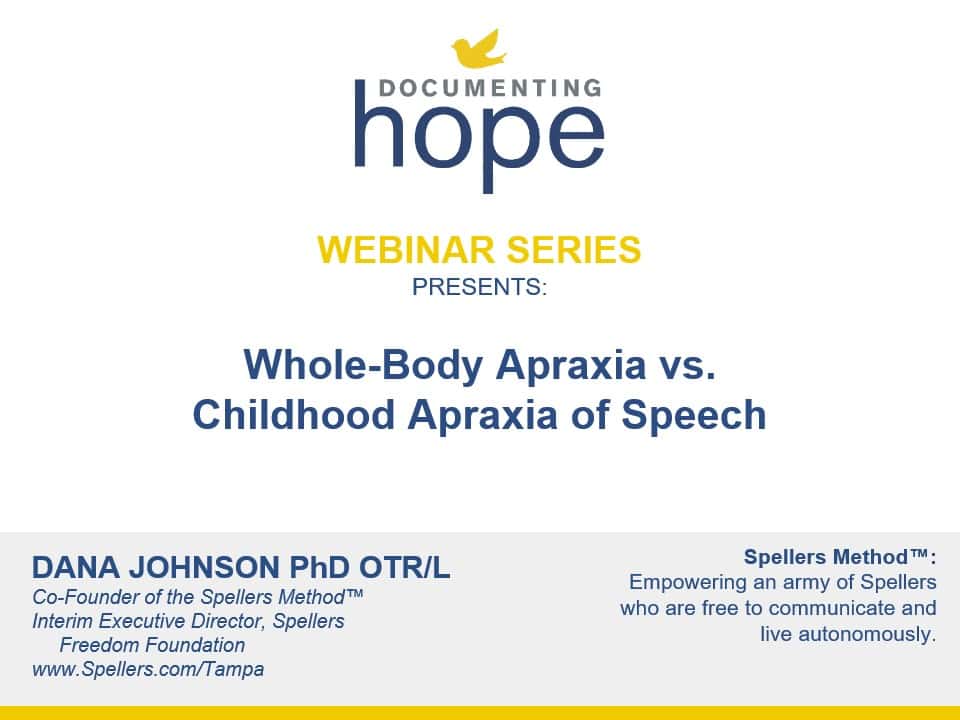
For some individuals, communication differences may involve broader motor planning challenges, including conditions such as Childhood Apraxia of Speech (CAS) or Whole-Body Apraxia, where motor coordination affects speech and other voluntary movements. In these cases, communication may require approaches that reduce motor demands and expand access to alternative expressive pathways.
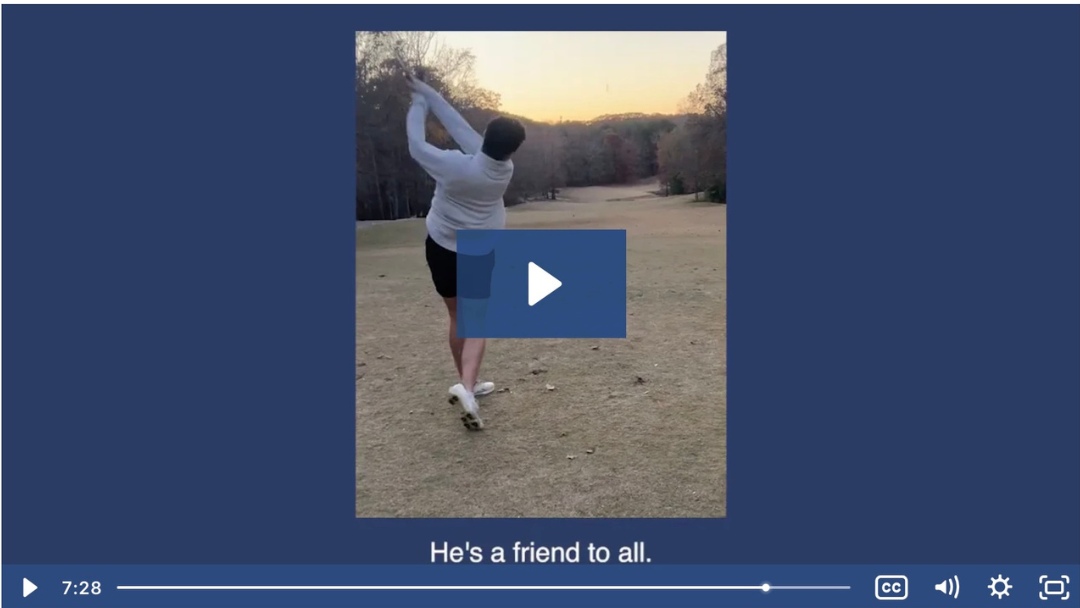
An increasing number of parents of children who are nonspeaking, minimally speaking, or unreliably speaking, many of whom have Developmental Coordination Disorders or Whole-Body Apraxia (also sometimes referred to as Global or Generalized Motor Apraxia) and/or autism with significant communication support needs, have been exploring and sharing success with spelling-based or letterboard communication systems over the past decade. While this area is still evolving within the clinical and research landscape, families are sharing meaningful communication gains when spelling-based systems are used alongside other supports.
A strengths-based approach recognizes and builds upon each child’s unique abilities while providing the supports they need to communicate effectively. It begins by presuming competence and supporting access to communication through multiple modalities. The goal is to foster authentic connection, functional communication, meaningful participation, and autonomy.
When to Seek Support
If a child experiences challenges with speaking, understanding, or using language effectively at any stage, a licensed SLP can help better understand their communication strengths and needs and support access to strategies that improve functional communication in everyday life. SLPs work in schools, clinics, hospitals, private practice, and community settings, often collaborating with families and other professionals to support communication in natural environments.
Families of children with autism may also find our article on speech, language, and communication therapies for autism helpful for exploring autism-specific communication supports.
A Whole-Child Perspective on Communication
Communication is fundamental to human dignity. Supporting diverse ways of communicating while also considering the foundations that underlie communication, including nervous system regulation, sensory processing, movement and motor development, physiological stability, and nutritional influences, helps create the conditions for communication to develop and strengthen. When interventions are thoughtfully prioritized, this approach supports connection, participation, and belonging for children of all abilities, whether they have isolated speech-language challenges or co-occurring developmental or health needs.
Supporting communication means supporting the whole child. While speech-language therapy plays an essential role, many families also find it helpful to learn about the foundational factors that influence development, including nutrition, nervous system regulation, movement, sleep, and overall physiological health.
About Shandy Watters (Laskey) MA CCC-SLP FNTP
Shandy Watters (Laskey) is an integrative speech-language pathologist and pediatric feeding specialist, as well as a Functional Nutritional Therapy Practitioner, and Documenting Hope Health Coach.
She is a fierce nutrition advocate for children impacted by complex picky eating, neurodevelopmental disorders, and special needs. She is continuously advancing her knowledge in functional and bio-individual nutrition therapies for these specific demographics of children.

Shandy is the founder and CEO of Speaking of Health & Wellness, LLC. Through her own health and wellness journey, she learned the profound impact of nutrition and lifestyle on cognition and overall well-being first hand. Shandy has an intense passion for integrating holistic nutrition and lifestyle strategies into her work with families. She provides virtual and local parent coaching to guide families on identifying ways to address the underlying causes of their child’s condition and/or related symptoms, while also teaching integrative strategies for learning, behavior, communication and mealtimes.
Still Looking for Answers?
Visit the Documenting Hope Practitioner Directory to find a practitioner near you.
Join us inside our online membership community for parents, Healing Together, where you’ll find even more healing resources, expert guidance, and a community to support you every step of your child’s healing journey.
Sources & References
Adam, G., et al. The influence of choline treatment on behavioral and neurochemical autistic-like phenotype in Mthfr-deficient mice. Transl Psychiatry. 2020 Sep 18;10(1):316.
Bauer, A.Z., et al. Prenatal paracetamol exposure and child neurodevelopment: A review. Horm Behav. 2018 May:101:125-147.
Borre, Y.E., et al. Microbiota and neurodevelopmental windows: implications for brain disorders. Trends Mol Med.2014 Sep;20(9):509-18.
Cardinal, D.N., et al. The Maturing of Facilitated Communication: A Means Toward Independent Communication. Res. Pract. Persons Severe Disabil. 2014; (39)189–194.
Courchesne, V., et al. Autistic children at risk of being underestimated: school-based pilot study of a strength-informed assessment. Molecular Autism. 2015 Mar 6;6:12.
Frye, R.E., et al. Folinic acid improves verbal communication in children with autism and language impairment: a randomized double-blind placebo-controlled trial. Mol Psychiatry. 2018 Feb; 23(2): 247–256.
Gabis, L.V., et al. Improvement of Language in Children with Autism with Combined Donepezil and Choline Treatment. J Mol Neurosci. 2019 Oct;69(2):224-234.
Hamlin, J.C., et al. Dietary intake and plasma levels of choline and betaine in children with autism spectrum disorders. Autism Res Treat. 2013;2013:578429.
Jadavji, N.M., et al. B-vitamin and choline supplementation increases neuroplasticity and recovery after stroke. Neurobiol Dis. 2017 Jul;103:89-100.
Jaswal, V.K., et al. Eye-tracking reveals agency in assisted autistic communication. Scientific Reports. 2020 May 12;10(1):7882.
Koegel, L.K., et al. Definitions of Nonverbal and Minimally Verbal in Research for Autism: A Systematic Review of the Literature. J Autism Dev Disord. 2020 Aug;50(8):2957-2972.
Langley, E.A., et al. High maternal choline consumption during pregnancy and nursing alleviates deficits in social interaction and improves anxiety-like behaviors in the BTBR T+Itpr3tf/J mouse model of autism. Behav Brain Res. 2015 Feb 1;278:210-20.
Morris, C.R., et al. Syndrome of allergy, apraxia, and malabsorption: characterization of a neurodevelopmental phenotype that responds to omega 3 and vitamin E supplementation. Alternative Therapies in Health and Medicine. Jul-Aug 2009;15(4):34-43.
Resseguie, M.E., et al. Aberrant estrogen regulation of PEMT results in choline deficiency-associated liver dysfunction. J Biol Chem. 2011 Jan 14;286(2):1649-58.
Schlosser, R.W., et al. Effects of augmentative and alternative communication intervention on speech production in children with autism: a systematic review. Am J Speech Lang Pathol. 2008 Aug;17(3):212-30.
Shriberg, L.D., et al. Estimates of the prevalence of speech and motor speech disorders in persons with complex neurodevelopmental disorders. Clin Linguist Phon. 2019;33(8):707-736.
Skripuletz, T., et al. The choline pathway as a strategy to promote central nervous system (CNS) remyelination. Neural Regen Res. 2015 Sep;10(9):1369-70.
Warner, B.B. The contribution of the gut microbiome to neurodevelopment and neuropsychiatric disorders. Pediatr Res. 2019 Jan;85(2):216-224.
Woodbury, M.L., et al. Examining the relationship of acetaminophen use during pregnancy with early language development in children. Pediatr Res. 2023 Dec 11.
Zaigham, M., et al. Prelabour caesarean section and neurodevelopmental outcome at 4 and 12 months of age: an observational study. BMC Pregnancy and Childbirth. 2020 (20)564.
Zeisel, S.H. Choline: Critical Role During Fetal Development and Dietary Requirements in Adults. Annu Rev Nutr.2006;26:229-50.
Resources
Apps
Articles
Bronston, Berri. Devoted dad is partner in autistic graduate’s success. 22 May 2018, Tulane News.
Kedar, Ido. I Was Born Unable to Speak, and a Disputed Treatment Saved Me. 23 Sep 2018, Wall Street Journal.
Books
Chinitz, Judy Hope. Spellbound: The Voices of the Silent. Independently published, 2023.
Gaivin, Dawnmarie, et al. The Spellers Guidebook: Practical Advice for Parents and Students. Skyhorse, 2023.
Handley, J.B., and Handley, Jamison. Underestimated: An Autism Miracle. Skyhorse, 2021.
Kedar, Ido. Ido in Autismland: Climbing Out of Autism’s Silent Prison. 2012, Sharon Kedar.
Mukhopadhyay, Soma. Understanding Autism through Rapid Prompting Method. 2008, Outskirts Press.
Mukhopadhyay, Tito Rajarshi. How Can I Talk If My Lips Don’t Move?: Inside My Autistic Mind. Arcade, 2011.
Peña, Diego. Anatomy of Autism: A Pocket Guide for Educators, Parents, and Students. 2017, CreateSpace Independent Publishing Platform.
Peña, Edlyn Vallejo. Leaders Around Me: Autobiographies of Autistics who Type, Point, and Spell to Communicate. 2019, independently published.
Sando, Julie. Small Steps, Big Impact: A Progress Playbook For Communication Partners. 2020, independently published.
Starling, Tori. Voice of Truth: A Mother's Journey to Help Her Son Heal from Apraxia of Speech. Juniper Ray Publishing, 2024.
Devices
Logitech Keys-to-Go Portable Wireless Keyboard for Apple
Podcasts
Schools That Use Assistive Technologies
Videos
UnderEstimated: The Heroic Rise of Nonspeaking Spellers
Websites
California Lutheran University Autism and Communication Center
Growing Kids Therapy Center (GKTC)
Helping Autism through Learning and Outreach (Soma RPM)
The International Association for Spelling as Communication (I-ASC)