What Is a Clean Diet?
A clean diet is one that consists of organic whole foods that are uncontaminated and free of additives and preservatives.
A Clean Diet Does Not Include Genetically Modified Organisms (GMOs)
Today, 60-70% of processed foods contain genetically engineered ingredients. Genetically modifying an organism involves cutting genes out from one organism and inserting them into another. Although scientists can pinpoint what they want to extract, placing that gene into the DNA of another organism is completely random.
Scientists do not yet fully understand living systems thoroughly enough to perform this DNA surgery without creating mutations which could be harmful to the environment and our health.
Currently, there is no data on the long term safety of GMO’s. Scientists are finding that GMO’s can cause mutations in an organism that when ingested, can be toxic to the body. In addition to the danger posed by these toxins, GMO’s may be implicated in the provocation of allergic reactions.
GMO foods may also cause bacteria to become resistant to antibiotics, creating the potential for new, untreatable diseases. To a food company, a benefit to producing transgenic foods is that they have the ability to “keep” on store shelves for longer, even though they may be nutritionally anemic.
Avoiding foods containing genetically modified organisms is an important step towards getting healthy. Most common sources of food containing GMO’s are:
- Soybeans
- Corn
- Cottonseed
- Sugar beets
- Canola oil
Dairy and beef from cows injected with the genetically engineered hormone rBGH/rBST or fed genetically modified grains are also a significant source of GMO consumption. Products labeled 100% organic do not contain GMO’s under current law. If the label does not say 100% organic, it can contain up to 30% GMO’s.
A Clean Diet Includes Organic Produce
Organic farming and conventional farming practices may both yield fruits and vegetables; however, the differences in these methods result in end products that are quite different.
A fundamental difference is that conventional farmers may implement genetic-engineering practices while organic farmers cannot. Conventional farmers can apply chemical fertilizers to the soil, spray crops with insecticides and pesticides and use synthetic herbicides to control weed growth. Chemical fertilizers are often made from recycled industrial waste.
In tests of fertilizers from states such as Minnesota and Washington, all were shown to contain high levels of toxins such as mercury, lead, arsenic, aluminum and antimony. Other studies (see Sources & References, below) show a link between exposure to these fertilizers and preterm births, birth defects and cancer. It also poses harm to our environment in the form of increased pollution of groundwater by pesticides and fertilizers.
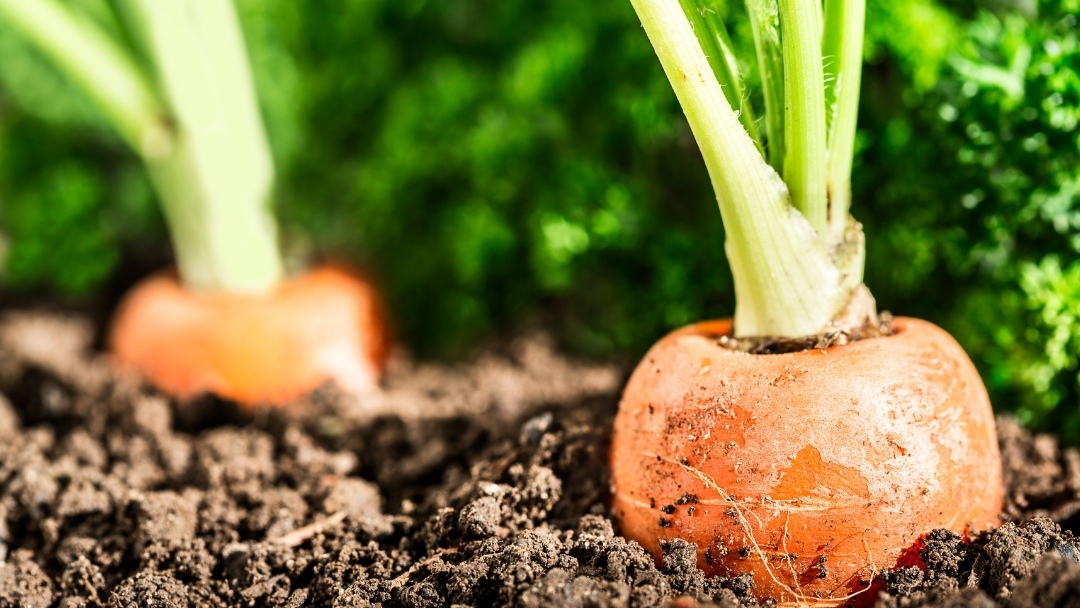
Organic farmers use natural fertilizer (such as manure or compost) to feed the soil, insect predators (such as ladybugs) and barriers to protect crops from pests. In addition, they use crop rotation, mulches and hand-weeding as methods to reduce weed growth. Not only do these practices remove the danger of harmful chemicals and grow nutrient-dense produce but they also promote bio-diversity through all levels of the food chain.
The good news is that it is getting easier and easier to find organic produce. Many grocery stores are now carrying a wide variety of organics.
You may think that organics are cost prohibitive, but there are economical alternatives. There are many wonderful fruit and vegetable CSA’s (Community Supported Agriculture) that one can join and usually involve picking up your fresh produce once a week.
Another option is to visit your local farmer’s market for locally grown organic goods. Supermarkets are also now carrying frozen organic fruits and vegetables. Or, you can become a bit of a land steward and grow your own. See resources here: https://www.localharvest.org/ and https://www.ewg.org/foodnews/
A Clean Diet Includes Grass-Fed, Pasture-Raised or Organic Animal Proteins
Animal proteins such as beef, chicken, turkey and eggs are an important part of a healthy diet, yet there are strong differences between the grain-fed and grass-fed varieties.
Virtually all the meat, eggs, and dairy products that you find in the supermarket come from animals raised in confinement in large facilities called CAFOs (Confined Animal Feeding Operations). These animals are fed a grain diet predominantly of soy and corn. This poses three main problems:
- The soy and corn that they are fed are usually genetically engineered and therefore, passing all of the dangers of GMO’s onto the consumer.
- Because these crops are GMO crops, they are designed to withstand high levels of pesticides, which then get passed on when people eat these meats.
- The other problem is that these animals are meant to graze on grass (which is high in omega-3’s). When they are not able to do so, they fall sick and routinely need to be treated with antibiotics.
When you choose grass-fed, pasture-raised or organic proteins, you are reducing your consumption of GMO’s, growth hormones and antibiotics.
There are also direct health benefits to this choice. Grass-fed and pasture-raised proteins are lower in fat and calories than their grain-fed counterparts. They are also two to four times higher in omega-3 fatty acids, which are considered good fats that contribute to cardiovascular and brain health.
Grass-fed beef can have as much as four times more vitamin E than grain-fed beef. Vitamin E plays an important role in skin health as it protects skin cells from UV light, pollution and other elements that produce cell damage and free radicals. It can also be a critical nutrient for those with mitochondrial dysfunction.
Meats from grass-fed animals are the richest known source of conjugated linoleic acid (CLA), which have been shown to reduce cancer risks in humans.
Grass-fed, free-range organic varieties are the gold standard for animal protein and can be more costly. Some ways that you can save are by joining a local farm CSA (community supported agriculture) in which you pay a set fee at set intervals and receive the product, usually frozen, directly from the farm. You can also find a local farm and buy a share of the livestock (e.g., buy a quarter of a cow) at a discounted rate. Your local farm may also have poultry and eggs for sale. For further information: www.eatwild.com
A Clean Diet Chooses Fish Carefully
Eating fish contaminated with mercury, a poison that interferes with the brain and nervous system, can cause serious health problems, especially for children and pregnant women. Children under six, as well as women who are pregnant or planning to become pregnant, are the most vulnerable to mercury’s harmful effects. They should restrict or eliminate fish from their diet, including:
- Ahi or bigeye tuna
- Tilefish
- Swordfish
- Shark
- King mackerel
- Marlin
- Orange roughy
- Fish caught in any waters that are subject to a mercury advisory
Women with elevated mercury levels should ideally begin avoiding or restricting their consumption of mercury-laden fish as much as a year before they become pregnant. To be safest, however, the Green Guide and the Environmental Working Group recommend limiting moderate-mercury fish to one meal a month, and bypassing high-mercury fish completely.
Other toxins to be wary of in farm-raised fish are PCBs, dioxins, pesticides, PBDEs and dyes. Aquafarmers must combat lethal sea lice infestations and use pesticides and antibiotics to do so. The residual presence of these drugs in human food products poses the real risk of developing antibiotic-resistant bacteria, which gets passed on to the consumer.
Eat SMASH Fish Instead
If you choose to eat fish and/or other seafood, wild-caught is typically a the cleaner and safer choice over farm-raised fish options. When selecting fish and seafood, a simple acronym can help you remember some of the healthiest choices: SMASH fish. SMASH stands for:
- Salmon
- Mackerel (choose Atlantic or Pacific mackerel – not King mackerel, which is higher in mercury)
- Anchovies
- Sardines
- Herring
These cold-water, oily fish are naturally rich in omega-3 fats EPA and DHA, which play essential roles in brain development, nervous-system function, vision, immune health, and helping to regulate inflammation. They are also excellent sources of high-quality protein, vitamin D, selenium, iodine, vitamin B12, and other important nutrients.
Another advantage of SMASH fish is that they tend to be lower in mercury than larger predatory fish. Most are smaller, shorter-lived species that occupy lower positions in the food chain, so they accumulate fewer environmental contaminants over their lifetimes. This makes them an excellent choice for children, pregnant and breastfeeding mothers, and anyone looking to enjoy seafood regularly while minimizing mercury exposure.
Whenever possible, choose wild-caught seafood over farmed varieties, particularly wild Alaskan salmon, Pacific sardines, Atlantic or Pacific mackerel, anchovies, and herring. Aim to include a variety of these fish in your family’s weekly meals as part of a nutrient-dense, whole-food diet.
For further information: https://www.seafoodwatch.org/recommendations, https://www.nrdc.org/, https://www.edf.org/
A Clean Diet Avoids Processed Foods, Preservatives and Additives
Food producers use preservatives in some processed foods to ensure that they do not spoil. However, they can be very dangerous to people sensitive to chemicals. Studies have shown preservatives and additives to cause hyperactivity, asthma, allergies, autoimmune disorders and eczema. They have also been linked to birth defects, heart problems, gastrointestinal distress and cancer.
Be sure to read ingredient lists on all foods. The Feingold diet is an excellent diet to follow to learn more about the “food” ingredients to avoid. Here is a list to help spot harmful preservatives and additives in processed foods:
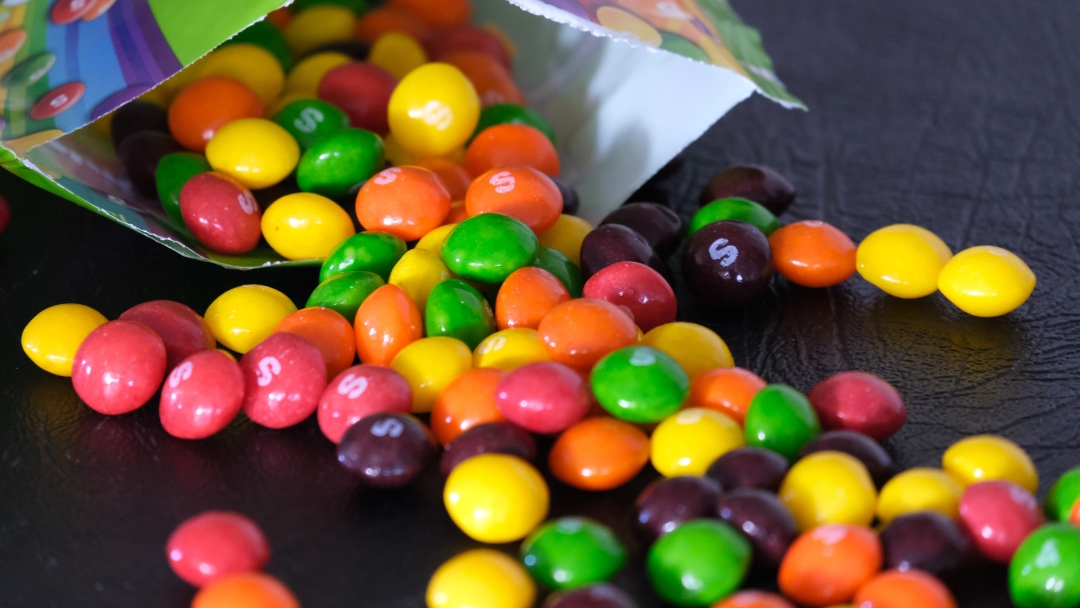
- All artificial flavors and colors, FD&C colors
- All artificial sweeteners including aspartame, sucralose, saccharin, acesulfame-k
- High fructose corn syrup, also listed as: corn sweetener, corn syrup, or corn syrup solids
- BHA, BHT nitrates, nitrites
- Sodium/potassium benzoate
- Sulfites
- MSG (monosodium glutamate)
- Hydrolyzed proteins/yeast
- Autolyzed proteins/yeast
- Torula yeast, yeast extract
- Hydrogenated oils/trans fats
- Canned goods lined with BPA should be avoided completely
A small amount of sugar may be safe for someone with a properly functioning immune system; however, it should be avoided by our sensitive kids. Natural sweetener options to try in moderation are:
- Stevia
- Honey
- Organic evaporated cane juice
- Rapadura
- Succanat
- Organic fruit juices
- Maple sugar
- Maple syrup
- Coconut sugar
A Clean Diet Includes Clean, Filtered Water
Water is essential for all body systems to operate smoothly and should be the main source for hydration. But all water is not the same, and there are ways to make healthier choices in the water that you drink.
Lead
Lead is the primary cause for concern due to its presence in pipes, fittings and solders. Lead’s harmful impact on our bodies has been well-documented. Besides lead, there are other dangerous chemicals in water that should be avoided.
Fluoride
Fluoride is a pollutant – a by-product of copper, iron and aluminum manufacturing. According to the handbook Clinical Toxicology of Commercial Products, fluoride is more poisonous than lead and just slightly less poisonous than arsenic. It is a cumulative poison that accumulates in bone over the years.
According to the Physician’s Desk Reference, “in hypersensitive individuals, fluorides occasionally cause skin eruptions such as atopic dermatitis, eczema, or urticaria; Gastric distress, headache, and weakness have also been reported. These hypersensitive reactions usually disappear promptly after discontinuation of the fluoride.”
Fluoride, even at dosages of 1 part per million, found in artificially fluoridated water, can inhibit enzyme systems, damage the immune system, contribute to calcification of soft tissues, worsen arthritis and cause dental fluorosis in children. These are unsightly white, yellow or brown spots that are found in teeth exposed to fluoride during childhood.
The most recent studies do not show that fluoride can be harmful; see “Fluoride” on our Medical & Scientific Literature page for studies.
Chlorine
Chlorine is added to water to kill certain bacteria; however, when it reacts with organic matter (like leaves), it produces harmful trihalomethanes or THMs. These byproducts trigger the production of free radicals in the body and cause serious cell damage. THMs are chemicals that have been linked in a number of studies to an increased risk of miscarriage, bladder and rectal cancers, and birth defects.
You may think it is safer to drink bottled water but bottled-water regulations are often much looser than that of tap water. If you do drink bottled water, check labels thoroughly to be sure that the bottled water is not just packaged, un-filtered tap water and that the plastic bottle itself is free of BPA’s. To learn more, visit https://www.epa.gov/
Here are some ways to ensure that your water is healthier:
- Test lead levels in your tap water. If high levels of lead are present, it is a good idea to find out what type of pipes, fittings and faucets are in your home as they may be leaching lead.
- Other chemicals to look for when testing your water are: fluoride, chlorine, mercury, chloramines, volatile organic compounds (VOC), trihalomethanes (THMs), methyl tert-butyl ether (MTBE), asbestos, and arsenic.
- Never use hot tap water for drinking or cooking as lead leaches more easily from hot water lines.
- Let the cold water run for a couple of minutes before drinking. Overnight, the water that is sitting in the pipes has a higher lead count from the lead leaching through pipes and solders.
- If you have public water, read your Consumer Confidence Report to find out what chemicals are present in your water.
- If you have well-water, have it tested for chemicals and contaminants. Avoid using pesticides, fertilizers and other chemicals near your well’s supply source as they can leach in.
- Invest in a water filter system. Look for options with a reverse osmosis component and/or activated carbon. Be sure to maintain the filter system otherwise it can actually result in higher levels of contamination.
About Teresa Badillo
In the 1980s she worked overseas in Rome, Italy at the Japanese Embassy in the office of the United Nations (FAO) as a speech writer. She also began her long journey in alternative healing while living in Rome.
After moving to New York and while raising her family of seven children, Teresa embarked on a mission to find alternative non-invasive biomedical, therapeutic, sensory and educational solutions for autism after the diagnosis of her son in the early 1990s.

She won a court case in 1995 against the Rockland County School District in New York to enable ARC Prime Time for Kids to be the first school using Applied Behavioral Analysis teaching method for autism that was paid for by the Rockland County School District. The following year she was instrumental in getting the New York Minister of Education to approve an extension of the ARC license from 5 to 21 years.
She has worked over the years in a number of alternative medical practices with doctors and practitioners organizing various biomedical intervention options for children with autism. Since the mid 1990s, Teresa has served on several boards:
- Foundation for Children with Developmental Disabilities
- The Autoimmunity Project
- Developmental Delayed Resources
- Epidemic Answers
She continues to consult and advise parents on all different areas of autism especially nutritional protocols. Since 2006 she has worked with NutraOrgana, LLC and BioCellular Analysis Testing. She currently researches, writes the newsletter and blogs Teresa’s Corner for The Autism Exchange (AEX). She also writes blog posts and pages for Documenting Hope.
Still Looking for Answers?
Visit the Documenting Hope Practitioner Directory to find a practitioner near you.
Join us inside our online membership community for parents, Healing Together, where you’ll find even more healing resources, expert guidance, and a community to support you every step of your child’s healing journey.
Sources & References
Aram, A., et al. The effects of conjugated linoleic acids on breast cancer: A systematic review. Adv Biomed Res. 2016 Jul 6:5:115.
Bateman, B., et al. The effects of a double blind, placebo controlled, artificial food colourings and benzoate preservative challenge on hyperactivity in a general population sample of preschool children. Arch Dis Child. 2004 Jun;89(6):506-11.
Bauer, J., et al. Hyperactivity and impulsivity in adult attention-deficit/hyperactivity disorder is related to glutamatergic dysfunction in the anterior cingulate cortex. World J Biol Psychiatry. 2018 Oct;19(7):538-546.
Boris, M., et al. Foods and additives are common causes of the attention deficit hyperactive disorder in children. Ann Allergy. 1994 May;72(5):462-8.
Chhabra, R., et al. Organically grown food provides health benefits to Drosophila melanogaster. PLoS One. 2013;8(1):e52988.
Crinnion, W.J. Organic foods contain higher levels of certain nutrients, lower levels of pesticides, and may provide health benefits for the consumer. Altern Med Rev. 2010 Apr;15(1):4-12.
Daley, C.A., et al. A review of fatty acid profiles and antioxidant content in grass-fed and grain-fed beef. Nutr J. 2010 Mar 10:9:10.
Davalli, D.M., et al. The potential role of glutamate in the current diabetes epidemic. Acta Diabetol. 2012 Jun;49(3):167-83.
DeHavenon, A., et al. The Secret “Spice”: An Undetectable Toxic Cause of Seizure.Neurohospitalist. 2011 Oct; 1(4): 182–186.
den Hartigh, L.J. Conjugated Linoleic Acid Effects on Cancer, Obesity, and Atherosclerosis: A Review of Pre-Clinical and Human Trials with Current Perspectives. Nutrients. 2019 Feb 11;11(2):370.
Ghanizadeh, A., et al. The effect of dietary education on ADHD, a randomized controlled clinical trial. Ann Gen Psychiatry. 2015 Mar 1:14:12.
Gunatilake, S., et al. Glyphosate’s Synergistic Toxicity in Combination with Other Factors as a Cause of Chronic Kidney Disease of Unknown Origin. Int J Environ Res Public Health. 2019 Jul 31;16(15):2734.
Haroon, E., et al. Inflammation, Glutamate, and Glia: A Trio of Trouble in Mood Disorders. Neuropsychopharmacology. 2017 Jan;42(1):193-215.
Hertz-Picciotto, I., et al. Organophosphate exposures during pregnancy and child neurodevelopment: Recommendations for essential policy reforms. PLoS Med. 2018 Oct 24;15(10):e1002671.
Kamel, M.M., et al. The Potential Health Hazard of Tartrazine and Levels of Hyperactivity, Anxiety-Like Symptoms, Depression and Anti-social Behaviour in Rats. J Am Sci. 2011;7(6).
Kanarek, R.B. Artificial food dyes and attention deficit hyperactivity disorder. Nutr Rev.2011 Jul;69(7):385-91.
Khoshnoud, M.J., et al. Effects of sodium benzoate, a commonly used food preservative, on learning, memory, and oxidative stress in brain of mice. J Biochem Mol Toxicol. 2018 Feb;32(2).
Kirkland, A.E., et al. Artificial food coloring affects EEG power and ADHD symptoms in college students with ADHD: a pilot study. Nutr Neurosci. 2022 Jan;25(1):159-168.
Konikowska, K., et al. The influence of components of diet on the symptoms of ADHD in children. Rocz Panstw Zakl Hig. 2012;63(2):127-34.
Lau, K., et al. Synergistic Interaction Between Commonly Used Food Additives in a Developmental Neurotoxicity Test. Toxicol Sci. 2006 Mar;90(1):178-87.
Li, J., et al. Association between maternal exposure to chemical fertilizer and the risk of birth defects in a rural population in northern China: a population-based study. Int Health. 2023 May 2;15(3):299-308.
Lin, S., et al. Interactive effects of maternal exposure to chemical fertilizer and socio-economic status on the risk of low birth weight. BMC Public Health. 2022 Jun 16;22(1):1206.
Mathewson, P.D., et al. Health and economic impact of nitrate pollution in drinking water: a Wisconsin case study. Environ Monit Assess. 2020 Oct 23;192(11):724.
McCann, D., et al. Food additives and hyperactive behaviour in 3-year-old and 8/9-year-old children in the community: a randomised, double-blinded, placebo-controlled trial. Lancet. 2007 Nov 3;370(9598):1560-7.
McNally, L., et al. Inflammation, glutamate, and glia in depression: a literature review. CNS Spectr. 2008 Jun;13(6):501-10.
Miller, M.D., et al. Potential impacts of synthetic food dyes on activity and attention in children: a review of the human and animal evidence. Environ Health. 2022 Apr 29;21(1):45.
Millichap, J.G., et al. The diet factor in attention-deficit/hyperactivity disorder. Pediatrics.2012 Feb;129(2):330-7.
Mpountoukas, P., et al. Cytogenetic evaluation and DNA interaction studies of the food colorants amaranth, erythrosine and tartrazine. Food Chem Toxicol. 2010 Oct;48(10):2934-44.
Nigg, J.T., et al. Meta-analysis of attention-deficit/hyperactivity disorder or attention-deficit/hyperactivity disorder symptoms, restriction diet, and synthetic food color additives. J Am Acad Child Adolesc Psychiatry. 2012 Jan;51(1):86-97.e8.
Pelsser, L.M., et al. Effects of a restricted elimination diet on the behaviour of children with attention-deficit hyperactivity disorder (INCA study): a randomised controlled trial. Lancet. 2011 Feb 5;377(9764):494-503.
Pelsser, L.M., et al. [Favourable effect of a standard elimination diet on the behavior of young children with attention deficit hyperactivity disorder (ADHD): a pilot study]. Ned Tijdschr Geneeskd. 2002 Dec 28;146(52):2543-7.
Pitt, D., et al. Glutamate excitotoxicity in a model of multiple sclerosis. Nat Med. 2000 Jan;6(1):67-70.
Robinette, L.M., et al. Fruit and vegetable intake is inversely associated with severity of inattention in a pediatric population with ADHD symptoms: the MADDY Study. Nutr Neurosci. 2023 Jun;26(6):572-581.
Rowe, K.S., et al. Synthetic Food Coloring and Behavior: A Dose Response Effect in a Double-Blind, Placebo-Controlled, Repeated-Measures Study. J Pediatr. 1994 Nov;125(5 Pt 1):691-8.
Samsel, A., et al. Glyphosate, pathways to modern diseases II: Celiac sprue and gluten intolerance. Interdiscip Toxicol. 2013 Dec;6(4):159-84.
Samsel, A., et al. Glyphosate, pathways to modern diseases III: Manganese, neurological diseases, and associated pathologies. Surg Neurol Int.2015 Mar 24;6:45.
Samsel, A, et al. Glyphosate’s suppression of cytochrome P450 enzymes and amino acid biosynthesis by the gut microbiome: Pathways to modern diseases. Entropy. 2013;15:1416–1463.
Samuels, A. The toxicity/safety of processed free glutamic acid (MSG): a study in suppression of information. Account Res. 1999;6(4):259-310.
Schab, D.W., et al. Do artificial food colors promote hyperactivity in children with hyperactive syndromes? A meta-analysis of double-blind placebo-controlled trials. J Dev Behav Pediatr. 2004 Dec;25(6):423-34.
Silfverdal, S.A., et al. [Food additives can increase hyperactivity in children. Results from a British study confirm the connection]. Lakartidningen. 2008 Feb 6-12;105(6):354-5.
Temkin, A., et al. Exposure-based assessment and economic valuation of adverse birth outcomes and cancer risk due to nitrate in United States drinking water. Environ Res. 2019 Sep:176:108442.
Tobacman, J.K. Review of Harmful Gastrointestinal Effects of Carrageenan in Animal Experiments. Environmental Health Perspectives. 2001 Oct;109(10):983-94.
Varre, V.J., et al. Nutritional composition of beef: a comparison of commercial North American grass- and grain-finishing systems. J Anim Sci. 2026 Jan 8:104:skaf436.
Verlaet, A.A.J., et al. Nutrition, immunological mechanisms and dietary immunomodulation in ADHD. Eur Child Adolesc Psychiatry. 2014 Jul;23(7):519-29.
Vigar, V., et al. A Systematic Review of Organic Versus Conventional Food Consumption: Is There a Measurable Benefit on Human Health? Nutrients. 2019 Dec 18;12(1):7.
Wallinga, D., et al. Not So Sweet: Missing Mercury and High Fructose Corn Syrup. Institute for Agriculture and Trade Policy, Minneapolis, Minnesota. Jan 2009.
Wang, Y., et al. Associations between dietary intake, diet quality and depressive symptoms in youth: A systematic review of observational studies. Health Promot Perspect. 2022 Dec 10;12(3):249-265.
Watkins, J.C., et al. The glutamate story.Br J Pharmacol. 2006 Jan; 147(Suppl 1): S100–S108.
Weyer, P.J., et al. Municipal drinking water nitrate level and cancer risk in older women: the Iowa Women's Health Study. Epidemiology. 2001 May;12(3):327-38.
Winchester, P.D., et al. Agrichemicals in surface water and birth defects in the United States. Acta Paediatr. 2009 Apr;98(4):664-9.
Yu, C.J., et al. Sugar-Sweetened Beverage Consumption Is Adversely Associated with Childhood Attention Deficit Hyperactivity Disorder. Int J Environ Res Public Health. 2016 Jul 4;13(7).
Zhang, Z., et al. Blood Glutamate Levels in Autism Spectrum Disorder: A Systematic Review and Meta-Analysis. PLoS One.2016 Jul 8;11(7):e0158688.