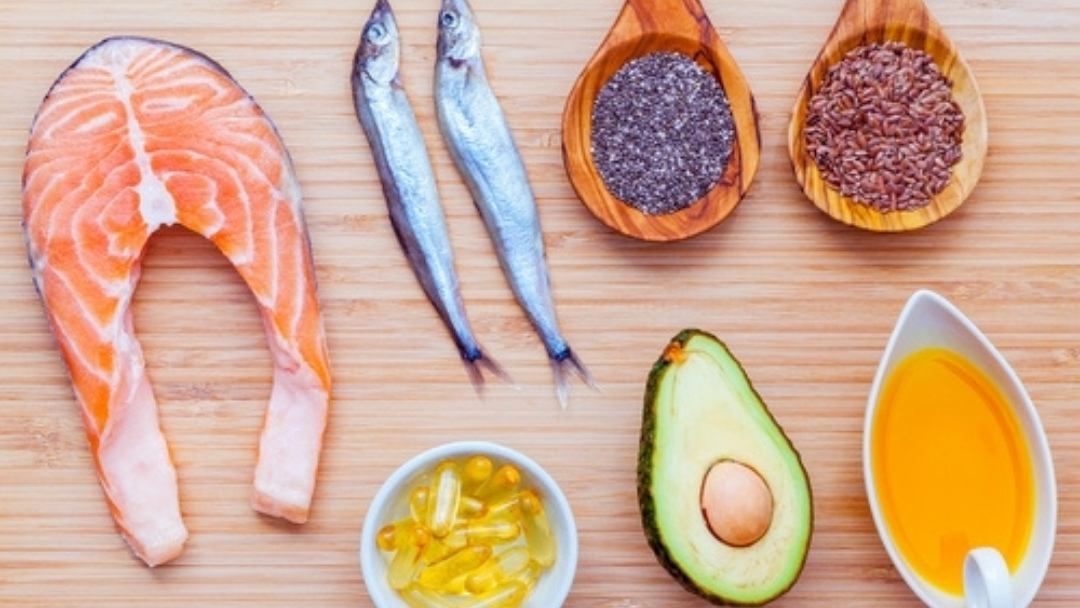

Most children with chronic illness diagnoses or symptoms are known to have nutritional deficiencies. This does not mean that they are not eating or that they are starving, rather, it means that their bodies are either:
a) Not getting the proper nutrition they need due to types of foods they are eating, or
b) Their bodies are not able to extract nutrition, even when eating the healthiest of foods.
Why Is Nutrition Important?
Heather Tallman Ruhm MD, the Medical Director of Documetning Hope, has famously said “How do you make an eyeball out of a Cheez-It?” In other words, every function in your body depends upon the food and water that we provide our bodies on an ongoing basis.
Every function–from breathing, thinking, digesting, walking, and talking, to the repair of wounds, the growing of hair, the ability to fight off infectious diseases, and yes, the making of the cells that make up our eyeballs–all of these functions and many more depend upon what we eat and drink. If we do not provide our bodies with proper nutrition, our bodies begin to break down and you will see the signs of ill health.
We are used to seeing this happen in older people who have developed poor diet habits over the course of their lifetime or in people who are resource-poor and do not have access to proper food. What we are seeing now, however, is that young children with virtually unlimited resources (access to plenty of food) are showing the signs of nutritional deficiencies. How is this happening?
History of the American Diet
Despite the long-standing impression that Americans are a well-nourished people, they are actually overfed but undernourished. While food has always been relatively plentiful in the United States (as compared to other nations), the American diet has never been truly nutritionally sound.
Even when the country was predominately agricultural, Americans still ate what would be considered a “constipating” diet of mainly meats and starches. Despite this fact, Americans historically did not suffer from chronic illnesses like Americans do today. What has changed?
Industrialization
Industrialization in the nineteenth century changed the way that Americans ate food. In the late nineteenth century, Americans (especially upper and middle class Americans) began to exchange home-preserved and home-grown foods for factory preserved and processed foods.
Home-preserved foods were often fermented, pickled, brined, and salted, which are processes that use “good” bacteria (the kind necessary for good gastrointestinal health) to preserve food, where as factory processed foods eliminate all microbes through heat processing or other modalities.
Furthermore, grain-refining technologies developed in the nineteenth century stripped grains of their nutritive value in order to produce lighter, whiter flours that were desirable for breads, cakes, cookies and other baked foods.
Essentially, Americans began to exchange foods that were digestively beneficial and full of nutrition (such as fermented vegetables and whole grains) for foods that were less-nutritive and potentially damaging to the gastrointestinal system. Typically, it was upper and middle class Americans that had access to these types of processed foods.
Interestingly, America’s very first chronic inflammatory illnesses (allergy and allergic-type diseases) suddenly appeared during the late nineteenth century, and mainly among upper and middle class Americans.
Diet changes, in conjunction with newly introduced industrial toxins, may have contributed to allergies in nineteenth century Americans. These changes in diet were accelerated further, during the twentieth century with modern advances in food processing and manufacturing.
Over the course of the last forty or fifty years, the food chemical and additive industry has grown exponentially. There are now thousands upon thousands of additives added to everyday foods, and most them have not been studied extensively in humans. Unfortunately, the vast majority of Americans eat mainly processed foods.
The American diet today is one that contributes to poor gastrointestinal health and the increased likelihood of developing gut dysbiosis and immune dysregulation. A diet that is high in sugars and simple carbohydrates, and low in fiber and lactofermented foods creates an environment in the gastrointestinal system that is ripe for the overgrowth of pathogenic microbes. Overgrowth of these microbes can lead to gut dysbiosis.
The average American consumes over 140 pounds of sugar annually, up from 10 pounds in 1821.
In addition, Americans are not getting the micronutrients (e.g., zinc, calcium, iron, magnesium, iodine, etc.) necessary for good gastrointestinal or general health, because most processed foods lack readily absorbable versions of these nutrients. Without these essential life-giving nutrients, the immune system will not function properly.
Unfortunately, children in this country are notoriously bad eaters, subsisting on a diet of macaroni and cheese, processed chicken nuggets, French fries, pizza, soda, candy, and other sweets. Their diet, in conjunction with other environmental factors, leaves them susceptible to the development of chronic illnesses.
In modern industrial societies, we have worked very hard to create an abundance of food to feed our populations.
Poor Soils
We have industrialized our foods systems and even subsidized our food production with government money in an effort to produce enough affordable food.
In this process however, we have utilized farming and food production techniques that have stripped the essential nutrients out of the soil, so that the foods we produce are no longer as nutrient dense as they were even half a century ago. Our soils are depleted and thus the food grown in these soils lacks the basic nutrition that our bodies require.
Additionally, as we process these foods to create cheap, easy, and convenient packaged foods with a long shelf life, we have stripped even more nutrition out of the food.
So many of the processed foods that we consume on a daily basis are not providing our bodies with enough of the vitamins and minerals that we need to stay healthy.
When you eat processed, conventionally-grown foods, your bodies are only getting a fraction of the nutrition that might be found in whole foods that are grown through a more biodynamic process.
“Kid Food”
Unfortunately, especially in America, we have developed a culture of “kid food” that is essentially lacking nutrition. Somewhere along the line, people began to believe that only “kid food” (the only foods that kids will eat?) is acceptable: pizza, chicken nuggets, french fries and sweets. No child can be healthy on a diet of junk food, yet that is what we feed our children everyday. This lack of daily replenishment of essential nutrients can lead to nutritional deficiencies, and systemic health problems.
The Microbiome
What’s more, we have destroyed our very own nutrient-making-factories that live within each and every one of us. By altering our microbiomes (the diverse ecology of microorganisms in our guts) through excessive use of antibiotics and other medications, chlorinated water, and the consumption of genetically modified organisms, we have destroyed our ability to produce critical vitamins and nutrients that our bodies need.
The bacteria in our guts are a critical part of our nutritional team, as they produce many key nutritional vitamins or cofactors. For example, probiotic bacteria in our guts are known to produce important B vitamins, which are critical for energy production, and cellular function (especially brain, nerve and immune cell function) among other key biological processes.
So children who do not have good gut ecology, but are fed otherwise healthy food, may also be nutrient deficient, because they do not have enough of the microbial helpers necessary to extract nutrients from the diet. All too often, we see children today with nutritional deficiencies.
Common deficiencies include:
- Iron
- Magnesium
- Calcium
- Carnitine
- Essential fatty acids
- Critical antioxidants that protect us from environmental toxins and inflammatory processes in the body
It is a great tragedy that one in five American households are food insecure, but even households that have access to an abundance of food still contain children whose bodies and brains are starving.
It is time to rethink, as a country, how we feed our children and ourselves. If we do not take nutrition seriously, we will continue to see the rates of chronic childhood disease escalate.
Still Looking for Answers?
Visit the Documenting Hope Practitioner Directory to find a practitioner near you.
Join us inside our online membership community for parents, Healing Together, where you’ll find even more healing resources, expert guidance, and a community to support you every step of your child’s healing journey.
Sources & References
Adam, G., et al. The influence of choline treatment on behavioral and neurochemical autistic-like phenotype in Mthfr-deficient mice. Transl Psychiatry. 2020 Sep 18;10(1):316.
Adams, J.B., et al. Comprehensive Nutritional and Dietary Intervention for Autism Spectrum Disorder-A Randomized, Controlled 12-Month Trial. Nutrients. 2018 Mar 17;10(3).
Adams, J.B., et al. Effect of a vitamin/mineral supplement on children and adults with autism. BMC Pediatr. 2011;11:111.
Adams, J.B., et al. Vitamin/mineral/micronutrient supplement for autism spectrum disorders: a research survey. BMC Pediatr. 2022 Oct 13;22(1):590.
Al-Fartusie, F.S., et al. Evaluation of Some Trace Elements and Vitamins in Major Depressive Disorder Patients: a Case-Control Study. Biol Trace Elem Res. 2019 Jun;189(2):412-419.
Al Maruf, M., et al. Systematic Review and Meta-Analysis of L-Methylfolate Augmentation in Depressive Disorders. Pharmacopsychiatry. 2022 May;55(3):139-147.
Antao, H.S., et al. Omega-3 index as risk factor in psychiatric diseases: a narrative review. Front Psychiatry. 2023 Jul 28:14:1200403.
Arab, A., et al. The Role of Magnesium in Sleep Health: a Systematic Review of Available Literature. Biol Trace Elem Res. 2023 Jan;201(1):121-128.
Bardinet, J., et al. Patterns of polyphenol intake and risk of depressive symptomatology in a population-based cohort of older adults. Clin Nutr. 2022 Dec;41(12):2628-2636.
Barragán-Rodríguez, L., et al. Efficacy and safety of oral magnesium supplementation in the treatment of depression in the elderly with type 2 diabetes: a randomized, equivalent trial. Magnes Res. 2008 Dec;21(4):218-23.
Bayes, J., et al. Effects of Polyphenols in a Mediterranean Diet on Symptoms of Depression: A Systematic Literature Review. Adv Nutr. 2020 May 1;11(3):602-615.
Bender, A., et al. The association of folate and depression: A meta-analysis. J Psychiatr Res. 2017 Dec:95:9-18.
Benson, D. Conversation with William Shaw, PhD-Integrative Medicine for Mental Health Conference. Integr Med (Encinitas). 2021 Jun;20(3):16-18.
Berger, M.E., et al. Omega-6 to omega-3 polyunsaturated fatty acid ratio and subsequent mood disorders in young people with at-risk mental states: a 7-year longitudinal study. Transl Psychiatry. 2017 Aug 29;7(8):e1220.
Boerman, R., et al. Prevalence of Vitamin D Deficiency in Adult Outpatients With Bipolar Disorder or Schizophrenia. J Clin Psychopharmacol. 2016 Dec;36(6):588-592.
Bonnot, O., et al. Children and adolescents with severe mental illness need vitamin D supplementation regardless of disease or treatment. J Child Adolesc Psychopharmacol. 2011;21(2):157-61.
Borges-Vieira, J.G., et al. Efficacy of B-vitamins and vitamin D therapy in improving depressive and anxiety disorders: a systematic review of randomized controlled trials. Nutr Neurosci. 2023 Mar;26(3):187-207.
Botturi, A., et al. The Role and the Effect of Magnesium in Mental Disorders: A Systematic Review. Nutrients. 2020 Jun 3;12(6):1661.
Boyle, N.B., et al. The Effects of Magnesium Supplementation on Subjective Anxiety and Stress-A Systematic Review. Nutrients. 2017 Apr 26;9(5):429.
Bradlow, R.C.J., et al. The Potential of N-Acetyl-L-Cysteine (NAC) in the Treatment of Psychiatric Disorders. CNS Drugs. 2022 May;36(5):451-482.
Brady, R.O., et al. Brain gamma-aminobutyric acid (GABA) abnormalities in bipolar disorder. Bipolar Disord. 2013 Jun;15(4):434-9.
Breier, A.B., et al. The GABAA/benzodiazepine receptor: implications for the molecular basis of anxiety. J Psychiatric Res. 1990;24 Suppl 2:91-104.
Brown, et al. Observable essential fatty acid deficiency markers and autism spectrum disorder. Breastfeed Rev. 2014;22(2):21-6.
Brownley, K.A., et al. Dietary chromium supplementation for targeted treatment of diabetes patients with comorbid depression and binge eating. Med Hypotheses. 2015 Jul;85(1):45-8.
Checkley, W., et al. 25-hydroxy vitamin D levels are associated with childhood asthma in a population-based study in Peru. Clin Exp Allergy. 2015 Jan;45(1):273–82.
Cocito, L., et al. GABA and phosphatidylserine in human photosensitivity: a pilot study. Epilepsy Res. 1994 Jan;17(1):49-53.
Coghlan, S., et al. GABA System Dysfunction in Autism and Related Disorders: From Synapse to Symptoms. Neurosci Biobehav Rev. 2012;36(9):2044–2055.
Darling, A.L., et al. Association between maternal vitamin D status in pregnancy and neurodevelopmental outcomes in childhood: results from the Avon Longitudinal Study of Parents and Children (ALSPAC). Br J Nutr. 2017 Jun;117(12):1682-1692.
D’Auria, E., et al. Omega-3 fatty acids and asthma in children. Allergy Asthma Proc. 2014;35(3):233-40.
Davidson, J.R.T., et al. Effectiveness of chromium in atypical depression: a placebo-controlled trial. Biol Psychiatry. 2003 Feb 1;53(3):261-4.
Della Giustina, A., et al. Vitamin D, allergies and asthma: focus on pediatric patients. World Allergy Organ J. 2014;7(1):27.
Docherty, J.P., et al. A double-blind, placebo-controlled, exploratory trial of chromium picolinate in atypical depression: effect on carbohydrate craving. J Psychiatr Pract. 2005 Sep;11(5):302-14.
Esnafoglu, E., et al. Association of low 25-OH-vitamin D levels and peripheral inflammatory markers in patients with autism spectrum disorder: Vitamin D and inflammation in Autism. Psychiatry Res. 2022 Oct:316:114735.
Eugene, A.R., et al. Isolating the Norepinephrine Pathway Comparing Lithium in Bipolar Patients to SSRIs in Depressive Patients. Brain (Bacau). 2014 Dec;5(1-4):5-15.
Fabian E., et al. Nutritional supplements and plasma antioxidants in childhood asthma. Wien Klin Wochenschr. 2013;125(11-12):309-15.
Fernell, E. Further studies of GABA and Glutamate imbalances in autism are important challenges for future research. Acta Paediatr. 2019 Feb;108(2):200-201.
Frye, R.E., et al. Blocking and Binding Folate Receptor Alpha Autoantibodies Identify Novel Autism Spectrum Disorder Subgroups. Front Neurosci. 2016 Mar 9;10:80.
Frye, R.E., et al. Cerebral folate receptor autoantibodies in autism spectrum disorder. Mol Psychiatry. 2013 Mar;18(3):369-81.
Frye, R.E., et al. Treatment of Folate Metabolism Abnormalities in Autism Spectrum Disorder. Semin Pediatr Neurol. 2020 Oct:35:100835.
Fukahori, M., et al. Effects of dietary zinc status on seizure susceptibility and hippocampal zinc content in the El (epilepsy) mouse. Brain Res. 1990 Oct 8;529(1-2):16-22.
Gabis, L.V., et al. Improvement of Language in Children with Autism with Combined Donepezil and Choline Treatment. J Mol Neurosci. 2019 Oct;69(2):224-234.
Golden, N.H., et al. Optimizing bone health in children and adolescents. Pediatrics. 2014 Oct;134(4):e1229-43.
Hamlin, J.C., et al. Dietary intake and plasma levels of choline and betaine in children with autism spectrum disorders. Autism Res Treat. 2013;2013:578429.
Hamstra, S.I., et al. Beyond its Psychiatric Use: The Benefits of Low-dose Lithium Supplementation. Curr Neuropharmacol. 2023;21(4):891-910.
Hassel, B., et al. Brain infection with Staphylococcus aureus leads to high extracellular levels of glutamate, aspartate, γ-aminobutyric acid, and zinc. J Neurosci Res. 2014 Dec;92(12):1792-800.
HGuo, C.H., et al. Nutritional supplement therapy improves oxidative stress, immune response, pulmonary function, and quality of life in allergic asthma patients: an open-label pilot study. Altern Med Rev. 2012;17(1):42-56.
Hintikka, J., et al. High vitamin B12 level and good treatment outcome may be associated in major depressive disorder. BMC Psychiatry. 2003 Dec 2:3:17.
Hung, M.C., et al. Learning behaviour and cerebral protein kinase C, antioxidant status, lipid composition in senescence-accelerated mouse: influence of a phosphatidylcholine-vitamin B12 diet. Br J Nutr. 2001 Aug;86(2):163-71.
İmre, O., et al. Does Decreased Vitamin D Level Trigger Bipolar Manic Attacks? Behav Sci (Basel). 2023 Sep 18;13(9):779.
Irevall, T., et al. B12 deficiency is common in infants and is accompanied by serious neurological symptoms. Acta Paediatr. 2017 Jan;106(1):101-104.
Jadavji, N.M., et al. B-vitamin and choline supplementation increases neuroplasticity and recovery after stroke. Neurobiol Dis. 2017 Jul;103:89-100.
Jolliffe, D.A., et al. Vitamin D supplementation to prevent asthma exacerbations: a systematic review and meta-analysis of individual participant data. Lancet Respir Med. 2017 Nov;5(11):881-890.
Kate, N., et al. Does B12 deficiency lead to lack of treatment response to conventional antidepressants? Psychiatry (Edgmont). 2010 Nov;7(11):42-4.
Kaufman, R.E., et al. Brain GABA levels in patients with bipolar disorder. Prog Neuropsychopharmacol Biol Psychiatry. 2009 Apr 30;33(3):427-34.
Kelaiditis, C.F., et al. Effects of long-chain omega-3 polyunsaturated fatty acids on reducing anxiety and/or depression in adults; A systematic review and meta-analysis of randomised controlled trials. Prostaglandins Leukot Essent Fatty Acids. 2023 May:192:102572.
Kuffler, D.P. Can lithium enhance the extent of axon regeneration and neurological recovery following peripheral nerve trauma? Neural Regen Res. 2022 May;17(5):948-952.
Laing, B.B., et al. A Personalised Dietary Approach-A Way Forward to Manage Nutrient Deficiency, Effects of the Western Diet, and Food Intolerances in Inflammatory Bowel Disease. Nutrients. 2019 Jul 5;11(7):1532.
Lamon-Fava, S., et al. Clinical response to EPA supplementation in patients with major depressive disorder is associated with higher plasma concentrations of pro-resolving lipid mediators. Neuropsychopharmacology. 2023 May;48(6):929-935.
Langley, E.A., et al. High maternal choline consumption during pregnancy and nursing alleviates deficits in social interaction and improves anxiety-like behaviors in the BTBR T+Itpr3tf/J mouse model of autism. Behav Brain Res. 2015 Feb 1;278:210-20.
Leeds, P.R., et al. A new avenue for lithium: intervention in traumatic brain injury. ACS Chem Neurosci. 2014 Jun 18;5(6):422-33.
Lewis, M.D., et al. Suicide deaths of active-duty US military and omega-3 fatty-acid status: a case-control comparison. J Clin Psychiatry. 2011 Dec;72(12):1585-90.
Li, B., et al. Dietary magnesium and calcium intake and risk of depression in the general population: A meta-analysis. Aust N Z J Psychiatry. 2017 Mar;51(3):219-229.
Li, S.O., et al. Serum copper and zinc levels in individuals with autism spectrum disorders. Neuroreport. 2014;25(15):1216-20.
Li, Y., et al. Association between MTHFR C677T/A1298C and susceptibility to autism spectrum disorders: a meta-analysis. BMC Pediatrics. 2020(20)449.
Li, Z., et al. Dietary zinc and iron intake and risk of depression: A meta-analysis. Psychiatry Res. 2017 May:251:41-47.
Liao, Y., et al. Efficacy of omega-3 PUFAs in depression: A meta-analysis. Transl Psychiatry. 2019 Aug 5;9(1):190.
Lima, A.S., et al. Nutritional status of zinc in children with Down syndrome. Biol Trace Elem Res. 2010 Jan;133(1):20-8.
Litonjua, A.A. Childhood asthma may be a consequence of vitamin D deficiency. Curr Opin Allergy Clin Immunol. 2009;9(3):202-7.
Lundberg, M., et al. Lithium and the Interplay Between Telomeres and Mitochondria in Bipolar Disorder. Front Psychiatry. 2020 Sep 29:11:586083.
Ly, N.P., et al. Gut microbiota, probiotics, and vitamin D: interrelated exposures influencing allergy, asthma, and obesity? J Allergy Clin Immunol. 2011;127(5):1087-94; quiz 95-6.
Lydiard, R.B. The role of GABA in anxiety disorders. J Clin Psychiatry. 2003;64 Suppl 3:21-7.
Lynch, R., et al. Sulforaphane from Broccoli Reduces Symptoms of Autism: A Follow-up Case Series from a Randomized Double-blind Study. Glob Adv Health Med. 2017 Oct 26:6:2164957X17735826.
Mabalirajan, U., et al. Effects of vitamin E on mitochondrial and asthma features in an experimental allergic murine model. J Appl Physiol. 2009 Oct;107(4):1285-92.
Mahmoud, M.M., et al. Zinc, ferritin, magnesium and copper in a group of Egyptian children with attention deficit hyperactivity disorder. Ital J Pediatr. 2011;37:60.
Marshall, T. Lithium as a Nutrient. J Am Phys and Surg. 2015;20(4): 104-109.
Martineau, A.R., et al. Vitamin D for the management of asthma. Cochrane Library, 2016 DOI: 10.1002/14651858.CD011511.pub2.
Matsunaga, S., et al. Lithium as a Treatment for Alzheimer's Disease: A Systematic Review and Meta-Analysis. J Alzheimers Dis. 2015;48(2):403-10.
McCloud, E., et al. A medical nutrition therapy primer for childhood asthma: current and emerging perspectives. J Am Diet Assoc. 2011 Jul;111(7):1052–64.
McGuinness, G., et al. Sulforaphane treatment for autism spectrum disorder: A systematic review. EXCLI J. 2020 Jun 26:19:892-903.
McLeod, M.N., et al. Chromium treatment of depression. Int J Neuropsychopharmacol. 2000 Dec;3(4):311-314.
Memon, A., et al. Association between naturally occurring lithium in drinking water and suicide rates: systematic review and meta-analysis of ecological studies. Br J Psychiatry. 2020 Dec;217(6):667-678.
Mintz, M., et al. Revisiting Lithium: Utility for Behavioral Stabilization in Adolescents and Adults with Autism Spectrum Disorder. Psychopharmacol Bull. 2019 Jun 20;49(2):28-40.
Essential elements in depression and anxiety. Part I. Pharmacol Rep. 2014 Aug;66(4):534-44.
Moabedi, M., et al. Magnesium supplementation beneficially affects depression in adults with depressive disorder: a systematic review and meta-analysis of randomized clinical trials. Front Psychiatry. 2023 Dec 22:14:1333261.
The GABA system in anxiety and depression and its therapeutic potential. Neuropharmacology. 2012 Jan;62(1):42-53.
Momtazmanesh, S., et al. Sulforaphane as an adjunctive treatment for irritability in children with autism spectrum disorder: A randomized, double-blind, placebo-controlled clinical trial. Psychiatry Clin Neurosci. 2020 Jul;74(7):398-405.
Morris, C.R., et al. Syndrome of allergy, apraxia, and malabsorption: characterization of a neurodevelopmental phenotype that responds to omega 3 and vitamin E supplementation. Alternative Therapies in Health and Medicine. Jul-Aug 2009;15(4):34-43.
Mossin, M.H., et al. Inverse associations between cord vitamin D and attention deficit hyperactivity disorder symptoms: A child cohort study. Aust N Z J Psychiatry. 2017 Jul;51(7):703-710.
Nagayasu, Y., et al. Possible prevention of post-partum depression by intake of omega-3 polyunsaturated fatty acids and its relationship with interleukin 6. J Obstet Gynaecol Res. 2021 Apr;47(4):1371-1379.
Napolitano, G., et al. Is zinc deficiency a cause of subclinical hypothyroidism in Down syndrome? Ann Genet. 1990;33(1):9-15.
Nery, F.G., et al. N-acetylcysteine as an adjunctive treatment for bipolar depression: A systematic review and meta-analysis of randomized controlled trials. Bipolar Disord. 2021 Nov;23(7):707-714.
Norton, R.L., et al. Selenium and asthma. Mol Aspects Med. 2012;33(1):98-106.
Nuss, P. Anxiety disorders and GABA neurotransmission: a disturbance of modulation. Neuropsychiatr Dis Treat. 2015; 11: 165–175.
Omidian, M., et al. Effects of vitamin D supplementation on depressive symptoms in type 2 diabetes mellitus patients: Randomized placebo-controlled double-blind clinical trial. Diabetes Metab Syndr. 2019 Jul-Aug;13(4):2375-2380.
Ou, J., et al. Efficacy of Sulforaphane in Treatment of Children with Autism Spectrum Disorder: A Randomized Double-Blind Placebo-Controlled Multi-center Trial. J Autism Dev Disord. 2024 Feb;54(2):628-641.
Ozkale, Y., et al. Serum vitamin B12, folic acid, and homocysteine levels in children with febrile seizure. Turk J Pediatr. 2015 Jul-Aug;57(4):345-52.
Pacholko, A.G., et al. Lithium orotate: A superior option for lithium therapy? Brain Behav. 2021 Aug;11(8):e2262.
Palmos, A.B., et al. Lithium treatment and human hippocampal neurogenesis. Transl Psychiatry. 2021 Oct 30;11(1):555.
Papakostas, G.I., et al. L-methylfolate as adjunctive therapy for SSRI-resistant major depression: results of two randomized, double-blind, parallel-sequential trials. Am J Psychiatry. 2012 Dec;169(12):1267-74.
Patrick, R.P., et al. Vitamin D and the omega-3 fatty acids control serotonin synthesis and action, part 2: relevance for ADHD, bipolar disorder, schizophrenia, and impulsive behavior. FASEB J. 2015 Jun;29(6):2207-22.
Patrick, R.P., et al. Vitamin D hormone regulates serotonin synthesis. Part 1: relevance for autism. FASEB J. 2014;28(6):2398-413.
Pfeffer, P.E., et al. Vitamin D influences asthmatic pathology through its action on diverse immunological pathways. Ann Am Thorac Soc. 2014;11 Suppl 5:S314-21.
Pfotenhauer, K.M., et al. Vitamin D Deficiency, Its Role in Health and Disease, and Current Supplementation Recommendations. J Am Osteopath Assoc. 2017 May 1;117(5):301-305.
Phunsawat, P., et al. Folate receptor alpha autoantibodies in children with autism spectrum disorder. Biomarkers. 2022 Dec;27(8):715-719.
Qiongwen, Z., et al. Bipolar disorder cured by vitamin D supplementation in a 15-year-old boy: A case report. Bipolar Disord. 2022 May;24(3):334-336.
Quadros, E.V., et al. Folate receptor autoantibodies are prevalent in children diagnosed with autism spectrum disorder, their normal siblings and parents. Autism Res. 2018 May;11(5):707-712.
Resseguie, M.E., et al. Aberrant estrogen regulation of PEMT results in choline deficiency-associated liver dysfunction. J Biol Chem. 2011 Jan 14;286(2):1649-58.
Rijal, S., et al. Lithium Enhances the GABAergic Synaptic Activities on the Hypothalamic Preoptic Area (hPOA) Neurons. Int J Mol Sci. 2021 Apr 9;22(8):3908.
Rossigonal, D.A., et al. Cerebral Folate Deficiency, Folate Receptor Alpha Autoantibodies and Leucovorin (Folinic Acid) Treatment in Autism Spectrum Disorders: A Systematic Review and Meta-Analysis. J Pers Med. 2021 Nov 3;11(11):1141.
Rueter, K., et al. In "High-Risk" Infants with Sufficient Vitamin D Status at Birth, Infant Vitamin D Supplementation Had No Effect on Allergy Outcomes: A Randomized Controlled Trial. Nutrients. 2020 Jun 11;12(6):1747.
Ruffalo, M.L. A Brief History of Lithium Treatment in Psychiatry. Prim Care Companion CNS Disord. 2017 Oct 12;19(5):17br02140.
Salari, S., et al. Zinc sulphate: A reasonable choice for depression management in patients with multiple sclerosis: A randomized, double-blind, placebo-controlled clinical trial. Pharmacol Rep. 2015 Jun;67(3):606-9.
Sartori, S.B., et al. Magnesium deficiency induces anxiety and HPA axis dysregulation: modulation by therapeutic drug treatment. Neuropharmacology. 2012 Jan;62(1):304-12.
Sawada, T., et al. Effect of zinc supplementation on mood states in young women: a pilot study. Eur J Clin Nutr. 2010 Mar;64(3):331-3.
Schrauzer, G.N., et al. Lithium in drinking water and the incidences of crimes, suicides, and arrests related to drug addictions. Biol Trace Elem Res. 1990 May;25(2):105-13.
Schwalfenberg, G.K. The Importance of Magnesium in Clinical Healthcare. Scientifica (Cairo). 2017:2017:4179326.
Searing, D.A., et al. Decreased serum vitamin D levels in children with asthma are associated with increased corticosteroid use. J Allergy Clin Immunol. 2010;125(5):995-1000.
Shah, A., et al. Exploring sulforaphane as neurotherapeutic: targeting Nrf2-Keap & Nf-Kb pathway crosstalk in ASD. Metab Brain Dis. 2024 Mar;39(3):373-385.
Shraim, R., et al. Gene-Environment Interactions in Vitamin D Status and Sun Exposure: A Systematic Review with Recommendations for Future Research. Nutrients. 2022 Jun 30;14(13):2735.
Singh, K., et al. Sulforaphane treatment of autism spectrum disorder (ASD). Proc Natl Acad Sci U S A. 2014 Oct 28;111(43):15550-5.
Skripuletz, T., et al. The choline pathway as a strategy to promote central nervous system (CNS) remyelination. Neural Regen Res. 2015 Sep;10(9):1369-70.
Song, Y., et al. Effects of acute exposure to aluminum on blood-brain barrier and the protection of zinc. Neurosci Lett. 2008 Nov 7;445(1):42-6.
Spedding, S. Vitamin D and depression: a systematic review and meta-analysis comparing studies with and without biological flaws. Nutrients. 2014 Apr 11;6(4):1501-18.
Styczeń, K., et al. The serum zinc concentration as a potential biological marker in patients with major depressive disorder. Metab Brain Dis. 2017 Feb;32(1):97-103.
Sucksdorff, M., et al. Maternal Vitamin D Levels and the Risk of Offspring Attention-Deficit/Hyperactivity Disorder. J Am Acad Child Adolesc Psychiatry. 2019 Dec 18.
Takeda, A., et al. Release of glutamate and GABA in the hippocampus under zinc deficiency. J Neurosci Res. 2003 May 15;72(4):537-42.
Tan, Y., et al. Correlation between Vitamin B12 and Mental Health in Children and Adolescents: A Systematic Review and Meta-analysis. Clin Psychopharmacol Neurosci. 2023 Nov 30;21(4):617-633.
Tan, Y., et al. Vitamin B12, Folate, Homocysteine, Inflammatory Mediators (Interleukin-6, Tumor Necrosis Factor-α and C-Reactive Protein) Levels in Adolescents with Anxiety or Depressive Symptoms. Neuropsychiatr Dis Treat. 2023 Apr 7:19:785-800.
Tiemeier, H., et al. Vitamin B12, folate, and homocysteine in depression: the Rotterdam Study. Am J Psychiatry. 2002 Dec;159(12):2099-101.
Troxell, B., et al. Manganese and zinc regulate virulence determinants in Borrelia burgdorferi. Infect Immun. 2013 Aug;81(8):2743-52.
Tugnul, B., et al. Vitamin D Levels in Children During Winter and the Relationship Between Sunscreen and Sun Protection Behaviors. Dermatol Pract Concept. 2023 Jul 1;13(3):e2023190.
Vashum, K.P., et al. Dietary zinc is associated with a lower incidence of depression: findings from two Australian cohorts. J Affect Disord. 2014 Sep:166:249-57.
Vuillermot, S., et al. Vitamin D treatment during pregnancy prevents autism-related phenotypes in a mouse model of maternal immune activation. Mol Autism. 2017 Mar 7;8:9.
Wang, Y., et al. Associations between dietary intake, diet quality and depressive symptoms in youth: A systematic review of observational studies. Health Promot Perspect. 2022 Dec 10;12(3):249-265.
Wells, L., et al. Folate Receptor Alpha Autoantibodies in the Pediatric Acute-Onset Neuropsychiatric Syndrome (PANS) and Pediatric Autoimmune Neuropsychiatric Disorders Associated with Streptococcal Infections (PANDAS) Population. J Pers Med. 2024 Jan 31;14(2):166.
Wimalawansa, S.A. Infections and Autoimmunity-The Immune System and Vitamin D: A Systematic Review. Nutrients. 2023 Sep 2;15(17):3842.
Wu, D.M., et al. Relationship Between Neonatal Vitamin D at Birth and Risk of Autism Spectrum Disorders: the NBSIB Study. J Bone Miner Res. 2018 Mar;33(3):458-466.
Wu, Y., et al. Associations of dietary B vitamins intakes with depression in adults. Int J Vitam Nutr Res. 2023 Apr;93(2):142-153.
Yang, J., et al. Nrf2 Activators as Dietary Phytochemicals Against Oxidative Stress, Inflammation, and Mitochondrial Dysfunction in Autism Spectrum Disorders: A Systematic Review. Front Psychiatry. 2020 Nov 20:11:561998.
Yosaee, S., et al. Effects of zinc, vitamin D, and their co-supplementation on mood, serum cortisol, and brain-derived neurotrophic factor in patients with obesity and mild to moderate depressive symptoms: A phase II, 12-wk, 2 × 2 factorial design, double-blind, randomized, placebo-controlled trial. Nutrition. 2020 Mar:71:110601.
Young, W. Review of lithium effects on brain and blood. Cell Transplant. 2009;18(9):951-75.
Zeisel, S.H. Choline: Critical Role During Fetal Development and Dietary Requirements in Adults. Annu Rev Nutr. 2006;26:229-50.
Zhang, G., et al. Thiamine nutritional status and depressive symptoms are inversely associated among older Chinese adults. J Nutr. 2013 Jan;143(1):53-8.
Zimmerman, A.W., et al. Randomized controlled trial of sulforaphane and metabolite discovery in children with Autism Spectrum Disorder. Mol Autism. 2021 May 25;12(1):38.
Resources
Videos
Greenburg, Julie.OAT 101: Fundamentals of the Organic Acids Test. Mosaic Diagnostics. 5 Oct 2023.
Woeller, Kurt. Clostridia Bacteria, Autism, and the Organic Acids Test (OAT). Mosaic Diagnostics. 18 Jan 2024.
Woeller, Kurt. The Organic Acid Test (OAT) & Autism: A Scientific Breakthrough in Care with Kurt Woeller, DO. Mosaic Diagnostics. 10 Mar 2025.
Websites
Organic Acids Test. Mosaic Diagnostics.