
When parents first become concerned about their child’s communication, one of the biggest “aha” moments is realizing that speech and language are often used interchangeably, yet they are two very different processes.
Language refers to the system of words, grammar, and meaning we use to share ideas, ask questions, understand others, and connect socially. It includes vocabulary, grammar, comprehension, and the ability to express and interpret meaning.
Speech is the physical act of producing sounds. It involves coordinated movements of the lips, tongue, jaw, vocal cords, and breath.
An analogy: language is the message you want to send, while speech is the keyboard you use to type it. A child may know exactly what they want to say, but if the bi-directional brain-to-mouth motor system controlling speech is not working smoothly, getting those words out can be extremely difficult.
Speech: Our Finest Fine Motor Skill
Speech is one of the most precise motor tasks the human body performs. To say even a simple word, the brain must:
- Plan a sequence of movements
- Time them within milliseconds
- Coordinate breathing and voicing
- And adjust movements based on sensory feedback
This process is called motor planning, programming, and execution. The brain creates a movement plan and sends detailed messages to the muscles telling them how and when to move.
Speech development does not occur in isolation. It emerges alongside development in sensory processing, motor coordination, emotional regulation, social connection, and more. The same developing brain systems that help a child balance, imitate movements, coordinate feeding skills, and regulate their nervous system also support speech development.
Developmentally, children typically gain control over larger gross-motor movements before refining smaller and more precise fine-motor skills. Because speech is one of the finest and most complex motor tasks, speech development is deeply connected to broader motor, sensory, and regulatory development across the whole body.
When these systems are still developing or functioning differently, speech may be one of the most visible areas of challenge. When the brain and body coordinate speech movements efficiently, speech feels automatic. When this coordination breaks down, children may struggle to plan, coordinate, or execute speech movements, even though their language skills are developmentally appropriate and they understand language and have ideas they want to share.
This is where motor speech disorders come in.
What Are Motor Speech Disorders?
Motor speech disorders are difficulties with the planning, coordination, or execution of movements required for speech. These disorders are not about intelligence, motivation, or effort. A child with a motor speech disorder is often trying very hard to communicate.
Several different motor speech disorder profiles may be observed in children, including:
- Speech Motor Delay (SMD), an emerging classification used when motor speech differences are present but do not fully match established diagnostic patterns
- Childhood Apraxia of Speech (CAS), a motor planning disorder
- Dysarthria, a motor execution disorder
- Concurrent CAS and dysarthria
Children may move between profiles over time as development unfolds and more information becomes clear.
Speech Motor Delay (SMD)
Some children clearly demonstrate motor-based speech challenges, yet they do not show all of the hallmark characteristics required for a diagnosis of Childhood Apraxia of Speech or dysarthria.
In these cases, clinicians may use the term Speech Motor Delay (SMD).
SMD is not yet a universally adopted diagnosis, and there is ongoing discussion within the speech-language pathology field about how it should be defined and used. However, the term can be helpful for describing children who show evidence of delayed or inefficient speech motor development without fully meeting the diagnostic characteristics associated with Childhood Apraxia of Speech or dysarthria.
Children described as having SMD may show:
- Slower development of speech clarity than expected
- Difficulty coordinating sounds, especially in longer words
- Reduced precision of speech movements
- Speech that improves with motor-based cueing and practice
- Patterns suggesting a motor component rather than a purely phonological or language-based issue
For families, the most important takeaway is that SMD acknowledges something many parents notice early: their child’s speech differences appear rooted in movement and coordination. The label matters less than recognizing the need for motor-informed therapy approaches.
In some cases, especially for children younger than three years old, speech-language pathologists may also use terms such as “suspected Childhood Apraxia of Speech” when a child demonstrates motor-planning concerns, but the speech profile is still emerging or difficult to clearly differentiate in early development.
Childhood Apraxia of Speech (CAS)
Childhood Apraxia of Speech is a neurological motor speech disorder in which the brain has difficulty planning and sequencing the precise movements needed for speech, even though the muscles themselves are not weak.
In CAS, the message from the brain to the mouth does not transmit reliably. The child knows what they want to say, but coordinating the movements to produce speech sounds is inconsistent and takes significant effort.
Core Characteristics of CAS
No two children with CAS look identical, but several features commonly appear:
- Inconsistent speech errors
- Difficulty sequencing sounds and syllables
- Increased difficulty with longer or more complex words
- Disrupted transitions between sounds
- Unusual rhythm, stress, or intonation patterns (prosody differences)
- Vowel distortions
- Limited intelligibility (difficult to understand what they’re saying, especially as their utterances become longer and more complex)
While language disorders can co-occur with speech disorders, it is not automatic that these two conditions will co-occur. Many children with CAS understand far more than they can express verbally. This gap between understanding and speaking can lead to frustration, withdrawal, or behavioral challenges that are sometimes misunderstood as oppositional and/or defiant behaviors.
CAS is considered a disorder of speech-motor planning, meaning the brain is still learning how to build accurate movement maps and patterns for speech. Because speech movements must be practiced repeatedly to become automatic, speech therapy typically requires frequent, targeted practice grounded in motor-learning principles.
Some children with CAS may also demonstrate difficulty with non-speech oral-motor movements, such as smiling, puckering, or moving the tongue on command. This is sometimes referred to as oral apraxia. However, not all children with CAS show these differences, and oral motor skills alone cannot be used to diagnose CAS.
“He was trying so hard to talk.”
The following case vignette is a hypothetical example based on clinical patterns commonly observed in practice and is included to illustrate presentation profiles and therapeutic considerations.
At age three, Liam was constantly attempting to communicate. He used many words throughout the day and seemed eager to interact, but much of his speech was difficult for others to understand. To unfamiliar listeners, it often sounded like his “own little language.”
His parents noticed that short, highly familiar phrases tied to everyday wants and needs sometimes came out more clearly. Phrases like “juice please” or “go outside” were easier to recognize because he used them frequently and had practiced those motor patterns over and over. But as soon as Liam tried to say something new, longer, or more complex, his speech became much more difficult to understand.
The same word might sound completely different each time he said it. Certain sounds seemed to disappear, syllables were rearranged, and vowels were often distorted. Connected speech was especially difficult. The more Liam tried to say, the less intelligible his speech often became. At times, he appeared to be working incredibly hard just to coordinate the movements needed to speak.
Despite these challenges, his understanding of language was strong. He followed directions, understood conversations around him, and clearly had much more to say than he could successfully express. His frustration often increased when others could not understand him, especially because he was trying so intentionally to communicate.
After a comprehensive evaluation with a speech-language pathologist, Liam was diagnosed with Childhood Apraxia of Speech. With specialized motor-based speech therapy focused on movement patterns, repetition, and multisensory cueing, his speech gradually became more organized, intelligible, and less effortful over time.
CAS and Neurodevelopment
Childhood Apraxia of Speech can occur as a primary motor speech disorder or alongside complex neurodevelopmental conditions. Understanding CAS in this context requires looking beyond speech to the broader systems that support motor learning and communication.
Speech motor planning is supported by brain networks that also contribute to:
- Body coordination
- Imitation skills
- Sensory processing
- Attention and regulation
- Feeding and oral motor coordination
- Learning and literacy development
- And more
These interconnected systems help explain why motor speech differences are often observed alongside differences in other areas of development. It is therefore not uncommon for children with CAS to also experience:
- Autism
- Genetic, neurological, or other neurodevelopmental conditions
- Among other symptoms and conditions
Emerging research and clinical observation suggest that motor speech disorders may be more common in children with complex neurodevelopmental conditions than previously recognized. In one study examining individuals with complex neurodevelopmental disorders, nearly half met criteria for a motor speech disorder. Speech Motor Delay accounted for 25.1% of cases, Childhood Dysarthria for 13.3%, Childhood Apraxia of Speech for 4.3%, and concurrent Childhood Dysarthria and Childhood Apraxia of Speech for 4.9%.
The study included individuals with conditions such as autism, Down syndrome, Fragile X syndrome, and other genetic and neurodevelopmental conditions. These findings reinforce the importance of looking beyond speech sound errors alone and considering how neurological, sensory, motor, and developmental systems may be contributing to a child’s communication profile.
These patterns support a shift toward understanding motor speech disorders through a systems-based lens that considers the whole child, not speech in isolation.
Motor speech disorders, particularly in children with complex neurodevelopmental profiles, are often best understood within a whole-body developmental context. Speech motor planning depends on interconnected systems involved in regulation, sensory processing, motor coordination, attention, and physiological stability. For this reason, many children with motor speech disorders also benefit from a comprehensive, or “total load,” lens to support overall well-being and developmental capacity. This may include attention to nervous-system regulation, sleep, nutrition, feeding and digestive health, movement and global motor development, and environmental factors. While these supports do not replace speech-language therapy, they can help create a more stable foundation for learning, communication, and motor skill development.
This systems-based perspective is increasingly reflected in emerging research exploring how multiple physiological and developmental factors may cluster in some children with motor speech differences.
Exploring Childhood Apraxia Through a Whole-Body Lens
Some research has described a subgroup of children with CAS who demonstrate a broader “whole-body” clinical profile. In one study, children with CAS were observed to have higher rates of gastrointestinal symptoms, food allergies, sensory differences, low muscle tone, and coordination difficulties, with autism also reported within the sample. The authors described a proposed phenotype characterized by speech motor challenges alongside findings related to nutrient malabsorption, including fat malabsorption and deficiencies in fat-soluble vitamins and carnitine, as well as immune markers such as antigliadin antibodies and genetic markers associated with gluten sensitivity in a subset of children.
While findings from this type of research are preliminary and not yet widely replicated, they contribute to a growing recognition that motor speech disorders may, in some children, be part of more interconnected developmental patterns involving sensory processing, motor coordination, nutritional status, feeding, gastrointestinal health, and more.
In some children with complex neurodevelopmental conditions, additional medical or physiological factors may also influence energy, stamina, and overall developmental capacity, including differences in metabolic function and, in some cases, mitochondrial dysfunction or diagnosed mitochondrial disorders.
Importantly, these observations do not replace speech-language intervention with a qualified speech-language pathologist, but they do support the value of a comprehensive, whole-child perspective when considering a child’s overall developmental needs.
Jake’s Story
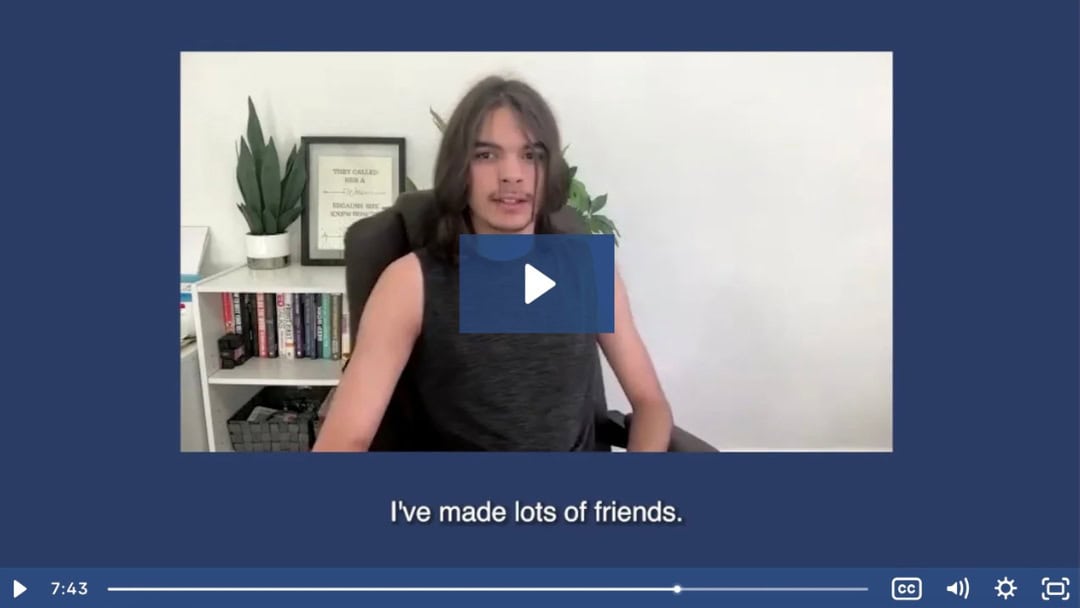
Some families also report meaningful developmental changes when physiological and foundational factors are addressed alongside specialized speech therapy. One example is Jake, a young man diagnosed with Childhood Apraxia of Speech who also experienced eczema, asthma, food allergies, gastrointestinal symptoms, and sensory differences early in life. In addition to speech therapy, his family pursued a comprehensive “total load” approach that included dietary changes, nutritional support, lifestyle and environmental modifications, and other therapies aimed at supporting his overall health, nervous system regulation, and developmental capacity.
Over time, his speech became more organized and functional, and many of his chronic health challenges improved as well. While every child’s developmental path is unique, stories like Jake’s highlight why some families and clinicians are increasingly exploring motor speech disorders through a more comprehensive whole-child lens. Jake’s story is shared publicly through Documenting Hope and can be viewed here.
Verbal Communicators and Non-Speakers with Motor Speech Disorders
Children with CAS exist along a wide continuum of speech and communication access. Some children are verbal communicators who produce spoken language, while others are non-speaking or have unreliable speech output due to the motor planning demands of speech. Because speech is an energetically complex process that relies on coordinated brain–body systems, differences in stamina, regulation, and physiological capacity may also influence the consistency of speech production in some children.
Children with CAS Who Are Verbal Communicators
Some children speak frequently but are difficult to understand. Their speech may sound inconsistent, effortful, or unclear. These children benefit from multi-sensory, motor-based speech therapy focused on building accurate motor plans through repetition, cueing, rhythm, and multisensory feedback.
Progress is often gradual but meaningful as the brain strengthens its pathways for speech motor planning.
The case vignette, Liam (previously shared), is a theoretical example of a child who has CAS and is a verbal communicator.
Children with Whole-Body Apraxia or Developmental Coordination Differences
For other children, motor planning challenges extend beyond speech into the entire body. Difficulties may include:
- Coordinating or initiating movements
- Imitating actions
- Gestures and pointing
- Feeding skills
- Daily motor tasks
Some of these children are non-speaking or unreliably speaking, not because they lack language, intelligence, or understanding, but because speech is one of the most motorically demanding tasks humans perform.
Language disorders can co-occur with motor speech disorders, and it is not uncommon for children to have challenges in both areas. However, it is important not to assume that language comprehension and/or cognition are impacted simply because speech is affected. A motor speech disorder reflects difficulty with the planning, initiation, and/or execution of speech movements, not necessarily a child’s ability to understand language, think, learn, or engage meaningfully with the world around them.
Presuming competence is especially important when supporting non-speaking children and individuals with significant motor planning differences. A child’s inability to speak reliably should never be mistaken for an absence of understanding, intelligence, awareness, or desire for connection. Many non-speaking individuals understand far more than they are physically able to express. When we presume competence, we provide access to language, education, communication systems, and meaningful participation rather than limiting opportunities based on spoken output alone.
For these children, communication must never be postponed while waiting for speech.
Augmentative and Alternative Communication (AAC)
Augmentative and Alternative Communication (AAC) provides ways for children to communicate when speech is difficult or unreliable. AAC supports language growth, emotional regulation, and social connection while speech skills continue to develop. When children can successfully communicate, frustration decreases and engagement increases, which supports learning across developmental domains.
AAC systems exist on a continuum, ranging from simple low-tech tools to more complex digital systems, depending on a child’s needs and abilities. Examples of AAC include but are not limited to:
Low-tech AAC
- Picture boards
- Communication books
- Printed symbols
Mid-tech AAC
- Simple voice-output buttons
High-tech AAC
- Speech-generating devices or communication apps
While AAC systems are designed to increase access to communication, the ability to functionally use these systems depends on a child’s underlying motor, sensory, and regulatory profile.
For some children who are non-speaking, minimally speaking, or unreliably speaking individuals and have significant whole-body motor planning differences, even the ability to functionally use a speech-generating AAC device can be challenging at first. This is not only due to gross or fine motor coordination, but also because of the complexity of ocular motor control, visual tracking, and the ability to isolate precise intentional movements needed to select symbols on a screen. When a child’s motor system is more globally impacted, they may need a different entry point into communication that prioritizes regulation, motor access, and connection between intention and movement before consistent device use becomes possible.
Developmentally, children typically build control over larger gross-motor movements before refining smaller and more precise fine-motor skills. Because speech is one of the finest and most-complex motor tasks, it can sometimes be supportive to first strengthen foundational motor systems through nervous system-regulation, movement, posture, coordination, and gross-motor development before expecting consistent fine motor control for communication. When a child’s nervous system is highly dysregulated, organized motor planning and intentional communication can become even more difficult. Work involving the body, hands, visual-motor coordination, and sensory-motor integration may indirectly support the development of increasingly organized motor control for speech and communication over time.
Many of these children and individuals have co-occurring neurodevelopmental differences, including motor speech disorders such as Childhood Apraxia of Speech, alongside autism and broader whole-body apraxia or developmental coordination disorder. In these cases, communication challenges are not isolated to speech alone but reflect overlapping motor planning and coordination differences that affect multiple systems of the body.
For some children with significant motor planning differences, traditional AAC access methods may still be challenging, requiring other alternative approaches to communication access.
Spelling-Based Systems
For these children, a structured, motor-based approach using spelling and letterboard communication systems may be supportive. One example is the Spellers Method™ developed by occupational therapist, Dana Johnson, PhD, MS, OTR/L. This method is an educational approach designed to support non-speaking or unreliably speaking individuals in developing communication through spelling or typing. It emphasizes building foundational motor skills, sensory regulation, and coordination, often beginning with whole-body regulation (such as heavy work or weightlifting), then moving towards supported movement to letterboards and gradually working to more independent forms of communication access. The focus is on helping the individual establish reliable motor pathways for expressive language, rather than relying solely on spontaneous pointing or touchscreen selection.
For children with strong literacy skills but severe motor speech challenges, letter boards or typing systems allow direct expression of complex thoughts and ideas.
AAC is a bridge to communication and autonomy. Regardless of the system used, the goal of AAC is always meaningful communication and connection.
“Once she had a reliable way to communicate, everything changed.”
The following case vignette is a hypothetical example based on clinical patterns commonly observed in practice and is included to illustrate presentation profiles and therapeutic considerations.
Maya is a teenager with profound, Level 3 autism, Childhood Apraxia of Speech, and whole-body motor planning differences consistent with developmental coordination challenges.
As a young child, Maya showed a strong understanding of language, routines, familiar people, and the world around her, despite being unable to express herself reliably through speech. Alongside speech challenges, she also had difficulty with imitation, gestures, and coordinated motor tasks across daily life, reflecting broader motor planning differences beyond speech alone.
Over the years, she participated in intensive speech therapy focused on motor planning, communication access, and functional participation. While she made gains in engagement and interaction, speech did not become a consistent or reliable communication system.
Augmentative and Alternative Communication (AAC) was introduced in early childhood, beginning with picture-based supports and later transitioning to a speech-generating device. Today, Maya uses her AAC device as her primary communication system.
With it, she can express needs, share thoughts, make choices, and participate meaningfully in school and daily life. Speech therapy continues alongside AAC, as ongoing support for motor planning and any emerging speech skills.
For Maya and her family, the shift was not about waiting for speech to unlock communication. It was about ensuring she always had a reliable way to be understood.
Dysarthria: When Execution Is the Challenge
Another type of motor speech disorder that can occur in children is called dysarthria. While Childhood Apraxia of Speech primarily involves difficulty planning and sequencing speech movements, dysarthria involves difficulty executing those movements due to differences in muscle strength, tone, coordination, or control.
In dysarthria, the brain is generally able to create the motor plan for speech, but the muscles involved in speaking may not move with the strength, precision, timing, or coordination needed for clear speech production. Dysarthria can occur in children with a variety of neurological or developmental conditions affecting the motor system.
Speech may sound:
- Slurred
- Slow
- Quiet
- Monotone
- Breathy or strained
Children with dysarthria may experience challenges with breath support, vocal quality, speech endurance, drooling, feeding, or oral motor coordination depending on the severity and underlying neurological involvement.
Unlike CAS, speech errors in dysarthria are often more consistent because the difficulty lies in movement execution rather than motor planning.
Speech therapy focuses on improving strength, coordination, breath support, motor control, and intelligibility while also supporting functional communication and participation in everyday life.
Concurrent CAS and Dysarthria
Some children present with characteristics of both Childhood Apraxia of Speech and dysarthria simultaneously. In these cases, the child may have difficulty planning speech movements and executing them efficiently due to underlying weakness, tone differences, or impaired coordination.
This combination can make speech especially difficult because the child is working to both create accurate motor plans for speech and physically carry those movements out with sufficient strength, stability, timing, and coordination.
These children may demonstrate:
- Inconsistent speech errors associated with CAS
- Vowel distortions and disrupted sequencing
- Slurred or weak speech quality
- Reduced breath support or vocal control
- Significantly reduced intelligibility
Speech may sound both inconsistent and effortful, with challenges that fluctuate depending on fatigue, motor demands, attention, and overall regulation.
Concurrent presentations are more commonly seen in children with broader neurological or complex neurodevelopmental conditions.
Because both motor planning and motor execution are impacted, therapy often requires a highly individualized approach that addresses movement accuracy, coordination, breath support, motor learning, regulation, and functional communication together.
Signs of a Possible Motor Speech Disorder
Parents are often the first to notice that something feels different about their child’s speech development. Motor speech differences involve challenges with planning, coordinating, and/or executing the movements required for speech, and they may present in a variety of ways across development.
Signs that may suggest a motor speech difference include:
- Speech that is harder to understand compared to peers
- Words that sound different each time they are produced
- Difficulty imitating sounds, syllables, or words
- Clearer automatic or familiar phrases compared to more spontaneous speech
- Frustration when trying to communicate
- Delayed or limited emergence of spoken words despite strong understanding of language
- Challenges with imitation, motor coordination, feeding, or other early motor skills alongside speech concerns
These signs do not confirm a diagnosis, but they can indicate that a comprehensive speech-language evaluation is important to better understand a child’s motor speech system and communication needs.
Why Early Identification Matters
Motor speech disorders can affect participation, learning, and social connections. Early identification allows for earlier access to intervention and more timely clarification of the child’s underlying motor speech profile.
If you have concerns about your child’s speech, language, and/or communication, it is important to seek the consultation and guidance of a certified speech-language pathologist (SLP). An SLP can help determine whether your child may have a motor speech disorder or another type of speech-language or communication difference, while also providing individualized therapy recommendations and supportive strategies for home and everyday interactions.
Depending on the child’s age, profile, and needs, intervention may include:
- Frequent individualized therapy
- Intensive motor practice
- Multisensory cueing
- Strong caregiver involvement
- Supportive communication systems when needed
For children under 3 years old in the United States, families may also be able to access evaluation and therapy services through their state’s Early Intervention program under Part C of the Individuals with Disabilities Education Act (IDEA). Parents can self-refer for an evaluation in many states, and services may include speech therapy, occupational therapy, physical therapy, developmental support, and other early childhood services depending on the child’s needs.
Parents play a central role. Everyday interactions provide powerful opportunities for practice when approached in supportive, low-pressure ways.
Seeing the Child Beyond the Speech
Motor speech disorders remind us that communication is fundamentally about connection.
A child who struggles to speak is not lacking ideas or intelligence. Their brain is working harder to coordinate one of the most complex motor tasks humans perform while also navigating development across multiple systems at once.
For children with motor speech disorders, and non-speaking and unreliably speaking individuals, it is essential to presume competence. Communication differences should not determine whether a child is viewed as capable, intelligent, emotionally aware, or worthy of meaningful inclusion. Many children understand far more than they can reliably express. When children are provided with appropriate supports, such as communication access, regulation support, and opportunities to participate, they often demonstrate understanding and abilities that others may not have previously recognized.
When we support regulation, movement, sensory needs, and communication together, we create conditions for growth.
With individualized, informed therapies that support motor planning and the brain-body connection, supportive environments, access to communication tools, and foundational supports including nervous-system regulation, nutrition, and overall physiological well-being, children with motor speech differences can develop meaningful and effective ways to share their voices with the world.
About Shandy Watters (Laskey) MA CCC-SLP FNTP
Shandy Watters (Laskey) is an integrative speech-language pathologist and pediatric feeding specialist, as well as a Functional Nutritional Therapy Practitioner, and Documenting Hope Health Coach.
She is a fierce nutrition advocate for children impacted by complex picky eating, neurodevelopmental disorders, and special needs. She is continuously advancing her knowledge in functional and bio-individual nutrition therapies for these specific demographics of children.

Shandy is the founder and CEO of Speaking of Health & Wellness, LLC. Through her own health and wellness journey, she learned the profound impact of nutrition and lifestyle on cognition and overall well-being first hand. Shandy has an intense passion for integrating holistic nutrition and lifestyle strategies into her work with families. She provides virtual and local parent coaching to guide families on identifying ways to address the underlying causes of their child’s condition and/or related symptoms, while also teaching integrative strategies for learning, behavior, communication and mealtimes.
Still Looking for Answers?
Visit the Documenting Hope Practitioner Directory to find a practitioner near you.
Join us inside our online membership community for parents, Healing Together, where you’ll find even more healing resources, expert guidance, and a community to support you every step of your child’s healing journey.
Sources & References
Adam, G., et al. The influence of choline treatment on behavioral and neurochemical autistic-like phenotype in Mthfr-deficient mice. Transl Psychiatry. 2020 Sep 18;10(1):316.
Bauer, A.Z., et al. Prenatal paracetamol exposure and child neurodevelopment: A review. Horm Behav. 2018 May:101:125-147.
Borre, Y.E., et al. Microbiota and neurodevelopmental windows: implications for brain disorders. Trends Mol Med.2014 Sep;20(9):509-18.
Cardinal, D.N., et al. The Maturing of Facilitated Communication: A Means Toward Independent Communication. Res. Pract. Persons Severe Disabil. 2014; (39)189–194.
Courchesne, V., et al. Autistic children at risk of being underestimated: school-based pilot study of a strength-informed assessment. Molecular Autism. 2015 Mar 6;6:12.
Frye, R.E., et al. Folinic acid improves verbal communication in children with autism and language impairment: a randomized double-blind placebo-controlled trial. Mol Psychiatry. 2018 Feb; 23(2): 247–256.
Gabis, L.V., et al. Improvement of Language in Children with Autism with Combined Donepezil and Choline Treatment. J Mol Neurosci. 2019 Oct;69(2):224-234.
Hamlin, J.C., et al. Dietary intake and plasma levels of choline and betaine in children with autism spectrum disorders. Autism Res Treat. 2013;2013:578429.
Jadavji, N.M., et al. B-vitamin and choline supplementation increases neuroplasticity and recovery after stroke. Neurobiol Dis. 2017 Jul;103:89-100.
Jaswal, V.K., et al. Eye-tracking reveals agency in assisted autistic communication. Scientific Reports. 2020 May 12;10(1):7882.
Koegel, L.K., et al. Definitions of Nonverbal and Minimally Verbal in Research for Autism: A Systematic Review of the Literature. J Autism Dev Disord. 2020 Aug;50(8):2957-2972.
Langley, E.A., et al. High maternal choline consumption during pregnancy and nursing alleviates deficits in social interaction and improves anxiety-like behaviors in the BTBR T+Itpr3tf/J mouse model of autism. Behav Brain Res. 2015 Feb 1;278:210-20.
Morris, C.R., et al. Syndrome of allergy, apraxia, and malabsorption: characterization of a neurodevelopmental phenotype that responds to omega 3 and vitamin E supplementation. Alternative Therapies in Health and Medicine. Jul-Aug 2009;15(4):34-43.
Resseguie, M.E., et al. Aberrant estrogen regulation of PEMT results in choline deficiency-associated liver dysfunction. J Biol Chem. 2011 Jan 14;286(2):1649-58.
Schlosser, R.W., et al. Effects of augmentative and alternative communication intervention on speech production in children with autism: a systematic review. Am J Speech Lang Pathol. 2008 Aug;17(3):212-30.
Shriberg, L.D., et al. Estimates of the prevalence of speech and motor speech disorders in persons with complex neurodevelopmental disorders. Clin Linguist Phon. 2019;33(8):707-736.
Skripuletz, T., et al. The choline pathway as a strategy to promote central nervous system (CNS) remyelination. Neural Regen Res. 2015 Sep;10(9):1369-70.
Warner, B.B. The contribution of the gut microbiome to neurodevelopment and neuropsychiatric disorders. Pediatr Res. 2019 Jan;85(2):216-224.
Woodbury, M.L., et al. Examining the relationship of acetaminophen use during pregnancy with early language development in children. Pediatr Res. 2023 Dec 11.
Zaigham, M., et al. Prelabour caesarean section and neurodevelopmental outcome at 4 and 12 months of age: an observational study. BMC Pregnancy and Childbirth. 2020 (20)564.
Zeisel, S.H. Choline: Critical Role During Fetal Development and Dietary Requirements in Adults. Annu Rev Nutr.2006;26:229-50.