
Most doctors will not be concerned if your child’s cholesterol levels are low because of the current (misguided) medical thinking about high cholesterol and heart disease. However, low cholesterol can be a red flag for many children and adults who have levels below 160 when the optimum range is typically seen as 180 to 200.
Fortunately, through the excellent work of William Shaw PhD and Great Plains Laboratory (now Mosaic Diagnostics), low cholesterol is now being recognized in children with autism, depression, PANS/PANDAS and other neuropsychiatric conditions.
There is also a genetic disorder called Smith-Lemli-Opitz Syndrome (SLOS) found in children who lack a particular enzyme that manufactures cholesterol in the body. These children have extremely low levels of around 50 or 60, and many of them also have symptoms of autism.
Why Cholesterol?
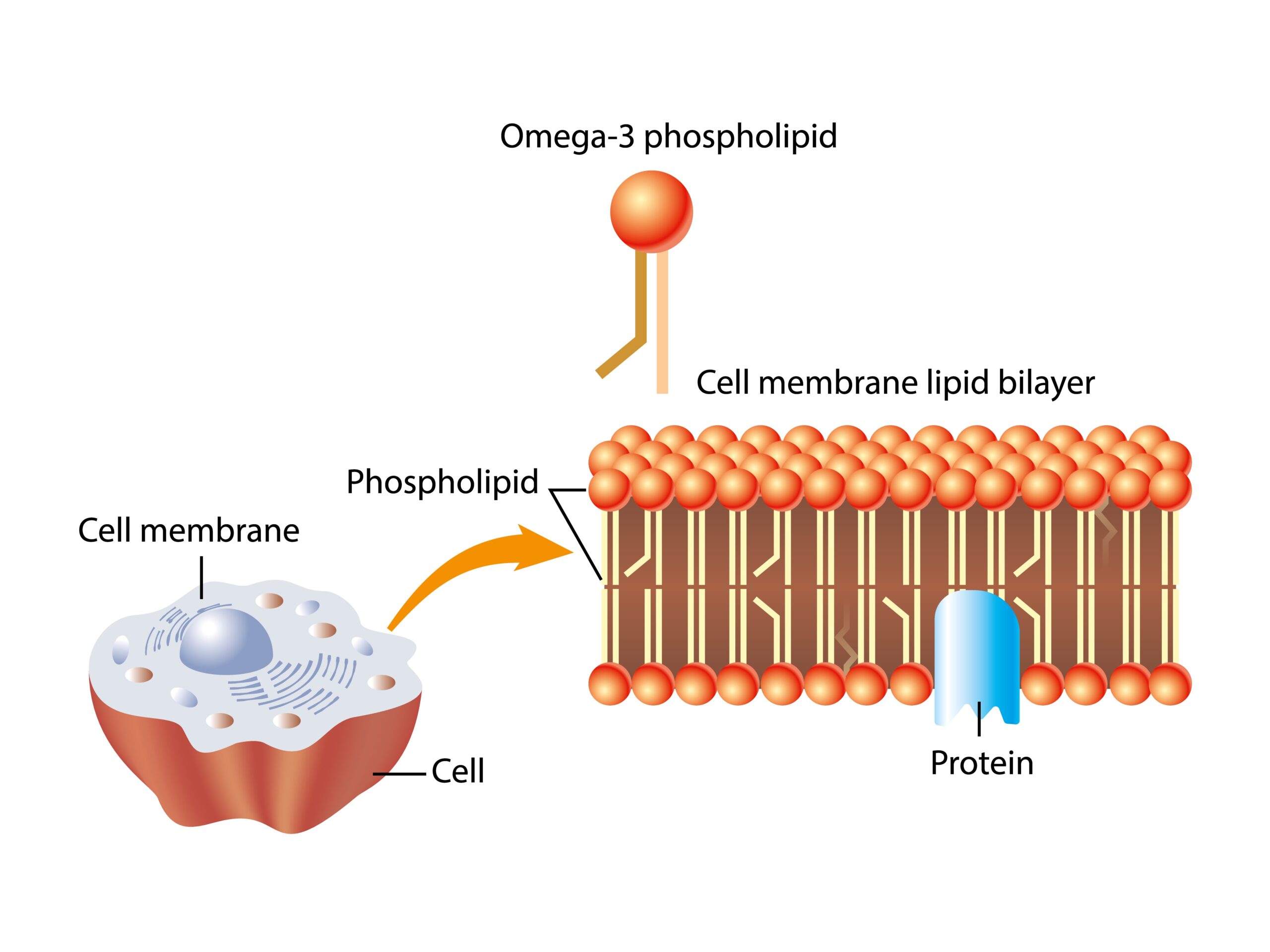
Cholesterol makes up about 30% to 40% of our cell membrane, which assists our cells in cell-to-cell communication by creating a strong membrane structure for our cells ensures a strong overall metabolism. It is also critical to many important functions such as:
- Production of the myelin sheath, which insulates the nerve fibers crucial for nerve function in the brain and central nervous system
- Precursor to all sex hormones: testosterone, estrogen, progesterone, DHEA, and gonads
- Production of cortisol, which is the stress hormone that helps control inflammation and regulates sodium and potassium levels in the body
- Production of adrenal glands hormones, which control the fight or flight emotion
- Production of fat soluble vitamins A, D, E, and K
- Brain functioning to help modulate gamma-aminobutyric acid (GABA), to maintain serotonin in the brain and to insulate neurons
- Production of bile salts which facilitate getting fats from the gastrointestinal tract into cells
- Movement of healthy bile flow is needed for fat absorption
- Activation of a developmental protein called Sonic Hedgehog (SHH)
- Development of T-cells in the thymus which regulates the immune system
The Neuropsychiatric Link
Children with neuropsychiatric disorders that have low cholesterol can have:
Once cholesterol levels begin to rise, these symptoms may begin to improve.
Sources of Cholesterol
Eggs are one of the most effective ways to increase cholesterol because they have 250 mg of it in each egg. However, if your child is allergic or sensitive to eggs (which many children today are), New Beginnings sells Sonic Cholesterol which is 250 mg of non-egg derived pure cholesterol that can be ordered through Kurt Woeller, DO. Wild salmon can also be added to your child’s diet and nutritional supplements such as phosphatidylcholine (PC) and essential fatty acids (EFAs).
To create a healthy bile flow in order to improve fat absorption, taurine and glycine may be necessary to supplement. Cholesterol levels will increase slowly, but cognitive, behavioral and other changes may happen quickly.
Cholesterol Screening
Ask your practitioner to screen your child with a neuropsychiatric conditions for cholesterol as well as important markers for cholesterol transport such as:
- Apolipoprotein A-1 (Apo A-1)
- Apolipoprotein B (Apo B)
- Lipoprotein
- Homocysteine
About Teresa Badillo
In the 1980s she worked overseas in Rome, Italy at the Japanese Embassy in the office of the United Nations (FAO) as a speech writer. She also began her long journey in alternative healing while living in Rome.
After moving to New York and while raising her family of seven children, Teresa embarked on a mission to find alternative non-invasive biomedical, therapeutic, sensory and educational solutions for autism after the diagnosis of her son in the early 1990s.

She won a court case in 1995 against the Rockland County School District in New York to enable ARC Prime Time for Kids to be the first school using Applied Behavioral Analysis teaching method for autism that was paid for by the Rockland County School District. The following year she was instrumental in getting the New York Minister of Education to approve an extension of the ARC license from 5 to 21 years.
She has worked over the years in a number of alternative medical practices with doctors and practitioners organizing various biomedical intervention options for children with autism. Since the mid 1990s, Teresa has served on several boards:
- Foundation for Children with Developmental Disabilities
- The Autoimmunity Project
- Developmental Delayed Resources
- Epidemic Answers
She continues to consult and advise parents on all different areas of autism especially nutritional protocols. Since 2006 she has worked with NutraOrgana, LLC and BioCellular Analysis Testing. She currently researches, writes the newsletter and blogs Teresa’s Corner for The Autism Exchange (AEX). She also writes blog posts and pages for Documenting Hope.
Still Looking for Answers?
Visit the Documenting Hope Practitioner Directory to find a practitioner near you.
Join us inside our online membership community for parents, Healing Together, where you’ll find even more healing resources, expert guidance, and a community to support you every step of your child’s healing journey.
Sources & References
Björkhem, I., et al. Brain cholesterol: long secret life behind a barrier. Arterioscler Thromb Vasc Biol. 2004 May;24(5):806-15.
Hjell, G., et al. Disentangling the relationship between cholesterol, aggression, and impulsivity in severe mental disorders. Brain Behav. 2020 Sep;10(9):e01751.
Hussain, G., et al. Role of cholesterol and sphingolipids in brain development and neurological diseases. Lipids Health Dis. 2019 Jan 25;18(1):26.
Lehto, S.M., et al. Low serum HDL-cholesterol levels are associated with long symptom duration in patients with major depressive disorder. Psychiatry Clin Neurosci. 2010 Jun;64(3):279-83.
Luo, Y., et al. A multidimensional precision medicine approach identifies an autism subtype characterized by dyslipidemia. Nat Med. 2020 Sep;26(9):1375-1379.
Orth, M., et al. Cholesterol: its regulation and role in central nervous system disorders. Cholesterol. 2012:2012:292598.
Pillai, R.R., et al. Low serum levels of High-Density Lipoprotein cholesterol (HDL-c) as an indicator for the development of severe postpartum depressive symptoms. PLoS One. 2018 Feb 14;13(2):e0192811.
Shin, J.Y., et al. Are cholesterol and depression inversely related? A meta-analysis of the association between two cardiac risk factors. Ann Behav Med. 2008 Aug;36(1):33-43.
Steegmans, H.P., et al. Higher prevalence of depressive symptoms in middle-aged men with low serum cholesterol levels. Psychosom Med. 2000 Mar-Apr;62(2):205-11.
Suarez, E.C. Relations of trait depression and anxiety to low lipid and lipoprotein concentrations in healthy young adult women. Psychosom Med. 1999 May-Jun;61(3):273-9.
Vilibić, M., et al. Association between total serum cholesterol and depression, aggression, and suicidal ideations in war veterans with posttraumatic stress disorder: a cross-sectional study. Croat Med J. 2014 Oct;55(5):520-9.