
What Is a Mind-Set?
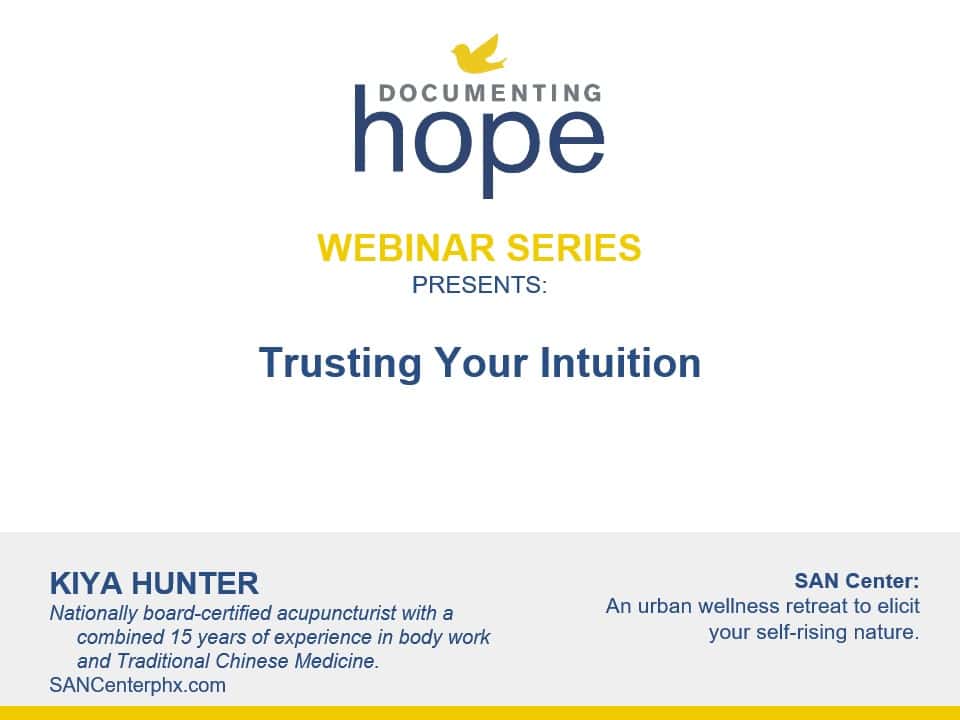
Our mind-set is the perspective from which we see ourselves and our children, others and the world, and it can inform the healing process in many ways – depending on whether we are stuck in a “fixed mind-set” and feeling hopeless or find ourselves in more of a solution-oriented, healing frame of mind, known as a “growth-mindset.” Either mind-set can become habitual.
What Informs Our Mind-Set?
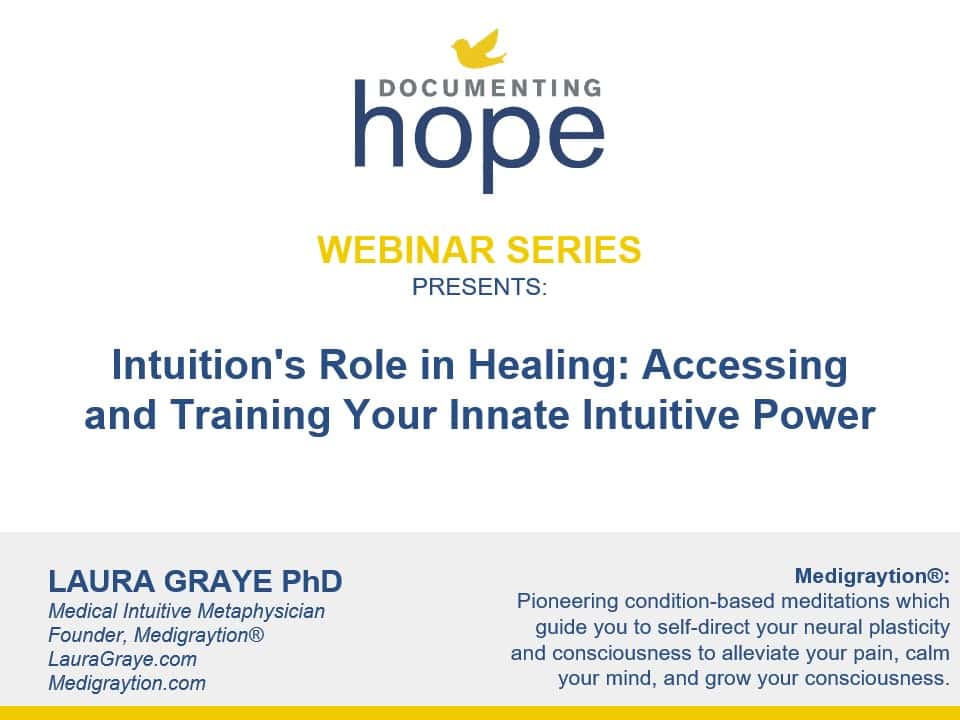
Along with familiar repetitive thinking, many things influence the evolution of our perspectives (consciously and subconsciously) – for example, personal experiences, culture, our upbringing, social networks, politics, even the news we choose and most of these sources of “information” are external. We can, however, enrich our understanding or find a deeper level of discernment about what is true, from within, through our own intuition. Intuition like better mind-sets, can be developed with deliberate practice and careful repetition.
What Do Mind-Set and Intuition Have to Do with a Child’s Healing Journey?
Mind-set (either individual or institutional) and intuition can both influence a child’s health journey. For example, some parents seem to have an inner knowing, and follow a gut feeling, that their child has more potential than meets the eye. This can lead a parent to solutions that others might not even imagine possible. Whether a child gets a diagnosis of autism, Down Syndrome or another complicated condition, parents often hear the message that their child’s symptoms are untreatable or “just a natural part of the condition.” Even expert opinions can distract them from their inner sense of knowing. This is due in part to a stuck or limited mind-set within the medical community about what is treatable or reversible – it is called diagnosis overshadowing and often leaves parents devoid of real solutions.
Let’s be clear, there is no doubt that navigating the health care system for a child or even managing the day-to-day parental responsibilities of a child’s special needs can feel overwhelming, disheartening and at times, completely hopeless. Receiving a diagnosis of autism, or cancer, or an autoimmune disorder like diabetes, for example, can set parents back into a state of dread or paralyzing fear. We often hear from parents of children who have overcome life-threatening illnesses or have improved their health against great odds, that they had to “lean into another’s story of hope” until they found their own.
How Might Intuition + Science Lead to Hope and Healing?
Dr. Erica Peirson is a great example of raising awareness and defeating the problem of diagnostic overshadowing. She works almost exclusively with families of children with Down Syndrome (DS) and is scientifically rigorous in her approach to investigating and addressing the root causes of her patient’s symptoms – many of which are reversible. An example of parents overcoming the diagnostic overshadowing in their child with DS is documented here.
How does a science-driven doctor overcome biases, stigmas, and fixed mind-sets to demonstrate to others the great potential for children with a known chronic condition? How does she continue to help families change their perspectives on what is “just a natural part” of their child’s diagnosis? She is that parent with a “growth-mindset,” one that other parents can lean on when they can’t find hope elsewhere. As a parent/physician myself, I have a “gut feeling” that both Dr. Peirson and those who seek her help must know, deep inside, that there is hope for their child, that science and intuition will unite.
Developing Intuition
How Do We Access Intuition?
Intuition requires a well-regulated nervous system. There are appropriate times for the sympathetic branch of our nervous system to reach a state of “fight-flight-freeze-or-fawn.” For instance, when we are facing imminent danger, our body automatically employs a cell danger response to protect us. But it is critical that we can also access the parasympathetic, the “rest-digest-growth-repair” state for these functions and to tap into our intuition. A well-regulated nervous system sets the stage for developing intuition and a growth mind-set. If our nervous system can’t regulate, we get stuck or fixed.
Practical Steps for Developing “Parental Intuition”
Parental intuition is the quiet, inner voice nudging us toward decisions that may ultimately prove beneficial for our children. Trusting our intuition becomes even more important in the realm of healthcare, which is often laden with conflicting advice, varying expert opinions, and a continually evolving body of scientific research. It acts as a compass, helping us sift through this clutter and zero in on what is most beneficial for our child.
Learning how to stay (or efficiently return) to a state of calm and centeredness will help a parent and child in the long term, not only for reasons of coregulation, but also by allowing both to become receptive to those gut feelings that help guide them to the best solutions for their unique circumstances. Learn to pay attention to what makes your gut feel good and/or excited in a reassuring way (which would indicate that something is intuitively a good idea) as well as what gives you a heavy, muddled or negative feeling (your intuition telling you this is not a good idea, at least not now).
Developing parental intuition can play an important role in navigating a variety of health interventions for children. If you’re feeling overwhelmed and are receiving conflicting information from practitioners about which direction to take in helping your child, it might be time to learn how to calm your nervous system so that you can tap into your intuition. Being in a state of stress or fight-or-flight usually means that we cannot access the discernment of our intuition. Instead, we are more likely to make fear-based, kneejerk decisions.
Whether you are a parent or not (whether you are a doctor, health coach, or other health care provider) and you want to manifest a calm and intuitive approach to decision making for yourself or a child, consider the following:
Removing or Minimizing Sources of Fear-Based Information
Television news programs, certain kinds of movies and shows, and even many types of social media are designed to get a negative reaction from you or to encourage you to decide based in fear. Some information sources use negativity for marketing, because they know “if it bleeds, it leads”. Challenge yourself to read about the news rather than watch or listen to it. You’ll not only get a greater understanding of a certain situation, but you’ll also be less susceptible to getting stuck in the self-reinforcing loop of feelings fear, dread and uncertainty. Remember that when you remain in a state of fear, you can’t access the appropriate part of your brain and nervous system for intuition.
Using Meditation, Prayer and Breathwork
Techniques such as meditation, prayer and breathwork can calm the mind and make it more receptive to intuitive guidance. Each of these practices has been strongly correlated with healing, wellness, and repair – physically and mentally. When you are in a relaxed state, you are better able to distinguish between rational thought and intuitive insight. The nice thing about these approaches is that they are free and accessible to you anytime and anywhere!
Getting Outside in Natural Light
There are many things about being outside in nature that help you to become more grounded and to be less stressed. Take advantage of this fact by intentionally getting into nature to reconnect with your inner knowing. Being in quiet, uncrowded places especially helps. Seek out nature trails, quiet beaches or other natural settings to be able to tap into your own intuition.
Use Calming Therapies
There are a mutlitude of therapies that can help you (and your child) achieve a state of calmness. Look into:
Journaling and Reflection
Keep a journal in which you track your own or your child’s symptoms, treatments tried, and the gut feelings you had during decision-making. This can be extraordinarily revealing over time. New patterns may emerge or old resolve, further building and reinforcing your ability to trust intuitive insights.
Using Subconscious Mind Strategies
Set an intention to access the power of your subconscious mind (using certain techniques above, such as meditation or prayers) just before going to sleep or directly after waking. These are times when your mind and body are particularly good at recalibrating, to access intuition, and develop a more solution-oriented wisdom. Parents can pose questions related to their child’s health before bed, allowing their subconscious to work on these problems during sleep. Give thanks for reassurances or insights that come your way.
The Power of Intuitive Guidance
The practice of trusting your intuition—that inner knowing or gut feeling—is a powerful tool in navigating the complex landscape of your child’s health. Parental intuition serves as an irreplaceable guide. Whether through mindfulness practices, mind-body therapies, or continuous self-education, you can learn to continually improve and trust your intuitive abilities.
Being calm and not stuck in fear is key to tapping into intuition and a growth mind-set. It is extremely difficult to access that inner sense of knowing (or literally the necessary part of your brain) when stressed, worried or overwhelmed. It helps to think like an emergency worker. When confronted with a potentially dangerous situation, an EMT, police officer, or social worker must learn to remain or return to calm. They know if their own nervous system is dysregulated when they enter a bad scene, they will likely only contribute to the problem. People who fly are used to hearing this important refrain too, before each plane takes off, “…in case of an emergency, adults must put on their own oxygen masks before assisting any children.”
Fear and hope, just like reactivity and receptivity, have a hard time co-existing, and they can even compete for resources. Fortunately, those with even a flicker of hope or mind-set that is open to receiving more discernment, can use tools and techniques to return to a state of calm (even if briefly) to support healing. From an internally quiet place, propose a question (aloud or silently), and learn to listen or “watch” for an answer – the kind of answer that comes from a deep sense of knowing. Reinforcing this habit, may bring more healing to your child, and even offer others a hope they can lean in to.
About Heather Tallman Ruhm MD
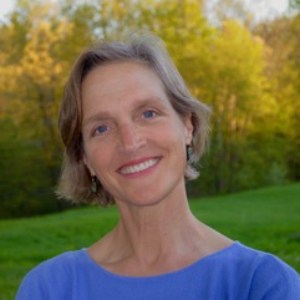
Heather Tallman Ruhm MD is the Medical Director of the Documenting Hope Project. She is a Board Certified Family Physician whose primary focus is whole-person health and patient education. She draws on her conventional western training along with insights and skills from functional, integrative, bioregulatory and energy medicine. She believes in the healing capacities of the human frame and supports the power of self-regulation to help her patients recover and access vitality.
About Maria Rickert Hong CHHC
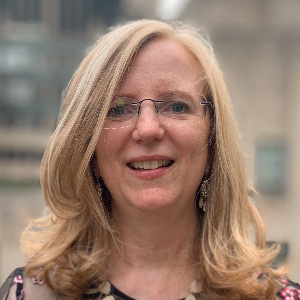
Maria Rickert Hong is a Co-Founder of, and the Education and Media Director for, Documenting Hope.
She is a former sell-side Wall Street equity research analyst who covered the oil services sector at Salomon Smith Barney and Lehman Brothers under Institutional Investor #1 ranked analysts.
Later, she covered the gaming, lodging & leisure sector at Jefferies & Co. and Calyon Securities. She quit working on Wall Street when her first son was born.
Prior to working on Wall Street, she was a marketing specialist for Halliburton in New Orleans, where she also received her MBA in Finance & Strategy from Tulane University.
She is the author of the bestselling book Almost Autism: Recovering Children from Sensory Processing Disorder and the co-author of Brain Under Attack: A Resource for Parents and Caregivers of Children with PANS, PANDAS, and Autoimmune Encephalitis. She is a co-author of Reversal of Autism Symptoms among Dizygotic Twins through a Personalized Lifestyle and Environmental Modification Approach: A Case Report and Review of the Literature, J. Pers. Med. 2024, 14(6), 641.
Maria is also a Certified Holistic Health Counselor. Her work can be found on DocumentingHope.com, Healing.DocumentingHope.com, Conference.DocumentingHope.com and MariaRickertHong.com
Still Looking for Answers?
Visit the Documenting Hope Practitioner Directory to find a practitioner near you.
Join us inside our online membership community for parents, Healing Together, where you’ll find even more healing resources, expert guidance, and a community to support you every step of your child’s healing journey.