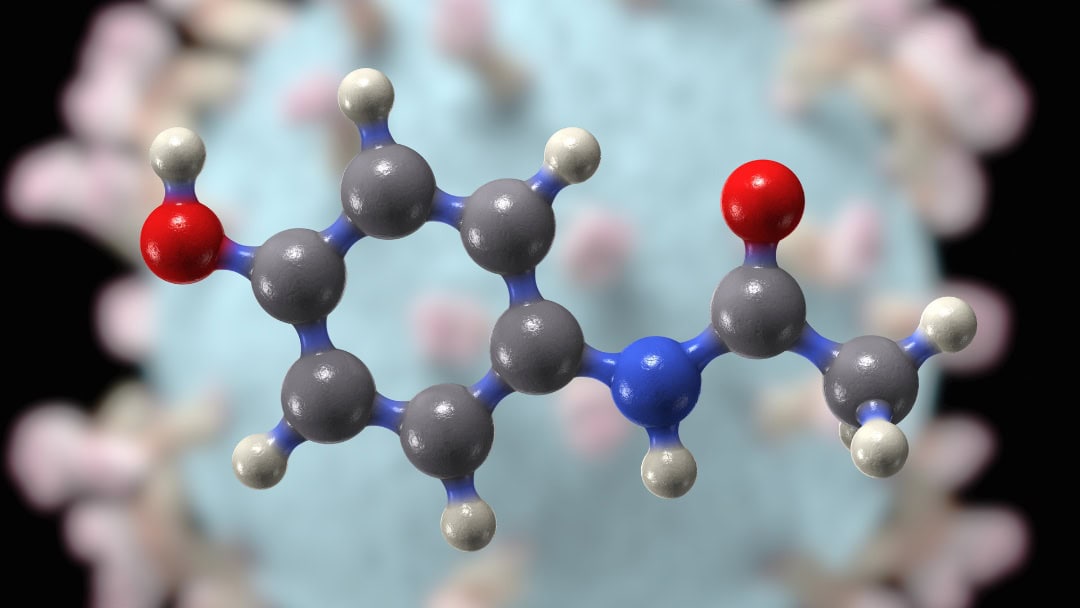
Acetaminophen is the generic name for Tylenol, and it is also known as paracetemol in countries outside of the United States. Parents, doctors and researchers have been questioning its potential link to autism and ADHD for decades. In this blog post by Teresa Badillo, she digs into why this common medication is increasingly a suspected contributor to the rising rates of these (and other) neurodevelopmental disorders.
Is Acetaminophen (Tylenol) as Safe as We Think It Is?
There was a time when doctors were very concerned about what women would eat or drink during the first three months of pregnancy due to the adverse affects on the fetus. Anti-inflammatory drugs, alcohol, cigarettes, or any kind of toxic pathogen would strongly be advised against usage as per doctor’s orders. It was customary thinking that throughout the rest of the pregnancy the intention was to keep the fetus safe from any kind of harmful toxins. Women found more natural ways to deal with aches, pains and headaches when they occurred. The focus was on keeping the fetus safe and healthy.
Doctors today do not hesitate to recommend Tylenol (acetaminophen/paracetemol) as the most common and widely used anti-inflammatory drug for pregnant women. The American College of Obstetricians and Gynecologists (ACOG) maintains that acetaminophen usage during pregnancy is safe if it is used in moderation. Doctors generally feel that since acetaminophen does not negatively affect the COX-1 enzymes in the gut lining of the gastrointestinal tract and rarely causes bleeding in the mucosal lining of the gut that it must be safe. This is only part of the Tylenol story.
In the short term, acetaminophen can cause symptoms such as nausea and vomiting as well as stomach pain, headache, hoarseness, loss of appetite, itching, rash, dark urine, clay-colored stools and swelling of the face, throat, tongue, or limbs. Too much acetaminophen can cause liver damage and sometimes serious enough to require a liver transplant. In fact, research shows that acetaminophen is the most common drug-related acute cause of liver failure.
What is now becoming apparent is that medical research studies have been showing since at least 2008 that there is sufficient evidence that acetaminophen can negatively affect the developing brain of a fetus, which may result in a possible connection between acetaminophen and autism as well as ADHD. The questions pregnant women need to ask before taking acetaminophen are:
- What amount of acetaminophen is considered safe?
- What amount of acetaminophen is considered to be in moderation?
- What is really happening to the developing brain of the unborn child when taking acetaminophen?
Acetaminophen and the Developing Fetus
The following factors documented in peer-reviewed medical-research studies (see Sources & References, below) increasingly point to the strong possibility that acetaminophen may be a contributory factor to a child’s development of autism. Please remember that our organization does not subscribe to the “silver bullet” theory of autism causation, meaning we don’t believe that one single factor is responsible. Instead, we believe that the total load of stressors such as nutritional deficiencies, toxicity, gut dysbiosis, inflammation and immune dysregulation are part of a “perfect storm” of root causes that coalesce to make a child more susceptible to chronic health conditions, including neurodevelopmental disorders. Mounting amounts of research studies increasingly support our beliefs:
- Acetaminophen can cross the blood-brain barrier and enter the protected part of the brain: the hippocampus, a very complex part of the brain that is responsible for memory and learning.
- Acetaminophen is a neuroendocrine disrupter because it negatively impacts the developing brain of the fetus by reducing testosterone production. This will affect hormonal development which ultimately plays a very crucial role in fetal brain development.
- Acetaminophen increases oxidative stress by increasing free radicals and reducing the number of antioxidants to get rid of them. This disrupts normal neural development and could potentially increase the risk of autism.
- Acetaminophen reduces glutathione, the master antioxidant in the body. Many children with autism have poor transsulfuration and methylation which means they can’t make glutathione or activate many important neurotransmitters; so, they have impaired detoxification pathways to excrete toxins from the body.
- Acetaminophen overproduces mediators which cause acute and chronic inflammation especially in the developing brain creating an environment for autism to emerge.
Keep in mind, that while acetaminophen does not directly cause autism, it sets the stage, so all the biomedical players combine with other contributing factors, in addition to acetaminophen, and begin to accumulate and play their role in the development of autism in a child under the age of three. This is a very crucial and critical time for a child’s brain to develop ideally in an environment with the least amount of toxicity.
What Do Medical Studies Say?
The evidence in peer-reviewed medical-research journals keeps building to show that there is a definite correlation between a mother’s use of acetaminophen during pregnancy and a child’s risk of developing autism and/or ADHD. Below is a selected timeline of studies. You can find even more studies in the Sources & References section at the bottom of this post.
- In 2015, the International Society for Autism Research stated that acetaminophen use during early pregnancy increases a child’s risk of autism and hyperactivity symptoms by 51%.
- In 2016, a study in the International Journal of Epidemiology showed that a single use of acetaminophen during pregnancy increased the risk of autism by 41%.
- In 2020, an article in JAMA Psychiatry documented the association of pregnant women with acetaminophen in cord-blood samples had higher rates of autism in their children.
- The European Journal of Epidemiology showed in May 2021 that children who are exposed to acetaminophen in the womb are 19% more likely to have autism symptoms.
- Acetaminophen is most harmful during the first trimester. In an e-publication in September 2021, 91 medical experts issued a Consensus Statement in the medical journal Nature Reviews Endocrinology warning of the potential link between acetaminophen and autism. Twenty-six out of the 29 studies indicated prenatal exposure to acetaminophen which negatively impacts fetal brain development, increasing autism. Most detrimental effects were from long-term use and exposure during the thir trimester and at birth.
- In March 2022, researchers published their findings in Frontiers in Toxicology showing that fetal exposure to acetaminophen impacts brain development in mice. Even low doses can cause negative effects of oxidative stress on a developing brain and risk of brain damage.
- In July 2022, a systematic review of 16 high-quality papers showed an association between acetaminophen use and autism spectrum disorders, intelligent quotient (IQ), attention-deficit/hyperactivity disorder (ADHD), isolated language, attention and executive function, communication, behavior, and psychomotor development.
- A March 2024 study found that acetaminophen causes neurodevelopmental injury in susceptible babies and children.
Fallout on the Families
Over time, it became very evident from so many families of children with autism who claimed that the extensive use of Tylenol, the branded version of acetaminophen sold by Johnson & Johnson, during pregnancy was the primary reason for their child’s autism diagnosis. Something needed to be done. Autism families began filing lawsuits against Johnson & Johnson as well as Tylenol retailers.
By August of 2023, there were more than 440 lawsuits filed against Johnson & Johnson and thousands of claims made against drug manufacturers in addition to retailers like Walmart, Family Dollar, 7-Eleven and Dollar Tree. At the beginning of 2024, there were 685 reports to the FDA Adverse Event Reporting System (FAERS) about acetaminophen having a connection to their child’s autism and 299 FAERS reports for ADHD.
Families pursuing lawsuits all said they would have never taken the pain medication if they had been aware of the potential risk for autism. They felt that Tylenol bottles did not have adequate warning on their labels. Woman also felt that labels should have indicated that pregnant women should use the lowest effective dose possible for the shortest period. Unfortunately, for families living with autism, it is always “after the fact” that parents become aware of information that could have helped prevention, if known.
According to lawyer Matthew Dolman, “How are women supposed to know how much Tylenol is safe to take while pregnant and what the risks are, especially if the manufacturer doesn’t even have to mention it on the bottle?” Given all the evidence, it seems that the higher the dose of acetaminophen, the longer the use, and depending on which trimester, the greater the risk.
Safer Pain-Relief Alternatives
In conclusion, consider trying pain-relief alternatives to acetaminophen (with your practitioner’s guidance) to keep your unborn baby protected.
- Turmeric
- Ginger
- Boswellia
- Fever few
- Clove oil
- Lavender
- Massage
- Eucalyptus
- Peppermint
- Rosemary
- Hot pepper
- Water
- Acupuncture
- Magnesium
- Epsom salt baths
- Yoga
- Tiger Balm
- Riboflavin
- Exercise
- Anti-inflammatory diet
- Low-glycemic diet
To learn more about these and other pain-relief ideas, see Teresa’s blog post about how to reduce inflammation without NSAIDs.
About Teresa Badillo
In the 1980s she worked overseas in Rome, Italy at the Japanese Embassy in the office of the United Nations (FAO) as a speech writer. She also began her long journey in alternative healing while living in Rome.
After moving to New York and while raising her family of seven children, Teresa embarked on a mission to find alternative non-invasive biomedical, therapeutic, sensory and educational solutions for autism after the diagnosis of her son in the early 1990s.

She won a court case in 1995 against the Rockland County School District in New York to enable ARC Prime Time for Kids to be the first school using Applied Behavioral Analysis teaching method for autism that was paid for by the Rockland County School District. The following year she was instrumental in getting the New York Minister of Education to approve an extension of the ARC license from 5 to 21 years.
She has worked over the years in a number of alternative medical practices with doctors and practitioners organizing various biomedical intervention options for children with autism. Since the mid 1990s, Teresa has served on several boards:
- Foundation for Children with Developmental Disabilities
- The Autoimmunity Project
- Developmental Delayed Resources
- Epidemic Answers
She continues to consult and advise parents on all different areas of autism especially nutritional protocols. Since 2006 she has worked with NutraOrgana, LLC and BioCellular Analysis Testing. She currently researches, writes the newsletter and blogs Teresa’s Corner for The Autism Exchange (AEX). She also writes blog posts and pages for Documenting Hope.
Still Looking for Answers?
Visit the Documenting Hope Practitioner Directory to find a practitioner near you.
Join us inside our online membership community for parents, Healing Together, where you’ll find even more healing resources, expert guidance, and a community to support you every step of your child’s healing journey.
Sources & References
Alemany, S., et al. Prenatal and postnatal exposure to acetaminophen in relation to autism spectrum and attention-deficit and hyperactivity symptoms in childhood: Meta-analysis in six European population-based cohorts. Eur J Epidemiol. 2021 Oct;36(10):993-1004.
Avella-Garcia, C.B., et al. Acetaminophen use in pregnancy and neurodevelopment: attention function and autism spectrum symptoms. Int J Epidemiol. 2016 Dec 1;45(6):1987-1996.
Baker, B.H., et al. Association of Prenatal Acetaminophen Exposure Measured in Meconium With Risk of Attention-Deficit/Hyperactivity Disorder Mediated by Frontoparietal Network Brain Connectivity. JAMA Pediatrics. 2020 Sep 28;e203080.
Baker, B.H., et al. Sex-specific neurobehavioral and prefrontal cortex gene expression alterations following developmental acetaminophen exposure in mice. Neurobiol Dis. 2023 Feb:177:105970.
Bauer, A.Z., et al. Paracetamol use during pregnancy - a call for precautionary action. Nat Rev Endocrinol. 2021 Dec;17(12):757-766.
Bauer, A.Z., et al. Prenatal paracetamol exposure and child neurodevelopment: A review. Horm Behav. 2018 May:101:125-147.
Beasley, R.W., et al. Acetaminophen use and risk of asthma, rhinoconjunctivitis, and eczema in adolescents: International Study of Asthma and Allergies in Childhood Phase Three. Am J Respir Crit Care Med. 2011 Jan 15;183(2):171-8.
Bittker, S.S., et al. Postnatal Acetaminophen and Potential Risk of Autism Spectrum Disorder among Males. Behav Sci (Basel). 2020 Jan 1;10(1):26.
Blecharz-Klin, K., et al. Early paracetamol exposure decreases brain-derived neurotrophic factor (BDNF) in striatum and affects social behaviour and exploration in rats. Pharmacol Biochem Behav. 2018 May:168:25-32.
Bornehag, C.G., et al. Prenatal exposure to acetaminophen and children's language development at 30 months. Eur Psychiatry. 2018 Jun:51:98-103.
Brandlistuen, R.E., et al. Prenatal paracetamol exposure and child neurodevelopment: a sibling-controlled cohort study. Int J Epidemiol. 2013 Dec;42(6):1702-13.
Cendejas-Hernandez, J., et al. Paracetamol (acetaminophen) use in infants and children was never shown to be safe for neurodevelopment: a systematic review with citation tracking. Eur J Pediatr. 2022 May;181(5):1835-1857.
Chen, M.H., et al. Prenatal Exposure to Acetaminophen and the Risk of Attention-Deficit/Hyperactivity Disorder: A Nationwide Study in Taiwan. J Clin Psychiatry. 2019 Sep 10;80(5):18m12612.
Chopyk, D.M., et al. Acetaminophen Intoxication Rapidly Induces Apoptosis of Intestinal Crypt Stem Cells and Enhances Intestinal Permeability. Hepatol Commun. 2019 Jul 15;3(11):1435-1449.
Cook, S.F., et al. Neonatal Maturation of Paracetamol (Acetaminophen) Glucuronidation, Sulfation, and Oxidation Based on a Parent-Metabolite Population Pharmacokinetic Model. Clin Pharmacokinet. 2016 Nov;55(11):1395-1411.
Dewall, C.N., et al. Acetaminophen reduces social pain: behavioral and neural evidence. Psychol Sci. 2010 Jul;21(7):931-7.
Doran, T.F., et al. Acetaminophen: more harm than good for chickenpox? J Pediatr. 1989 Jun;114(6):1045-8.
Durso, G.R.O., et al. Over-the-Counter Relief From Pains and Pleasures Alike: Acetaminophen Blunts Evaluation Sensitivity to Both Negative and Positive Stimuli. Psychol Sci. 2015 Jun;26(6):750-8.
Ewing, L.E., et al. Paradoxical Patterns of Sinusoidal Obstruction Syndrome-Like Liver Injury in Aged Female CD-1 Mice Triggered by Cannabidiol-Rich Cannabis Extract and Acetaminophen Co-Administration. Molecules. 2019 Jun 17;24(12):2256.
Faucher, M.A. Acetaminophen In Pregnancy May Not Be As Safe As Previously Thought. J Midwifery Womens Health. 2014 Sep-Oct;59(5):541-2.
Golding, J., et al. Associations between paracetamol (acetaminophen) intake between 18 and 32 weeks gestation and neurocognitive outcomes in the child: A longitudinal cohort study. Paediatr Perinat Epidemiol. 2020 May;34(3):257-266.
Good, P. Did acetaminophen provoke the autism epidemic? Altern Med Rev. 2009 Dec;14(4):364-72.
Good, P. Evidence the U.S. autism epidemic initiated by acetaminophen (Tylenol) is aggravated by oral antibiotic amoxicillin/clavulanate (Augmentin) and now exponentially by herbicide glyphosate (Roundup). Clin Nutr ESPEN. 2018 Feb:23:171-183.
Graeca, M., et al. Impaired brainstem auditory evoked potentials after in utero exposure to high dose paracetamol exposure. Hear Res. 2024 Dec:454:109149.
Green, M.D., et al. Hepatotoxicity of acetaminophen in neonatal and young rats. I. Age-related changes in susceptibility. Toxicol Appl Pharmacol. 1984 Jun 15;74(1):116-24.
Hay-Schmidt, A., et al. Prenatal exposure to paracetamol/acetaminophen and precursor aniline impairs masculinisation of male brain and behaviour. Reproduction. 2017 Aug;154(2):145-152.
Homme, J.S., et al. Randomised controlled trial: Prophylactic paracetamol at the time of infant vaccination reduces the risk of fever but also reduces antibody response. Evid Based Med. 2010 Apr;15(2):50-1.
Inoue, K., et al. Behavioral Problems at Age 11 Years After Prenatal and Postnatal Exposure to Acetaminophen: Parent-Reported and Self-Reported Outcomes. Am J Epidemiol. 2021 Jun 1;190(6):1009-1020.
Ji, Y. Association of Cord Plasma Biomarkers of In Utero Acetaminophen Exposure With Risk of Attention-Deficit/Hyperactivity Disorder and Autism Spectrum Disorder in Childhood. JAMA Psychiatry. 2020 Feb 1;77(2):180-189.
Jones III, J.P., et al. Considering the Acetaminophen/Autism Connection in the Light of New Evidence. Preprints.org. 7 Sep 2026. (Not peer-reviewed version)
Jones III, J.P., et al. Evaluating the Role of Susceptibility Inducing Cofactors and of Acetaminophen in the Etiology of Autism Spectrum Disorder. Life (Basel). 2024 Jul 23;14(8):918.
Kanno, S.I., et al. Glutathione peroxidase 3 is a protective factor against acetaminophen‑induced hepatotoxicity in vivo and in vitro. Int J Mol Med. 2017 Sep;40(3):748-754.
Khan, F.Y., et al. A Systematic Review of the Link Between Autism Spectrum Disorder and Acetaminophen: A Mystery to Resolve. Cureus. 2022 Jul 18;14(7):e26995.
Klein, R.M., et al. Gestational exposure to paracetamol in rats induces neurofunctional alterations in the progeny. Neurotoxicol Teratol. 2020 Jan-Feb:77:106838.
Kreiner-Møller, E., et al. Infant acetaminophen use associates with early asthmatic symptoms independently of respiratory tract infections: the Copenhagen Prospective Study on Asthma in Childhood 2000 (COPSAC(2000)) cohort. J Allergy Clin Immunol. 2012 Dec;130(6):1434-6.
Liew, Z., et al. Acetaminophen use during pregnancy, behavioral problems, and hyperkinetic disorders. JAMA Pediatr. 2014 Apr;168(4):313-20.
Liew, Z., et al. Maternal use of acetaminophen during pregnancy and risk of autism spectrum disorders in childhood: A Danish national birth cohort study. Autism Res. 2016 Sep;9(9):951-8.
Liew, Z., et al. Paracetamol use during pregnancy and attention and executive function in offspring at age 5 years. Int J Epidemiol. 2016 Dec 1;45(6):2009-2017.
Liew, Z., et al. Prenatal Use of Acetaminophen and Child IQ: A Danish Cohort Study. Epidemiology. 2016 Nov;27(6):912-8.
Liew, Z., et al. Use of Negative Control Exposure Analysis to Evaluate Confounding: An Example of Acetaminophen Exposure and Attention-Deficit/Hyperactivity Disorder in Nurses' Health Study II. Am J Epidemiol. 2019 Apr 1;188(4):768-775.
McCrae, J.C., et al. Long-term adverse effects of paracetamol - a review. Br J Clin Pharmacol. 2018 Oct;84(10):2218-2230.
Miller, R.P., et al. Acetaminophen elimination kinetics in neonates, children, and adults. Clin Pharmacol Ther. 1976 Mar;19(3):284-94.
Parker, S.E., et al. Maternal acetaminophen use during pregnancy and childhood behavioural problems: Discrepancies between mother- and teacher-reported outcomes. Paediatr Perinat Epidemiol. 2020 May;34(3):299-308.
Parker, W., et al. Evidence that acetaminophen triggers autism in susceptible individuals has been ignored and mishandled for more than a decade. Journal of the Academy of Public Health. 26 Oct 2025.
Parker, W., et al. Hypothesis: Emerging Evidence Might Suggest That Increases in Cannabis Use Disorder Following Legalization of Recreational Cannabis Significantly Contribute to Socioeconomic-Dependent Increases in the Prevalence of Autism Spectrum Disorder. Preprints.org. 9 Apr 2026. (This version is not peer-reviewed.)
Parker, W., et al. The Dangers of Acetaminophen for Neurodevelopment Outweigh Scant Evidence for Long-Term Benefits. Children (Basel). 2023 Dec 29;11(1):44.
Parker, W., et al. The role of oxidative stress, inflammation and acetaminophen exposure from birth to early childhood in the induction of autism. J Int Med Res. 2017 Apr;45(2):407-438.
Patel, E., et al. The safety of pediatric use of paracetamol (acetaminophen): a narrative review of direct and indirect evidence. Minerva Pediatr (Torino). 2022 Dec;74(6):774-788.
Philippot, G., et al. Adult neurobehavioral alterations in male and female mice following developmental exposure to paracetamol (acetaminophen): characterization of a critical period. J Appl Toxicol. 2017 Oct;37(10):1174-1181.
Philippot, G., et al. Paracetamol (Acetaminophen) and its Effect on the Developing Mouse Brain. Front Toxicol. 2022 Mar 22:4:867748.
Posadas, I., et al. Acetaminophen induces apoptosis in rat cortical neurons. PLoS One. 2010 Dec 10;5(12):e15360.
Prada, D., et al. Evaluation of the evidence on acetaminophen use and neurodevelopmental disorders using the Navigation Guide methodology. Environ Health. 2025 Aug 14;24(1):56.
Rigobello, C., et al. Perinatal exposure to paracetamol: Dose and sex-dependent effects in behaviour and brain's oxidative stress markers in progeny. Behav Brain Res. 2021 Jun 25:408:113294.
Roberts, I.D., et al. Acetaminophen influences social and economic trust. Sci Rep. 2019 Mar 11;9(1):4060.
Saad, A., et al. Is There a Causal Relation between Maternal Acetaminophen Administration and ADHD? PLoS One. 2016 Jun 13;11(6):e0157380.
Schultz, S., et al. Effects of the analgesic acetaminophen (Paracetamol) and its para-aminophenol metabolite on viability of mouse-cultured cortical neurons. Basic Clin Pharmacol Toxicol. 2012 Feb;110(2):141-4.
Schultz, S.T., et al. Acetaminophen (paracetamol) use, measles-mumps-rubella vaccination, and autistic disorder: the results of a parent survey. Autism. 2008 May;12(3):293-307.
Schultz, S.T. Can autism be triggered by acetaminophen activation of the endocannabinoid system? Acta Neurobiol Exp (Wars). 2010;70(2):227-31.
Shaw, W. Evidence That Increased Acetaminophen Use in Genetically Vulnerable Children Appears to Be a Major Cause of the Epidemics of Autism, Attention Deficit with Hyperactivity, and Asthma. Journal of Restorative Medicine, Volume 2, Number 1, 10 January 2013, pp. 14-29(16).
Shaw, W. Hypothesis: 2 Major Environmental and Pharmaceutical Factors-Acetaminophen Exposure and Gastrointestinal Overgrowth of Clostridia Bacteria Induced By Ingestion of Glyphosate-Contaminated Foods-Dysregulate the Developmental Protein Sonic Hedgehog and Are Major Causes of Autism. Integr Med (Encinitas). 2024 Jul;23(3):12-23.
Stergiakouli, E., et al. Association of Acetaminophen Use During Pregnancy With Behavioral Problems in Childhood: Evidence Against Confounding. JAMA Pediatr. 2016 Oct 1;170(10):964-970.
Suda, N., et al. Therapeutic doses of acetaminophen with co-administration of cysteine and mannitol during early development result in long term behavioral changes in laboratory rats. PLoS One. 2021 Jun 25;16(6):e0253543.
Sznajder, K.K., et al. Maternal use of acetaminophen during pregnancy and neurobehavioral problems in offspring at 3 years: A prospective cohort study. PLoS One. 2022 Sep 28;17(9):e0272593.
Thompson, J.M.D., et al. Associations between acetaminophen use during pregnancy and ADHD symptoms measured at ages 7 and 11 years. PLoS One. 2014 Sep 24;9(9):e108210.
Tovo-Rodrigues, L., et al. Is intrauterine exposure to acetaminophen associated with emotional and hyperactivity problems during childhood? Findings from the 2004 Pelotas birth cohort. BMC Psychiatry. 2018 Nov 20;18(1):368.
Trønnes, J.N., et al. Prenatal paracetamol exposure and neurodevelopmental outcomes in preschool-aged children. Paediatr Perinat Epidemiol. 2020 May;34(3):247-256.
VanRyzin, J.W., et al. Vulnerability of the Neonatal Rat Brain to Sub-Hepatotoxic Doses of Acetaminophen and Evidence for Fetal Protection. SSRN. 14 Nov 2026.
Viberg, H., et al. Paracetamol (acetaminophen) administration during neonatal brain development affects cognitive function and alters its analgesic and anxiolytic response in adult male mice. Toxicol Sci. 2014 Mar;138(1):139-47.
Vigo, M.B., et al. Acute acetaminophen intoxication induces direct neurotoxicity in rats manifested as astrogliosis and decreased dopaminergic markers in brain areas associated with locomotor regulation. Biochem Pharmacol. 2019 Dec:170:113662.
Vlenterie, R., et al. Neurodevelopmental problems at 18 months among children exposed to paracetamol in utero: a propensity score matched cohort study. Int J Epidemiol. 2016 Dec 1;45(6):1998-2008.
Woodbury, M.L., et al. Examining the relationship of acetaminophen use during pregnancy with early language development in children. Pediatr Res. 2023 Dec 11.
Woodbury, M.L., et al. The relationship of prenatal acetaminophen exposure and attention-related behavior in early childhood. Neurotoxicol Teratol. 2024 Jan-Feb:101:107319.
Ystrom, E., et al. Prenatal Exposure to Acetaminophen and Risk of ADHD. Pediatrics. 2017 Nov;140(5):e20163840.
Zhao, L., et al. Acetaminophen causes neurodevelopmental injury in susceptible babies and children: no valid rationale for controversy. Clin Exp Pediatr. 2024 Mar;67(3):126-139.
Resources
Articles
James, Joseph. Infant Girls Exposed to Acetaminophen in the Womb Had Smaller Ovaries While U.S. Pregnancy Guidance Stays Unchanged. Medical Daily. 10 Sep 2026.
Miller, Cara Michelle. Tylenol During Pregnancy Linked to Smaller Testes in Infant Boys. Epoch Health. 11 Nov 2026.
Books
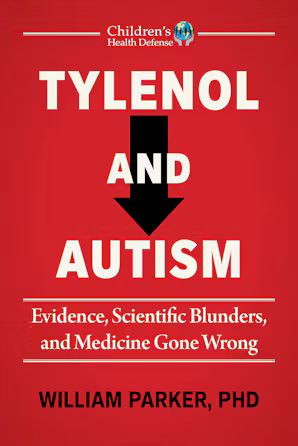
Parker, William. Tylenol and Autism: Evidence, Scientific Blunders, and Medicine Gone Wrong. Childrens Health Defense Books. 23 Jun 2026.
Videos
Shaw, William. Increased Acetaminophen Use Appears to Be Major Cause of the Epidemics of Autism. YouTube. 17 Jul 2015.
WPLaboratory. Acetaminophen and Autism : Evidence, Scientific Blunders, and Medicine Gone Wrong | Nov 2026. YouTube. 3 Nov 2026.
Websites