What Are Nose, Throat and Ear Infections?
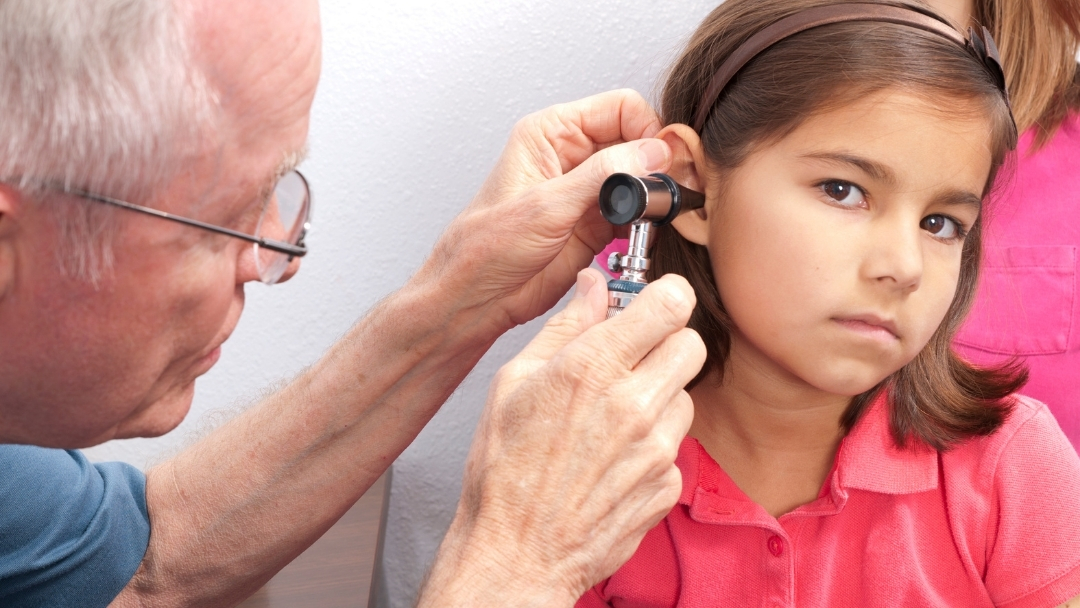
Nose, throat and ear infections are very common today, especially within the first couple of years of life. Infections can occur in the middle ear, tonsils, adenoids, sinuses, or other parts of these small, moist areas. Doctors who treat these infections are ear, nose and throat doctors, or simply, ENTs.
More children suffer from upper respiratory infections than ever before. Some diagnoses familiar to many parents are:
- Otitis media
- Conjunctivitis
- Allergies
- Rhinitis
- Hay fever
- Sinusitis
- Strep throat
Some specialists believe that chronic nose, throat and ear infections, and using antibiotics to treat them, may lead to developmental delays, ADHD and/or autism.
What Your Doctor May Tell You About Nose, Throat and Ear Infections
Pediatric ENTs usually diagnose infections in the ears, nose and throat with conventional tools such as swabs, x-rays, lab tests, CT scans, and by taking a medical history. Standard, conventional treatment protocols usually include medications, such as antibiotics, to treat the infections, surgery to remove infected tissues or place ear tubes, or even both medications and surgery.
If infections are chronic, doctors often prescribe prophylactic or long term usage of antibiotics, sometimes accompanied by the insertion of ear tubes in a procedure called a tympanostomy. These tubes are believed to reduce recurrent ear infections by draining persistent fluid in the middle-ear cavity, which causes the mucous membrane to become inflamed, making it very susceptible to an infection by whatever bacteria are lurking in the nose and throat. The Mayo Clinic estimates that somewhere beetween 700,000 and 1 million ear tube insertion procedures are done every year in the United States in an effort to prevent further ear infections. That gives you an idea of just how significant of a problem recurrent ear infections are in modern American children.
Another Way to Think About Infections of the Ears, Nose and Throat
If they are recurring and persistent, common childhood infections of the ears, nose and throat could be symptoms of underlying immune dysfunction often related to gut dysbiosis, nervous system dysregulation, food and environmental allergies, toxicity, nutritional deficiencies or other underlying imbalances. Chronic upper respiratory infections may also be allergy-related or could be related to toxic mold exposures. Many integrative and holistic practitioners view recurring infections as “soft signs” that something deeper and more significant may be going on with a child’s body. It is important to understand that recurrent infections mean there are either underlying imbalances in a child’s body or environmental exposures (such as mold) that need to be addressed.
Children with recurrent infections often have other symptoms such as:
- Red ears
- Dark circles under the eyes
- Skin rashes
- Hyperactivity
- Delayed development
Doris Rapp, MD found that treating the underlying issues involving the immune system allows the body to heal itself naturally, and without unnecessary side effects from invasive treatments. Her book, Is This Your Child?, is a must-read for any parent interested in alternatives to medication and surgery.
The Role of Food Allergies
In a classic 1994 study, another allergist Talal Nsouli, MD at Georgetown University School of Medicine noticed that many of the children he treated for food allergies also had chronic ear infections or hearing loss. He began to wonder: Could allergies be causing their ear problems?
Intrigued, Nsouli and his colleagues gave three standard allergy tests to children aged 18 months to nine years to check for sensitivities to foods, including milk, wheat, eggs, and peanuts. All had had either a three-month bout with otitis media (inflammation of the middle ear) or had repeated episodes over a period of five months. In his sample of 104 children, 81 children showed allergies, most of them to milk or wheat.
For the next four months, offending foods were eliminated from their diets. Seventy got better. When the foods were then added back, and within four months, 66 children got ear infections again–strong evidence that allergies and ear infections are linked. Nsouli suggests that parents whose children have persistent ear infections ask their pediatricians about allergy testing.
Ear, Nose and Throat Healing Checklist
Below are some non-pharmaceutical treatment strategies that are commonly used to treat ear, nose and throat infections.
Commonly used homeopathic remedies:
Ear infections:
- Apis mellifica
- Belladonna
- Pulsatilla
- Combination homeopathic ear drops
Eye infections:
- Hepar sulphur
- Combination homeopathic eye drops
Throat infections
- Mercurius vivus
- Mercurius solubilis
- Combination homeopathic throat sprays
Consider using homeopathic cells salts which can be effective at strengthening the body’s overall resilience.
Herbal or Holistic Approaches Commonly Used by Integrative Practitioners
For recurrent ear infections:
- Garlic/mullein ear oil
- Echinacea
- Evaluation for food sensitivities, reflux, allergies, enlarged adenoids, or immune dysfunction (it may be especially important to remove dairy and wheat)
- Colloidal silver
- Immune-supportive herbs and vitamins such as echinacea, Vitamin C, Vitamin D, Zinc
For sinus infections:
- Andrographis
- Pelargonium
- Elderberry
- Thyme
- Saline nasal irrigation (Neti pots)
- Xylitol nasal rinses and sprays
- Colloidal silver rinses and sprays
- Immune-supportive herbs and vitamins such as echinacea, Vitamin C, Vitamin D, Zinc
For throat infections:
- Sage gargles
- Propolis throat sprays
- Licorice or marshmallow tea
- Immune-supportive herbs and vitamins such as echinacea, Vitamin C, Vitamin D, Zinc
- Colloidal silver, saline gargles and xylitol sprays
- Olive leaf extract sprays
- Zinc sprays
Consider chiropractic, osteopathic, or cranial sacral therapy
Chiropractic care, osteopathic manipulative treatment, and craniosacral therapy are often used as supportive therapies for recurrent ear infections, sinus infections, and throat infections because they aim to improve drainage and circulation in the head, neck, and lymphatic system. Restrictions in the bones and soft tissues of the skull, jaw, neck, and upper spine can contribute to poor drainage of the middle ear, sinuses, and lymphatic tissues surrounding the throat. Techniques designed to improve mobility of these structures may help reduce congestion, support normal function of the Eustachian tubes and sinuses, and enhance the body’s ability to clear fluid and inflammatory byproducts. These therapies may also help improve nervous system function which will support improved immunity and help the body to more effectively fight infections.
Still Looking for Answers?
Visit the Documenting Hope Practitioner Directory to find a practitioner near you.
Join us inside our online membership community for parents, Healing Together, where you’ll find even more healing resources, expert guidance, and a community to support you every step of your child’s healing journey.
Sources & References
Adams, J.D., et al. Otitis Media and Related Complications Among Children with Autism Spectrum Disorders. J Autism Dev Disord. 2016 May;46(5):1636-42.
Bell, I.R., et al. Homeopathic medications as clinical alternatives for symptomatic care of acute otitis media and upper respiratory infections in children. Global Adv Health Med. 2013 Jan;2(1):32-43.
Frieri, M. Asthma linked with rhinosinusitis: An extensive review. Allergy Rhinol (Providence). 2014;5(1):41-9.
Jacobs, J., et al. Homeopathic treatment of acute otitis media in children: a preliminary randomized placebo-controlled trial. Pediatric Infect Dis J. 2001 Feb;20(2):177-83.
Juntti, H., et al. Cow’s milk allergy is associated with recurrent otitis media during childhood. Acta Otolaryngol. 1999;119:867–873.
Konstantareas, M.M., et al. Ear infections in autistic and normal children. Journal of Autism and Developmental Disorders. 1987 Dec;17(4):585-94.
Nsouli, T.M., et al. The role of food allergy in serious otitis media. Ann Allergy. 1994 Sep; 66:91.
Perry, R., et al. The effectiveness of homeopathy in relieving symptoms and reducing antibiotic use in patients with otitis media: A systematic review and meta-analysis. Heliyon. 2024 Oct 15;10(20):e39174.
Ramakrishnan, J.B.. The role of food allergy in otolaryngology disorders. Curr Opin Otolaryngol Head Neck Surg. 2010;18:195–199.
Taylor, J.A., et al. Homeopathic Ear Drops as an Adjunct in Reducing Antibiotic Usage in Children With Acute Otitis Media. Global Pediatr Health. 2014 Nov 21;1:2333794X14559395.
Zemotti, E.M., et al. Otitis media with effusion and atopy: is there a causal relationship? World Allergy Organ J. 2017; 10(1): 37.
Resources
Videos
Greenburg, Julie.OAT 101: Fundamentals of the Organic Acids Test. Mosaic Diagnostics. 5 Oct 2023.
Woeller, Kurt. Clostridia Bacteria, Autism, and the Organic Acids Test (OAT). Mosaic Diagnostics. 18 Jan 2024.
Woeller, Kurt. The Organic Acid Test (OAT) & Autism: A Scientific Breakthrough in Care with Kurt Woeller, DO. Mosaic Diagnostics. 10 Mar 2025.
Websites
Organic Acids Test. Mosaic Diagnostics.