
What Are Autoimmune Disorders?
Autoimmune disorders are inflammatory conditions in which antibodies, protein molecules produced by the body’s immune system, attack and destroy healthy body tissue. Doctors recognize more than 100 types of autoimmune disorders, including:
- Chronic bronchitis
- Rheumatoid arthritis
- Type 1 diabetes
- Celiac disease
- Crohn’s disease
- Chronic Lyme disease
- Psoriasis
- Lupus
- Scleroderma
Women are twice as likely to develop an autoimmune illness. Estimates from the NIH and the Autoimmune Association are that 15 – 50 million Americans have an autoimmune disorder. Currently, no reliable tests are available to determine whether someone has an autoimmune disorder.
In a healthy individual, antibodies respond to and attack only alien substances, such as bacteria and viruses, or anything they view as an invader. In immune-compromised individuals, however, antibodies cannot distinguish between “alien” and “self,” and seem to target “self”, producing antibodies called auto-antibodies. This process is similar to “friendly fire” in a military battle, where soldiers inadvertently kill members of their own armies.
Auto-antibodies can be created in healthy bodies. When this happens, the body’s natural backup system attacks them as invaders, destroying or suppressing them.
Auto-immune disorders result when one or more of the following occurs:
- The immune system is triggered by a pathogen, chemical or other alien invader, creating auto-antibodies that attack the “self”.
- Auto-antibodies are not destroyed or suppressed by the body’s backup system, resulting in an overabundance of them.
- Once the immune system begins to attack itself, the body finds it more and more difficult to differentiate between self and invader. As a result, additional triggers can cause the formation of more auto-antibodies, and a vicious cycle begins.
- As the number of auto-antibodies increases, significant inflammation causes organ and system damage, resulting in an autoimmune disorder diagnosis.
Neurodevelopmental Disorders as Autoimmune Disorders
Interestingly, research has linked auto-antibodies not just to physical disorders, but to a variety of learning and developmental disorders, such as ADHD, Autism Spectrum Disorders (ASD), and chronic mood ailments (see Sources & References, below). Learn more about autism as an autoimmune condition:
- [The Impact of Neuroimmune Alterations in Autism Spectrum Disorder.]
- [Systemic auto-antibodies in children with autism.]
Symptoms of Autoimmune Disorders
Symptoms of autoimmune disorders can range from very mild and vague to severe:
- Fatigue
- Headaches
- Muscle or joint aches
- Anxiety
- Depression
- Digestive problems
- Memory problems
- Swollen glands
- Yeast infections
- Sleep disturbances
What Your Doctor May Tell You About Autoimmune Disorders
Doctors generally explain that autoimmune disorders result when the immune system has turned itself on and gone into overdrive from an unknown trigger. Recommended treatment will be to suppress that mechanism by gathering information utilizing case histories, symptom checklists, physical exams, blood tests, radiography results and biopsies. Blood tests may include:
- Antinuclear antibodies
- Autoantibodies
- CBC with differential
- C-reactive protein
- ESR
- Food sensitivities/allergies
- Hormone levels
- Organ function
- IgA antibodies
Doctors commonly believe that the causes of autoimmune disorders are largely unknown. For some of the specific disorders, they might blame genes, medications, chemicals, infections, and unknown triggers. For example:
- Chronic bronchitis: Caused by air pollutants, cold air, respiratory infections, pollen, animal dander, and dust mites
- Lupus: Caused by sunlight, infections, and medications
- Rheumatoid arthritis: Caused by genes, obesity, and unknown environmental triggers
- Colitis: Associated with medicines, chemicals, and infections
- Psoriasis: Genetic
- Autism: Caused by abnormalities in the brain
Treatments offered by doctors are usually limited to pharmaceutical management of symptoms, including pain and behavioral abnormalities. These include hormone replacement, corticosteroids, strong immune-suppressants, pain-suppressing medications, anti-depressants and anti-psychotics, and injections.
Another Way to Think About Autoimmune Disorders
Those interested in addressing possible causes, not masking symptoms, believe that autoimmune disorders are not separate, unrelated conditions. Rather, they can occur when the body is overburdened by the cumulative effect of a toxic load from various sources. This cumulative load is called the total load.
One third of the cause is thought to be related to genes; two-thirds of the autoimmune factors come from the environment, diet, and lifestyle, all of which affect gut health and the diversity of the gut microbiome.
Symptoms occur when the body is overburdened. This overburdened condition is caused by a blend of:
- Nervous-system dysregulation due to modern living practices leaves individuals stuck in a constant state of fight-or-flight, stress and anxiety.
- Genetic susceptibility from a number of genes – the more you have, the more of a chance you’ll be vulnerable.
- Environmental triggers, including toxic exposures to heavy metals, mold, chemicals, pesticides, pharmaceuticals, petroleum products, silica, cigarette smoke and ultra-violet radiation.
- Dietary and lifestyle choices, including consumption of foods containing gluten, casein, too much sugar and sugar substitutes, artificial colors, flavors and preservatives; too little sleep; not enough exercise, and too little contact with nature and dirt.
- Infections from bacteria and viruses, which can be low level and chronic, such as Epstein-Barr, herpes, Candida, Lyme and strep that continuously challenge and activate the immune system.
The Role of PANS/PANDAS and Lyme Disease
A growing body of scientific research (see Sources & References, below) suggests that chronic infections and “stealth pathogens” may play an underrecognized role in autoimmune and inflammatory diseases. Viruses, bacteria, fungi, and other microbes can sometimes persist in the body long after an initial infection, hiding within tissues, biofilms, cells, or the gut microbiome in ways that make them difficult for the immune system to fully eliminate.
Researchers have identified associations between autoimmune diseases and infectious agents such as Epstein-Barr virus, enteroviruses, Lyme-related infections, mycoplasma, streptococcal infections, and mycobacterial species. In some cases, the immune system may continue mounting an inflammatory response because it perceives an ongoing threat that has not been adequately resolved.
The Body Is Not Confused
At Documenting Hope, we believe the body is intelligent and adaptive, not “confused” or randomly attacking itself. From a systems-biology and total-load perspective, autoimmune activity may reflect the body’s attempt to protect itself and restore balance in the face of unresolved stressors, including persistent infections, microbiome disruption, environmental toxicants, chronic stress, nervous-system dysregulation, nutrient depletion, and inflammatory lifestyle factors.
When the body becomes overwhelmed by cumulative burdens, the immune system may remain chronically activated in an effort to clear threats it can no longer effectively resolve. This broader understanding shifts the conversation away from suppressing symptoms alone and toward identifying and addressing the underlying contributors that may be driving chronic inflammation and immune dysregulation in the first place. We invite you to explore diet and lifestyle modifications as well as therapies, supports and healing modalities that can bring the body back into balance.
Autoimmune Disorders Healing Checklist
Regulate the Nervous System
The body cannot heal if it is in a state of stress. Learn more here about the cell danger response theory; the article is in reference to autism, but you can apply the principles to other chronic health conditions as well. Learn more here about mind, body and spirit therapies that you can use to lower stress response. In addition, there are therapies such as pediatric neurologic chiropractic like that from PXDocs, as well as Brain Harmony, reflex integration and other neurodevelopmental therapies that can help to lower the body’s stress from a physiological standpoint.
Learn more here about how improving vagal tone helps to improve the body’s response to stress. Vagus-nerve stimulation can help with sleep dysregulation and lower feelings of stress and anxiety. Using a heart-rate variability (HRV) monitor can help you and your child determine what variables such as bedtime, diet composition, and stress are affecting the body’s stress response.
Heal the Gut
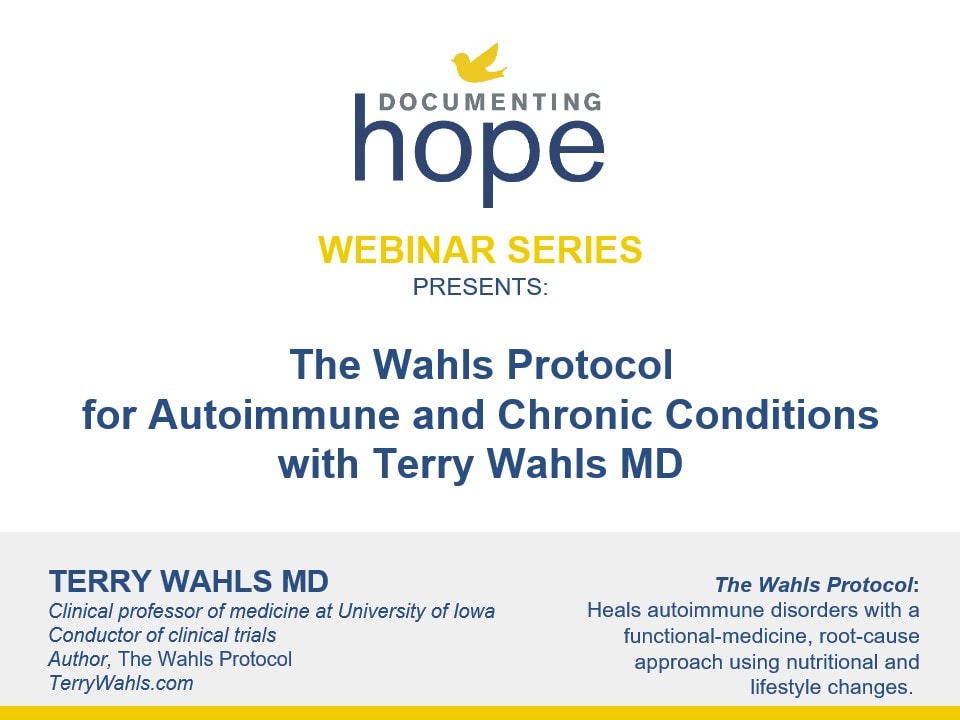
Terry Wahls MD healed herself from secondary progressive Multiple Sclerosis (MS) by changing her diet to a modified version of the Paleo/primal diet that she calls the Wahls Protocol, which can be used for any type of autoimmune disease. Dr. Wahls is also a research physician and has published over 20 peer-reviewed, medical-research studies about the benefits of a Paleo diet for those with autoimmune disorders, but especially those with MS.
In addition to the Paleo diet, there are other types of gut-healing diets such as the Gut And Psychology Syndrome (GAPS) diet, Specific Carbohydrate Diet (SCD) and the Body Ecology Diet (BED). All of these diets help to rebalance the microbiome in the gastrointestinal tract, which is host to 75-80% of the body’s immune system. Restoring microbial balance often results in the reduction of symptoms of autoimmune disorders as well as other chronic health conditions. You can view our autoimmune disorder success stories here.
Check for Chronic Infections
Lyme disease often presents as rheumatoid arthritis and potentially other autoimmune disorders. We recommend working with a PANS/PANDAS-knowledgeable or a Lyme-literate practitioner. Have a look through our directory to see if there is someone that fits your criteria. If there’s no one in your area, it’s worth inquiring to see if a practitioner offers telehealth consultations, even if that option isn’t listed in our directory. Mainstream physicians are typically not taught how to treat these conditions if they are chronic. Most will simply run a Western blot test for Lyme disease or a blood titer test for Antistreptolysin O (ASO), an antibody produced by the immune system in response to streptolysin O, a toxic enzyme (exotoxin) released by Group A Streptococcus bacteria, to check for PANDAS.
Both PANS/PANDAS and Lyme disease are clinical diagnoses, meaning that all tests could come back negative, but your child could still have the condition if qualifying symptoms are present. You can view our Lyme disease success stories here and our PANS/PANDAS (of which Lyme disease is a subset) success stories here.
Consider a Platelet Therapy
The body’s own platelets promote healing and aid in tissue repair. Platelet therapies such as IVIG (IntraVenous ImmunoGlobulin) therapy, PRP (Platelet-Rich Plasma) therapy, and TruDose™ therapy can be used for degenerative, autoimmune and neurological conditions. IVIG uses plasma from other people’s blood, can be expensive, and can also be a hit-or-miss opportunity. PRP and TruDose™ therapies use one’s own blood platelets that are then reinjected into a patient after a period of time. Watch our expert interview about TruDose™ to learn more.
Look into Potential Mold Exposure
Current scientific consensus does not confirm that mold directly causes autoimmune disorders, though evidence suggests it can act as a significant environmental trigger or exacerbating factor for susceptible individuals (see Sources & References, below). Mold and its byproducts, known as mycotoxins, can contribute to immune dysregulation, chronic inflammation, and the worsening of conditions such as rheumatoid arthritis, lupus, Hashimoto’s thyroiditis, and multiple sclerosis, particularly in those with genetic predispositions or pre-existing immune vulnerabilities. In addition, mold-related illnesses, such as Chronic Inflammatory Response Syndrome (CIRS), share symptoms with autoimmune diseases such as fatigue, brain fog and joint pain, which can complicate diagnosis and management.
Other Items to Consider
Please review the lists in the blue box below to see if there are other diet, lifestyle and therapies to consider. Click on the small white circles at the bottom of the box to advance to the next subject.
About Beth Lambert
Beth Lambert is a former healthcare consultant and teacher. As a consultant, she worked with pharmaceutical, medical device, diagnostic and other health care companies to evaluate industry trends.
She is the author of A Compromised Generation: The Epidemic of Chronic Illness in America’s Children (Sentient Publications, 2010). She is also a co-author of Documenting Hope's Brain Under Attack: A Resource for Parents and Caregivers of Children with PANS, PANDAS, and Autoimmune Encephalitis. She is a co-author of Reversal of Autism Symptoms among Dizygotic Twins through a Personalized Lifestyle and Environmental Modification Approach: A Case Report and Review of the Literature, J. Pers. Med. 2024, 14(6), 641.

In 2009, Beth founded Documenting Hope and currently serves as Executive Director. Beth attended Oxford University, graduated from Williams College and holds a Masters Degree in American Studies from Fairfield University.
About Maria Rickert Hong CHHC
Maria Rickert Hong is a Co-Founder of, and the Education and Media Director for, Documenting Hope.
She is a former sell-side Wall Street equity research analyst who covered the oil services sector at Salomon Smith Barney and Lehman Brothers under Institutional Investor #1 ranked analysts.
Later, she covered the gaming, lodging & leisure sector at Jefferies & Co. and Calyon Securities. She quit working on Wall Street when her first son was born.

Prior to working on Wall Street, she was a marketing specialist for Halliburton in New Orleans, where she also received her MBA in Finance & Strategy from Tulane University.
She is the author of the bestselling book Almost Autism: Recovering Children from Sensory Processing Disorder and the co-author of Brain Under Attack: A Resource for Parents and Caregivers of Children with PANS, PANDAS, and Autoimmune Encephalitis. She is a co-author of Reversal of Autism Symptoms among Dizygotic Twins through a Personalized Lifestyle and Environmental Modification Approach: A Case Report and Review of the Literature, J. Pers. Med. 2024, 14(6), 641.
Maria is also a Certified Holistic Health Counselor. Her work can be found on DocumentingHope.com, Healing.DocumentingHope.com, Conference.DocumentingHope.com and MariaRickertHong.com
Still Looking for Answers?
Visit the Documenting Hope Practitioner Directory to find a practitioner near you.
Join us inside our online membership community for parents, Healing Together, where you’ll find even more healing resources, expert guidance, and a community to support you every step of your child’s healing journey.
Sources & References
Abend, A.H., et al. Estimation of prevalence of autoimmune diseases in the United States using electronic health record data. J Clin Invest. 2024 Dec 12;135(4):e178722.
Allen, A.J., et al. Case study: a new infection-triggered, autoimmune subtype of pediatric OCD and Tourette's syndrome. J Am Acad Child Adolesc Psychiatry. 1995 Mar;34(3):307-11.
Andrés-Rodríguez, L., et al. Immune-inflammatory pathways and clinical changes in fibromyalgia patients treated with Mindfulness-Based Stress Reduction (MBSR): A randomized, controlled clinical trial. Brain Behav Immun. 2019 Aug:80:109-119.
Arnold, P.D., et al. Is obsessive-compulsive disorder an autoimmune disease? Canadian Medical Association Journal. 2001 Nov 13;165(10):1353-8.
Bahr, L.S., et al. Ketogenic diet and fasting diet as Nutritional Approaches in Multiple Sclerosis (NAMS): protocol of a randomized controlled study. Trials. 2020 Jan 2;21(1):3.
Bisht, B., et al. Multimodal intervention improves fatigue and quality of life in subjects with progressive multiple sclerosis: a pilot study. Degener Neurol Neuromuscul Dis. 2015;5:19-35.
Bourre, J.M. Effects of nutrients (in food) on the structure and function of the nervous system: update on dietary requirements for brain. Part 1: micronutrients. J Nutr Health Aging. 2006 Sep-Oct;10(5):377-85.
Bourre, J.M. Effects of nutrients (in food) on the structure and function of the nervous system: update on dietary requirements for brain. Part 2 : macronutrients. J Nutr Health Aging. 2006 Sep-Oct;10(5):386-99.
Brenton, J.N., et al. Phase II study of ketogenic diets in relapsing multiple sclerosis: safety, tolerability and potential clinical benefits. J Neurol Neurosurg Psychiatry. 2022 Jun;93(6):637-644.
Brenton, J.N., et al. Pilot study of a ketogenic diet in relapsing-remitting MS. Neurol Neuroimmunol Neuroinflamm. 2019 Apr 12;6(4):e565.
Camara-Lemarroy, C.R., et al. Focus on the gut-brain axis: Multiple sclerosis, the intestinal barrier and the microbiome. World J Gastroenterol. 2018 Oct 7;24(37):4217-4223.
Chen, M., et al. The prevalence of bipolar disorder in autoimmune disease: a systematic review and meta-analysis. Ann Palliat Med. 2021 Jan;10(1):350-361.
Chenard, C.A., et al. Nutrient Composition Comparison between a Modified Paleolithic Diet for Multiple Sclerosis and the Recommended Healthy U.S.-Style Eating Pattern. Nutrients. 2019 Mar 1;11(3):537.
Cipriano, P.M. Autoimmune Epilepsy Temporally Associated With Lyme Disease: A Report of Two Cases. Cureus. 2026 Mar 14;18(3):e105228.
Correale, J., et al. The role of the gut microbiota in multiple sclerosis. Nat Rev Neurol. 2022 Sep;18(9):544-558.
Dashore, J. A., et al. Autism Spectrum Disorders and Lyme Disease: Exploring Shared Neuro-Inflammatory and Immune Pathways. Medical Research Archives, [online] 13(11).
Dashore, J. A., et al. Chronic Inflammatory Response Syndrome: Exploring Neuroimmune Pathology and Multisystem Framework for Differential Diagnosis in Pediatrics- Part 1. Medical Research Archives, [S.l.], v. 13, n. 10, Oct. 2025.
Dashore, J. A., et al. Pediatric Neuroimmune and Inflammatory Overlap: Immunopathology of PANS/PANDAS in Autism Spectrum Disorder. Medical Research Archives, [S.l.], v. 14, n. 1, jan. 2026.
de Goffau, M.C., et al. Fecal microbiota composition differs between children with beta-cell autoimmunity and those without. Diabetes. 2013;62(4):1238-44.
Di Majo, D., et al. Ketogenic and Modified Mediterranean Diet as a Tool to Counteract Neuroinflammation in Multiple Sclerosis: Nutritional Suggestions. Nutrients. 2022 Jun 8;14(12):2384.
Dinse, G.E., et al. Increasing Prevalence of Antinuclear Antibodies in the United States. Arthritis Rheumatol. 2022 Dec;74(12):2032-2041.
Endres, D., et al. Immunological causes of obsessive-compulsive disorder: is it time for the concept of an “autoimmune OCD” subtype? Translational Psychiatry. 12, Article number: 5 (2022).
Engelenburg, H.J., et al. Multiple sclerosis and the microbiota: Progress in understanding the contribution of the gut microbiome to disease. Evol Med Public Health. 2022 Jun 13;10(1):277-294.
Fan, Y., et al. Dietary Modulation of Intestinal Microbiota: Future Opportunities in Experimental Autoimmune Encephalomyelitis and Multiple Sclerosis. Front Microbiol. 2019 Apr 16;10:740.
Ferretti, J.W., et al. Post-Streptococcal Autoimmune Sequelae: Rheumatic Fever and Beyond. Streptococcus pyogenes : Basic Biology to Clinical Manifestations [Internet]. 2016 Feb 10. Oklahoma City (OK): University of Oklahoma Health Sciences Center.
Fettig, N.M., et al. Direct and indirect effects of microbiota-derived metabolites on neuroinflammation in multiple sclerosis. Microbes Infect. 2021 Jul-Aug;23(6-7):104814.
Gottfried, C., et al. The Impact of Neuroimmune Alterations in Autism Spectrum Disorder. Front Psychiatry. 2015 Sep 9:6:121.
Hardin, H., et al. An updated review of pediatric autoimmune neuropsychiatric disorders associated with Streptococcus/pediatric acute-onset neuropsychiatric syndrome, also known as idiopathic autoimmune encephalitis: What the allergist should know. Ann Allergy Asthma Immunol. 2023 Nov;131(5):567-575.
Harding, C.F., et al. Mold inhalation causes innate immune activation, neural, cognitive and emotional dysfunction. Brain Behav Immun. 2020 Jul:87:218-228.
Irish, A.K., et al. Randomized control trial evaluation of a modified Paleolithic dietary intervention in the treatment of relapsing-remitting multiple sclerosis: a pilot study. Degener Neurol Neuromuscul Dis. 2017 Jan 4;7:1-18.
Jahreis, S., et al. Mold metabolites drive rheumatoid arthritis in mice via promotion of IFN-gamma- and IL-17-producing T cells. Food Chem Toxicol. 2017 Nov;109(Pt 1):405-413.
Jayasinghe, M., et al. The Role of Diet and Gut Microbiome in Multiple Sclerosis. Cureus. 2022 Sep 9;14(9):e28975.
Kim., Y., et al. Obsessive-Compulsive Disorder Related to Mycoplasma-Associated Autoimmune Encephalopathy with Basal Ganglia Involvement. Child Adolesc Psychopharmacol. 2016 May;26(4):400-2.
Kim-Lee, C., et al. Gastrointestinal disease in Sjogren's syndrome: related to food hypersensitivities. Springerplus. 2015 Dec 12;4:766.
Kinashi, Y., et al. Partners in Leaky Gut Syndrome: Intestinal Dysbiosis and Autoimmunity. Front Immunol. 2021 Apr 22:12:673708.
Kovacevic, M., et al. Use of Intravenous Immunoglobulin in the Treatment of Twelve Youths with Pediatric Autoimmune Neuropsychiatric Disorders Associated with Streptococcal infections. J Child Adolesc Psychopharmacol. 2015 Feb;25(1):65-9.
Kraft, S., et al. Mold, Mycotoxins and a Dysregulated Immune System: A Combination of Concern? Int J Mol Sci. 2021 Nov 12;22(22):12269.
Kurlan, R. Tourette's syndrome and 'PANDAS': will the relation bear out? Pediatric autoimmune neuropsychiatric disorders associated with streptococcal infection. Neurology. 1998 Jun;50(6):1530-4.
Lancaster, E. The Diagnosis and Treatment of Autoimmune Encephalitis. J Clin Neurol. 2016 Jan;12(1):1-13.
Latimer, M.E., et al. Therapeutic plasma apheresis as a treatment for 35 severely ill children and adolescents with pediatric autoimmune neuropsychiatric disorders associated with streptococcal infections. J Child Adolesc Psychopharmacol. 2015 Feb;25(1):70-5.
Lieberman, A., et al. Mold Exposure and Mitochondrial Antibodies. Altern Ther Health Med. 2020 Nov;26(6):44-47.
Liu, S., et al. Poor glycaemic control is associated with increased risk of neurodevelopmental disorders in childhood-onset type 1 diabetes: a population-based cohort study. Diabetologia. 2021 Apr;64(4):767-777.
Marcello, A., et al. Pediatric Autoimmune Neuropsychiatric Disorders Associated with Streptococcal Infections (PANDAS): An Evolving Concept. Tremor Other Hyperkinet Mov (N Y). 2013 Sep 25;3. pii: tre-03-167-4158-7.
Martinelli, V., et al. Gut-oriented interventions in patients with multiple sclerosis: fact or fiction? Eur Rev Med Pharmacol Sci. 2022 Feb;26(3):935-946.
Matthews, D.A., et al. Effects of intercessory prayer on patients with rheumatoid arthritis. South Med J. 2000 Dec;93(12):1177-86.
Melbye, P., et al. Short-chain fatty acids and gut microbiota in multiple sclerosis. Acta Neurol Scand. 2019 Mar;139(3):208-219.
Mostafa, G.A., et al. Systemic auto-antibodies in children with autism. J Neuroimmunol. 2014 Jul 15;272(1-2):94-8.
Orefici, G., et al. Pediatric Autoimmune Neuropsychiatric Disorders Associated with Streptococcal Infections (PANDAS). Streptococcus pyogenes: Basic Biology to Clinical Manifestations [Internet]. Oklahoma City (OK): University of Oklahoma Health Sciences Center; 2016-. 2016 Feb 10.
Pathak, S., et al. Innate immune recognition of molds and homology to the inner ear protein, cochlin, in patients with autoimmune inner ear disease. J Clin Immunol. 2013 Oct;33(7):1204-15.
Pitt, D., et al. Glutamate excitotoxicity in a model of multiple sclerosis. Nat Med. 2000 Jan;6(1):67-70.
Pollard, K.M., et al. Mercury-induced inflammation and autoimmunity. Biochim Biophys Acta Gen Subj. 2019 Dec;1863(12):129299.
Ratnaseelen, A.M., et al. Effects of Mycotoxins on Neuropsychiatric Symptoms and Immune Processes. Clin Ther. 2018 Jun;40(6):903-917.
Salari, S., et al. Zinc sulphate: A reasonable choice for depression management in patients with multiple sclerosis: A randomized, double-blind, placebo-controlled clinical trial. Pharmacol Rep. 2015 Jun;67(3):606-9.
Sanchez, A., et al. Role of sugars in human neutrophilic phagocytosis. Am J Clin Nutr. 1973 Nov;26(11):1180-4.
Severance, E.G., et al. IgG dynamics of dietary antigens point to cerebrospinal fluid barrier or flow dysfunction in first-episode schizophrenia. Brain Behav Immun. 2015 Feb;44:148-58.
Stagi, S., et al. Determinants of vitamin D levels in children, adolescents, and young adults with juvenile idiopathic arthritis. J Rheumatol. 2014;41(9):1884-92.
Stojanovich, L. Stress and autoimmunity. Autoimmun Rev. 2010 Mar;9(5):A271-6.
Stojanovich, L., et al. Stress as a trigger of autoimmune disease. Autoimmun Rev. 2008 Jan;7(3):209-13.
Swedo, S.E., et al. Clinical Presentation of Pediatric Autoimmune Neuropsychiatric Disorders Associated with Streptococcal infections in Research and Community Settings. J Child Adolesc Psychopharmacol. 2015 Feb;25(1):26-30
Swedo, S.E., et al. Identification of children with pediatric autoimmune neuropsychiatric disorders associated with streptococcal infections by a marker associated with rheumatic fever. Am J Psychiatry. 1997 Jan;154(1):110-2.
Titcomb, T.J., et al. Change in Micronutrient Intake among People with Relapsing-Remitting Multiple Sclerosis Adapting the Swank and Wahls Diets: An Analysis of Weighed Food Records. Nutrients. 2021 Oct 5;13(10):3507.
Titcomb, T.J., et al. Eating Pattern and Nutritional Risks among People with Multiple Sclerosis Following a Modified Paleolithic Diet. Nutrients. 2020 Jun 20;12(6):1844.
Tuuminen, T., et al. Severe Sequelae to Mold-Related Illness as Demonstrated in Two Finnish Cohorts. Front Immunol. 2017 Apr 3:8:382.
Vreeland, A., et al. Postinfectious Inflammation, Autoimmunity, and Obsessive-Compulsive Disorder: Sydenham Chorea, Pediatric Autoimmune Neuropsychiatric Disorder Associated with Streptococcal Infection, and Pediatric Acute-Onset Neuropsychiatric Disorder. Dev Neurosci. 2023;45(6):361-374.
Wahls, T.L. Dietary Approaches to Treating Multiple Sclerosis-Related Symptoms. Phys Med Rehabil Clin N Am. 2022 Aug;33(3):605-620.
Wahls, T.L., et al. Dietary approaches to treat MS-related fatigue: comparing the modified Paleolithic (Wahls Elimination) and low saturated fat (Swank) diets on perceived fatigue in persons with relapsing-remitting multiple sclerosis: study protocol for a randomized controlled trial.Trials. 2018 Jun 4;19(1):309.
Wahls, T.L., et al. Impact of the Swank and Wahls elimination dietary interventions on fatigue and quality of life in relapsing-remitting multiple sclerosis: The WAVES randomized parallel-arm clinical trial. Mult Scler J Exp Transl Clin. 2021 Jul 31;7(3):20552173211035399.
Wahls, T.L., et al. Review of Two Popular Eating Plans within the Multiple Sclerosis Community: Low Saturated Fat and Modified Paleolithic. Nutrients. 2019 Feb 7;11(2):352.
Wang, L.Y., et al. Systemic autoimmune diseases are associated with an increased risk of bipolar disorder: A nationwide population-based cohort study. J Affect Disord. 2018 Feb:227:31-37.
Wang, X., et al. Role of Gut Microbiota in Multiple Sclerosis and Potential Therapeutic Implications. Curr Neuropharmacol. 2022;20(7):1413-1426.
Watt, T., et al. Is Thyroid Autoimmunity per se a Determinant of Quality of Life in Patients with Autoimmune Hypothyroidism? Eur Thyroid J. 2012;1(3):186-92.
Wells, L., et al. Folate Receptor Alpha Autoantibodies in the Pediatric Acute-Onset Neuropsychiatric Syndrome (PANS) and Pediatric Autoimmune Neuropsychiatric Disorders Associated with Streptococcal Infections (PANDAS) Population. J Pers Med. 2024 Jan 31;14(2):166.
Wimalawansa, S.A. Infections and Autoimmunity-The Immune System and Vitamin D: A Systematic Review. Nutrients. 2023 Sep 2;15(17):3842.
Yaddanapudi, K., et al. Passive transfer of streptococcus-induced antibodies reproduces behavioral disturbances in a mouse model of pediatric autoimmune neuropsychiatric disorders associated with streptococcal infection. Mol Psychiatry. 2010 Jul;15(7):712-26.
Zong, S., et al. Neuronal Surface Autoantibodies in Neuropsychiatric Disorders: Are There Implications for Depression? Front Immunol. 2017 Jul 5;8:752.
Resources
Articles
What is autoimmunity? Autoimmune Association.
Thomas, Liji. Paleo Diet History. News Medical.
Books
Ballantyne, Sarah. Paleo Approach: Reverse Autoimmune Disease Heal Your Body. Victory Belt Publishing, 2014.
Cordain, Loren. The Paleo Diet Revised: Lose Weight and Get Healthy by Eating the Foods You Were Designed to Eat. Harvest, 2010.
Galland, Leo. Superimmunity for Kids: What to Feed Your Children to Keep Them Healthy Now, and Prevent Disease in Their Future. Dell, 1989.
Long, R.W. Push the Rock: Second Chances on the Road to Kilimanjaro. First Summit Project, 2015.
Sisson, Mark. The Primal Blueprint: Reprogram Your Genes for Effortless Weight Loss, Vibrant Health, and Boundless Energy. Primal Nutrition, Inc., 2019.
Tam, Michelle, et al. Nom Nom Paleo: Food for Humans (Volume 1). Andrews McMeel Publishing, 2013.
Voegtlin, Walter. The Stone Age Diet: Based on In-depth Studies of Human Ecology and the Diet of Man. Vantage Press, 1975.
Wahls, Terry. The Wahls Protocol: A Radical New Way to Treat All Chronic Autoimmune Conditions Using Paleo Principles. Avery, 2020.
Wahls, Terry. The Wahls Protocol Cooking for Life: The Revolutionary Modern Paleo Plan to Treat All Chronic Autoimmune Conditions. Avery, 2017.
Walker, Danielle. Danielle Walker’s Against All Grain: Meals Made Simple: Gluten-Free, Dairy-Free, and Paleo Recipes to Make Anytime. Victory Belt Publishing, 2014.
Whittaker, Faye. Rheumatoid Remedies: A Collection of More Than 70 Pages of Nutritional and Drug-Free Options to Promote Recovery from Rheumatoid Arthritis and Associated Inflammatory Diseases. 1st ed. Kaitaia, New Zealand: Dancing Lion Press; 2009.
Wolf, Robb. The Paleo Solution: The Original Human Diet. Victory Belt Publishing, 2010.