What Is Mast Cell Activation Syndrome?
Mast Cell Activation Syndrome (MCAS) features inappropriate mast cell activation, causing not only typical symptoms of allergy but also a host of other symptoms across multiple organ systems. MCAS drives chronic multi-system inflammation and allergy and affects the skin, gastrointestinal, cardiovascular, respiratory, and neurologic systems; it is often a component of pain syndromes.
Most patients present with decades of chronic multisystem comorbid symptoms that are either inflammatory and or allergic in nature.
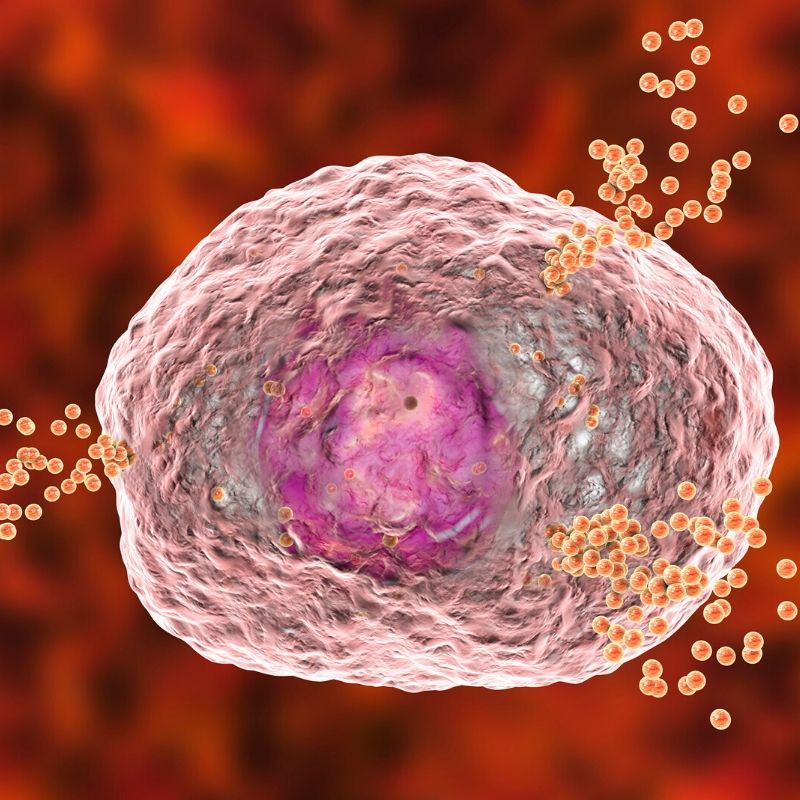
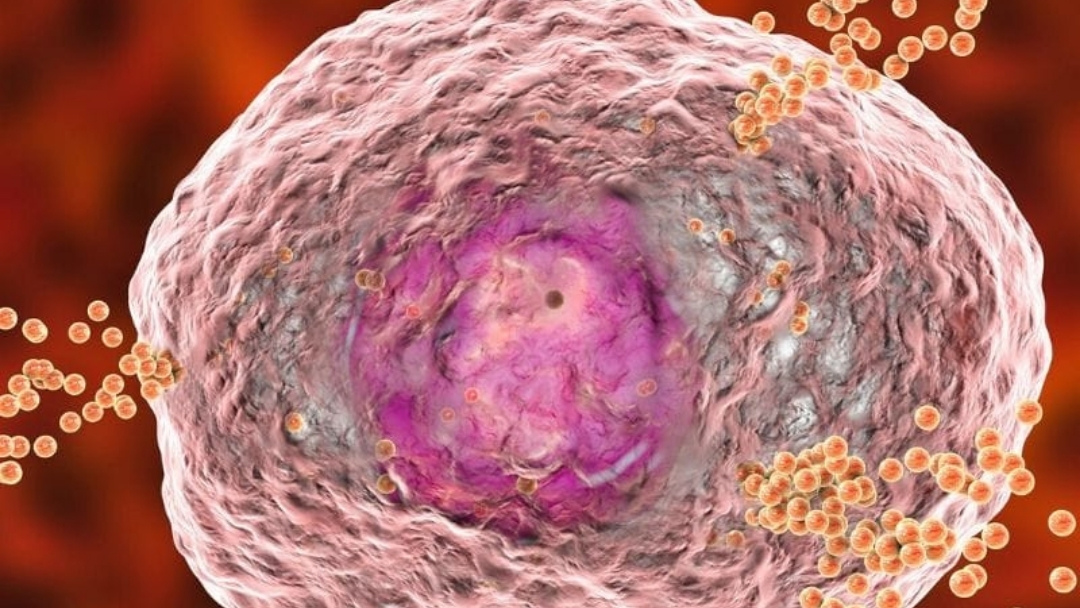
A mast cell is a type of white blood cell known as a mastocyte that contains a lot of histamine and heparin and thus plays a large role in allergies and anaphylactic reactions. This key player in the immune system is also involved with pathogenic defense, wound healing, inflammation and blood-brain-barrier function.
Histamine is a neurotransmitter that is released by cells as part of an allergic response or as a response to injury. A histamine release typically causes symptoms such as:
- Rashes
- Itching
- Swelling
- Stuffy nose
However, in MCAS these and other symptoms (see below) can often be chronic and more severe in nature.
Symptoms of Mast Cell Activation
Mast cells do not just release histamine; instead, they release their contents (which includes chemicals such as cytokines, chemokines and growth factors) into surrounding tissues, causing symptoms when chronically activated such as:
- Swelling of the throat or tongue
- Itchy rash
- Itchy throat
- Swelling of the eyes
- Vomiting
- Shortness of breath
- Low blood pressure (hypotension)
- Lightheadedness
- Hives
- Itchy skin
- Dermatographia
- Pruritus
- Flushing
- Acid reflux
- Bloating
- Loose stools
- Joint pains
- Runny nose after meals
- Headaches
- Brain fog
- Palpitations
- Blood sugar instability
- Painful urination
- Increased urinary frequency
- Irritability
- Concentration problems
- Memory loss
- Neuropsychiatric issues
- Fatigue
Common Mast Cell Triggers
Mast-cell activation can look like a histamine intolerance, but with a mast cell activation, there are many more triggers for activation than happens with a histamine intolerance. Potential triggers of mast cell activation are:
- Emotional stress
- Temperature changes
- Pollution
- Mold
- Mycotoxins
- Pollen
- Dander
- Fatigue
- Odors
- Venom
- Viruses
- Bacteria
- Fungi
- Sunlight
- Histamine-containing foods
- Alcohol
- Some medications
- Parasites
- EMFs
- Metals
- Pesticides
- BPA and other toxins
- Hormones
MCAS symptoms may flare during common allergy months in both the spring and fall. Researchers have discovered that allergic, environmental and emotional stress can result in brain mast cell activation, which can lead to a focal disruption of the blood-brain barrier, neuroinflammation and seizures.
In addition, once the blood-brain barrier is breached, pathogenic infections can cross into the brain and lead to conditions such as Lyme disease, PANS, PANDAS, autoimmune encephalitis as well as potentially to neurodevelopmental conditions such as autism, ADHD and Sensory Processing Disorder.
The takeaway from this is that if your child has allergies, eczema, asthma, an autoimmune disorder or other type of chronic inflammation, they may be vulnerable to an onset of these disorders due to Mast Cell Activation Syndrome.
Link to Toxicant and Synthetic Exposures in MCAS
Exposure to toxicants and synthetic chemicals is increasingly recognized as a root cause and perpetuating factor in MCAS. Pesticides, heavy metals, mold toxins (mycotoxins), plastics like BPA, flame retardants, and other environmental chemicals can directly activate mast cells and impair the body’s ability to regulate immune responses.
Dr. Claudia Miller, a physician and researcher at the University of Texas, developed a framework called TILT — Toxicant-Induced Loss of Tolerance — which offers an important lens for understanding why some people develop MCAS. Dr. Miller’s theory proposes that an initial exposure to a sufficient load of chemicals (from sources such as pesticides, contaminated water, indoor air pollution, or a moldy building) can cause a breakdown in the body’s tolerance, after which even small, everyday exposures to chemicals, foods, or other substances begin to trigger symptoms.
This is part of the “total load” model that Documenting Hope teaches. This loss of tolerance closely mirrors what is seen in MCAS, where the threshold for mast cell activation becomes increasingly low and the range of triggers increasingly broad. Reducing the total toxic burden through cleaner food, water, air, and personal care products is an important part of addressing the underlying drivers of MCAS rather than simply managing its symptoms.
Link to Infections
Because mast cells play a key role in the defense system against pathogens, people with chronic infections such as Lyme disease, Bartonella, fungal infections, herpetic viral infections, PANS and PANDAS may develop MCAS. In many of these cases, these infections are undiagnosed and untreated, thus leading to chronic mast cell activation.
The Role of the Nervous System in MCAS
The nervous system and the immune system are in constant communication, and in MCAS, this relationship can become a significant driver of symptoms. The autonomic nervous system (the branch responsible for regulating automatic functions like heart rate, digestion, and stress response) directly influences mast cell behavior. When the body perceives a threat, whether physical or emotional, the nervous system triggers a stress response that can activate mast cells and cause them to release histamine and other inflammatory mediators.
This is why emotional stress appears on the list of MCAS triggers: it isn’t just psychological, it has a measurable biological impact. Many people with MCAS are stuck in a chronic state of nervous system dysregulation, sometimes called “fight-or-flight,” in which the body is perpetually primed for threat. This keeps mast cells on high alert, lowers the threshold for activation, and makes it harder for the body to resolve inflammation. Addressing nervous system dysregulation is therefore not a secondary concern in MCAS. It is a root-cause issue that must be part of any comprehensive healing approach.
Mast Cell Activation Syndrome Healing Checklist
Strategies for Regulating the Nervous System in MCAS
Because nervous system dysregulation can perpetuate the cycle of mast cell activation, calming and retraining the nervous system is an important part of recovery. Practices that activate the parasympathetic nervous system (the “rest and digest” state) can help lower the baseline level of immune activation over time.
Deep, diaphragmatic breathing is one of the simplest and most accessible tools: slow, extended exhales signal safety to the brain and can reduce mast cell reactivity in the moment. Many people advocate for the 4-7-8 breathing method. This is a technique that involves inhaling for 4 seconds, holding the breath for 7 seconds, and exhaling for 8 seconds.
Vagus nerve stimulation, whether through humming, gargling, cold water on the face, or dedicated devices (VNS devices), is another approach gaining attention for its ability to dampen inflammatory responses.
Somatic therapies, such as EMDR, Somatic Experiencing, or the Gupta Programme, are specifically designed to help the nervous system unlearn chronic threat responses, an important step for those whose MCAS is intertwined with trauma or prolonged stress.
Gentle movement practices like yoga or qigong, along with prioritizing deep and consistent sleep, also support nervous system recovery. Neurological chiropractic, gentle osteopathic manipulation or cranial sacral therapy are effective ways to help retrain the nervous system back into a state of safety.
Smoothing out blood sugar spikes and dips can reduce stress on the body, which can help to control inflammation that exacerbates MCAS. Be sure to emphasize fat, fiber and protein in your child’s diet while limiting or eliminating processed foods and sugar.
Check for Mold
Mold, mycotoxins and biotoxins are known and common triggers of MCAS. Your home or child’s school may have a mold issue, and you may not be aware of it. A common tipoff is if symptoms improve when the child is not a home or at school. Learn how to identify mold and water damage in your home here. We also recommend watching our interview of PJ Harlow here and our interview of Cory Levy about The Dust Test here. You can get a 15% discount off of the Dust Test with code HOPE15.
Trial a Low-Histamine Diet
To do this, avoiding certain high-histamine foods such as:
- Fermented foods such as:
- Sauerkraut
- Kim chee
- Pickled vegetables
- Aged cheeses
- Most yogurt
- Buttermilk
- Processed, cured or smoked meats
- Soy sauce and tamari
- Vinegar
- Beer
- Wine
- Other foods
- Leftover foods
Once histamine is created in leftovers, it cannot be destroyed. Although a low-histamine diet can help many, others may need to refine their diet by also incorporating:
- Low-oxalate diet
- Low-salicylate diet (Feingold diet)
- Grain-free diet
- Gluten-free/dairy-free diet
- Ketogenic diet (see below)
Consider a Ketogenic Diet
Tania Dempsey MD noted that many of her patients tend to do better on a ketogenic diet rather than a low-histamine diet. Because a ketogenic diet removes all sugar and refined carbohydrates from the diet, it can do an excellent job at stabilizing blood sugar, cortisol and inflammation.
Detoxify Your Environment and Support the Gut and the Liver
A body cannot heal if it is in a chronic state of stress trying to deal with an onslaught of toxic exposures. This means cleaning up your home and work environments and removing as many synthetics as possible. This includes fragrances, detergents, personal care products that contain chemicals and removing any processed foods that contain chemicals.
Once you’ve cleaned your external environment, it is important to clean and support your internal environment. Detoxification requires a healthy liver and gut. A properly functioning liver is necessary for the breakdown of histamine; therefore, a poorly functioning liver may lead to a longer occurrence of histamine-related symptoms. Learn more about detoxification here.
Healing the gut and improving liver function will help your body eliminate any new or stored toxins but it will also help with reducing histamine and inflammatory responses. In addition, a healed gut is one that is not chronically constipated and thus allows toxins processed by the liver to be quickly eliminated from the body.
Integrate Supportive Supplementation
Your healthcare practitioner may recommend any of the following supplements to help with symptoms:
- Luteolin
- Quercetin
- Holy basil
- Curcumin
- Homeopathic histamine
- Hesperidin
- Ellagic acid
- Pomegranate
Be sure to consult a healthcare practitioner to see if any of these supplements are the right fit for you or your child.
About Maria Rickert Hong CHHC
Maria Rickert Hong is a Co-Founder of, and the Education and Media Director for, Documenting Hope.
She is a former sell-side Wall Street equity research analyst who covered the oil services sector at Salomon Smith Barney and Lehman Brothers under Institutional Investor #1 ranked analysts.
Later, she covered the gaming, lodging & leisure sector at Jefferies & Co. and Calyon Securities. She quit working on Wall Street when her first son was born.

Prior to working on Wall Street, she was a marketing specialist for Halliburton in New Orleans, where she also received her MBA in Finance & Strategy from Tulane University.
She is the author of the bestselling book Almost Autism: Recovering Children from Sensory Processing Disorder and the co-author of Brain Under Attack: A Resource for Parents and Caregivers of Children with PANS, PANDAS, and Autoimmune Encephalitis. She is a co-author of Reversal of Autism Symptoms among Dizygotic Twins through a Personalized Lifestyle and Environmental Modification Approach: A Case Report and Review of the Literature, J. Pers. Med. 2024, 14(6), 641.
Maria is also a Certified Holistic Health Counselor. Her work can be found on DocumentingHope.com, Healing.DocumentingHope.com, Conference.DocumentingHope.com and MariaRickertHong.com
About Beth Lambert
Beth Lambert is a former healthcare consultant and teacher. As a consultant, she worked with pharmaceutical, medical device, diagnostic and other health care companies to evaluate industry trends.
She is the author of A Compromised Generation: The Epidemic of Chronic Illness in America’s Children (Sentient Publications, 2010). She is also a co-author of Documenting Hope's Brain Under Attack: A Resource for Parents and Caregivers of Children with PANS, PANDAS, and Autoimmune Encephalitis. She is a co-author of Reversal of Autism Symptoms among Dizygotic Twins through a Personalized Lifestyle and Environmental Modification Approach: A Case Report and Review of the Literature, J. Pers. Med. 2024, 14(6), 641.

In 2009, Beth founded Documenting Hope and currently serves as Executive Director. Beth attended Oxford University, graduated from Williams College and holds a Masters Degree in American Studies from Fairfield University.
Still Looking for Answers?
Visit the Documenting Hope Practitioner Directory to find a practitioner near you.
Join us inside our online membership community for parents, Healing Together, where you’ll find even more healing resources, expert guidance, and a community to support you every step of your child’s healing journey.
Sources & References
Afrin, L.B., et al. Often seen, rarely recognized: mast cell activation disease–a guide to diagnosis and therapeutic options. Ann Med. 2016;48(3):190–201. doi:10.3109/07853890.2016.1161231.
Afrin, L.B., et al. Mast cell activation disease: An underappreciated cause of neurologic and psychiatric symptoms and diseases. Brain Behav Immun. 2015;50:314–321. doi:10.1016/j.bbi.2015.07.002.
Campbell, et al. Mechanisms of Allergic Disease – Environmental and genetic determinants for the development of allergy. Clin Exp Allergy. 2015
Della Giustina, A., et al.. Vitamin D, allergies and asthma: focus on pediatric patients. World Allergy Organ J. 2014;7(1):27
Feehley, T., et al. Healthy infants harbor intestinal bacteria that protect against food allergy. Nature Medicine. 2019 Jan 14.
Frieri, M. Mast Cell Activation Syndrome. Clin Rev Allergy Immunol. 2018;54(3):353–365. doi:10.1007/s12016-015-8487-6.
Frieri, M., et al. Mast cell activation syndrome: a review. Curr Allergy Asthma Rep. 2013;13(1):27–32. doi:10.1007/s11882-012-0322-z.
Gupta, R.S., et al. The Public Health Impact of Parent-Reported Childhood Food Allergies in the United States. Pediatrics. 2018 Dec;142(6). pii: e20181235.
Hamilton, M.J. Nonclonal Mast Cell Activation Syndrome: A Growing Body of Evidence. Immunol Allergy Clin North Am. 2018;38(3):469–481. doi:10.1016/j.iac.2018.04.002.
Ly, N.P., et al. Gut microbiota, probiotics, and vitamin D: interrelated exposures influencing allergy, asthma, and obesity? J Allergy Clin Immunol. 2011;127(5):1087-94; quiz 95-6
Maksimova, O.V., et al. [Intestine microbiota and allergic diseases]. Zh Mikrobiol Epidemiol Immunobiol. 2014(3):49-60.
Petra, A.I., et al. Spectrum of mast cell activation disorders. Expert Rev Clin Immunol. 2014;10(6):729–739. doi:10.1586/1744666X.2014.906302
Prescott, S.L. Early-life environmental determinants of allergic diseases and the wider pandemic of inflammatory noncommunicable diseases. J Allergy Clin Immunol. 2013;131(1):23-30.
Sánchez-Pérez, S. et al. Intestinal Dysbiosis in Patients with Histamine Intolerance.
Nutrients. 2022 Apr 23;14(9):1774.
Sánchez-Pérez, S. et al. The dietary treatment of histamine intolerance reduces the abundance of some histamine-secreting bacteria of the gut microbiota in histamine intolerant women. A pilot study. Front Nutr. 2022 Oct 21;9:1018463.
Schink, M., et al. Microbial patterns in patients with histamine intolerance. J Physiol Pharmacol. 2018 Aug;69(4).
Schnedl, W.J., et al. Histamine Intolerance Originates in the Gut. Nutrients. 2021 Apr 12;13(4):1262.
Son, J.H., et al. A Histamine-Free Diet Is Helpful for Treatment of Adult Patients with Chronic Spontaneous Urticaria. Ann Dermatol. 2018 Apr;30(2):164-172.
Terwee, C.B. Succesful treatment of food allergy with Nambudripad's Allergy Elimination Techniques (NAET) in a 3-year old: A case report. Cases J. 2008 Sep 19;1(1):166.
Theoharides, T.C., et al. Neuro-inflammation, blood-brain barrier, seizures and autism. J Neuroinflammation. 2011 Nov 30:8:168.
Tsabouri, S., et al. Modulation of gut microbiota downregulates the development of food allergy in infancy. Allergol Immunopathol (Madr). 2014;42(1):69-77.
Vassilopoulou, E., et al. The Impact of Food Histamine Intake on Asthma Activity: A Pilot Study. Nutrients. 2020 Nov 5;12(11):3402.
Yang, M.T., et al. Attention-deficit/hyperactivity disorder-related symptoms improved with allergic rhinitis treatment in children. Am J Rhinol Allergy. 2016 May;30(3):209-14.