
What Are Constipation and Diarrhea?
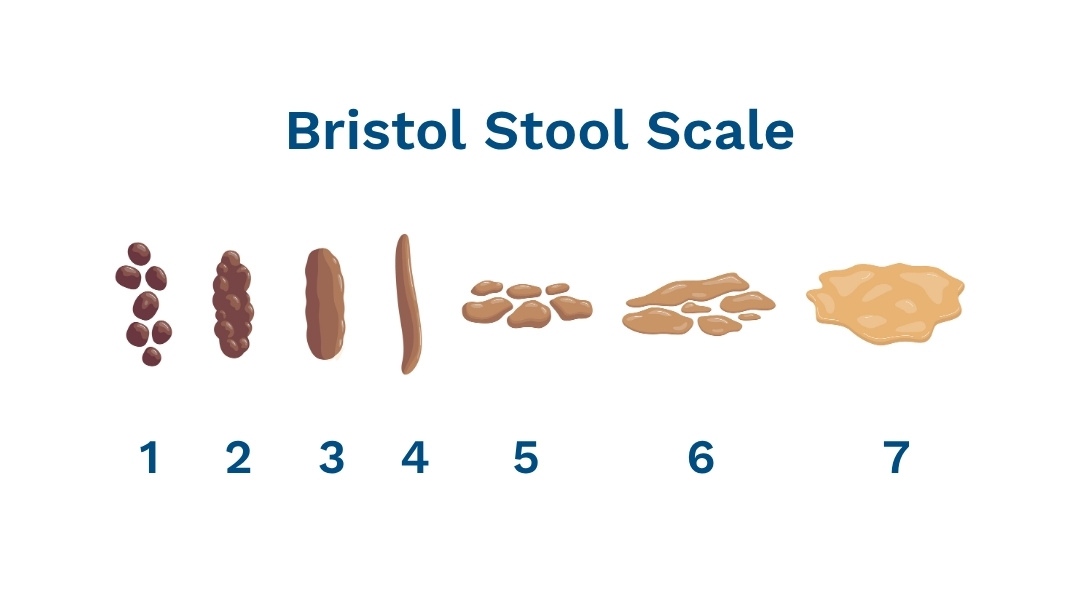
Constipation is one of the most pressing concerns of parents today with all children no matter what the diagnosis or condition. Chronic diarrhea can often be the flip side to chronic constipation because the bowels may be so impacted that only liquid waste can come out. Sometimes chronic diarrhea can be an indication of inflammatory bowel disease, irritable bowel syndrome or significant gut dysbiosis. Not having regular daily healthy bowel movements can lead to an array of symptoms in children such as:
- Abdominal pain
- Pain while having a bowel movement
- Vomiting
- Blood in the stool
- Fever
- Lack of appetite
- Bloating
- Hard stools
- Behavioral problems
- Mood problems
Constipation is the most common gastrointestinal complaint among children with autism spectrum disorder. Published studies report constipation in approximately 20% to 45% of autistic children, while broader gastrointestinal symptoms affect at least 70% of children with autism. Anecdotal reports may be even higher with the vast majority of parents of children with autism reporting that their children struggle with healthy daily bowel movements. Indeed, chronic constipation and/or chronic diarrhea are exceedingly common in children who later develop:
What Your Doctor May Tell You About Constipation and Diarrhea
Your child’s doctor may prescribe a laxative such as MiraLAX for your child’s constipation or Immodium for their diarrhea. However, these products are not intended to be used for long periods of time or as a substitute for a medical work-up if your child has chronic gastrointestinal problems.
In addition, in December 2011, the U.S. Federal Drug Administration (FDA) placed laxatives containing Polyethylene Glycol 3350 (PEG) on its Adverse Event Reporting System (AERS) in connection to neuropsychiatric events. These PEG laxatives are marketed under the following brands:
- MiraLAX
- Movicol
- Dulcolax
- Colyte
- Colovage
- Co-Lav
- Clensz-Lyte
- ClearLax
- GaviLyte C
- GlycoLax
- Go-Evac
- GoLYTELY
- GlycoPrep
- E-Z-Em Fortrans
- Halflytely
- Lax-a-Day
- LaxLyte
- Macrogol
- MoviPrep
- NuLytely
- OCL
- Peg-Lyte
- Prep Lyte
- Softlax
- TriLyte
Despite widespread pediatrician recommendation of PEG laxatives, the FDA never approved them for use by children. According to the FDA, “Neuropsychiatric adverse events (in children using PEG laxatives) may include:
- Aggression
- Rages
- Obsessive-compulsive behaviors including repetitive chewing and sucking
- Paranoia
- Mood swings
Another Way to Think About Constipation and Diarrhea
Chronic constipation is one of the most common signs that a child has gut dysbiosis and/or a dysregulated immune system or possibly even mitochondrial dysfunction, causing gastrointestinal motility problems. Many children struggle to have healthy daily elimination because of the following, which all can contribute to an unhealthy diet and consequently, unhealthy elimination:
- Processed foods
- Refined carbohydrates
- Sugar
- Unhealthy fats
- Synthetic preservatives
- Additives
- Gluten
- Dairy
- Lack of movement
- Insufficient water consumption
Intermittent constipation can often be managed by taking some relatively easy steps such as:
- Increasing fiber content in diet (fruits, vegetables)
- Supplementing the diet with special kinds of foods such as prebiotic fiber, probiotic foods or motility helpers like psyllium
- Increasing consumption of water
- Regulating the nervous system through neurological chiropractic, osteopathy, or cranial sacral therapy
- Ensuring the diet contains adequate magnesium, minerals, and healthy fats
When constipation becomes chronic and won’t let up, it is critical to begin investigating the underlying causes of constipation. There is no doubt that what we eat as humans affects how well we eliminate. But is there more?
Breaking the vicious cycle of constipation is not just about the right laxative or eating one type of food to make the bowels regular such as that big bowl of stewed prunes every morning. Regularity is more about having healthy choices of food on a regular basis. However, there may be some underlying imbalances that create the constipation symptoms your child is exhibiting. It is also possible that there may be more than one symptom connected to your child’s constipation.
Let’s identify some of these imbalances and learn how to correct them so that we can address these underlying issues that may be triggering the constipation your child is experiencing.
Constipation and Diarrhea Healing Checklist
Does your child have a vicious constipation cycle: constipation -> acid reflux -> difficulty falling asleep –> pain –> irritability –> aggression and medications? Or does your child hold his bowel movements out of fear because they hurt (encopresis)? Either way, our checklist of items below can give you some good ideas for addressing your child’s chronic constipation and/or diarrhea.
Consider These Food Rules
- Eliminate gluten- and dairy-containing foods, which are inflammatory for many children and are commonly known to produce constipation when eaten
- Don’t microwave food because precious enzymes in foods needed for healthy elimination are destroyed
- Keep the skin on fruits and vegetables (so long as they are organic!) because the skin contains lots of fiber
- Encourage your kids to eat fruits instead of drinking fruit juices
- Discourage dry salty products such as chips and salty snack foods as they can contribute to constipation
- Love those leafy greens such as kale, collards, watercress, arugula and dandelion and have your kids drink the vegetable water…a great source of minerals!
- Peppermint tea or peppermint essential oil can help relieve temporary digestive issues
- Fennel tea or fennel essential oil can help relieve gas and bloating
- Make sure your children are taking the time to chew their food well because good digestion starts in the mouth!
- Are your children drinking enough water? Dehydration can lead to dry, stuck stools and little pellets. Consider coconut water or electrolytes, and make sure they are drinking plenty of good filtered water.
Consider DPP-IV Enzymes with Your Practitioner’s Guidance
DPP-IV (dipeptidyl peptidase IV) enzymes might just be what your child needs. A full complete broad-spectrum enzyme including DPP-IV can be the key to breaking the vicious constipation cycle and addressing the peptide known as casomorphin (research of Paul Shaddock). A gluten-free/casein-free diet in combination with DPP-IV enzymes from companies such as Houston Enzymes, Kirkman Labs and Enzymedica can often be enough to relieve chronic constipation.
Consider These Supplements for the Relief of Constipation
- Magnesium is an important mineral that relaxes muscles in the digestion process needed to prevent constipation. Low levels of magnesium can affect normal muscle functioning in the body. Magnesium is an important electrolyte necessary for hydration, it improves gut motility and controls muscle tension to help regulate emotional stress. Magnesium can be absorbed via the skin through epsom salt baths.
- Aloe vera juice can reduce inflammation in the intestinal tract
- Vitamin C can get the bowels moving
- Herbal tinctures for constipation (Bioray makes an herbal product called Pooper to help)
- Cascara sagrada herbal tincture for gastrointestinal support
- Cod liver oil, a traditional remedy
- Homeopathy
Investigate Mitochondrial Dysfunction and Nervous-System Dysregulation
Low muscle tone in the bowel or nervous-system dysregulation can lead to weak peristalsis (bowel muscle movement) which prevents the body from effectively pushing the stool forward in the intestines. If a child’s nervous system is stuck in a sympathetic dominant state (fight or flight), their bowel motility is often affected. Many children with nervous system dysregulation, neurodevelopmental disorders and developmental delays also have mitochondrial issues that contribute to low muscle tone in the bowels.
If low motility, low muscle tone or mitochondrial dysfunction is suspected, consult a neurodevelopmental expert like a neurodevelopmental/neurological chiropractor, osteopath specializing in developmental conditions or other developmental specialist.
Check for Thyroid Disorders
Thyroid disorders such as congenital hypothyroidism, passed on from a mother to her child, can contribute to constipation.
Encourage Exercise
Encourage your child to be active and not sedentary because activity helps keep the organ systems moving and functioning appropriately. Inactivity promotes constipation!
Use a Squatty Potty or Footstool
Squatting, or at least bringing the knees higher up when sitting, promotes bowel movement because it straightens the spine and allows gravity to do its work without forcing. Using a Squatty Potty or step stool when sitting on the toilet simulates a squatting position and thus makes bowel movements easier.
Other Items to Consider
Please review the lists in the blue box below to see if there are other diet, lifestyle and therapies to consider. Click on the small white circles at the bottom of the box to advance to the next subject.
About Beth Lambert
Beth Lambert is a former healthcare consultant and teacher. As a consultant, she worked with pharmaceutical, medical device, diagnostic and other health care companies to evaluate industry trends.
She is the author of A Compromised Generation: The Epidemic of Chronic Illness in America’s Children (Sentient Publications, 2010). She is also a co-author of Documenting Hope's Brain Under Attack: A Resource for Parents and Caregivers of Children with PANS, PANDAS, and Autoimmune Encephalitis. She is a co-author of Reversal of Autism Symptoms among Dizygotic Twins through a Personalized Lifestyle and Environmental Modification Approach: A Case Report and Review of the Literature, J. Pers. Med. 2024, 14(6), 641.

In 2009, Beth founded Documenting Hope and currently serves as Executive Director. Beth attended Oxford University, graduated from Williams College and holds a Masters Degree in American Studies from Fairfield University.
About Teresa Badillo
In the 1980s she worked overseas in Rome, Italy at the Japanese Embassy in the office of the United Nations (FAO) as a speech writer. She also began her long journey in alternative healing while living in Rome.
After moving to New York and while raising her family of seven children, Teresa embarked on a mission to find alternative non-invasive biomedical, therapeutic, sensory and educational solutions for autism after the diagnosis of her son in the early 1990s.

She won a court case in 1995 against the Rockland County School District in New York to enable ARC Prime Time for Kids to be the first school using Applied Behavioral Analysis teaching method for autism that was paid for by the Rockland County School District. The following year she was instrumental in getting the New York Minister of Education to approve an extension of the ARC license from 5 to 21 years.
She has worked over the years in a number of alternative medical practices with doctors and practitioners organizing various biomedical intervention options for children with autism. Since the mid 1990s, Teresa has served on several boards:
- Foundation for Children with Developmental Disabilities
- The Autoimmunity Project
- Developmental Delayed Resources
- Epidemic Answers
She continues to consult and advise parents on all different areas of autism especially nutritional protocols. Since 2006 she has worked with NutraOrgana, LLC and BioCellular Analysis Testing. She currently researches, writes the newsletter and blogs Teresa’s Corner for The Autism Exchange (AEX). She also writes blog posts and pages for Documenting Hope.
Still Looking for Answers?
Visit the Documenting Hope Practitioner Directory to find a practitioner near you.
Join us inside our online membership community for parents, Healing Together, where you’ll find even more healing resources, expert guidance, and a community to support you every step of your child’s healing journey.
Sources & References
An, H.M., et al. Efficacy of Lactic Acid Bacteria (LAB) supplement in management of constipation among nursing home residents. Nutr J. 2010 Feb 5;9:5.
Chitkara, D.K., et al. Abnormalities in gastrointestinal motility are associated with diseases of oxidative phosphorylation in children. Am J Gastroenterol. 2003 Apr;98(4):871-7.
Chmielewska, A., et al. Systematic review of randomised controlled trials: probiotics for functional constipation. World J Gastroenterol 2010 Jan 7;16(1):69-75.
Greene. J.G., et al. Delayed gastric emptying and enteric nervous system dysfunction in the rotenone model of Parkinson's disease. Exp. Neurol. 2009 Jul;218(1):154-61.
Higashikawa, F., et al. Improvement of constipation and liver function by plant-derived lactic acid bacteria: a double-blind, randomized trial. Nutrition 2010 Apr;26(4):367-74.
Lee, H.R., et al. Bacteria and irritable bowel syndrome: the evidence for small intestinal bacterial overgrowth. Curr Gastroenterol Rep. 2006 Aug;8(4):305-11.
Madrid, A.M., et al. Small intestinal bacterial overgrowth in patients with functional gastrointestinal diseases. Rev Med Chil. 2007 Oct;135(10):1245-52.
Martens, U., et al. Probiotic treatment of irritable bowel syndrome in children. Ger Med Sci. 2010 Mar 2;8:Doc07.
Pimintel, M., et al. Irritable Bowel Syndrome: Bacterial Overgrowth--What's Known and What to Do. Curr Treat Options Gastroenterol. 2007 Aug;10(4):328-37.